
Exciting News! Yijin Hardware is rebranding to Yijin Solution. Read more → Now live: Yijin Solution’s Online Quoting System. A faster way to upload files and manage quotes online. Read more →
Trusted By

Our 3D Printing Services

We run production-grade additive manufacturing across five print technologies plus in-house finishing. Every build ships with dimensional inspection and material certificates on request.

FDM (Fused Deposition Modeling)

Industrial FDM systems extrude ABS, ASA, PC, and ULTEM thermoplastics at 392–752 °F through heated nozzles. Build volumes up to 300 × 300 × 300 mm. Used for functional prototypes, jigs, tooling, and flame-retardant aerospace components in ULTEM 9085 and ULTEM 1010.

SLA (Stereolithography)

SLA printers cure liquid photopolymer resin with UV lasers at 355 to 405 nm. Layer heights from 0.025 mm deliver surface finishes of Ra 0.8 to 1.6 μm straight off the printer. Used for visual prototypes, master patterns, dental and jewelry masters, and parts needing fine detail.

SLS (Selective Laser Sintering)

SLS fuses nylon powder with a CO₂ laser layer by layer. Produces isotropic mechanical properties with no support structures, enabling complex internal geometries and living hinges. Nylon 12 and glass-filled nylon are the standard materials, with additional options available on request..

MJF (Multi Jet Fusion)

HP's Multi Jet Fusion process jets fusing and detailing agents onto a bed of nylon powder, then uses infrared energy to fuse each layer. It produces parts faster than SLS, with a flexural modulus of 1,200 MPa, making it well suited to low-volume production and functional end-use components.

Metal 3D Printing (DMLS / SLM)

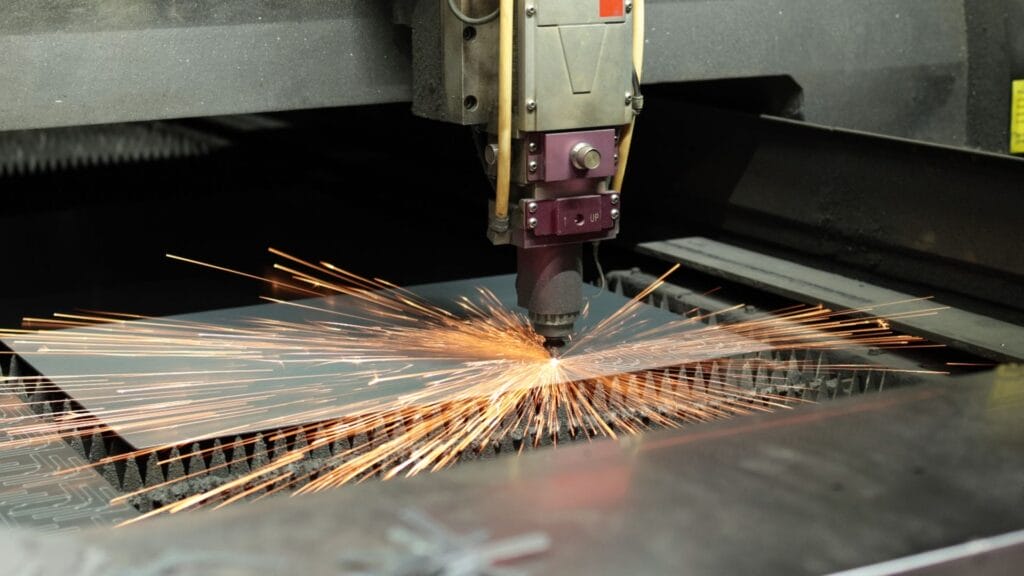
Direct Metal Laser Sintering and Selective Laser Melting fuse metal powder with 200 to 400 W fiber lasers. Aluminum AlSi10Mg, Titanium Ti6Al4V, Stainless Steel 316L, and Inconel 718 available. Parts achieve 460+ MPa ultimate tensile strength at 99.5%+ density.

Post-Processing and Finishing

Bead blasting, vapor smoothing, dyeing, spray painting, and post-machining applied in-house. We also combine 3D printing with CNC finishing for tight-tolerance features like bearing bores, sealing surfaces, and threaded holes.

From Idea to Production

3D printing accelerates the full product development cycle, from first visual prototype through functional testing and low-volume production. Our engineers review your CAD file for printability, recommend the right technology and material for your end use, and flag orientation or support issues before printing starts. Once validated, the same printers produce your production batches with consistent layer accuracy and traceable material lots.

3D Printing Manufacturing Capabilities

These specifications apply across our print technologies. Specific tolerances and build envelopes depend on part geometry and material. Engineering review is available on request.
FeatureDescription
Precision Tolerance±0.10 mm
Standard Tolerance±0.20 mm
Standard Lead Time2–5 days
Maximum Part Size600 × 600 × 400 mm

3D Printing Materials

We stock over 50 engineering-grade materials across thermoplastics, nylons, photopolymer resins, and metal alloys. Each lot ships with material certificates on request.

Engineering Thermoplastics (FDM)

TypeCommon Grades
ABS-BasedABS-M30, ABS-ESD7, ABS Carbon Fiber
High-TemperatureULTEM 9085, ULTEM 1010, PPSU
Weather-ResistantASA, PC-ABS, Polycarbonate
TypeCommon Grades
Standard NylonPA12 (Nylon 12), PA11
Reinforced NylonPA12 Glass-Filled, PA12 Carbon-Filled
Specialty NylonPA12 Flame Retardant (UL-94 V-0), PA12 White


TypeCommon Grades
General-PurposeStandard Clear, Standard Grey, Standard White
FunctionalTough 2000, Durable, Rigid 10K
SpecialtyHigh-Temp 300, Flexible 80A, Castable Wax, Biocompatible (Class I/IIa)


TypeCommon Grades
AluminumAlSi10Mg
TitaniumTi6Al4V (Grade 5), Ti-CP (Grade 2)
Stainless Steel316L, 17-4 PH
Nickel and Tool SteelMaraging M300, Inconel 718


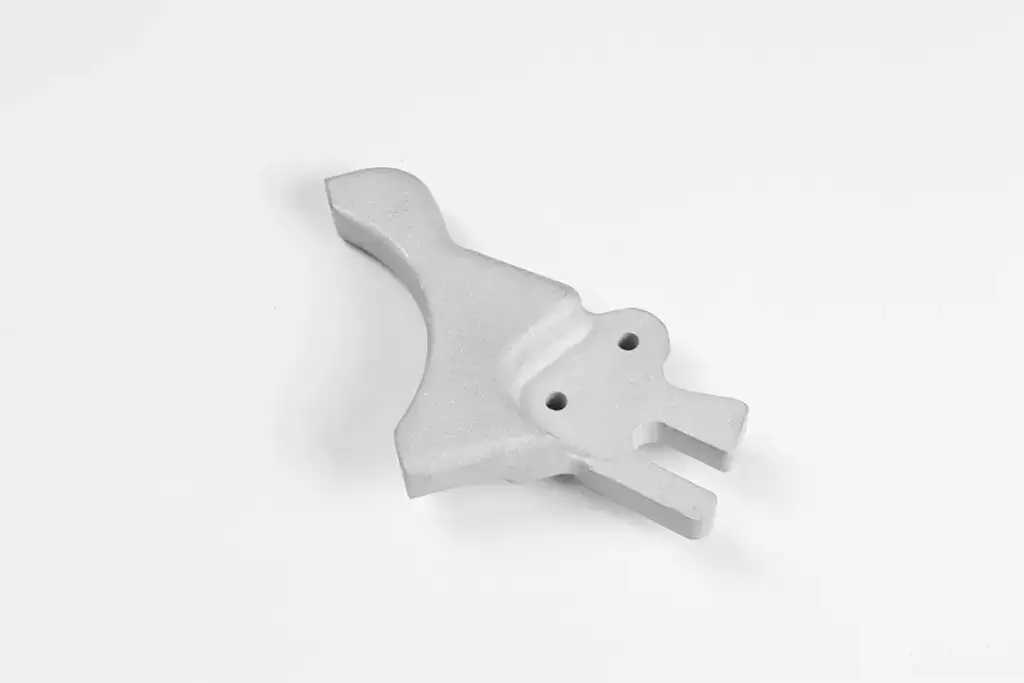
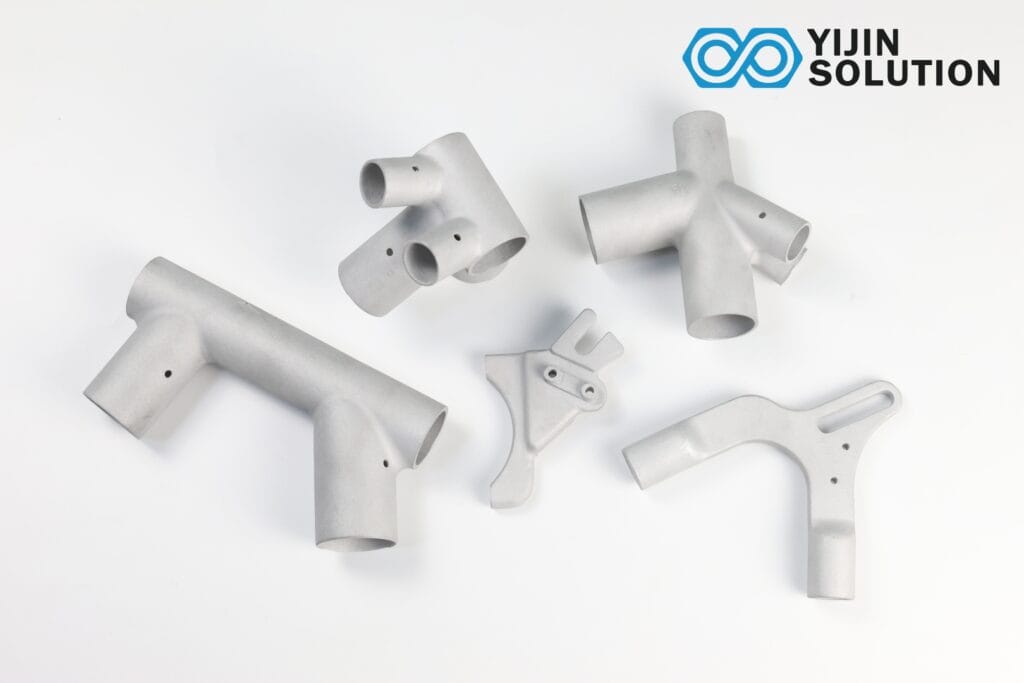
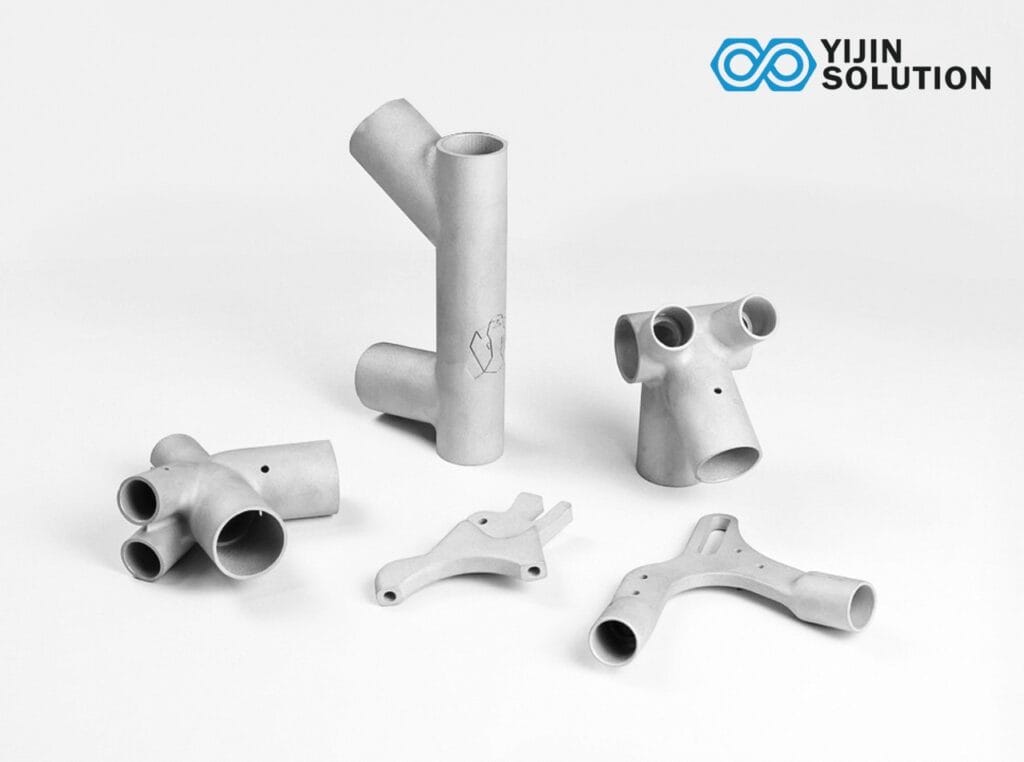
3d printing sample

3D Printing Surface Finishes

We apply finishes in-house to control quality and lead time. Each finish below improves appearance, functional performance, and dimensional accuracy of the printed part.

Surface Finish

SPECIFICATION

as printed and support removal

As-Printed and Support Removal

Parts ship with support structures removed and breakaway marks cleaned up. Standard finish for functional FDM prototypes and low-cost internal fixtures where appearance is secondary. Layer lines remain visible.

bead blasting

Bead Blasting

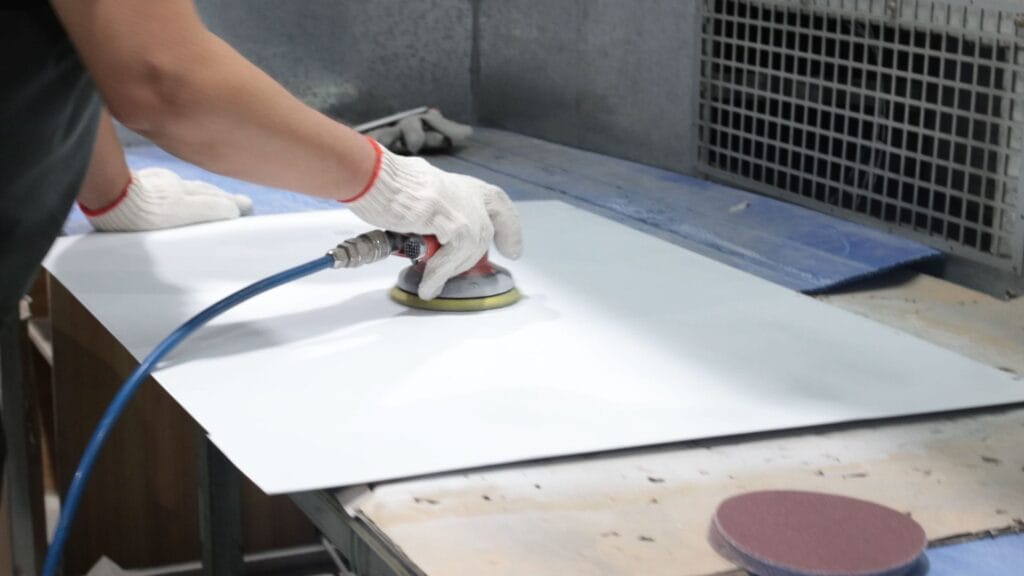
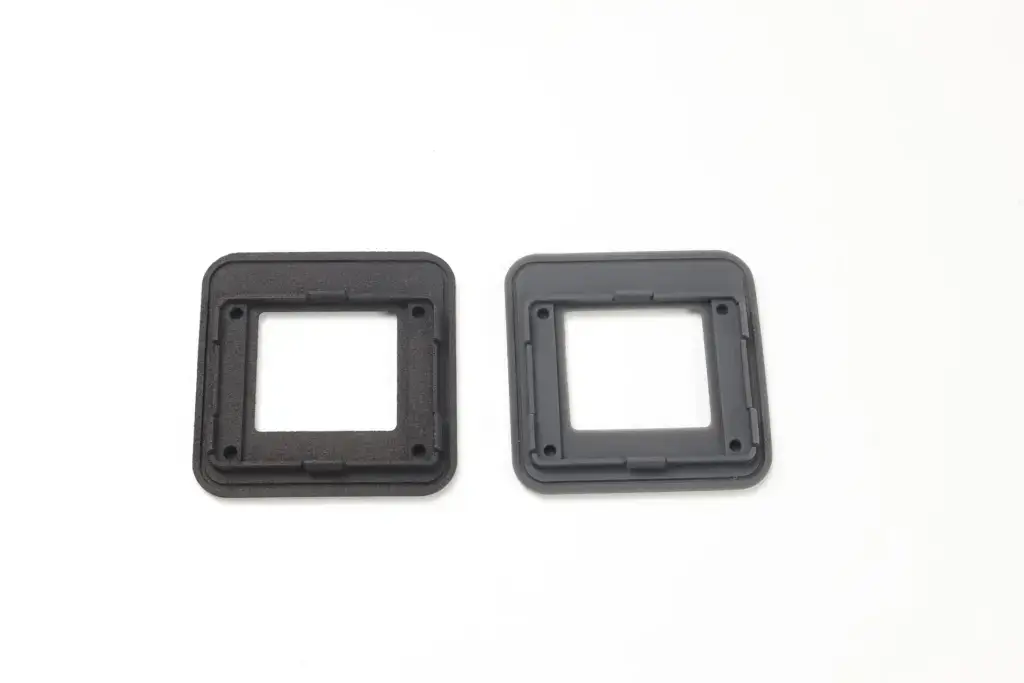
Media blasting with fine ceramic or glass beads produces a uniform matte surface and removes stray particles. Standard finish for SLS and MJF nylon parts and improves cosmetic quality on metal DMLS builds.

vapor smoothing

Vapor Smoothing

Chemical smoothing melts the outer 0.05 to 0.1 mm of ABS, ASA, or polyjet surfaces into a glossy finish that approximates injection-molded parts. Also seals porosity for fluid-handling and cosmetic consumer applications.
dyeing sls and mjf nylon

Dyeing (SLS and MJF Nylon)

Immersion dyeing colors SLS and MJF nylon parts through the full part thickness. Standard palette includes black, red, blue, and green. Minimum batch sizes apply for custom Pantone matches.

spray painting and primer

Spray Painting and Primer

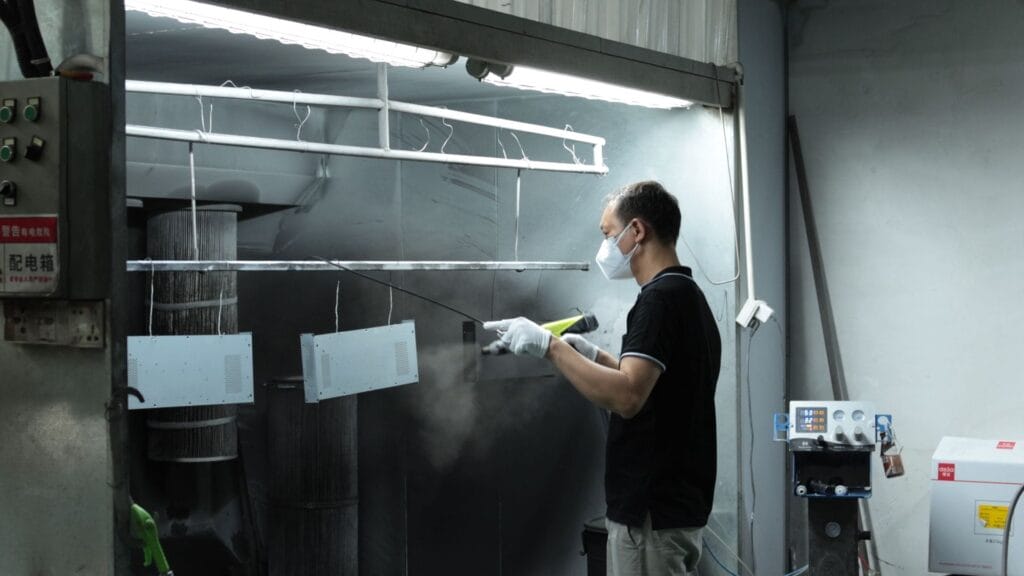
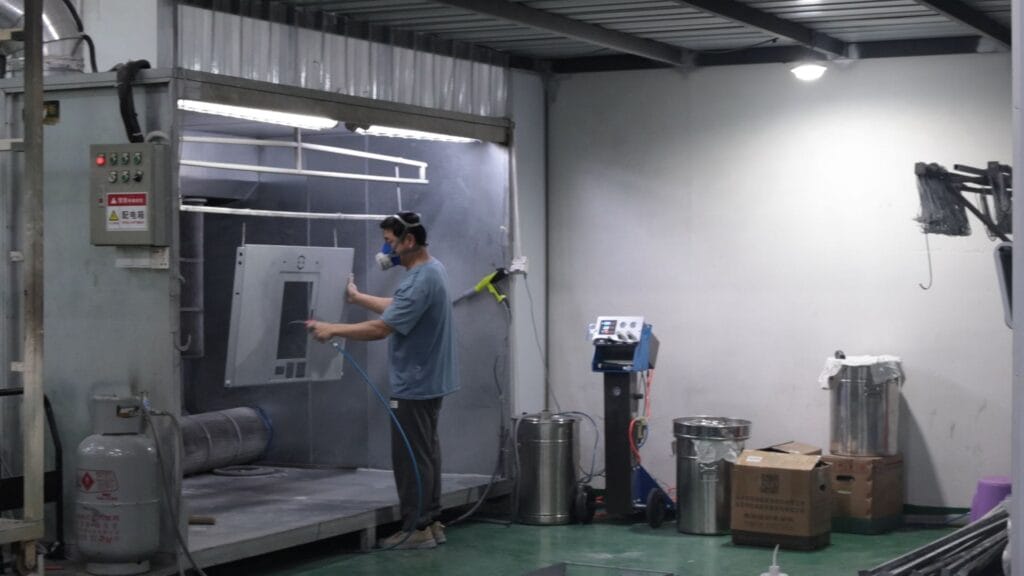
Automotive-grade primer plus painted topcoat for cosmetic prototypes and display models. Available in RAL and Pantone color matches. Applied over bead-blasted or smoothed parts for best adhesion.

post machining

Post-Machining

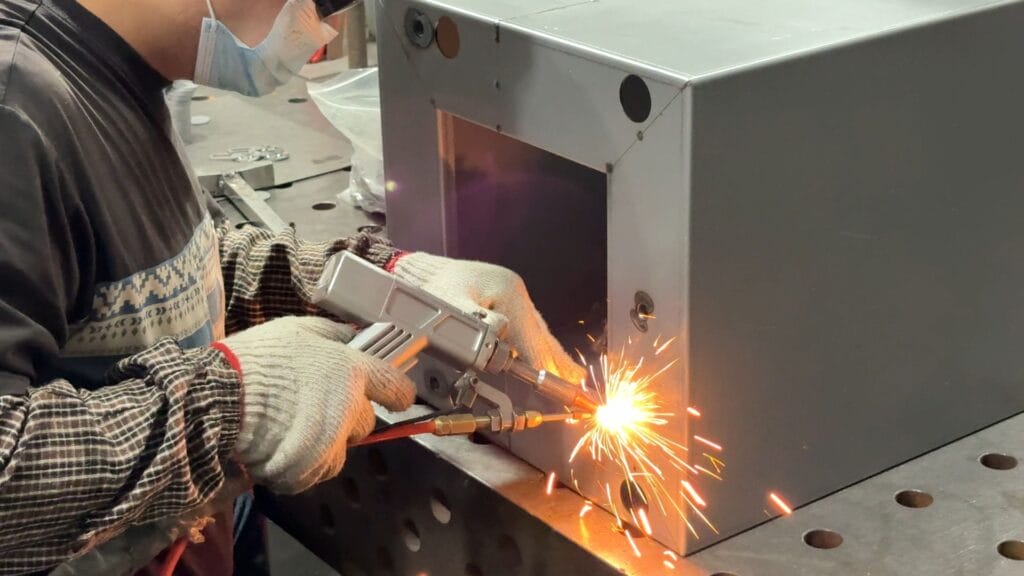
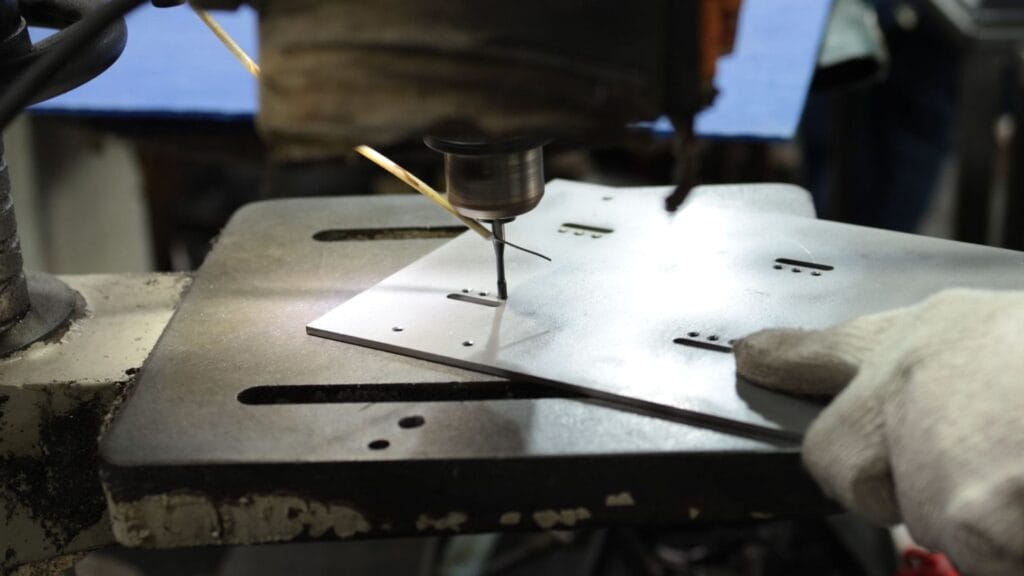
CNC milling and turning add threaded holes, bearing surfaces, flatness, and critical features to printed parts. Tolerances to ±0.025 mm on machined features. Used in hybrid manufacturing where the print provides the complex geometry and machining delivers the precision.

Case Study

Yijin Solution’s precision machining capabilities solved our bottleneck of the past six months. The tolerance stability of ±0.001 mm and a delivery cycle of 2.4 weeks increased our etching equipment capacity by 30%, and the consistency of the DLC coating directly extended the electrode’s lifespan.

vextron
VEXTRON SEMICONDUCTOR

⚑ Challenge

Vextron needed 7075-T6 aluminum Precision Electrode Holders with ±0.001 mm tolerance and a uniform DLC coating for plasma etching equipment. Previous suppliers capped out at ±0.003 mm, with 8% defect rates, inconsistent coating thickness, and 12-week lead times stalling the assembly line.

✓ Solution

Yijin deployed a four-stage protocol pairing DMG MORI five-axis machining with PCD micro-cutting, a custom vacuum-and-pin fixture, and a roughing, aging, finishing stress-relief cycle. A proprietary DLC coating process held film deviation within ±0.2 μm while Zeiss CMM inspection verified every batch.

Orders Up 50%

Yijin’s ±0.003 mm precision control and low-temperature stress relief technology completely resolved our challenges. Nearly 800 delivered parts have a 100% inspection pass rate and show zero deformation in the simulated space environment of -180 °C to +150 °C.

aleniaspace
THALES ALENIA SPACE

⚑ Challenge

Thales Alenia Space needed aerospace sheet metal parts held to ±0.005 mm to survive vacuum, extreme temperatures, and radiation. Previous suppliers stalled at ±0.01 mm with yields below 85%, driving rework, deformation failures, and 30% schedule overruns.

✓ Solution

Yijin deployed five-axis machining, viscous soft mold forming for titanium, and liquid nitrogen stress relief, backed by AS9100D quality control and AI-optimized parameters. The system stabilized ±0.003 mm tolerances across titanium and 7075 aluminum components.

Yield Rate 99.5%

Working with Yijin Solution on the CNC machining of these robot parts exceeded our expectations. They achieved tight dimensional tolerances and delivered 20% faster than we anticipated, significantly improving the assembly compatibility of our robot products.
figure
Head of Purchasing and Production, Figure AI, Inc.

⚑ Challenge

Figure AI needed micron-level precision and batch consistency for core robot joint components. Previous suppliers couldn’t hold tolerances, leaving scrap rates above 20% and delaying production.

✓ Solution

Yijin Solution deployed five-axis CNC machining on 7075-T651 aluminum with SPC-monitored quality control, holding ±0.005 mm tolerances across mass production in a Class 10,000 cleanroom.

Scaled by 300%

Yijin Solution’s precision machining capabilities solved our bottleneck of the past six months. The tolerance stability of ±0.001 mm and a delivery cycle of 2.4 weeks increased our etching equipment capacity by 30%, and the consistency of the DLC coating directly extended the electrode’s lifespan.

vextron
VEXTRON SEMICONDUCTOR

⚑ Challenge

Vextron needed 7075-T6 aluminum Precision Electrode Holders with ±0.001 mm tolerance and a uniform DLC coating for plasma etching equipment. Previous suppliers capped out at ±0.003 mm, with 8% defect rates, inconsistent coating thickness, and 12-week lead times stalling the assembly line.

✓ Solution

Yijin deployed a four-stage protocol pairing DMG MORI five-axis machining with PCD micro-cutting, a custom vacuum-and-pin fixture, and a roughing, aging, finishing stress-relief cycle. A proprietary DLC coating process held film deviation within ±0.2 μm while Zeiss CMM inspection verified every batch.

Orders Up 50%

Yijin’s ±0.003 mm precision control and low-temperature stress relief technology completely resolved our challenges. Nearly 800 delivered parts have a 100% inspection pass rate and show zero deformation in the simulated space environment of -180 °C to +150 °C.

aleniaspace
THALES ALENIA SPACE

⚑ Challenge

Thales Alenia Space needed aerospace sheet metal parts held to ±0.005 mm to survive vacuum, extreme temperatures, and radiation. Previous suppliers stalled at ±0.01 mm with yields below 85%, driving rework, deformation failures, and 30% schedule overruns.

✓ Solution

Yijin deployed five-axis machining, viscous soft mold forming for titanium, and liquid nitrogen stress relief, backed by AS9100D quality control and AI-optimized parameters. The system stabilized ±0.003 mm tolerances across titanium and 7075 aluminum components.

Yield Rate 99.5%

Working with Yijin Solution on the CNC machining of these robot parts exceeded our expectations. They achieved tight dimensional tolerances and delivered 20% faster than we anticipated, significantly improving the assembly compatibility of our robot products.

figure
Head of Purchasing and Production, Figure AI, Inc.

⚑ Challenge

Figure AI needed micron-level precision and batch consistency for core robot joint components. Previous suppliers couldn’t hold tolerances, leaving scrap rates above 20% and delaying production.

✓ Solution

Yijin Solution deployed five-axis CNC machining on 7075-T651 aluminum with SPC-monitored quality control, holding ±0.005 mm tolerances across mass production in a Class 10,000 cleanroom.

Scaled by 300%

Start Your First 3D Printing Project

We make it simple to go from CAD file to printed parts. Follow these four steps to start your 3D printing project.

Get a quote icon

Get a quote

Upload your STEP, STL, IGES, or SLDPRT file. Receive an instant quote with material options and lead times.

Production icon

Production

Our engineering team reviews your file for printability, suggests orientation and material, and schedules your build on the appropriate machine.

Quality control icon

Quality control

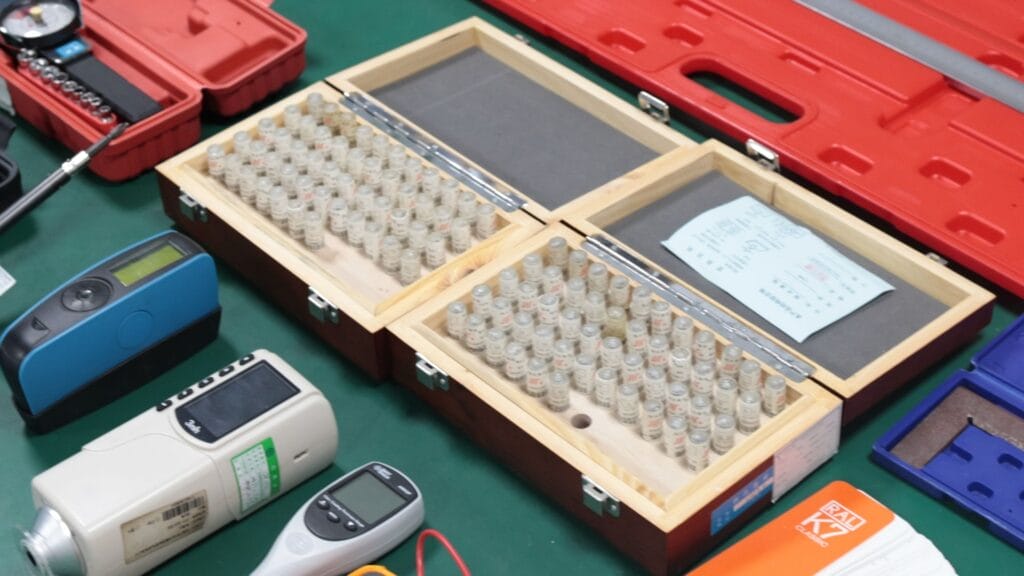
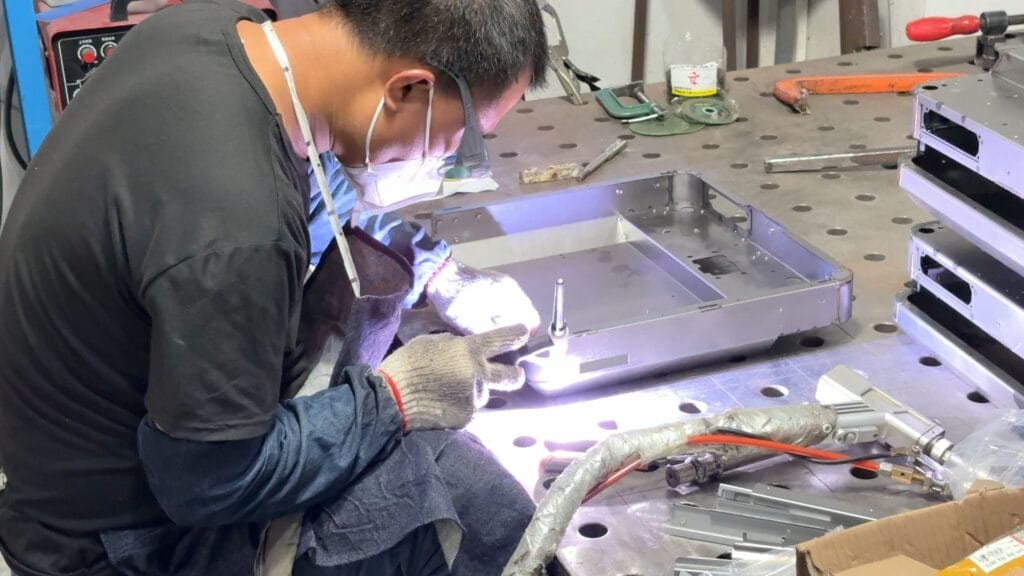
Every part is inspected against your drawing with calipers, 3D scanning, and CMM inspection where tighter tolerances are required. Support removal and finishing are verified before packing.
Delivery icon

Delivery

Parts ship with dimensional reports, material certificates, and photos on request. Express air freight is available for time-sensitive prototype orders.
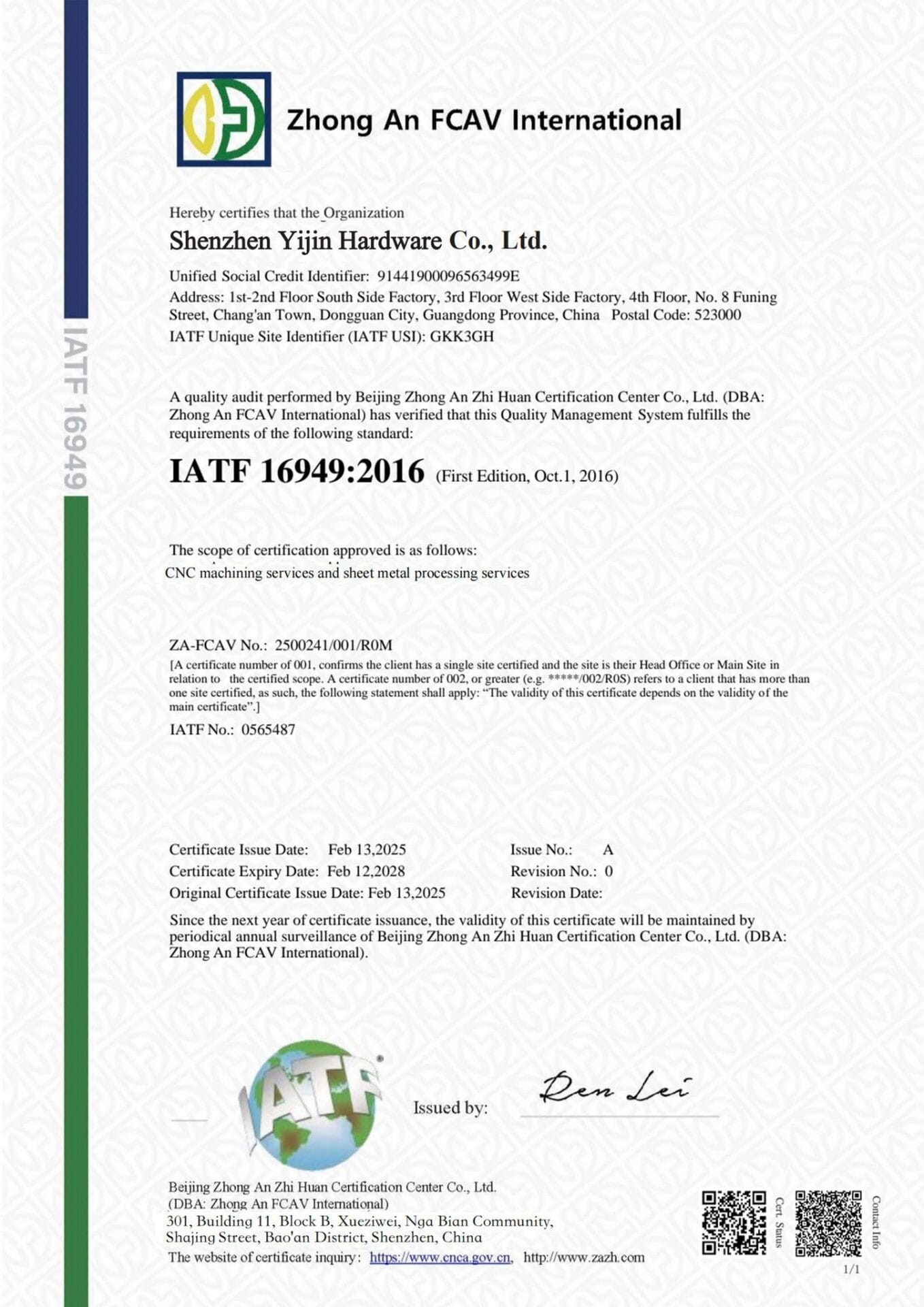
Certificate

Yijin Solution's 3D Printing Capabilities

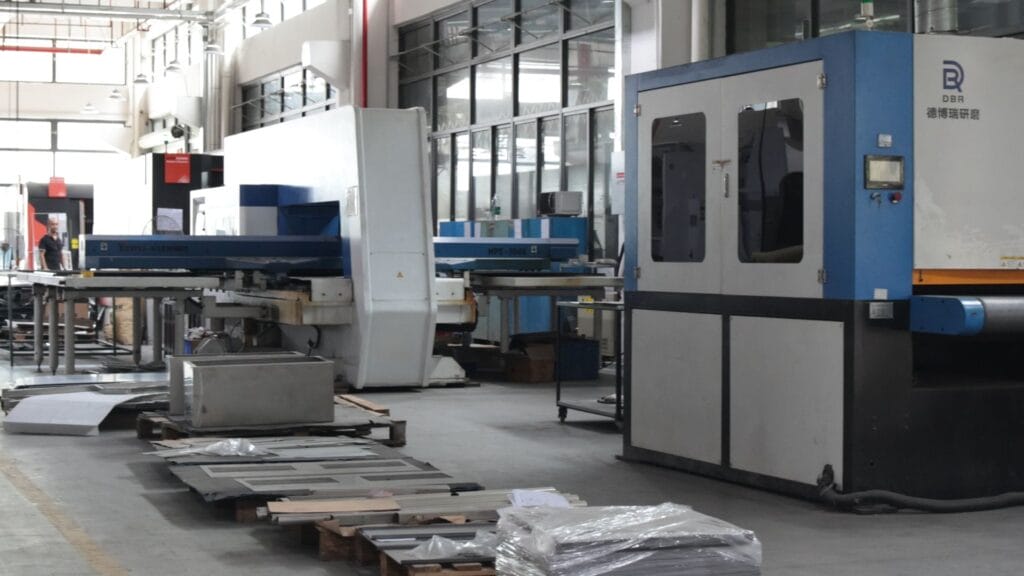
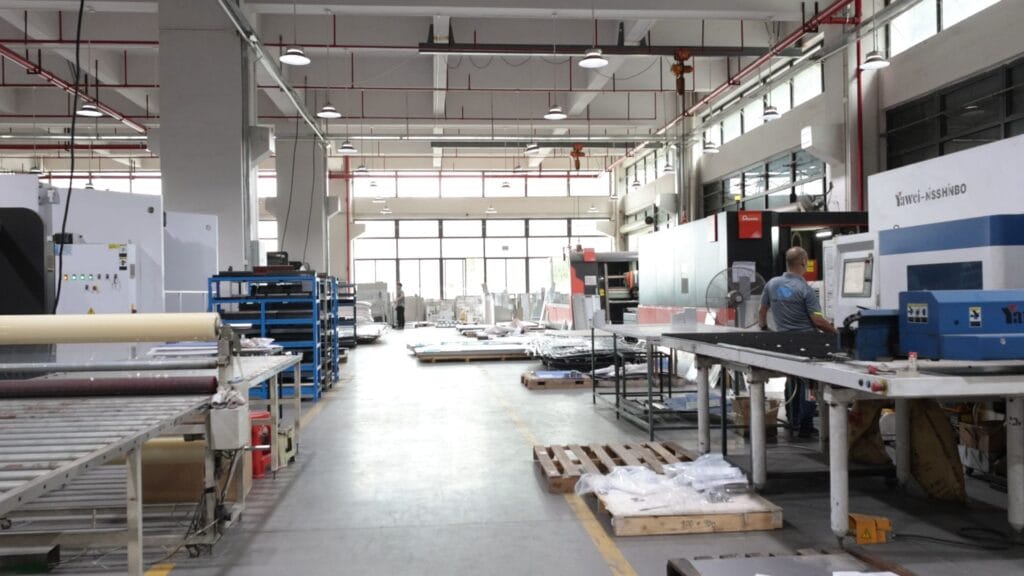
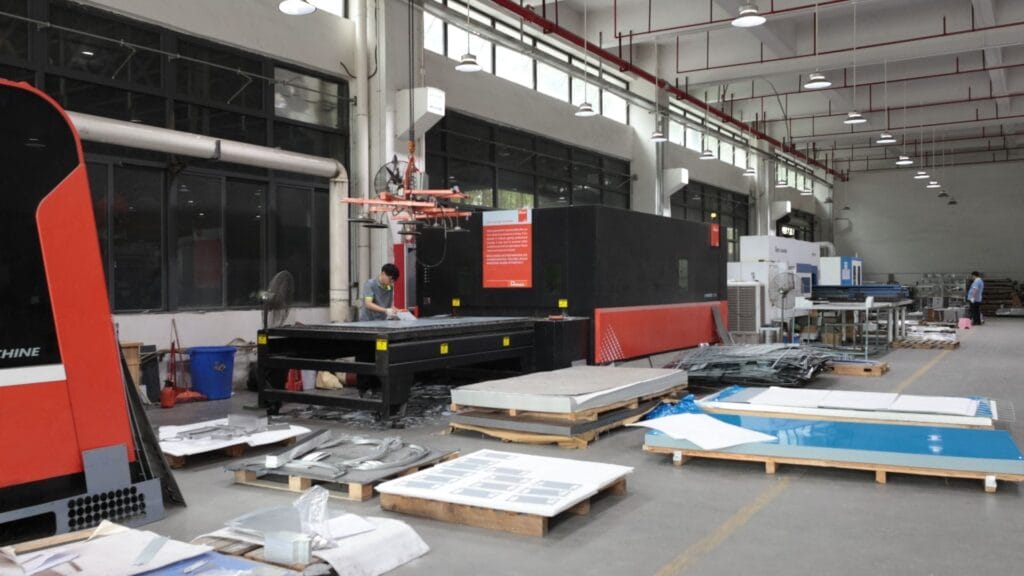
Yijin Solution is a 3D printing factory operating a 25,000+ m² manufacturing facility in Shenzhen, China. The additive manufacturing cell houses industrial FDM, SLA, SLS, MJF, and metal DMLS/SLM printers, plus dedicated post-processing lines for bead blasting, vapor smoothing, dyeing, and painting. Parts move from CAD to printed component to finished, inspected shipment without leaving the facility.

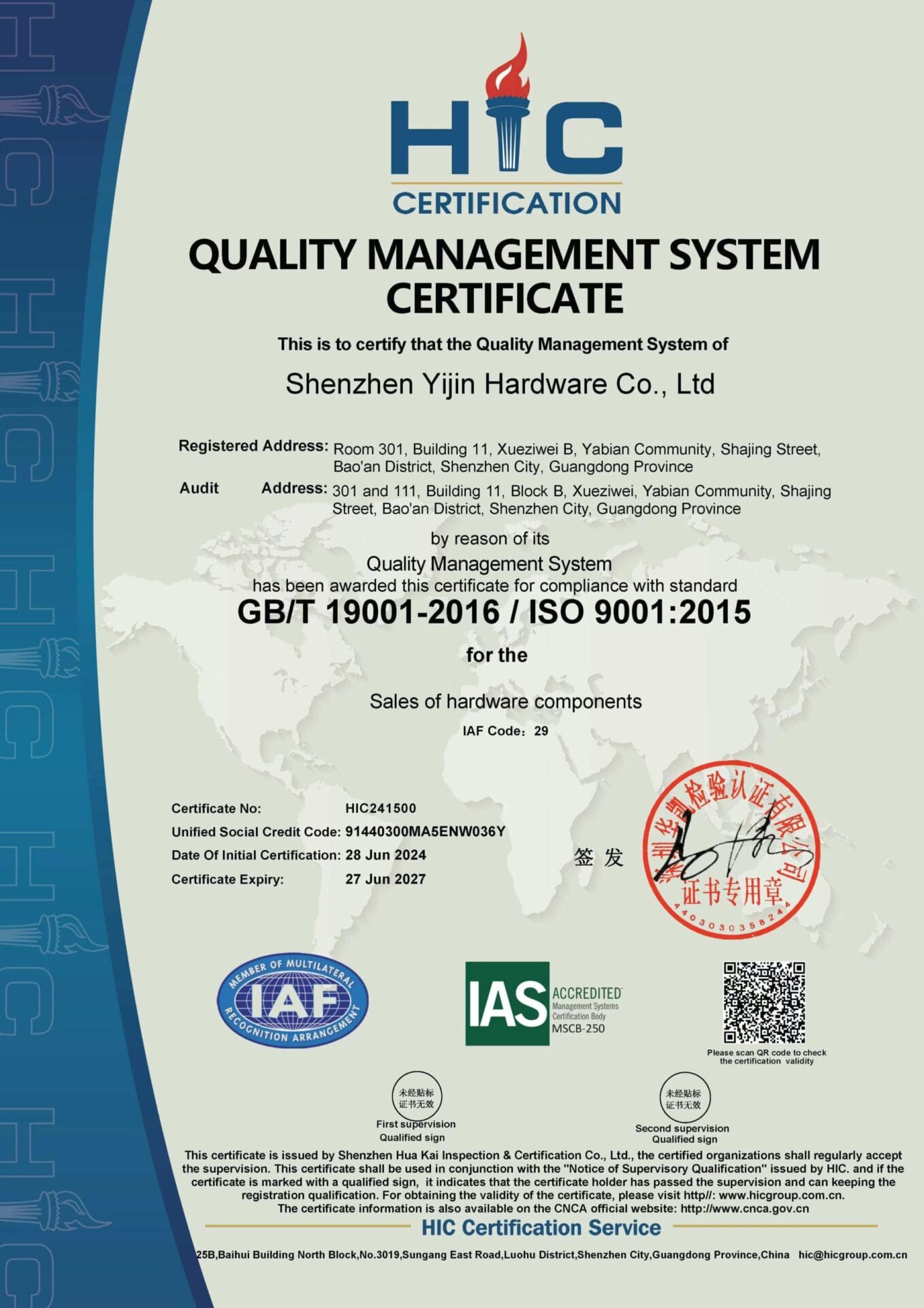
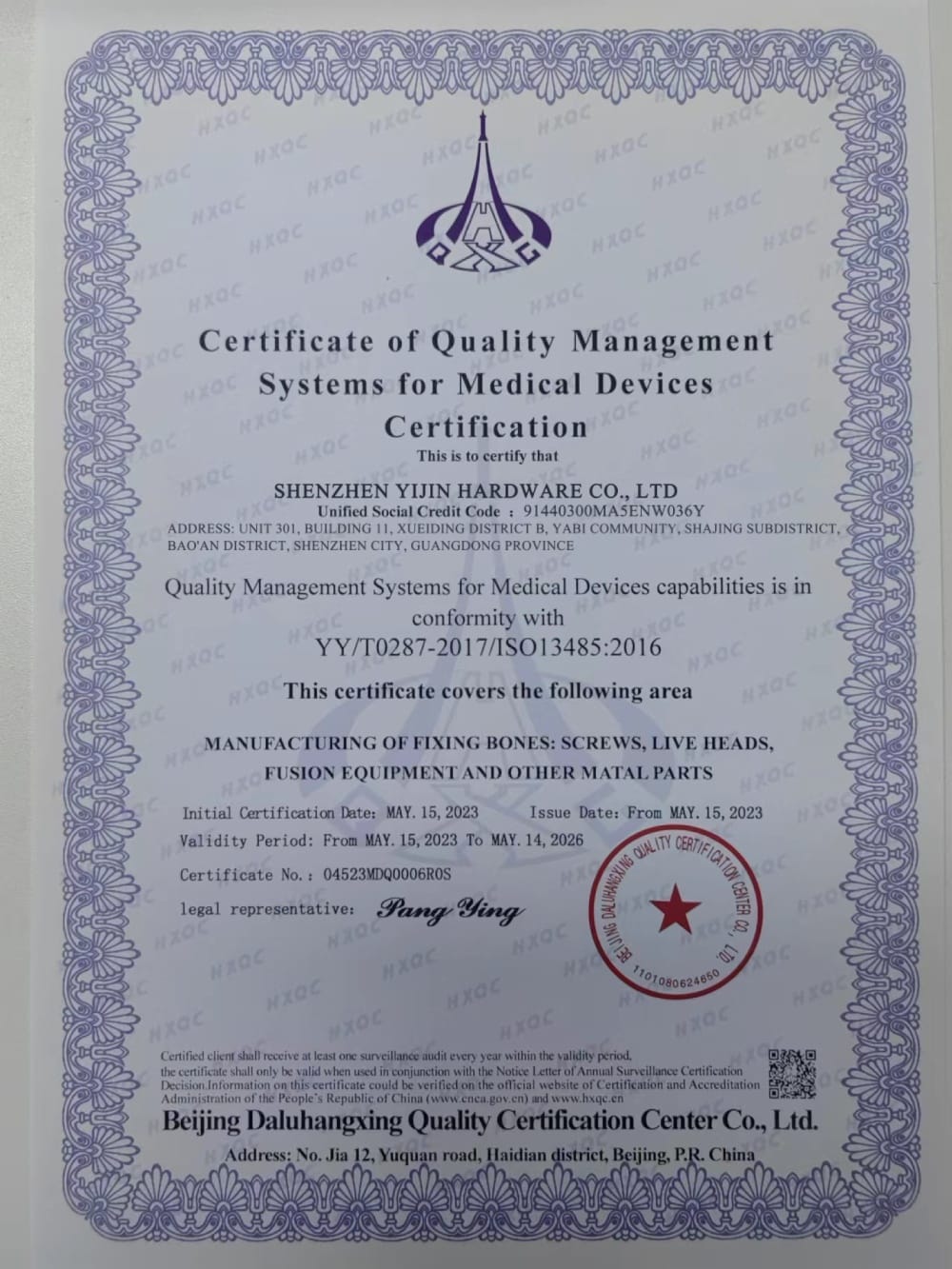
We serve clients across North America, Europe, and Asia-Pacific. Every order ships with dimensional inspection reports, material certifications, and, where applicable, mechanical test data. For medical and regulated projects, production runs under our ISO 13485 quality management system with full lot traceability.

3D Printed Part Gallery

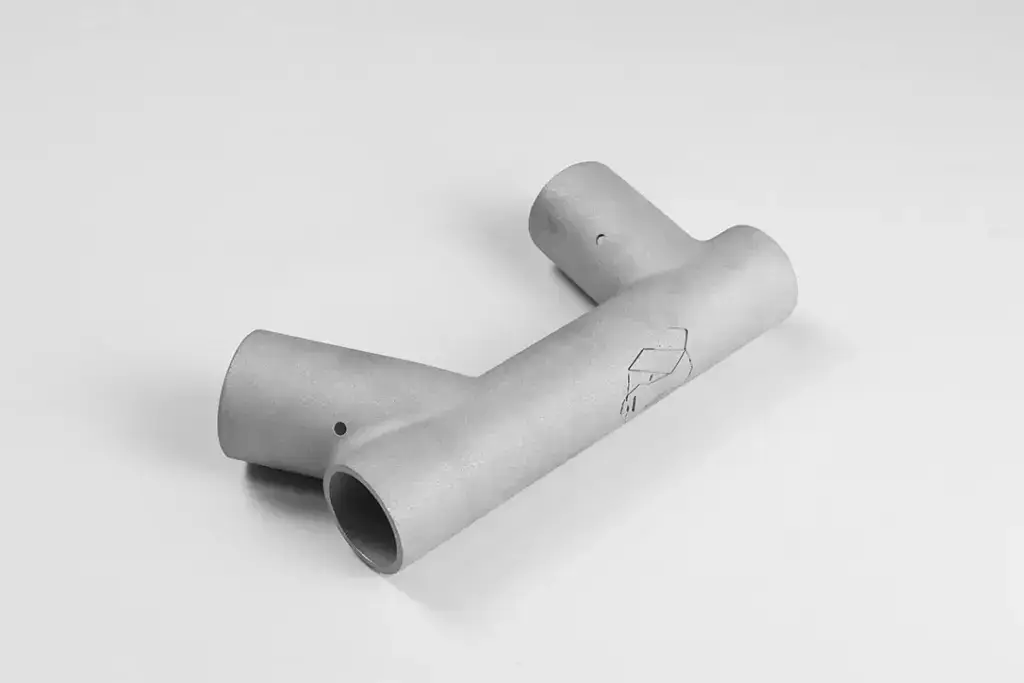
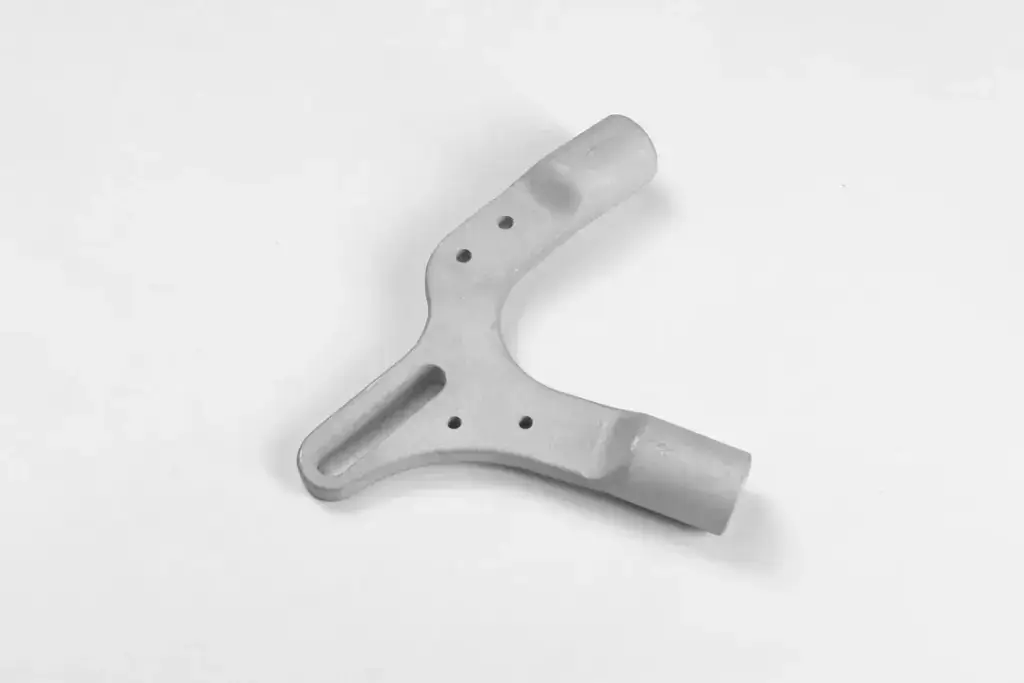
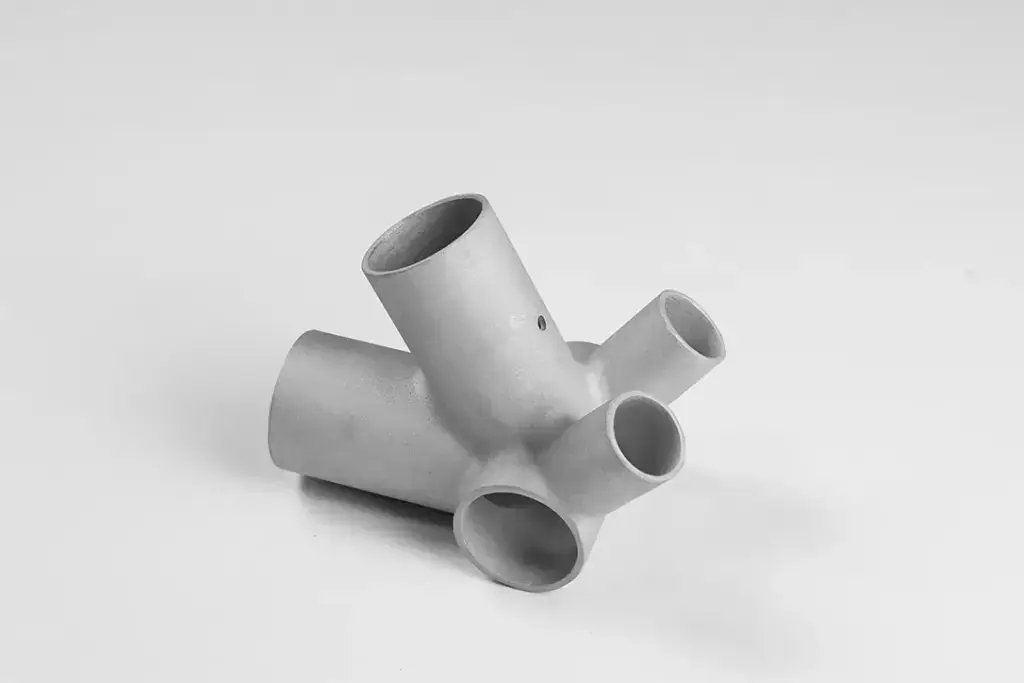
These 3D printed parts were produced at our Shenzhen facility for our clients in the medical, aerospace, automotive, and consumer electronics industries. Each project shown moved from CAD upload through printing, post-processing, and inspection under our quality management system.

Industries We Serve

Medical and Healthcare

Patient-specific surgical guides, anatomical models, dental aligners, prosthetic components, and hearing aid shells under ISO 13485 with biocompatible and autoclavable materials.

Aerospace

FAA-compliant interior components in ULTEM 9085, titanium Ti6Al4V structural brackets, lightweight ducting with internal geometries, and legacy-aircraft replacement parts.

Automotive

Functional test fixtures, low-volume production brackets, interior trim prototypes, wind tunnel models, and aftermarket components in ABS, PC, and nylon.

Consumer Electronics

Product enclosures, connector shells, wearable device housings, and multi-material assemblies using PolyJet and SLA for visual and functional prototypes.

Industrial Equipment

Pump housings, gearbox covers, jigs and fixtures, tooling aids, and specialized mounting hardware for manufacturing and process equipment.

Agriculture

Irrigation components, equipment housings, specialized farming tool adapters, and custom brackets in weather-resistant ASA and glass-filled nylon.

Robotics

End-effector grippers, sensor mounts, articulated joints, and lightweight structural components for humanoid, mobile, and industrial robotics.

Defense

High-strength titanium and maraging steel components for tactical equipment, weapon accessories, and vehicle replacement parts with MIL-compliant documentation on request.

Product Design and Startups

Fast iteration prototypes, investor demo models, crowdfunding samples, and low-volume launch runs for hardware startups going from first idea to first production batch.

Why Choose Yijin Solution for 3D Printing

We combine online instant quoting with real engineering support and in-house post-processing. That means shorter lead times, consistent part quality, and direct communication with the manufacturing team from CAD upload through delivery.

precision and quality
Precision and Quality

Calibrated printers, 3D scanning, and CMM inspection verify every batch. General tolerances of ±0.2 mm and ±0.025 mm on post-machined features. Material certificates and first-article inspection reports are standard on production runs.

fast turnaround
Fast Turnaround

Prototypes ship in 3 to 7 business days and production batches in 2 to 4 weeks. Five print technologies plus in-house post-processing eliminate supplier handoffs and courier delays between steps.
order any size
Order Any Size

No minimum order quantity. Single-piece prototypes and 1,000-unit low-volume runs go through the same printers and inspection standards. Volume does not change quality gates.

prototyping to production
Prototyping to Production

Your prototype and production parts come off the same printers with the same material lots. No re-qualification when you scale from a visual model to a serialized end-use batch.

wide range materials
Material Breadth

Over 50 engineering-grade materials in stock: ABS, ULTEM, PC, nylon, glass-filled nylon, standard and specialty resins, aluminum AlSi10Mg, titanium Ti6Al4V, 316L stainless, and Inconel 718. Every lot is traceable.

cost effective
Cost-Effective

Direct factory pricing without broker margins. Our DFAM (Design for Additive Manufacturing) review identifies orientation and geometry changes that cut print time, reduce support material, and lower per-part cost.
FAQs About 3D Printing

Common questions about 3D printing processes, materials, and our production system.

Technology selection depends on part function, material requirements, tolerance, and build volume.

FDM is the default for functional prototypes, jigs, tooling, and aerospace-grade ULTEM parts. It produces strong parts with layer lines visible, and is the most cost-effective option for parts above 100 mm.

SLA and DLP are the correct choice for visual prototypes, dental and jewelry masters, and parts needing surface finish down to Ra 0.8 μm. Layer heights from 0.025 mm capture fine detail but photopolymer resins are weaker than thermoplastics.

SLS and MJF produce isotropic nylon parts with no support structures, enabling complex internal geometries and living hinges. MJF is faster than SLS for production batches of 50 to 500 parts.

Metal DMLS and SLM are specified when part performance requires aluminum, titanium, stainless, or Inconel. They are more expensive and slower than polymer processes, but they replace investment casting or CNC machining for complex geometries with internal channels.

Our engineering team can recommend the right technology during DFM review based on your application and tolerance requirements.

Seven process families cover nearly all production and prototype 3D printing.

Fused Deposition Modeling (FDM) extrudes molten thermoplastic through a heated nozzle. Stereolithography (SLA) and Digital Light Processing (DLP) cure liquid photopolymer resin with UV light. Selective Laser Sintering (SLS) fuses nylon powder with a CO₂ laser. Multi Jet Fusion (MJF) jets fusing agent onto nylon powder and fuses each layer with infrared energy.

Direct Metal Laser Sintering (DMLS) and Selective Laser Melting (SLM) fuse metal powder with fiber lasers. PolyJet deposits droplets of photopolymer and cures them with UV, enabling multi-material and multi-color builds. Binder Jetting bonds powder with a liquid binder and is used mainly for metal sand casting patterns and full-color sandstone parts.

We run FDM, SLA, SLS, MJF, and metal DMLS/SLM in-house and subcontract PolyJet and Binder Jetting where a project calls for them.

Dimensional accuracy depends on technology, part geometry, and whether the part is post-machined.

SLA delivers the tightest as-printed tolerances at ±0.05 mm on features under 25 mm and Ra 0.8 μm surface finish. MJF and SLS hold ±0.2 mm on most dimensions. FDM holds ±0.2 mm or ±0.2% of dimension, whichever is greater. Metal DMLS holds ±0.05 to ±0.1 mm depending on orientation.

Post-machining replaces as-printed tolerances with machined tolerances of ±0.025 mm. Features that need tight fits, sealing surfaces, or threaded holes should be machined after printing.

Flag critical dimensions on your drawing so they can be reviewed for achievable tolerance or machining allowance before the build starts. Over-specifying every dimension drives up cost without improving part performance.

Four material families cover nearly all commercial 3D printing.

Engineering thermoplastics (FDM) include ABS, ASA, polycarbonate, PC-ABS, and high-performance ULTEM 9085 and 1010 for aerospace and autoclavable medical parts. ULTEM 1010 has a heat deflection temperature of 213 °C.

Production nylons (SLS and MJF) include Nylon 12 at 48 MPa tensile strength, flame-retardant Nylon 12 certified to UL-94 V-0 and FAR 25.853, and glass-filled nylon for stiffer, more dimensionally stable parts.

Photopolymer resins (SLA and DLP) include Standard, Tough, Durable, and High-Temperature grades at 38 to 55 MPa tensile strength. Biocompatible Class I and Class IIa resins are available for medical prototypes.

Metal alloys (DMLS and SLM) include aluminum AlSi10Mg, titanium Ti6Al4V, stainless steel 316L, 17-4 PH, Maraging steel M300, and Inconel 718. Metal parts achieve 99.5%+ density and 460+ MPa ultimate tensile strength.

Material selection should match the part’s mechanical load, operating temperature, regulatory requirements, and surface finish needs. Our DFM review can recommend the right material before the build starts.

Maximum build envelope depends on technology.

FDM industrial printers handle parts up to 300 × 300 × 300 mm as a single build. Parts larger than this can be split, printed, and bonded using solvent welding or mechanical joints.

SLS covers 340 × 340 × 600 mm in a single build. This is the largest envelope available for production nylon parts with isotropic properties.

SLA is limited to around 145 × 145 × 175 mm on desktop systems and 750 × 750 × 550 mm on large-format industrial resin printers. MJF runs 380 × 284 × 380 mm per build.

Metal DMLS is the smallest envelope at 250 × 250 × 325 mm due to the physics of laser powder bed fusion and heat management during the build.

Oversized parts are typically split into printable sections, printed separately, and joined in post-processing. Flag part dimensions early so we can select the right technology.

3D printing wins on complex geometries, low volumes, and iteration speed. CNC wins on surface finish, tolerance, and material strength for certain metals and volumes.

Choose 3D printing when the part has internal channels, lattice structures, undercuts, or organic geometries that CNC cannot reach. Also choose 3D printing for single-piece prototypes or runs under around 100 units where tooling and setup dominate CNC cost.

Choose CNC machining when tolerance below ±0.025 mm is required across the whole part, surface finish below Ra 0.8 μm is needed on large areas, or material is a wrought grade (6061 aluminum, 304 stainless) whose mechanical properties differ from the 3D-printable version.

Many real programs use hybrid manufacturing: 3D print the complex base geometry, then CNC machine the critical mating features. Our engineering team can recommend the right split during DFM review.

Yes. 3D printed parts have moved well beyond prototyping.

SLS and MJF nylon parts are used in production for under-the-hood automotive brackets, ducting, and jigs. HP MJF delivers 1,200 MPa flexural modulus with isotropic properties, which supports production runs of 500 to 5,000 parts.

FDM ULTEM 9085 and 1010 parts are used as FAA-compliant aircraft interior components. ULTEM 1010 is autoclavable for medical instruments.

Metal DMLS parts are used in aerospace, medical implants, and industrial tooling. Parts achieve 99.5%+ density and mechanical properties comparable to wrought material after heat treatment.

End-use 3D printing is most cost-effective for volumes under around 1,000 units where injection molding or die casting tooling cannot be amortized. Above that volume, traditional processes usually win on per-part cost.

We accept STEP, STL, IGES, SLDPRT, X_T, and OBJ. STEP is the preferred format because it preserves geometry precision; STL is acceptable but represents the part as a mesh of triangles, which can introduce small geometry errors.

  1. Upload: Drag your CAD file into the online quote tool. Compress multiple files into a ZIP or RAR if needed.

  2. Instant Quote: Our system generates an instant price based on part volume, bounding box, material, and technology within seconds.

  3. Engineering Review: For complex parts or production batches, an engineer reviews the file within 24 hours and responds with DFM notes and material recommendations.

  4. Final Quote: Receive a PDF with unit price, lead time, material and finish options. Tooling cost applies only for hybrid programs that include injection molding or die casting.

  5. Order Placement: Accept the quote online and your build enters the schedule immediately. Typical first-article prototypes ship within 1 to 5 business days.

  6. Production and Inspection: Parts are printed, post-processed, and inspected against your drawing or CAD file before packing.

  7. Shipment: Parts ship with dimensional inspection reports, material certificates, and photos on request. Express air freight is available for time-sensitive orders.

The full workflow from CAD upload to delivered parts takes 1 to 15 business days depending on technology, volume, and finish requirements.

3D Printing Guides

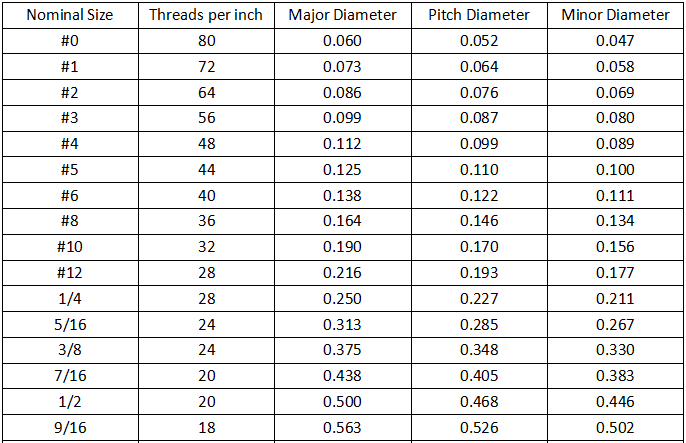
types of mechanical threads

Types of Mechanical Threads

Threads are basically helical ridges that get machined onto cylindrical or conical surfaces. They’re pretty ingenious – they convert rotational
🡕

Start today. Get parts made fast.

Custom CNC machined parts to your exact specifications, with reduced lead times.

en_USEN

Upload your 2D drawings and at least one 3D CAD file for a faster, more accurate quote. If you have multiple files, please compress them into a .zip or .rar. Prefer email? Send your RFQ to [email protected]. [email protected].

Click or drag files to this area to upload.You can upload up to 15 files.
Checkboxes