
Exciting News! Yijin Hardware is rebranding to Yijin Solution. Read more → Now live: Yijin Solution’s Online Quoting System. A faster way to upload files and manage quotes online. Read more →
Trusted By

Our Die Casting Services

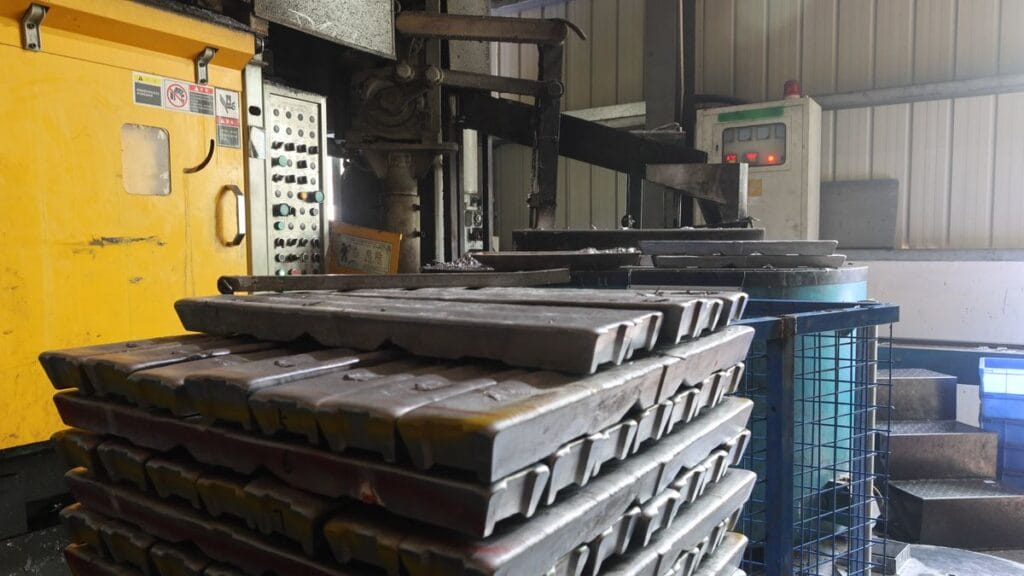
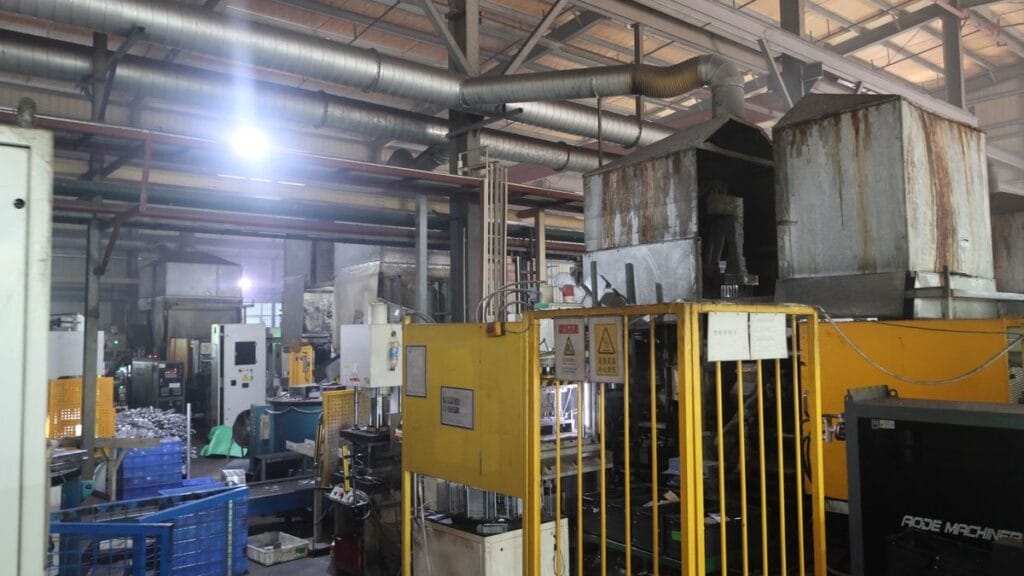
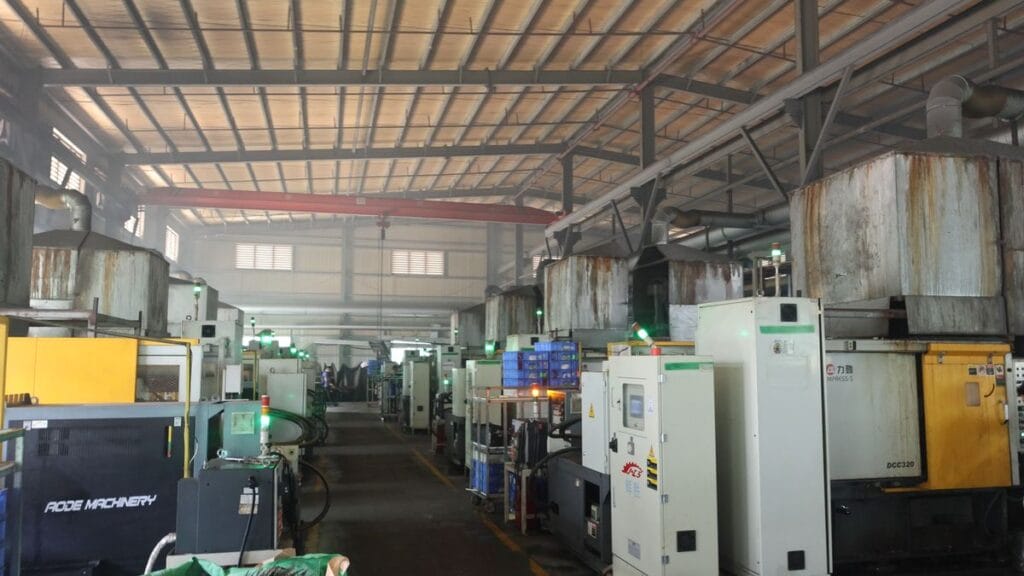
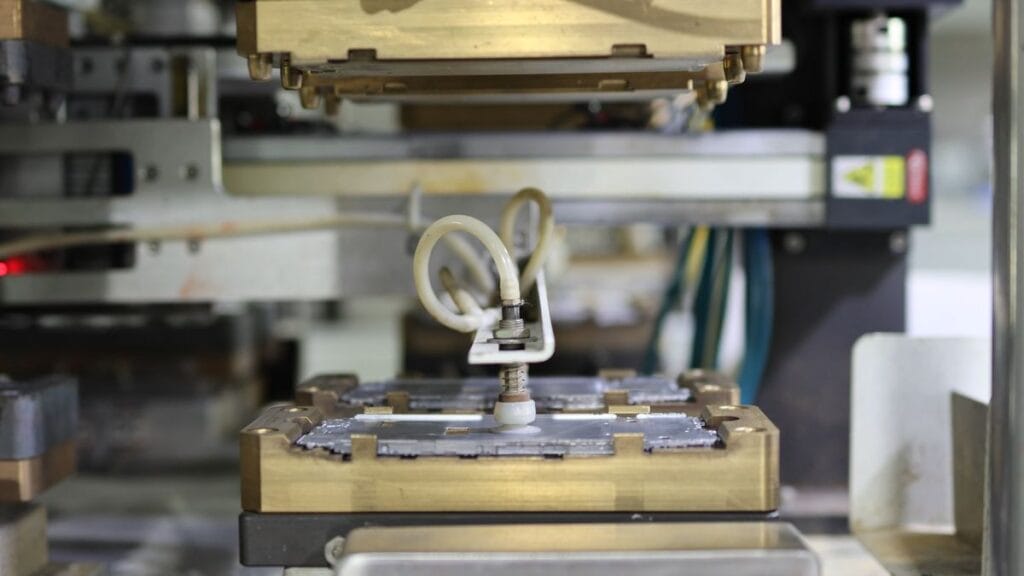
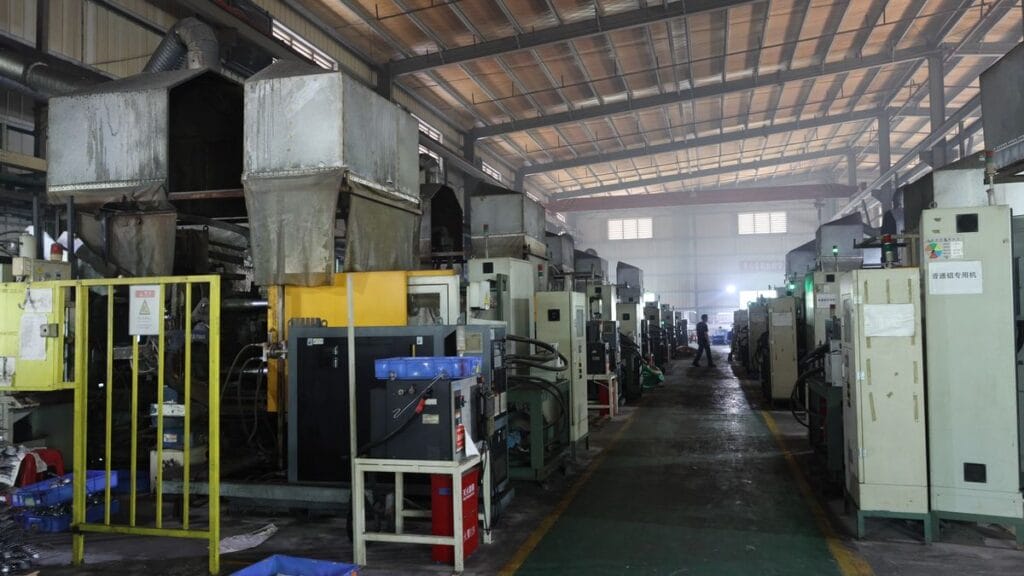
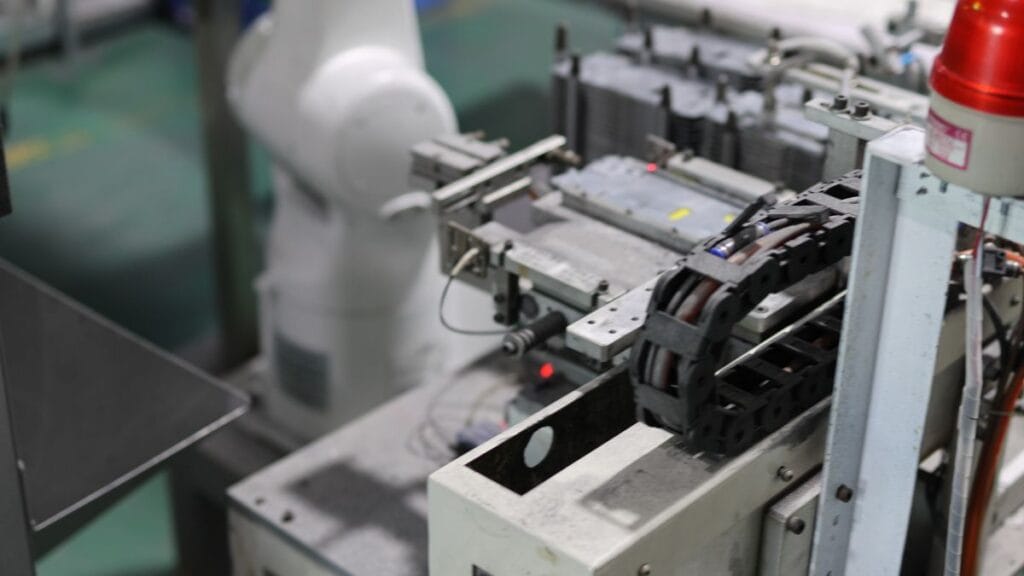
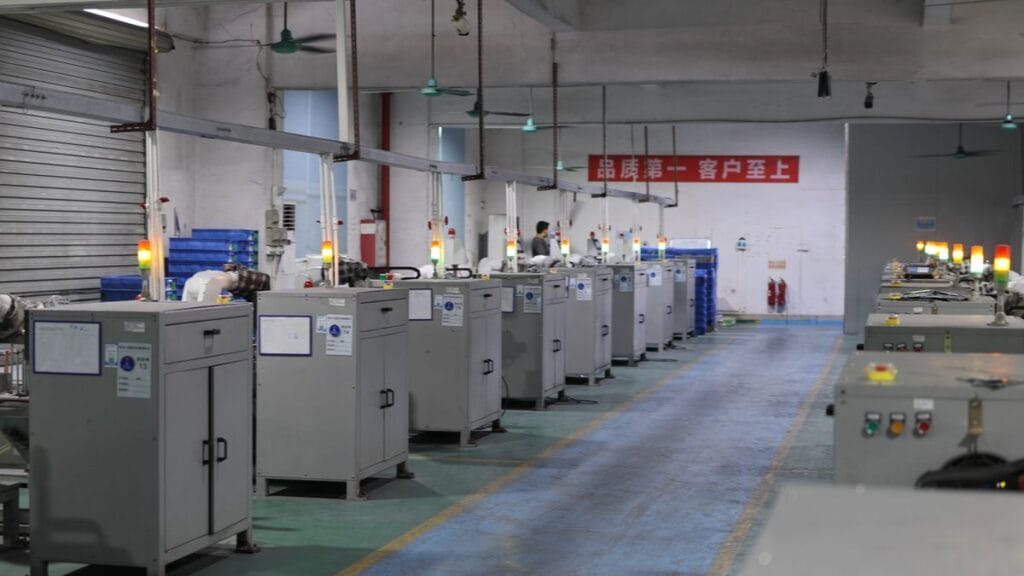
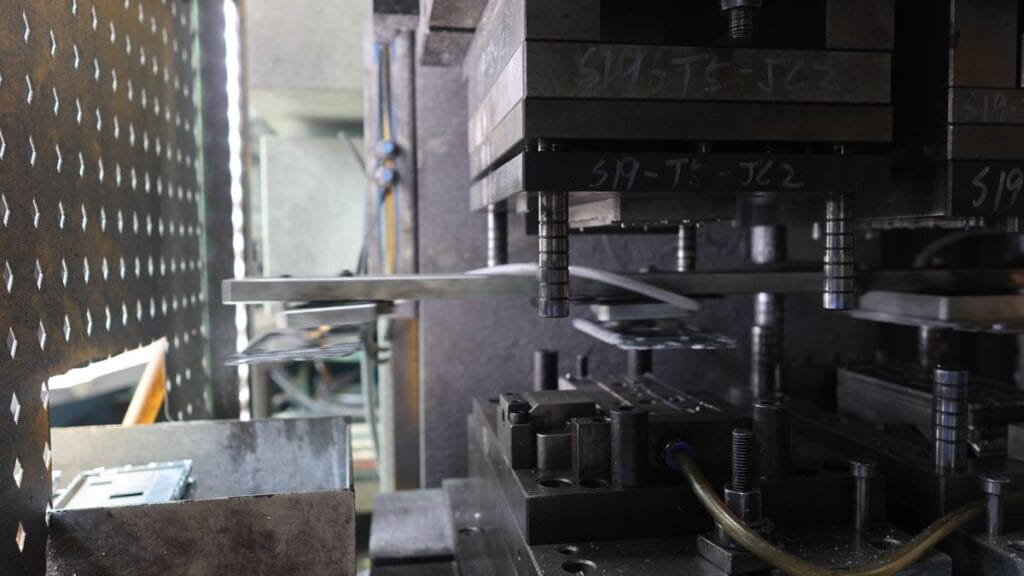
We run end-to-end die casting under one roof. Each process operates on dedicated production lines with full traceability from molten alloy to finished, inspected parts.

Hot Chamber Die Casting

Hot chamber machines keep zinc and magnesium alloys molten inside the machine, pushing metal into the die through a gooseneck at cycle times near 20 seconds. Best for zinc Zamak parts and small magnesium components up to 2 kg. We run hot chamber presses from 80 to 400 tons.

Cold Chamber Die Casting

Cold chamber presses handle aluminum, brass, and higher-temperature alloys that would corrode a hot chamber gooseneck. Metal is ladled into a cold shot sleeve, then forced into the die at injection pressures of 70 to 175 MPa. Standard tonnage range 250 to 3,000 tons. Required for all aluminum die casting.

Gravity Die Casting

Gravity casting pours molten aluminum or copper alloys into permanent steel or cast iron molds without external pressure. Slower than pressure die casting, but preferred for thick-walled parts, heat-treatable aluminum, and castings where porosity control matters. Ideal for low to medium volumes.

Die Casting Tooling

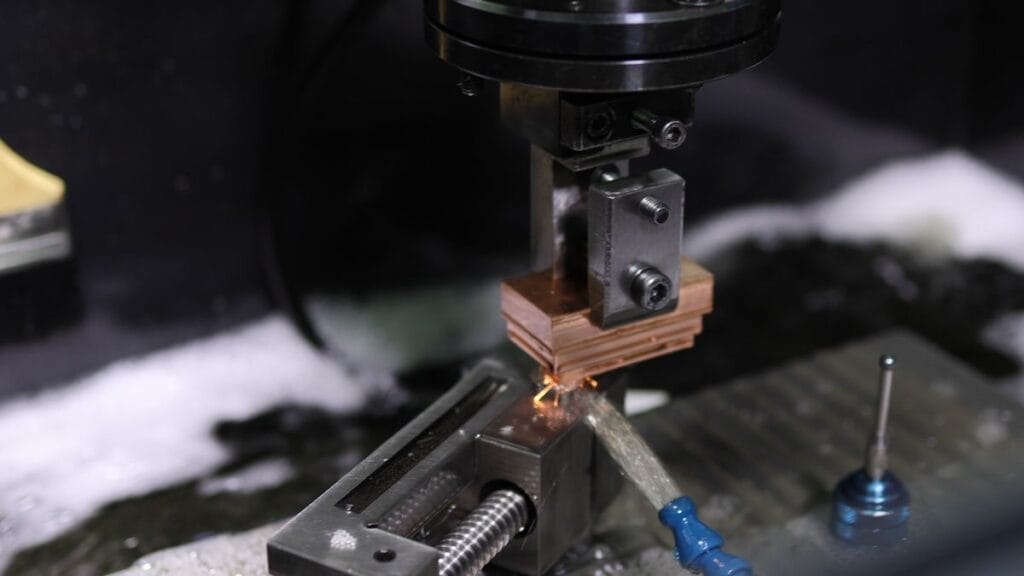
In-house mold shop designs and builds dies from H13 and SKD61 tool steel. Tooling prices from $8,000 for simple single-cavity zinc dies to $80,000+ for complex multi-slide aluminum tools. Expected tool life: 100,000 shots for aluminum and up to 1,000,000 shots for zinc.

Secondary CNC Machining

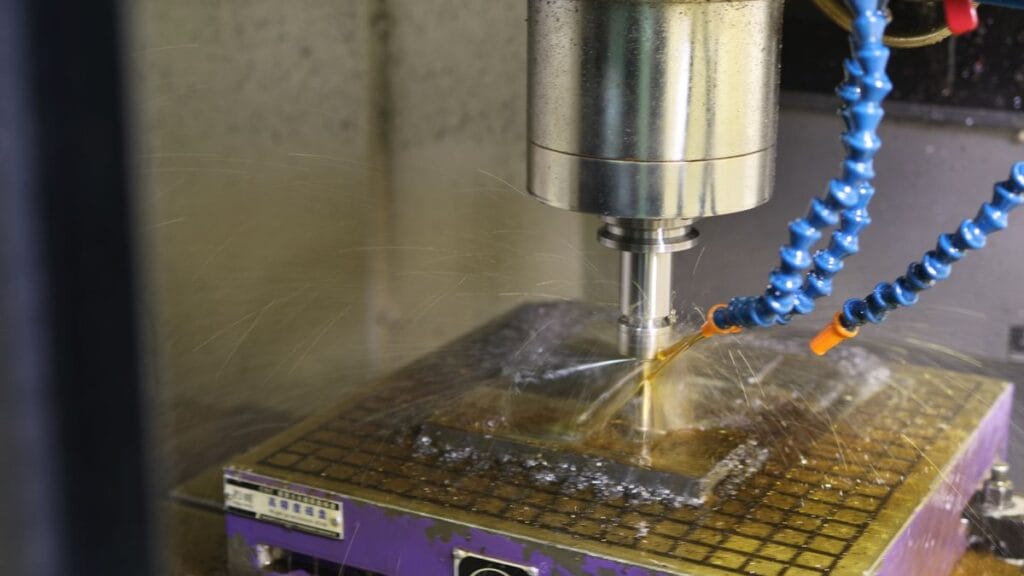
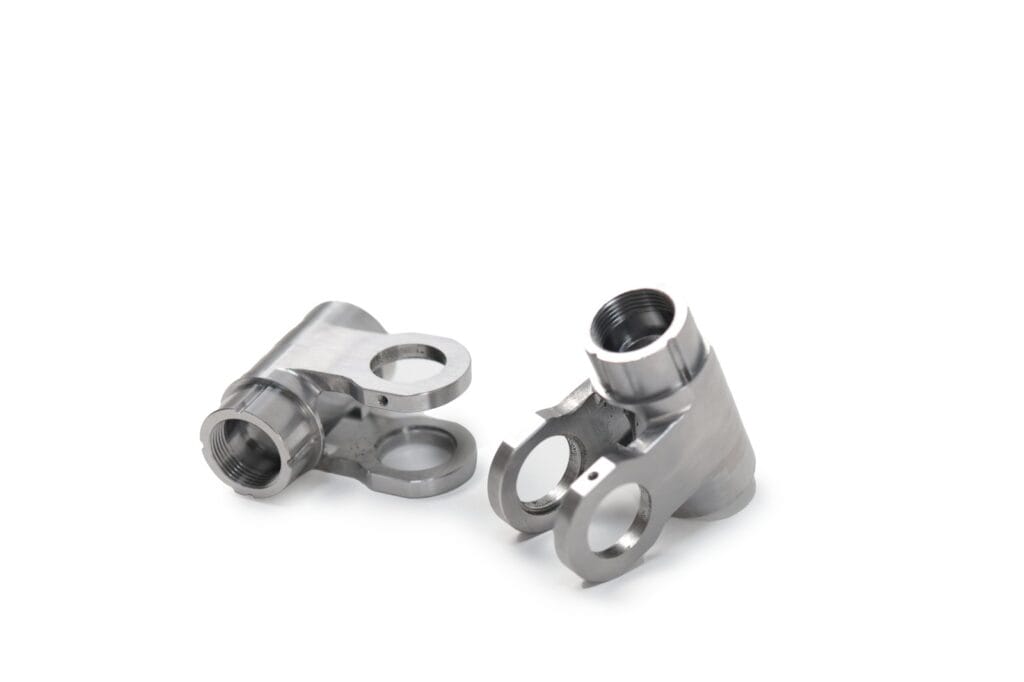
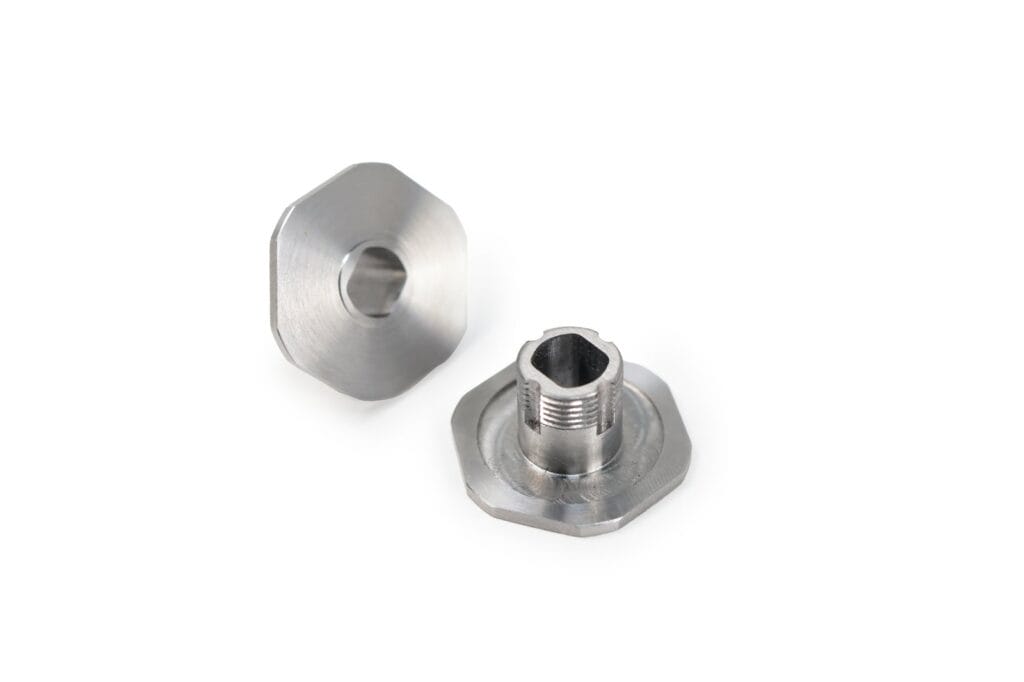
CNC milling and turning add threads, bore holes, and tight-tolerance features that cannot be cast directly. Tolerances to ±0.02 mm on machined surfaces. Integrated machining keeps the part on the same quality system from casting through final inspection.

Plating and Finishing

Powder coating, anodizing (Type II and Type III), chromate conversion, wet paint, and electroplating applied in-house. Shot blasting and vibratory deburring are standard. Salt spray, adhesion, and thickness testing included with plated orders.

From Idea to Production

Die casting sits inside a larger product development cycle. We support the full path from early concept and DFM review through tooling design, prototype castings, first article inspection, and scaled production. Our engineering team works with you from the first CAD file to tune wall thickness, draft, parting line, and gating for castability. Once the tool is signed off, production scales on the same presses and inspection system that ran your prototype.

Die Casting Manufacturing Capabilities

These specifications apply across our die casting production lines. Tighter tolerances and larger part envelopes are available on request with engineering review.

FeatureDescription
Precision Tolerance±0.10 mm
Standard Tolerance±0.30 mm
Standard Lead TimeMold tooling + samples: 25–35 days; Mass production: 7–15 days
Maximum Part Size400 × 400 × 200 mm

Die Casting Materials

We cast the alloys listed below. Every heat is verified by spectrographic analysis, with mill certificates and batch traceability on every order.

Aluminum Alloys

TypeCommon Grades
General-Purpose AluminumA380, ADC12, A383
Thin-Wall and Fluid CastingsA360, A413
Heat-Treatable AluminumA356, A357
TypeCommon Grades
Standard ZamakZamak 3 (ASTM AG40A), Zamak 5, Zamak 7
ZA Series (High Strength)ZA-8, ZA-12, ZA-27
Specialty ZincACuZinc5, EZAC


TypeCommon Grades
General-Purpose MagnesiumAZ91D, AM60B
Ductile MagnesiumAM50A, AM20
High-Temperature MagnesiumAS21, AE42


TypeCommon Grades
Casting BrassC85400, C85800 (YBSC2, YBSC6)
Leaded Red BrassC83600, C84400
Casting BronzeC90300, C95400 (Aluminum Bronze)


example die casting

Die Casting Surface Finishes

We apply surface finishes in-house to control quality and lead time. Each finish below improves corrosion resistance, appearance, and wear performance of the cast part.

Surface Finish

SPECIFICATION

as cast and shot blast

As-Cast and Shot Blast

Parts leave the press with flash and gates already removed. They are then shot blasted using steel or ceramic media, which produces a uniform matte surface, strips any residual release agent, and opens the casting’s pores to improve coating adhesion. This is the standard finish for untreated aluminum and zinc castings.

powder coating

Powder Coating

Powder is applied electrostatically and cured in an oven at 356–392 °F. The resulting coating is 60–120 microns thick and provides 500–1,000 hours of salt spray resistance. Colors are available in RAL, Pantone, and custom matches. Commonly used on automotive brackets, appliance housings, and lighting components.

anodizing

Anodizing

Sulfuric Type II anodizing for general corrosion protection and color dyeing. Hardcoat Type III anodizing produces coatings 25 to 75 microns thick for wear and abrasion resistance. Cast aluminum anodizes to a darker, less uniform finish than wrought aluminum due to silicon content. Processed to MIL-A-8625.
chromate conversion

Chromate Conversion

A chemical passivation process applied to zinc and aluminum castings, available in yellow, clear, and blue finishes. Trivalent chromate formulations are RoHS compliant and are the standard choice for automotive and electronics applications. The coating is under 2 microns thick, so dimensional accuracy is preserved. It also improves paint adhesion and provides 96–240 hours of salt spray resistance.

electroplating

Electroplating

Decorative and functional plating including bright chrome, satin nickel, copper strike, and tin. Common on zinc Zamak parts for plumbing, automotive trim, and consumer hardware. Plating thickness 5 to 30 microns depending on application. Supports ASTM B456 decorative chrome and ASTM B633 zinc standards.

wet paint and ced

Wet Paint and CED

Liquid paint and cathodic electrodeposition (CED) for parts that need high-build coatings or edge coverage. CED delivers uniform 20 to 40 micron coatings on complex geometries and is the automotive standard for undercar brackets and battery housings.

Case Study

Yijin Solution’s precision machining capabilities solved our bottleneck of the past six months. The tolerance stability of ±0.001 mm and a delivery cycle of 2.4 weeks increased our etching equipment capacity by 30%, and the consistency of the DLC coating directly extended the electrode’s lifespan.

vextron
VEXTRON SEMICONDUCTOR

⚑ Challenge

Vextron needed 7075-T6 aluminum Precision Electrode Holders with ±0.001 mm tolerance and a uniform DLC coating for plasma etching equipment. Previous suppliers capped out at ±0.003 mm, with 8% defect rates, inconsistent coating thickness, and 12-week lead times stalling the assembly line.

✓ Solution

Yijin deployed a four-stage protocol pairing DMG MORI five-axis machining with PCD micro-cutting, a custom vacuum-and-pin fixture, and a roughing, aging, finishing stress-relief cycle. A proprietary DLC coating process held film deviation within ±0.2 μm while Zeiss CMM inspection verified every batch.

Orders Up 50%

Yijin’s ±0.003 mm precision control and low-temperature stress relief technology completely resolved our challenges. Nearly 800 delivered parts have a 100% inspection pass rate and show zero deformation in the simulated space environment of -180 °C to +150 °C.

aleniaspace
THALES ALENIA SPACE

⚑ Challenge

Thales Alenia Space needed aerospace sheet metal parts held to ±0.005 mm to survive vacuum, extreme temperatures, and radiation. Previous suppliers stalled at ±0.01 mm with yields below 85%, driving rework, deformation failures, and 30% schedule overruns.

✓ Solution

Yijin deployed five-axis machining, viscous soft mold forming for titanium, and liquid nitrogen stress relief, backed by AS9100D quality control and AI-optimized parameters. The system stabilized ±0.003 mm tolerances across titanium and 7075 aluminum components.

Yield Rate 99.5%

Working with Yijin Solution on the CNC machining of these robot parts exceeded our expectations. They achieved tight dimensional tolerances and delivered 20% faster than we anticipated, significantly improving the assembly compatibility of our robot products.

figure
Head of Purchasing and Production, Figure AI, Inc.

⚑ Challenge

Figure AI needed micron-level precision and batch consistency for core robot joint components. Previous suppliers couldn’t hold tolerances, leaving scrap rates above 20% and delaying production.

✓ Solution

Yijin Solution deployed five-axis CNC machining on 7075-T651 aluminum with SPC-monitored quality control, holding ±0.005 mm tolerances across mass production in a Class 10,000 cleanroom.

Scaled by 300%

Yijin Solution’s precision machining capabilities solved our bottleneck of the past six months. The tolerance stability of ±0.001 mm and a delivery cycle of 2.4 weeks increased our etching equipment capacity by 30%, and the consistency of the DLC coating directly extended the electrode’s lifespan.

vextron
VEXTRON SEMICONDUCTOR

⚑ Challenge

Vextron needed 7075-T6 aluminum Precision Electrode Holders with ±0.001 mm tolerance and a uniform DLC coating for plasma etching equipment. Previous suppliers capped out at ±0.003 mm, with 8% defect rates, inconsistent coating thickness, and 12-week lead times stalling the assembly line.

✓ Solution

Yijin deployed a four-stage protocol pairing DMG MORI five-axis machining with PCD micro-cutting, a custom vacuum-and-pin fixture, and a roughing, aging, finishing stress-relief cycle. A proprietary DLC coating process held film deviation within ±0.2 μm while Zeiss CMM inspection verified every batch.

Orders Up 50%

Yijin’s ±0.003 mm precision control and low-temperature stress relief technology completely resolved our challenges. Nearly 800 delivered parts have a 100% inspection pass rate and show zero deformation in the simulated space environment of -180 °C to +150 °C.

aleniaspace
THALES ALENIA SPACE

⚑ Challenge

Thales Alenia Space needed aerospace sheet metal parts held to ±0.005 mm to survive vacuum, extreme temperatures, and radiation. Previous suppliers stalled at ±0.01 mm with yields below 85%, driving rework, deformation failures, and 30% schedule overruns.

✓ Solution

Yijin deployed five-axis machining, viscous soft mold forming for titanium, and liquid nitrogen stress relief, backed by AS9100D quality control and AI-optimized parameters. The system stabilized ±0.003 mm tolerances across titanium and 7075 aluminum components.

Yield Rate 99.5%

Working with Yijin Solution on the CNC machining of these robot parts exceeded our expectations. They achieved tight dimensional tolerances and delivered 20% faster than we anticipated, significantly improving the assembly compatibility of our robot products.

figure
Head of Purchasing and Production, Figure AI, Inc.

⚑ Challenge

Figure AI needed micron-level precision and batch consistency for core robot joint components. Previous suppliers couldn’t hold tolerances, leaving scrap rates above 20% and delaying production.

✓ Solution

Yijin Solution deployed five-axis CNC machining on 7075-T651 aluminum with SPC-monitored quality control, holding ±0.005 mm tolerances across mass production in a Class 10,000 cleanroom.

Scaled by 300%

Start Your First Die Casting Project

We make it simple to go from 3D model to delivered castings. Follow these four steps to start your die casting project.

Get a quote icon

Get a quote

Upload your 3D model, 2D drawing, or sample part. Receive a tooling and unit-price quote within 24 hours.

Production icon

Production

Our engineering team runs a DFM review, then builds the die. First-shot samples are inspected before full production release.

Quality control icon

Quality control

Every batch is checked against your drawing using CMM inspection, X-ray for internal porosity on critical parts, and mechanical testing where specified.

Delivery icon

Delivery

Castings ship with dimensional inspection reports, material certificates, and where applicable, salt spray and hardness results. Express air freight is available for first articles and time-critical orders.
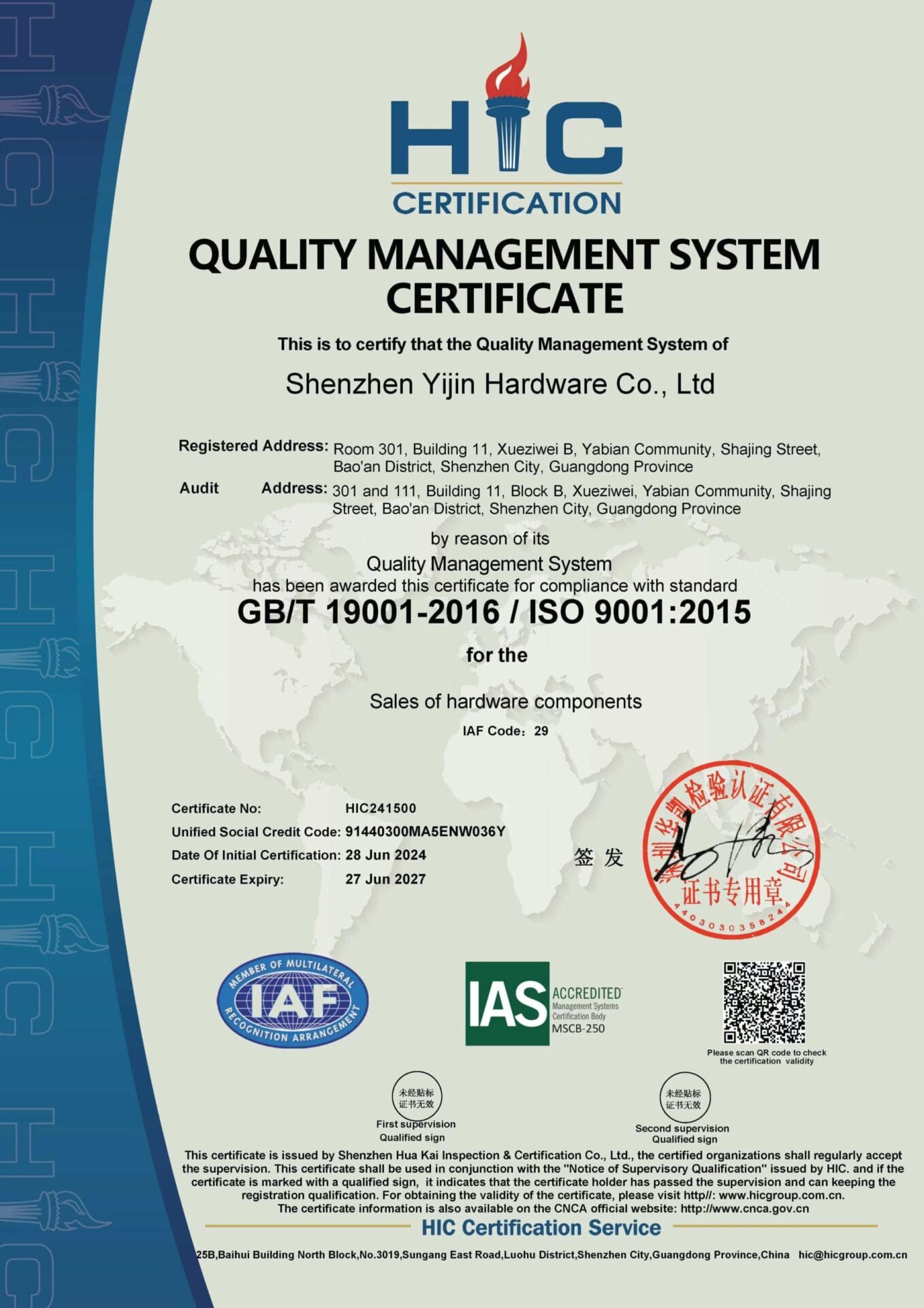
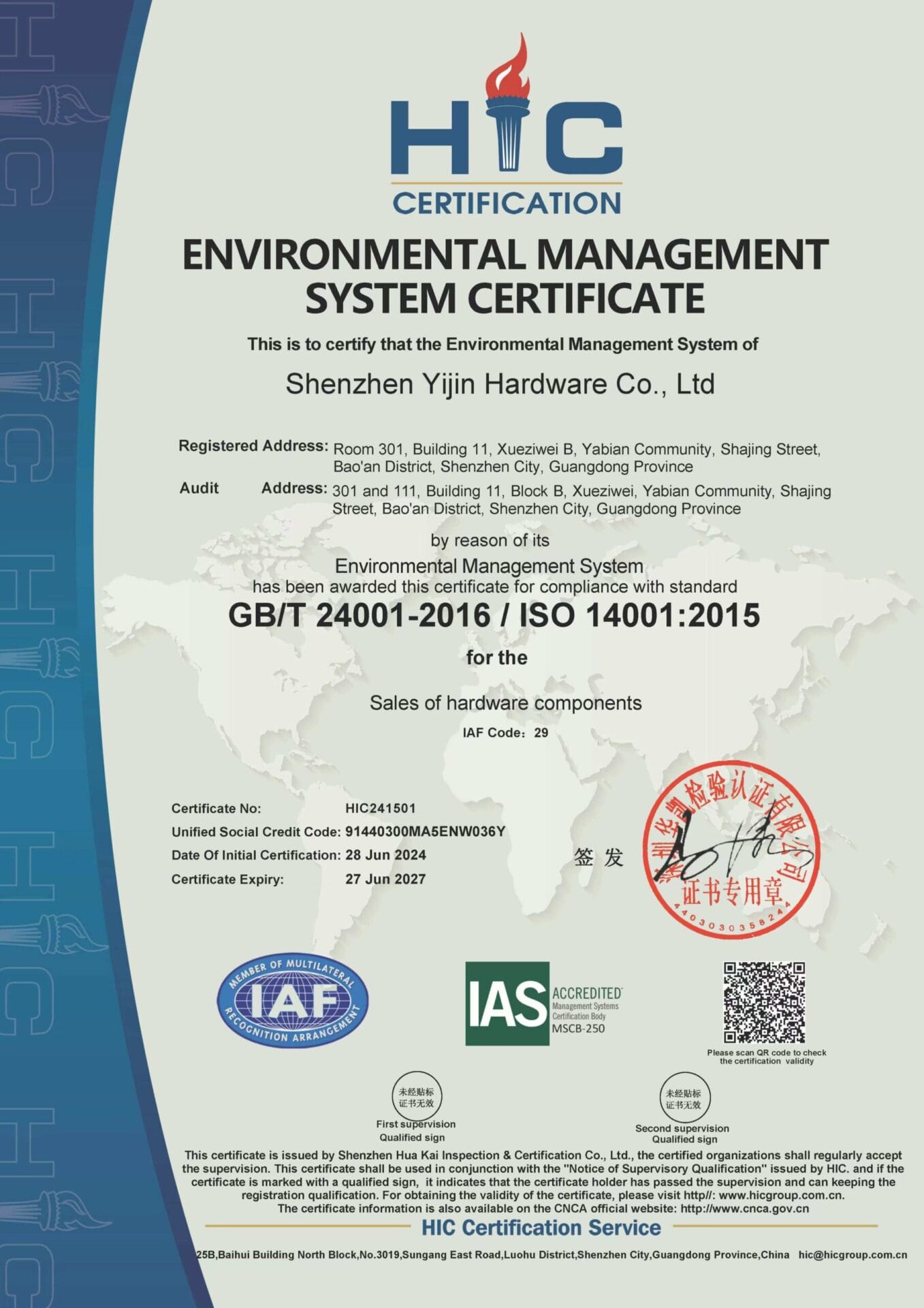
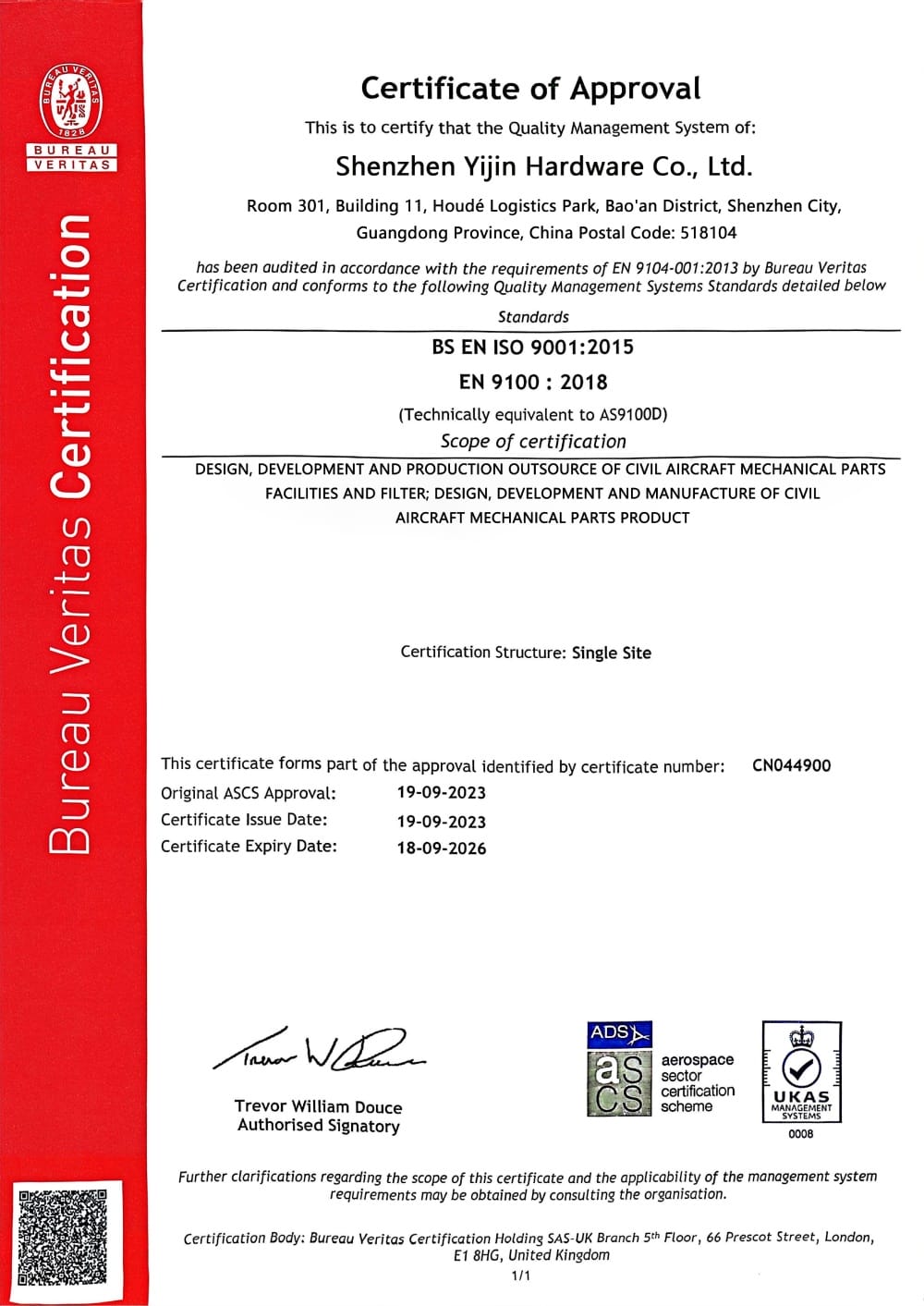
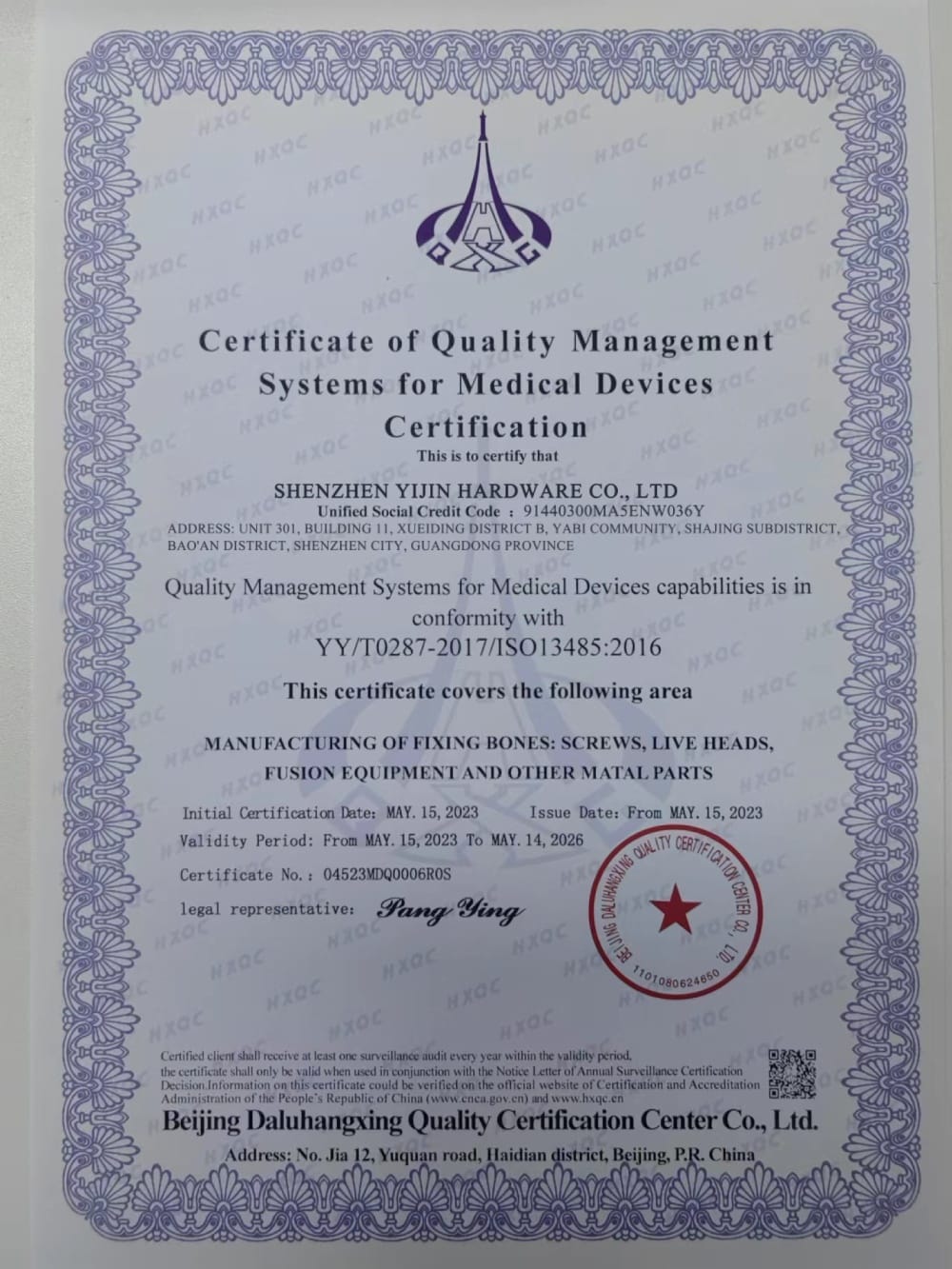
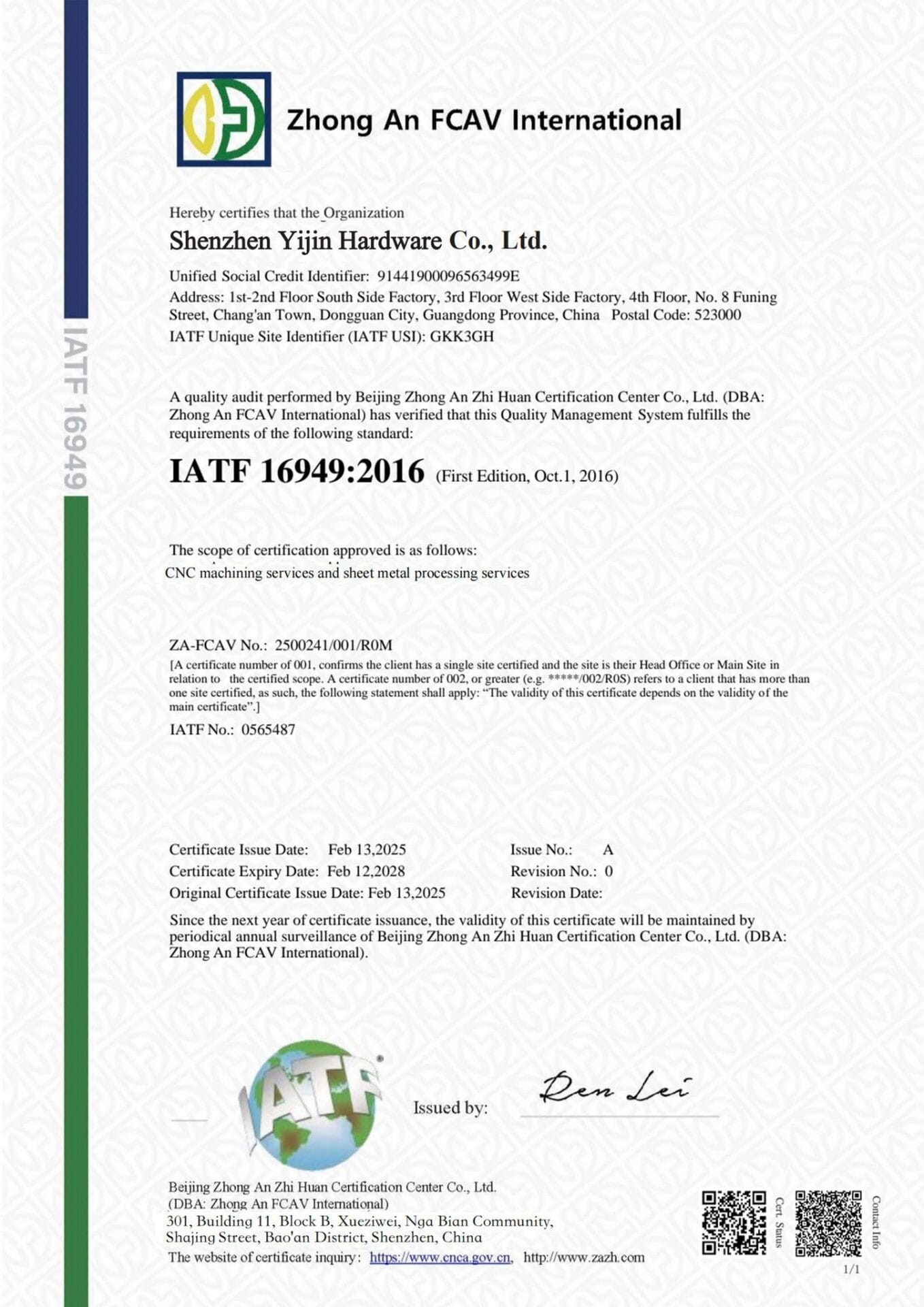
Certificate

Yijin Solution's Die Casting Capabilities

We operate a 25,000+ m² manufacturing facility in Shenzhen, China. The site houses hot chamber and cold chamber die casting lines from 80 to 3,000 tons, an in-house mold shop with CNC milling and EDM for tooling, and 281 inspection instruments including CMM, X-ray, and spectrometers. Castings move from pour through trimming, CNC finishing, and plating without leaving the facility.

We serve clients across North America, Europe, and Asia-Pacific. Every order ships with full dimensional inspection reports, material certifications, and, where applicable, porosity, hardness, and salt spray test results. For projects requiring automotive PPAP documentation, production runs under the IATF 16949 quality management system with Level 3 submission packages.

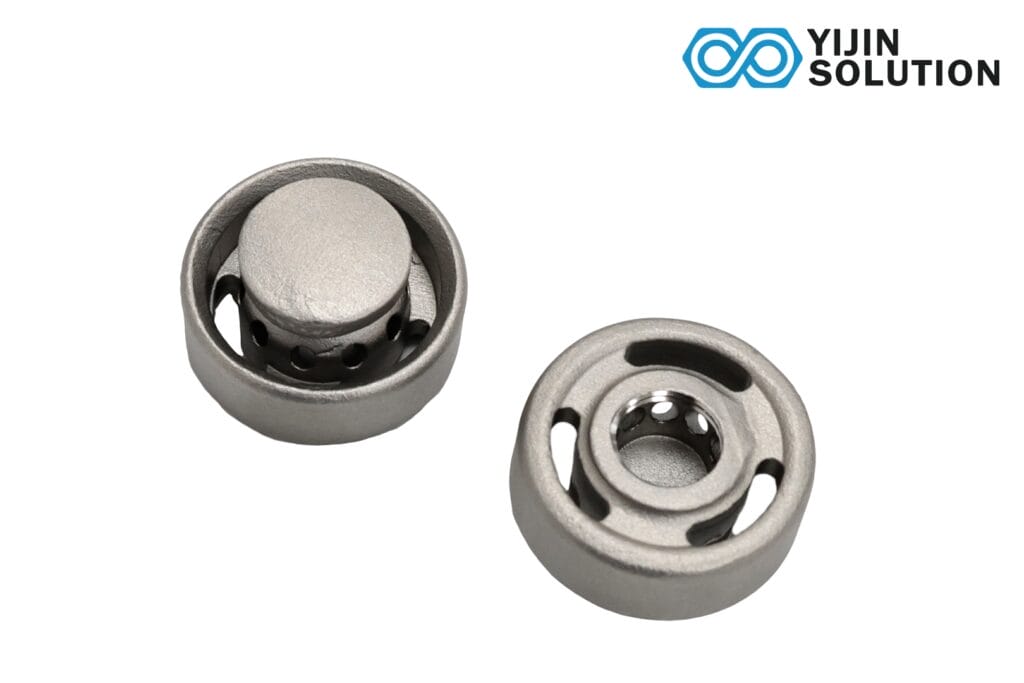
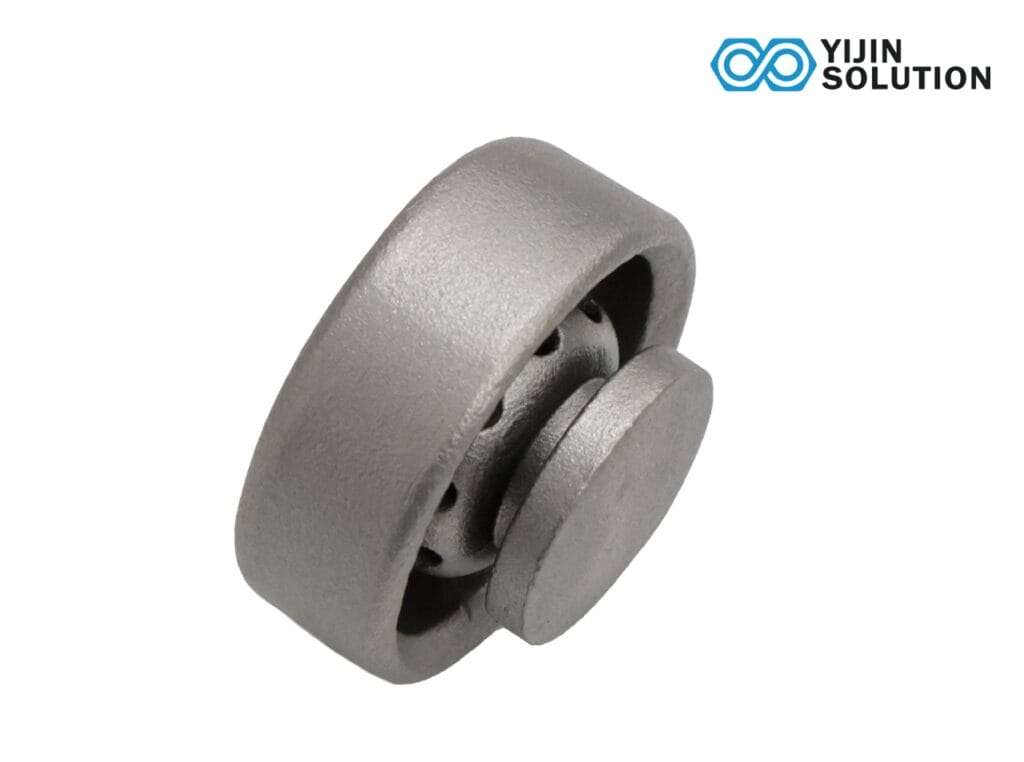
Die Cast Part Gallery

Our Shenzhen facility has produced die castings for clients across automotive, electronics, lighting, and industrial equipment. Each project shown was taken from tooling design and first article inspection through production, finishing, and shipment under our quality management system.

Industries We Serve

New Energy Industry

EV battery tray covers, motor end bells, inverter housings, and charging station enclosures in aluminum A380 and A356. Heat-treatable alloys available for structural battery components.

Lighting Industry

LED housings, street lamp heads, and architectural luminaire bodies in thin-wall aluminum A413 with powder coat or anodized finishes. Designed for heat dissipation and IP65-rated enclosure integration.

Aerospace Industry

Magnesium AZ91D brackets and housings for avionics, drone airframes, and interior components where weight reduction matters. Castings supplied with material certs and traceability.

Automotive Industry

Transmission housings, engine brackets, pulley covers, and structural nodes in A380 aluminum. IATF 16949 production with PPAP Level 3 documentation on request.

Consumer Electronics

Zinc and aluminum enclosures, heat sinks, and connector shells for audio, computing, and smart home devices. Thin-wall zinc die casting down to 0.5 mm with decorative plating options.

Medical Equipment

Housings and structural bodies for diagnostic instruments and surgical carts in aluminum A356. Parts supplied with passivated or painted finishes compatible with clinical cleaning protocols.

Industrial Equipment

Pump casings, gearbox housings, and valve bodies in aluminum A380 and brass C85400. Pressure-tight castings available with vacuum impregnation for hydraulic and pneumatic applications.

Appliances

Motor shells, pump housings, and structural frames for washing machines, HVAC units, and small kitchen appliances. High-volume aluminum and zinc tooling amortized across 100,000-plus unit programs.

Telecommunications

5G antenna housings, base station heat sinks, and fiber optic enclosures in thin-wall aluminum. Cast-in mounting features reduce secondary machining and assembly time.

Why Choose Yijin Solution for Die Casting

We control every step of die casting from tooling design through casting, trimming, CNC finishing, and plating. That vertical integration means shorter lead times, consistent quality across batches, and direct factory pricing without broker markups.

precision and quality
Precision and Quality

CMM, X-ray, spectrometers, and mechanical testers verify every critical batch. Cast features hold ±0.05 mm, machined features hold ±0.02 mm, and First Article Inspection reports are standard on all new programs.

fast turnaround
Fast Turnaround

Tooling in 25 to 35 days, first articles within 3 to 7 days after tool sign-off, and production shipments in 2 to 4 weeks. Hot chamber, cold chamber, machining, and plating operate under one roof without supplier handoffs.

order any size
Order Any Size

From bridge runs of 500 parts to production programs of 500,000 or more per year, every order runs on the same presses and goes through the same inspection standards. Volume doesn't change the quality gates.

prototyping to production
Prototyping to Production

Your prototype castings come out of the same die and the same press as your production parts. No re-qualification, no new vendor onboarding, and no process variation when you scale from pilot to volume.

wide range materials
Multi-Alloy Capability

Aluminum A380, A356, A413, ADC12, zinc Zamak 3 and ZA-27, magnesium AZ91D, and copper-based alloys cast under one roof. Every heat ships with spectrographic analysis and mill certificates.

cost effective
Cost-Effective Tooling

Tooling is priced directly from the factory, with no middleman margins. Before cutting begins, our engineering team reviews your drawing to identify any design changes that could reduce cavity count, cycle time, or per-part cost.
FAQs About Die Casting

Common questions about die casting processes, materials, and our production system.

Alloy selection depends on operating temperature, structural load, weight target, and finish requirements.

Aluminum A380 is the default for most general die casting. It combines good castability, 320 MPa tensile strength, and low cost. A356 is heat-treatable (T6 temper) for higher strength in structural parts. A413 is preferred for thin walls and pressure-tight castings.

Zinc Zamak 3 is the industry standard for small precision parts where surface finish and fine detail matter. Its low melting point enables hot chamber processing with cycle times near 20 seconds. ZA-27 provides higher tensile strength (425 MPa) and bearing performance.

Magnesium AZ91D is specified when weight is critical. At 1.8 g/cm³ density it is 33 percent lighter than aluminum, with good stiffness-to-weight for aerospace and portable electronics housings.

If you are unsure which alloy to specify, our engineering team can recommend the right option during the DFM review based on your part’s load, temperature, and finish requirements.

Hot chamber and cold chamber die casting differ in how molten metal reaches the die and which alloys each can handle.

Hot chamber machines keep the alloy molten inside a crucible built into the press. A gooseneck submerged in the melt injects metal into the die each cycle. This enables short 10 to 30 second cycles, but restricts the process to low-melting alloys that do not corrode the steel gooseneck. Zinc, Zamak, and certain magnesium alloys are cast on hot chamber machines.

Cold chamber machines melt the alloy in a separate furnace. Each cycle, an operator or robot ladles a shot of metal into the cold shot sleeve, which is then pushed into the die under pressures of 70 to 175 MPa. The extra transfer step makes cycle times longer (30 to 90 seconds), but it allows higher-melting alloys like aluminum and brass that would attack a hot chamber gooseneck.

Aluminum die casting is always cold chamber. Zinc and magnesium can run on either, depending on part size and production volume.

Yes. Most die castings require at least one secondary operation before they ship.

CNC machining is the most common post-casting step. Features like threaded holes, sealing surfaces, and bearing bores hold ±0.02 mm after machining, compared with ±0.05 mm on as-cast features. Machining datums should be cast into the part during tooling design.

Plating and painting are applied for corrosion and appearance. Powder coating, anodizing (aluminum only), chromate conversion, chrome plating, and wet paint are all available in-house. Powder coat delivers 500 to 1,000 hours of salt spray on aluminum.

Vacuum impregnation is available for pressure-tight castings used in hydraulics, pneumatics, and fluid handling. This process fills microporosity with a sealant cured inside the part.

Decide on finish requirements during the DFM review. Some finishes need dedicated jigging points or non-cosmetic witness areas that are cheaper to design into the tool than to add later.

Die casting alloys fall into four main families: aluminum, zinc, magnesium, and copper-based.

Aluminum alloys make up the bulk of die casting production. A380 is the workhorse for general parts. A356 and A357 are heat-treatable for structural applications. ADC12 is the Japanese equivalent widely used in automotive. A413 is a fluid-casting alloy for thin walls.

Zinc alloys include Zamak 3, Zamak 5, and Zamak 7 for general precision parts, and the ZA series (ZA-8, ZA-12, ZA-27) where higher tensile strength or bearing wear resistance is needed.

Magnesium AZ91D is the most common die-cast magnesium. AM60B and AM50A offer improved ductility for impact-loaded parts such as steering wheel armatures.

Copper-based alloys (brass C85400, aluminum bronze C95400) are typically gravity cast rather than pressure cast, and are specified for plumbing fittings, marine hardware, and decorative architectural parts.

Alloy selection should match the part’s mechanical load, operating environment, finish requirements, and target production volume. Our DFM review can recommend the best alloy for your application before tooling design begins.

We cast parts from 10 g to 15 kg as-cast, across machines ranging from 80 to 3,000 tons of clamping force.

Small parts under 100 g, such as connector housings and precision hardware, run on hot chamber zinc presses (80 to 250 tons). Cycle times are near 20 seconds, which makes these machines the cost leader for high-volume small parts.

Mid-size parts from 100 g to 5 kg, including automotive brackets, appliance housings, and electronics enclosures, run on 400 to 1,200 ton cold chamber aluminum presses. This is where most production programs land.

Large structural castings from 5 kg to 15 kg, such as transmission housings and EV battery components, run on 1,600 to 3,000 ton cold chamber machines. Wall thickness and alloy selection become the limiting factors above 10 kg.

Wall thickness drives tonnage requirements. Thin walls need higher fill speeds and pressures, so the press must have adequate projected-area capacity. Specify size, weight, and wall thickness early so we can match the right machine during quoting.

Five design choices drive castability, tool life, and unit cost more than any others.

Wall thickness should be uniform across the part. Target 1.5 to 3 mm for most aluminum castings and 0.8 to 2 mm for zinc. Uneven walls cause differential solidification, which leads to shrinkage porosity and internal voids.

Draft angles are required for ejection. Minimum 1 degree for zinc, 1.5 degrees for aluminum, and 2 to 3 degrees for deep cores or complex geometries. Inadequate draft increases ejection force and shortens tool life.

Fillets and radii relieve stress concentrations at corners. Minimum internal radius 0.5 mm for zinc and 1 mm for aluminum. Sharp inside corners cause hot spots during solidification and crack initiation under load.

Parting line placement determines where flash forms and which surfaces can carry cosmetic finishes. Put the parting line on non-functional surfaces and away from sealing faces or cosmetic A-surfaces.

Gate and runner design control how molten metal fills the die. These are engineered during tool design, not by the part designer, but part geometry influences how many gates are needed and where they can go.

Our DFM review covers all five of these points before tool cutting begins.

Die casting dimensional accuracy depends on feature location, alloy, and whether the part is post-machined.

As-cast features on the same side of the parting line hold ±0.05 mm on dimensions up to 25 mm, and ±0.1 mm on larger dimensions up to 150 mm. These are the tightest as-cast tolerances you can expect without machining.

Cross-parting dimensions, which span the mold split line, add the parting line tolerance to the base tolerance. Expect ±0.15 mm on cross-parting dimensions. The mold fit and flash allowance both contribute.

Machined features replace cast tolerances with machined tolerances: ±0.02 mm on diameters, ±0.05 mm on lengths, and surface finish down to Ra 0.8 micrometer. Features that need tight fits, sealing surfaces, or threaded holes should always be machined.

Threads cast directly into a die casting are rare. Use thread-forming inserts, tap the threads after casting, or design for self-tapping screws. Direct-cast threads are only viable on zinc and only where a Class 2B fit is acceptable.

Flag critical dimensions on your drawing so they can be reviewed for castability or machining allowance before tool cutting. Over-specifying every dimension drives up tool cost without improving part performance.

Die cast parts typically pass through seven process stages between design and shipment.

  1. Tooling Design and Build: H13 or SKD61 tool steel dies with cooling channels, ejectors, and slides. Single-cavity for prototypes and low volumes, multi-cavity for production.

  2. Hot Chamber Casting: Zinc and magnesium parts up to about 2 kg. Cycles near 20 seconds. Lowest per-part cost for small, high-volume precision parts.

  3. Cold Chamber Casting: Aluminum, brass, and higher-melting alloys. Cycles 30 to 90 seconds. Required for most automotive and industrial die castings.

  4. Trimming and Deflashing: Hydraulic trim dies remove sprue and runners. Vibratory deburring removes parting-line flash. Manual deburring for complex geometries.

  5. CNC Machining: Milling and turning for threads, sealing surfaces, and tight-tolerance features. Integrated with casting on the same traveler and quality system.

  6. Surface Finishing: Powder coating, anodizing (aluminum), chromate conversion, electroplating, and wet paint. Applied in-house under the same quality system as casting.

  7. Inspection and Testing: CMM dimensional inspection, X-ray for internal porosity on critical parts, spectrographic alloy verification, and mechanical testing (tensile, hardness, salt spray) where specified.

A full-service die casting partner combines these seven stages under one roof, which removes the coordination overhead of managing separate tool shops, casting houses, machine shops, and platers.

Die Casting Guides

types of mechanical threads

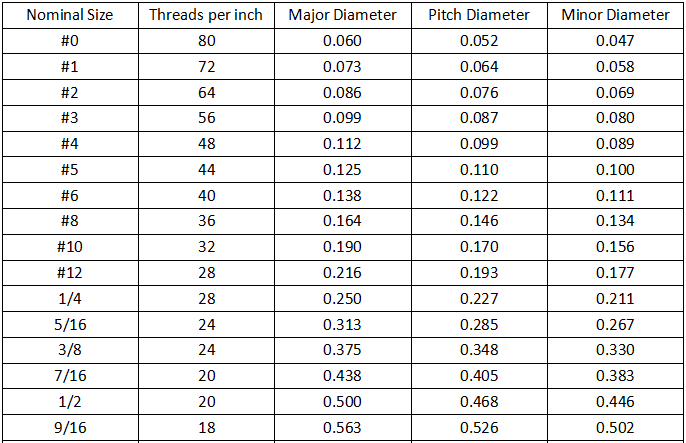
Types of Mechanical Threads

Threads are basically helical ridges that get machined onto cylindrical or conical surfaces. They’re pretty ingenious – they convert rotational
🡕

Start today. Get parts made fast.

Custom CNC machined parts to your exact specifications, with reduced lead times

en_USEN

Upload your 2D drawings and at least one 3D CAD file for a faster, more accurate quote. If you have multiple files, please compress them into a .zip or .rar. Prefer email? Send your RFQ to [email protected]. [email protected].

Click or drag files to this area to upload.You can upload up to 15 files.
Checkboxes