


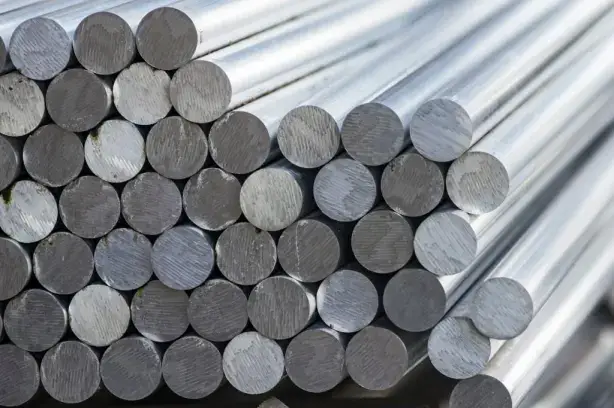
NITRONIC 60 Alloy CNC Machining: Complete Guide
What is NITRONIC 60 Alloy?
NITRONIC 60 (UNS S21800) is a nitrogen-strengthened austenitic stainless steel with exceptional strength, wear resistance, and high-temperature performance. It offers twice the yield strength of 304 stainless steel while maintaining excellent corrosion resistance.
NITRONIC 60 Material Properties
NITRONIC 60 (UNS S21800) combines the best characteristics of austenitic stainless steels with enhanced performance:
Chemical Composition
- Chromium: 16-18% (corrosion resistance)
- Nickel: 8-9% (ductility and toughness)
- Manganese: 7-9% (work hardening resistance)
- Silicon: 3.5-4.5% (wear resistance)
- Nitrogen: 0.08-0.18% (strength enhancement)
Key Performance Characteristics
| Property | NITRONIC 60 | 304 SS | 316 SS |
|---|---|---|---|
| Yield Strength (MPa) | 379-590 | 205-310 | 205-310 |
| Ultimate Tensile (MPa) | 758-965 | 515-620 | 515-620 |
| Hardness (HB) | 170-255 | 70-180 | 70-180 |
| Service Temperature | Up to 1000°C | Up to 925°C | Up to 925°C |
Where is NITRONIC 60 Used? Key Industries and Applications
Aerospace Industry
- Landing Gear Components: Superior wear resistance prevents galling in high-load pivot points
- Aircraft Fasteners: 2x stronger than 304 SS, maintains integrity at altitude temperature extremes
- Control Cable Springs: Excellent fatigue resistance in constant-flex applications
- Turbine Engine Parts: Withstands temperatures up to 1000°C in hot sections
Marine Applications
- Propeller Shafts: Exceptional cavitation resistance in seawater environments
- Pump Impellers: Silicon content prevents wear from abrasive particles
- Valve Stems: Galling resistance critical for reliable operation under pressure
- Fasteners in Saltwater: Corrosion resistance exceeds 316 SS in chloride environments
Chemical Processing
- Reactor Vessel Internals: High-temperature strength maintains structural integrity
- Heat Exchanger Tubes: Thermal cycling resistance prevents stress cracking
- Mixing Equipment: Wear resistance extends service life in abrasive slurries
- Valve Components: Chemical compatibility with aggressive media
Oil & Gas Industry
- Downhole Tools: High strength-to-weight ratio reduces drilling string weight
- Wellhead Components: Sour gas resistance (H2S environments)
- Pump Rods: Fatigue resistance in cyclic loading applications
- Pipeline Fittings: Superior pitting resistance in chloride-containing fluids
Food Processing Equipment
- Cutting Blades: Maintains sharp edge longer than standard stainless grades
- Conveyor Systems: Wear resistance reduces maintenance in high-volume operations
- Mixing Equipment: FDA-compliant with superior durability
- Pump Components: Handles abrasive food particles without degradation
Why Choose NITRONIC 60?
When standard stainless steels fail due to wear, galling, or high-temperature exposure, NITRONIC 60 provides the solution. It’s particularly valuable in aerospace machining applications where component reliability is critical.
CNC Machining Process Guide
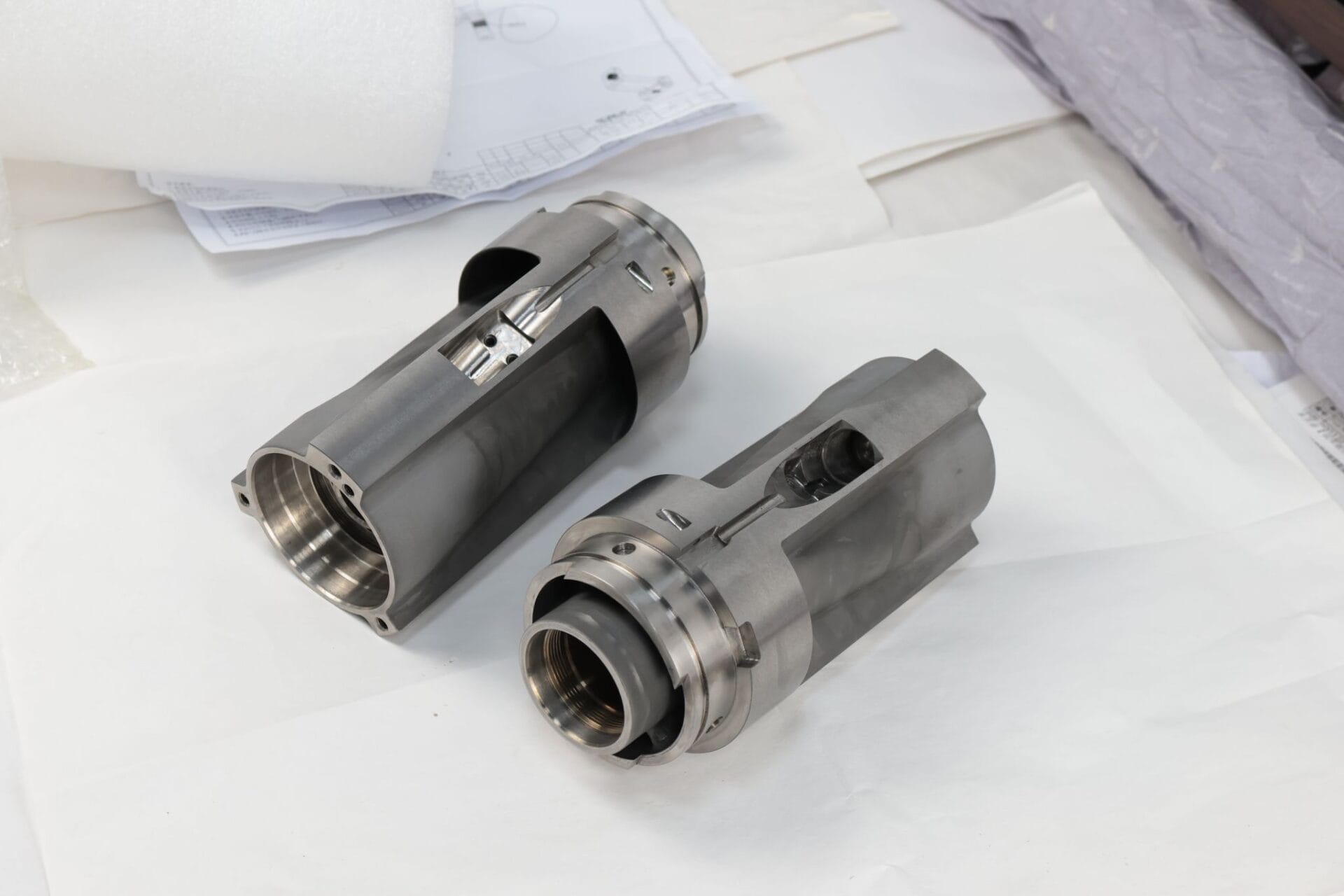
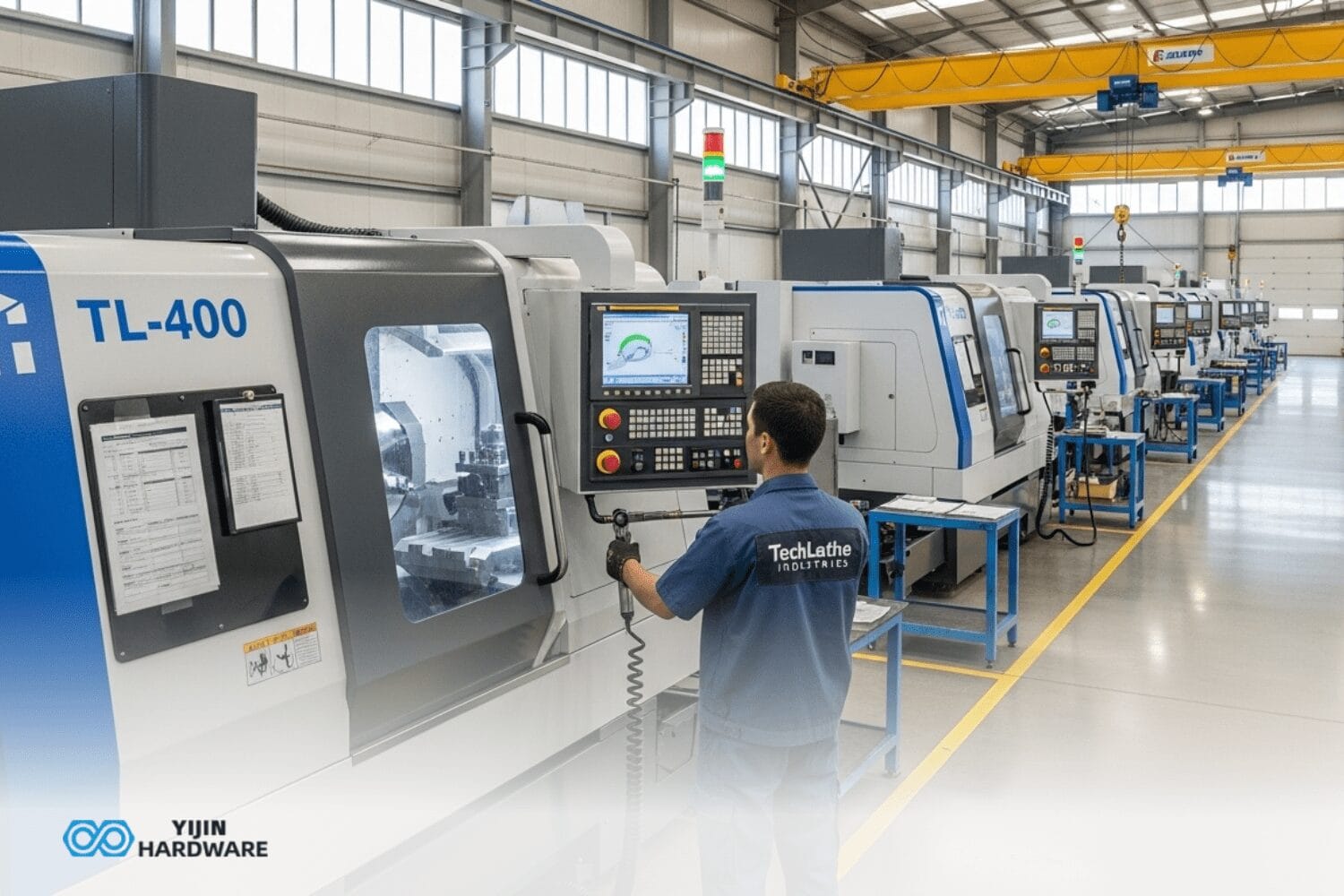
This guide walks you step-by-step through the entire CNC Machining workflow—from initial material checks and fixturing to the precise selection of tools and cutting parameters—so you can achieve consistent, high-quality results on every part.
Pre-Machining Setup
Material Verification Checklist:
- Verify chemical composition per ASTM A276
- Confirm hardness range (HB 170-255)
- Check AMS 5848 compliance for aerospace applications
- Inspect for surface defects or inclusions
Workholding Strategy:
- Use rigid fixtures to minimize vibration
- Avoid over-clamping (prevents work hardening)
- Consider vacuum chucks for thin-wall components
- Implement elastic fixturing for delicate geometries
Tool Selection and Cutting Parameters
- Roughing: Coated cemented carbides (such as TiAlN-coated) or SiAlON ceramic tools are recommended, which can withstand high temperatures and reduce friction.
- Finishing: PCBN tools are suitable for high-precision surfaces (Ra ≤ 0.8μm). The cutting edge radius should be controlled between 0.02-0.1mm to avoid edge chipping.
Cutting Parameter Examples
- Roughing: Cutting speed 15-30 m/min, feed rate 0.2-0.4 mm/rev, cutting depth 2-5 mm.
- Finishing: Cutting speed 35-55 m/min, feed rate 0.05-0.1 mm/rev, cutting depth 0.2-1 mm.
Drilling Parameter Examples
- 1/4″ diameter hole: Feed rate 0.004 mm/rev, cutting speed 60 m/min.
- 1/2″ diameter hole: Feed rate 0.007 mm/rev, cutting speed 60 m/min.
Milling Parameter Examples
- Side milling roughing: Cutting speed 125 SFM, feed per tooth 0.007″, cutting depth 0.25″.
- Slot milling finishing: Cutting speed 140 SFM, feed per tooth 0.009″, cutting depth 0.05″.
Cooling and Lubrication Strategies
- Cutting Fluid Selection: Emulsions or synthetic cutting fluids containing extreme pressure (EP) additives are adopted to reduce cutting temperature and minimize tool wear. MQL (Minimum Quantity Lubrication) performs excellently in turning, which can reduce cutting forces and extend tool life.
- Cooling Methods: High-pressure cooling (≥ 7 MPa) is preferred to directly flush the cutting area and prevent chip adhesion.
Heat Treatment and Post-Treatment
- Solution Annealing: Heat at 1035-1149°C, hold, and then water quench to optimize material ductility.
- Surface Treatment: Pickling or shot blasting to remove scale and improve corrosion resistance. For components with high wear resistance requirements, nitriding treatment (such as salt bath nitriding) can be performed.
Troubleshooting Common Issues
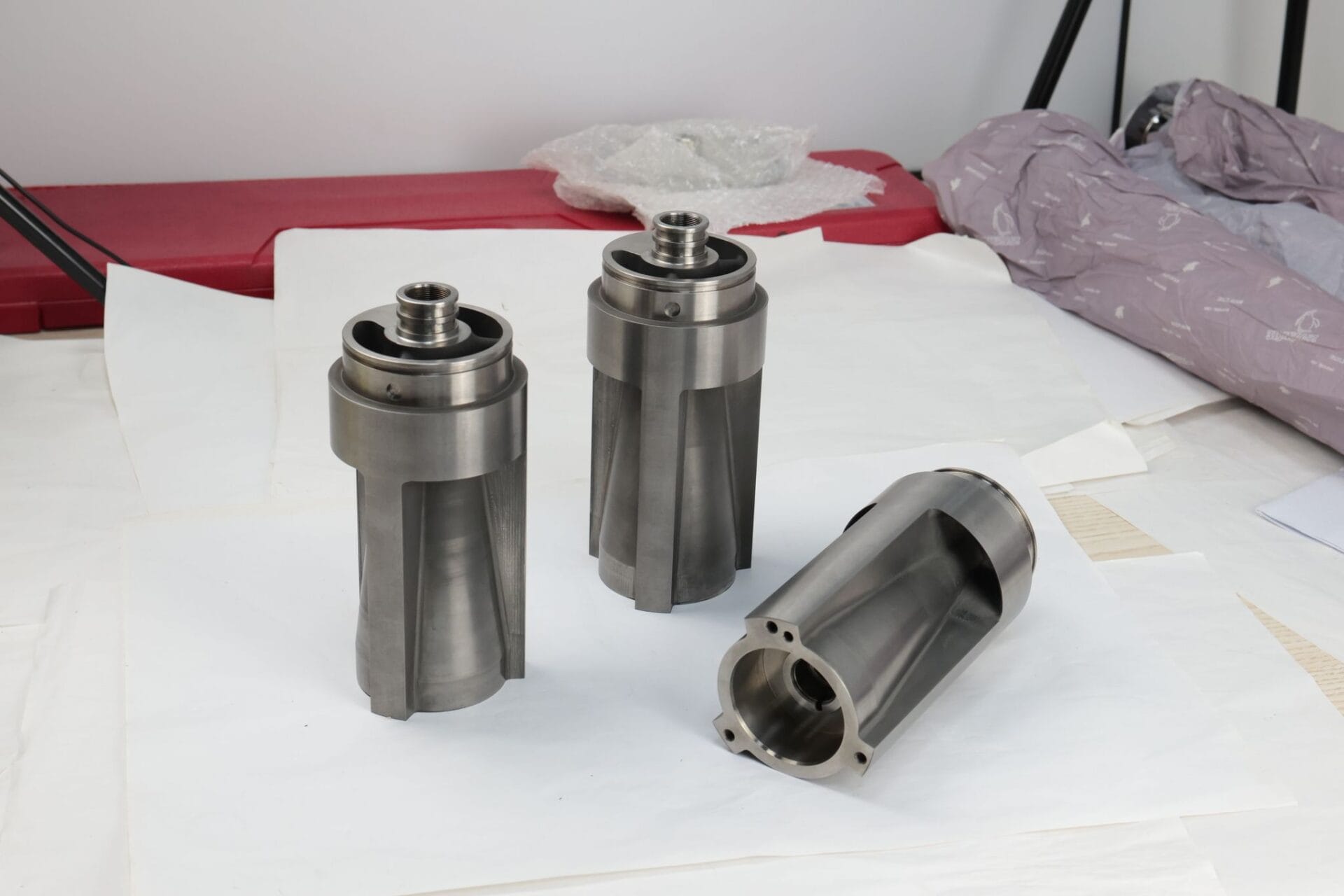
Effective troubleshooting requires systematic quality control approaches to identify and resolve machining challenges with NITRONIC 60 alloy.
Work Hardening Problems
Symptoms: Rapid tool wear, increased cutting forces, poor surface finish
Solutions:
- Maintain constant feed rates
- Use sharp tools with positive rake angles
- Implement climb milling where possible
- Consider precision CNC machining techniques
Tool Wear Issues
Symptoms: Built-up edge, crater wear, chipping
Solutions:
- Optimize cutting speed/feed balance
- Improve coolant delivery
- Select appropriate tool geometry
- Consider ceramic or PCBN tools for finishing
Surface Quality Problems
Symptoms: Poor finish, work hardening marks, dimensional inaccuracy
Solutions:
- Reduce feed rates for finishing passes
- Ensure proper tool sharpness
- Optimize coolant flow
- Review surface finishes in CNC machining
Reference Data from Actual Measurements
The following are actual measurement data under different processing conditions (based on public research and industry practices):
Tool Life Comparison
| Tool Type | Cutting Speed (m/min) | Feed (mm/rev) | Cutter Life (minute) | Wear Form |
|---|---|---|---|---|
| Coated Cemented Carbide | 25 | 0.3 | 45 | Rear tool face wear |
| SiAlON Ceramic | 50 | 0.2 | 90 | Slight diffusion wear |
| PCBN | 70 | 0.1 | 120 | Slight chipping at cutting edge |
Surface Roughness Comparison
| Processing Method | Combination of Cutting Parameters | Surface Roughness (Ra, μm) |
|---|---|---|
| Turning (Precision) | 55 m/min, 0.08 mm/rev, 0.5 mm depth | 0.6 |
| Milling (Side Milling) | 140 SFM, 0.009″/tooth, 0.05″ depth | 1.2 |
| Ablation | Grinding wheel grit size 180#, feed rate 0.05 mm/rev | 0.2 |
Cutting Force and Temperature Comparison
| Cooling Type | Cutting Speed (m/min) | Main Cutting Force (N) | Cutting Zone Temperature (°C) |
|---|---|---|---|
| Dry Cutting | 20 | 1200 | 850 |
| Wet Cutting | 20 | 950 | 680 |
| MQL | 20 | 820 | 550 |
Work Hardening Degree Comparison
| Machining Parameter | Hardened Layer Depth (μm) | Surface Hardness (HV) |
|---|---|---|
| Rough Turning (Large Feed) | 200 | 380 |
| Precision Turning (Small Feed Rate) | 80 | 320 |
| Ablation | 30 | 300 |
Advanced Machining Techniques
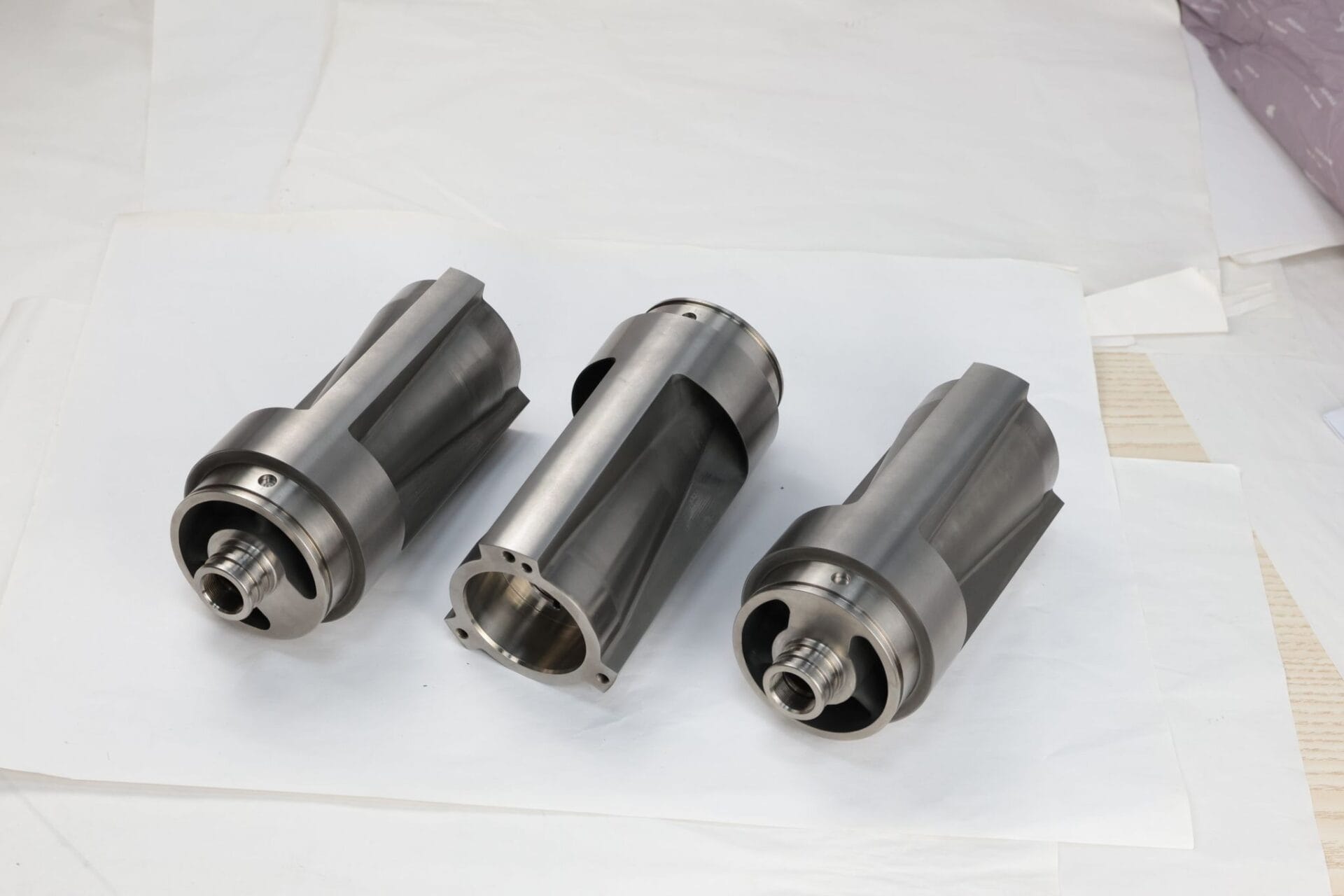
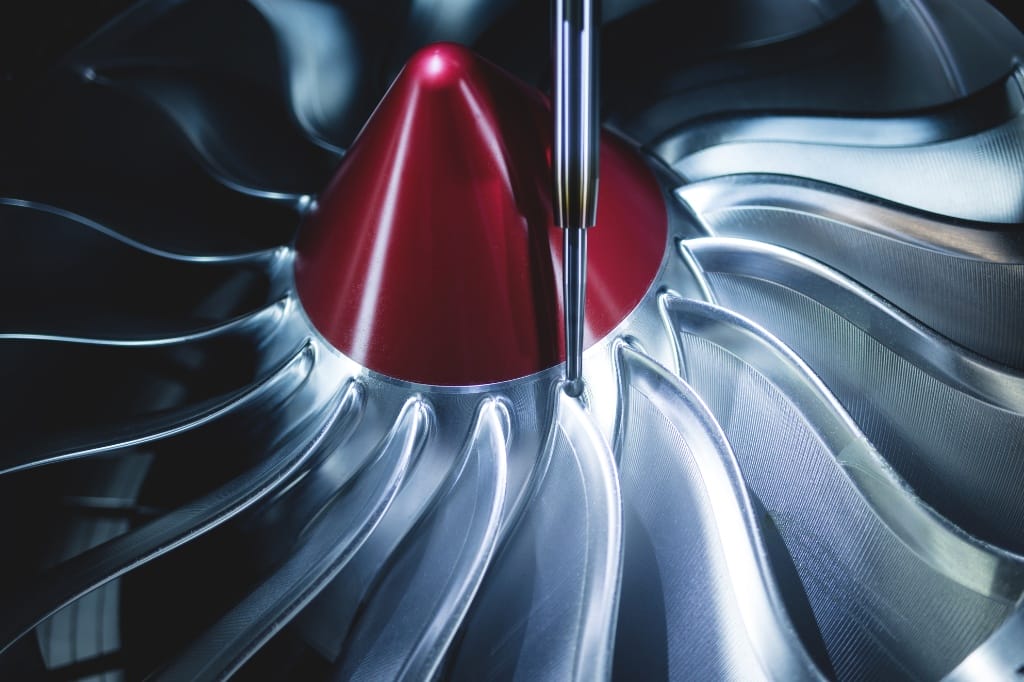
By leveraging advanced techniques and specialized approaches, NITRONIC 60 machining can achieve superior results through optimized processes and cutting-edge technology.
High-Speed Machining (HSM)
For complex geometries, HSM parameters can improve productivity:
- Spindle Speed: 8,000-15,000 RPM for small tools
- Axial Depth: 0.010-0.030″ maximum
- Radial Width: 0.005-0.015″ stepover
- Feed Rates: Up to 200 IPM with proper tooling
5-Axis Machining Considerations
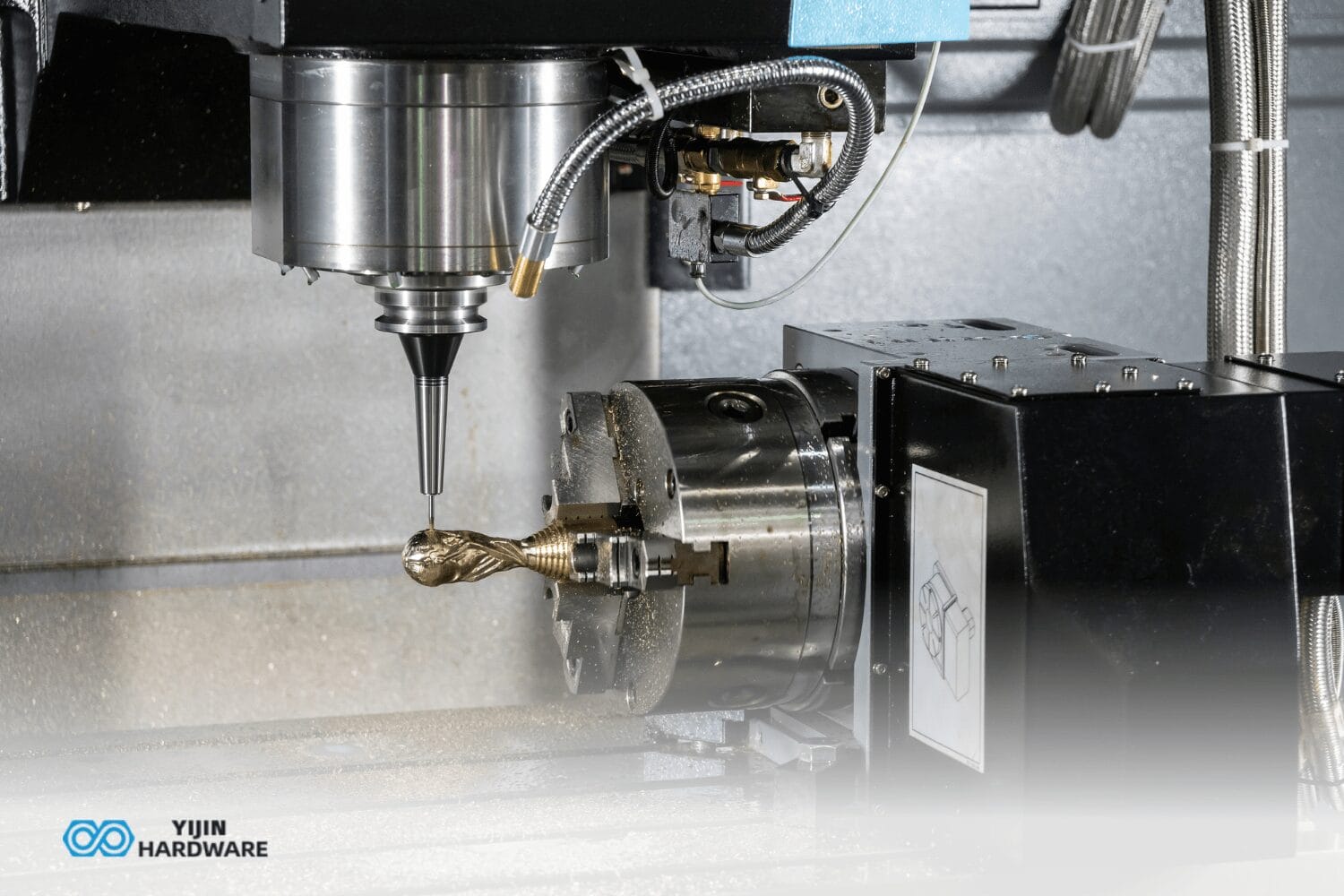
NITRONIC 60’s work hardening makes 4-axis CNC machining and 5-axis CNC machining particularly beneficial:
- Continuous cutting reduces work hardening
- Better tool access reduces setup time
- Single-setup capability improves accuracy
Key Precautions
- Control of Work Hardening: Avoid continuous cutting. Adopt segmented cutting or vibration cutting technology to reduce the depth of the hardened layer.
- Tool Path Optimization: Set arc entry/exit in CAM programming to reduce the impact between the tool and the workpiece, especially suitable for complex contour machining.
- Quality Inspection: Use optical microscopes or electron microscopes to detect surface defects, and evaluate the degree of work hardening through hardness testing (such as HV).
Frequently Asked Questions
What makes NITRONIC 60 different from other stainless steels?
NITRONIC 60 contains 3.5-4.5% silicon and 7-9% manganese, creating superior wear resistance and galling protection compared to standard grades like 316 stainless steel. Its nitrogen strengthening provides yield strengths of 379-590 MPa.
Can you CNC machine NITRONIC 60?
Yes, but NITRONIC 60 requires specialized techniques due to work hardening tendencies. Use coated carbide tools, maintain consistent feed rates, and employ high-pressure cooling for optimal results. Learn more about stainless steel machining best practices.
What cutting speeds work best for NITRONIC 60?
- Roughing: 15-30 m/min with 0.2-0.4 mm/rev feed
- Finishing: 35-55 m/min with 0.05-0.1 mm/rev feed
- Drilling: 60 m/min with diameter-specific feeds
How much does NITRONIC 60 machining cost?
NITRONIC 60 machining costs 40-60% more than standard 304 stainless steel due to specialized tooling requirements, longer cycle times, and increased tool wear. Material costs are typically 3-4x higher than 304.
Back to top: NITRONIC 60 Alloy CNC Machining Process




 EN
EN  ES
ES  RU
RU  DE
DE  FR
FR