Plastic CNC Machining Service | CNC Plastic Parts Manufacturer
YIJIN Hardware offers high-quality plastic machining services for a variety of industries, ensuring precision in every component. Our advanced CNC milling and laser cutting technologies enable us to work with plastics such as acrylic, HDPE, and POM, creating custom parts to meet your needs.
- ⬤Service
- ⬤Your Details
- ⬤Submit


What is CNC Machining Plastic Parts?
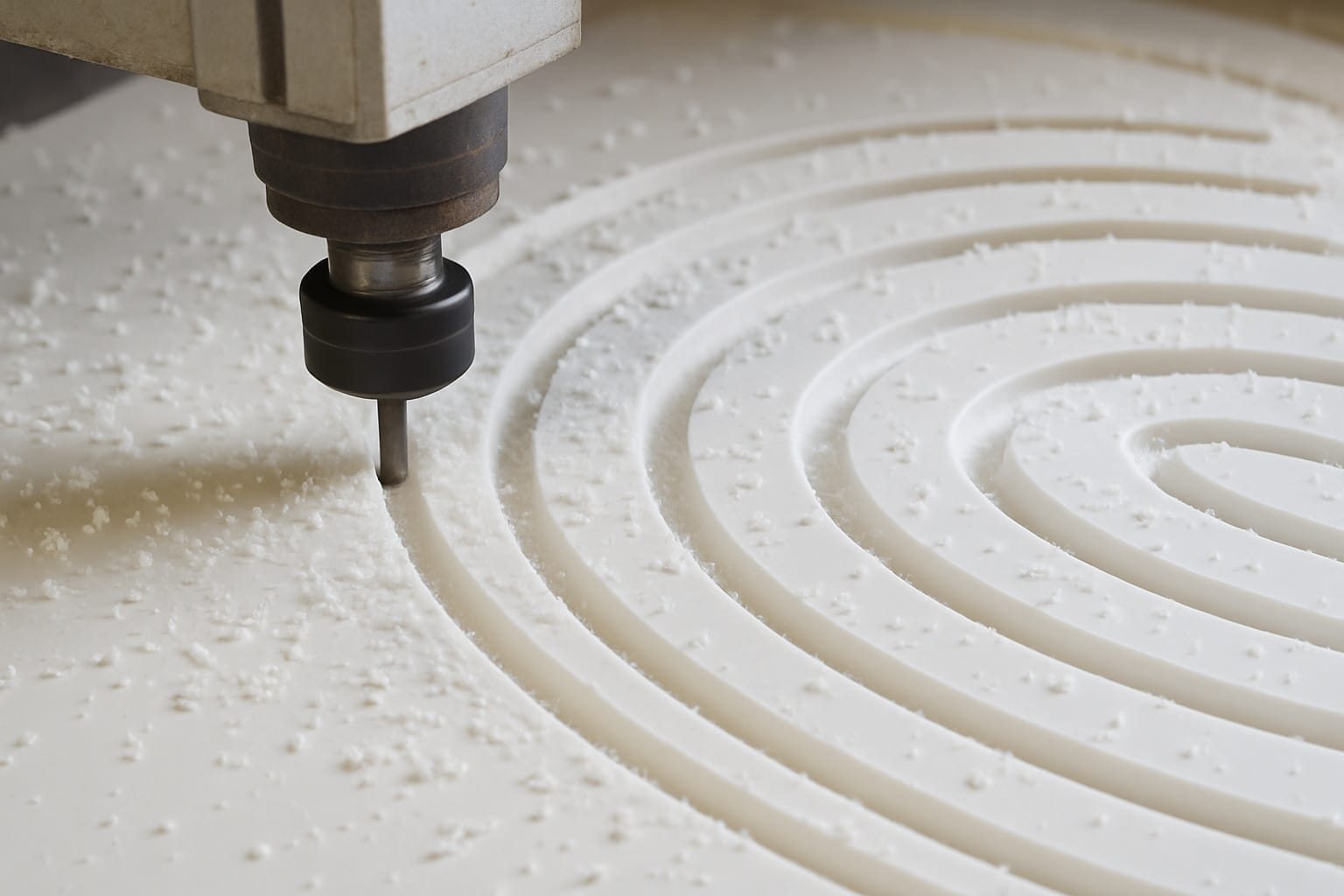
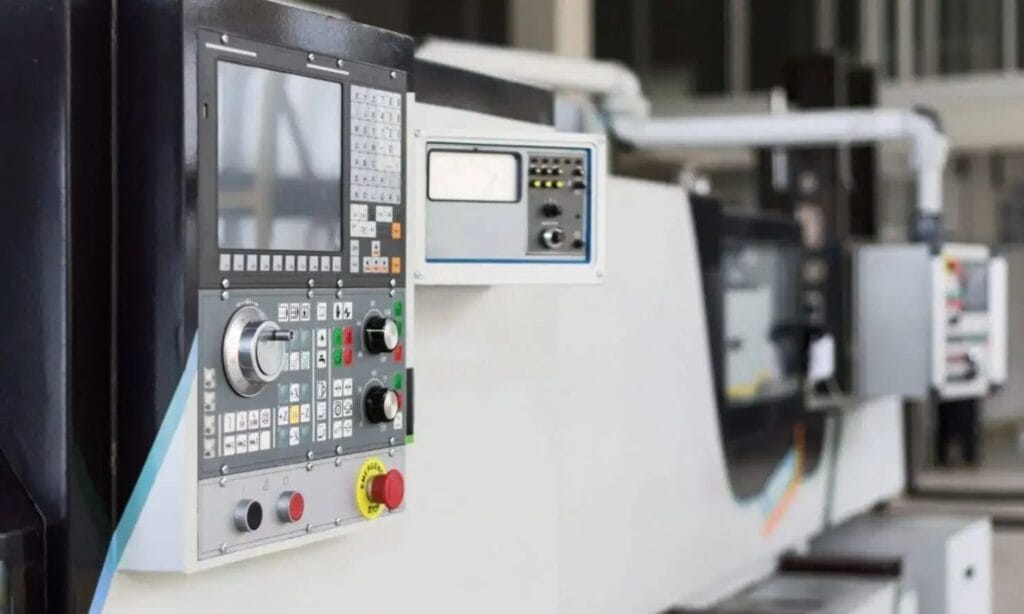
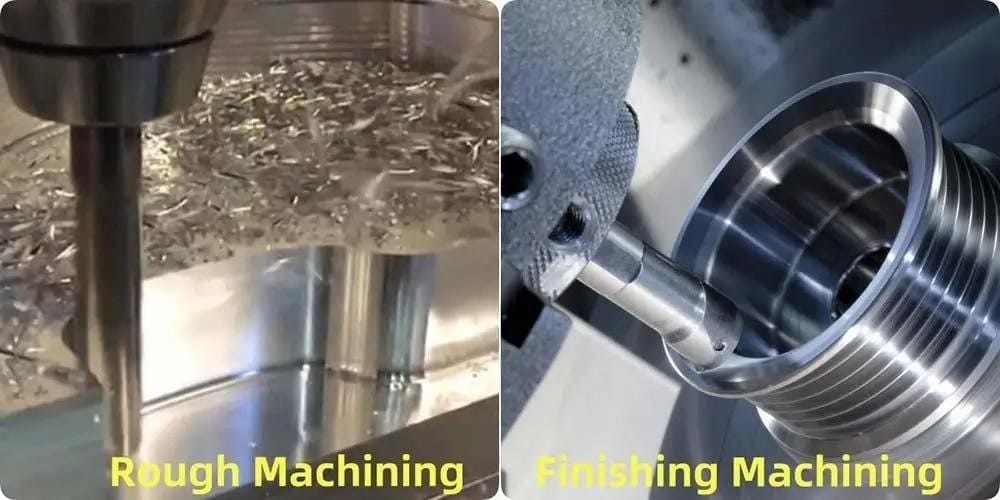
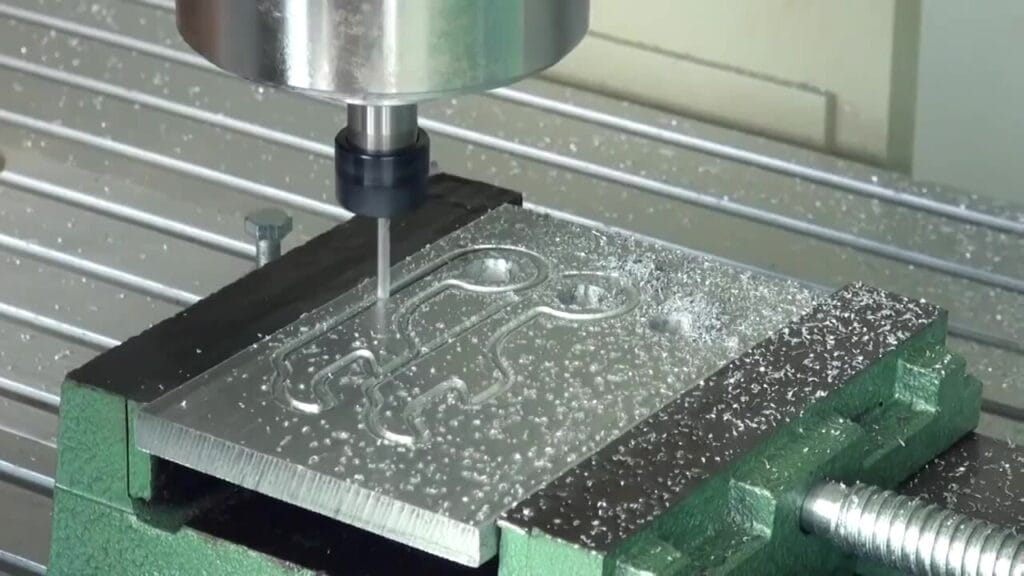
CNC machining of plastic parts involves using computer-controlled machines to shape and finish plastic materials with high precision. This process is essential for producing custom plastic components in industries such as automotive, aerospace, medical devices, and consumer products. CNC machining solutions, including CNC milling service, CNC turning service, and drilling, allow for the creation of complex designs and intricate details in plastic parts, ensuring they meet specific performance and design requirements.

Types of Plastics We Commonly Manufacture
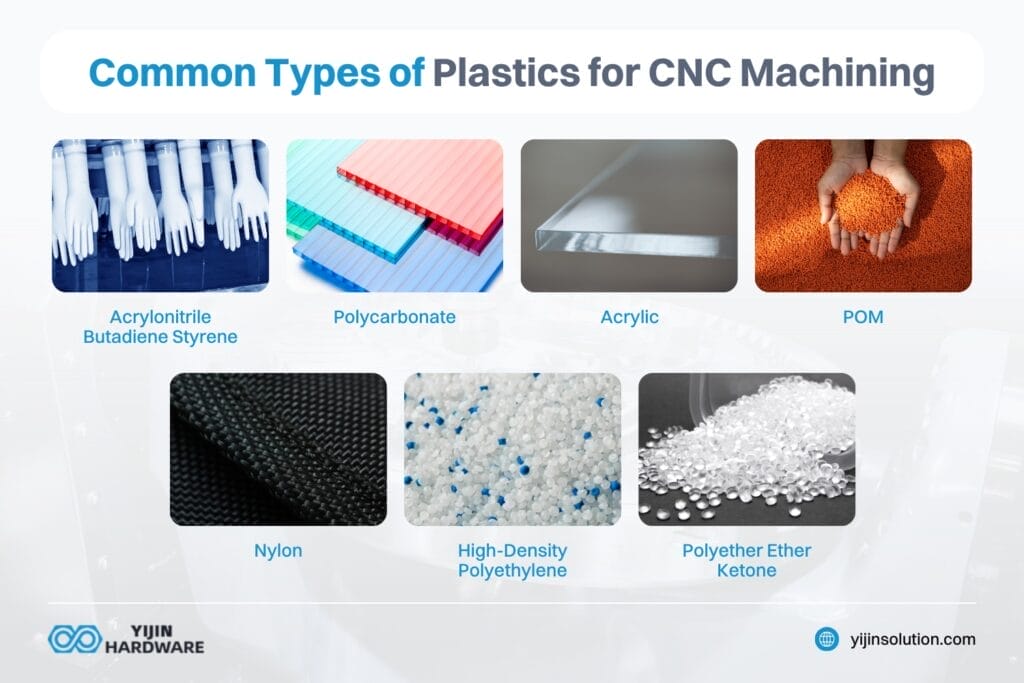
There are many types of plastic parts, such as: PP, POM, Nylon, PMMA, ABS, Teflon, PEEK, PC, PVC, etc.
| Type of Plastic | Common Name | Key Characteristics | Typical Applications |
|---|---|---|---|
| ABS | Acrylonitrile Butadiene Styrene | Good mechanical properties, impact strength, and easy to machine | Electronic housings, automotive components |
| Acetal | POM (Delrin) | High stiffness, excellent frictional characteristics, and good thermal stability | Precision gears, bearings, bushings |
| HDPE | High-Density Polyethylene | Excellent chemical resistance, lightweight, good impact strength | Food processing equipment, chemical tanks |
| Type of Plastic | Common Name | Key Characteristics | Typical Applications |
|---|---|---|---|
| ABS | Acrylonitrile Butadiene Styrene | Good mechanical properties, impact strength, and easy to machine | Electronic housings, automotive components |
| Acetal | POM (Delrin) | High stiffness, excellent frictional characteristics, and good thermal stability | Precision gears, bearings, bushings |
| HDPE | High-Density Polyethylene | Excellent chemical resistance, lightweight, good impact strength | Food processing equipment, chemical tanks |
| Nylon | Polyamide | Strong, durable, and resistant to abrasion; good for mechanical parts | Wear plates, gears, structural components |
| PMMA | Acrylic | Strong thermoplastic, optical clarity, UV resistant | Displays, lenses, light guides |
| PEEK | Polyether Ether Ketone | High-performance thermoplastic with excellent mechanical and thermal properties | Medical device components, aerospace parts |
| Polycarbonate | PC | High impact resistance, can be transparent; suitable for demanding applications | Safety shields, electronic housings |
| PVC | Polyvinyl Chloride | Versatile, good chemical resistance; used in a variety of applications | Chemical processing parts, industrial fixtures |
| UHMW-PE | Ultra-High Molecular Weight Polyethylene | Extremely wear resistant, low friction, high impact strength | Wear strips, cutting boards, chute liners |
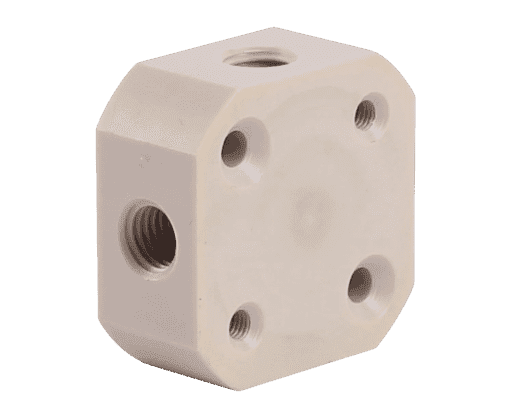
What Are The Common Surface Treatments Of CNC Machining Plastic Parts?
In order to make the plastic parts look more beautiful and textured, the products are usually surface treated.
The common surface treatments of plastic machining are: Frosting, spraying, silk screen printing, pad printing, thermal transfer printing, water transfer printing, laser engraving, electrophoresis (water electroplating), vacuum coating, bite pattern (etching, skin texture) for plastic abrasives.
Electroplating and painting are common processing techniques for surface treatment of plastic parts.
YIJIN Hardware has more than 20 years of experience in the production of plastic products, no matter what kind of personalized design you have, YIJIN Hardware will provide you with one-stop custom machining service.
Applications of CNC Machined Plastic Parts
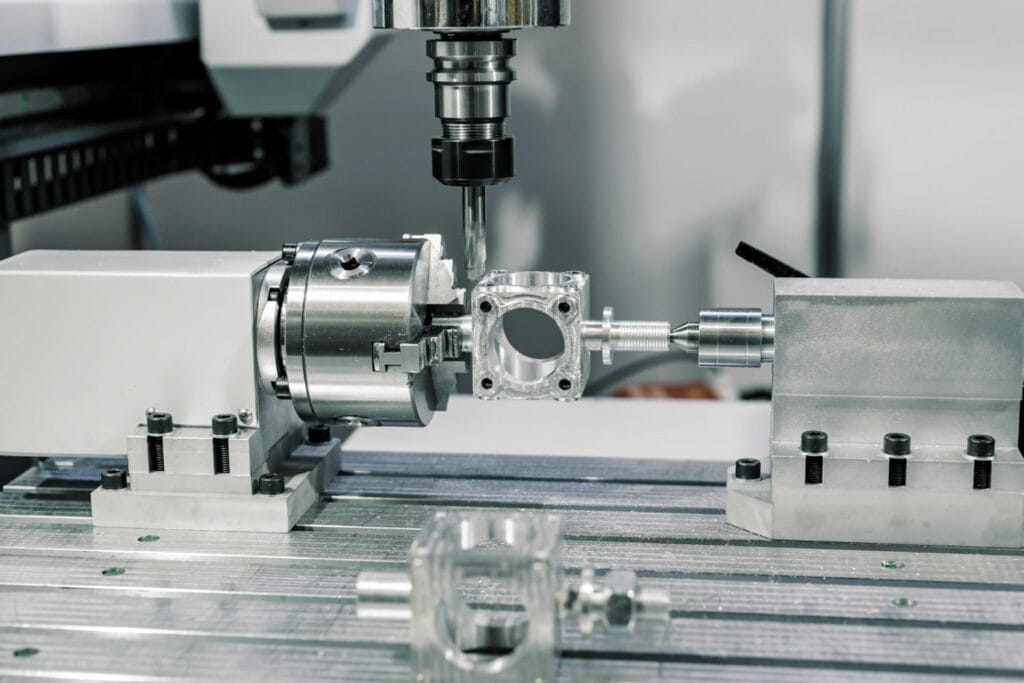
- CNC Milling: CNC (Computer Numerical Control) milling is a common method for machining plastics. It allows for high precision and repeatability, making it suitable for complex shapes and detailed designs.
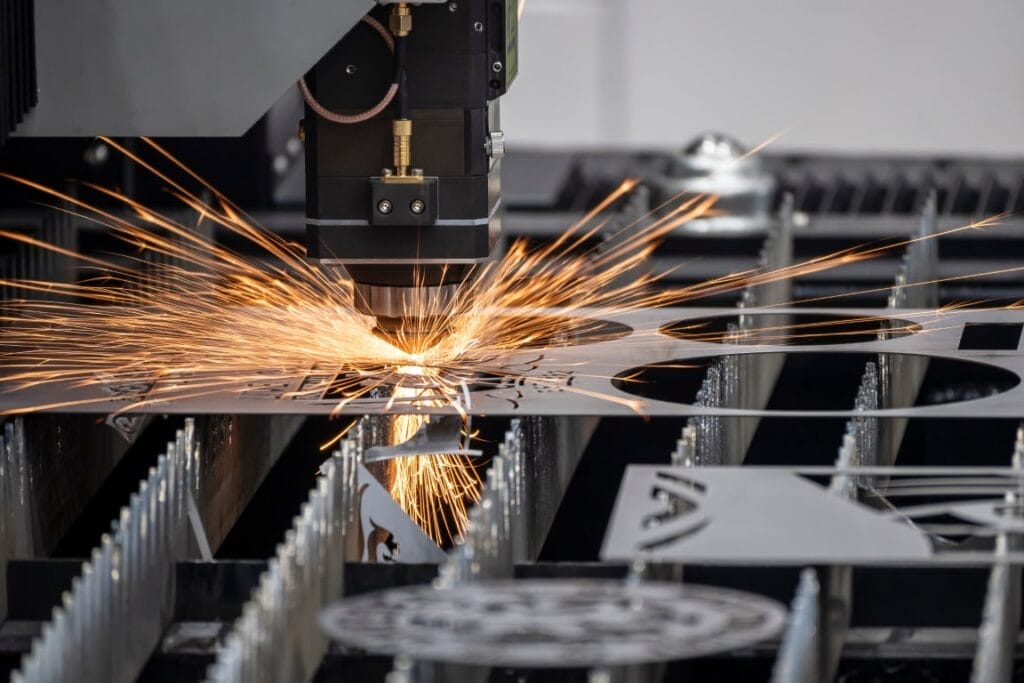
- Laser Cutting: Laser cutting is often used for acrylic and other plastics, especially for intricate designs. It provides clean edges and can handle various thicknesses, although care must be taken to avoid melting.
- 3D Printing: While not traditional machining, 3D printing is increasingly used for creating plastic parts. It allows for complex geometries and rapid prototyping, although it may not achieve the same mechanical properties as CNC machined parts.
- Waterjet Cutting: Waterjet cutting is another method that can be used for plastics. It uses high-pressure water to cut through materials without generating heat, which can be beneficial for heat-sensitive plastics.
Advanced Machining Capabilities
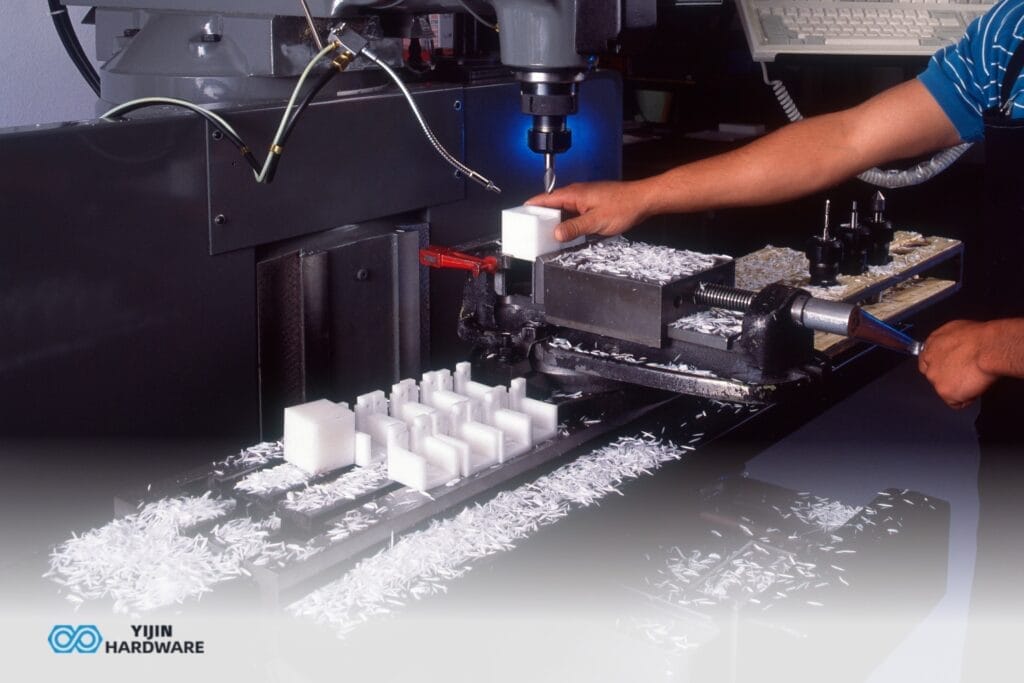
Our facility features advanced 5-axis CNC machining centers that allow us to produce complex plastic components with undercuts, compound angles, and contoured surfaces in a single setup. This reduces handling, improves accuracy, and ensures consistent quality across production runs.
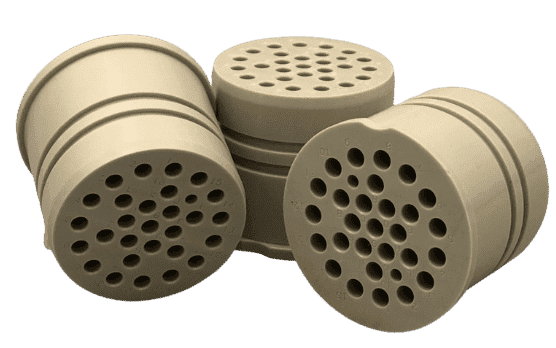
We also utilize precision CNC turning for cylindrical plastic components, achieving exceptional tolerances for parts like bushings, spacers, and precision fittings.
Surface Finish Options
We offer various surface finishes for plastic machined parts:
- Polished Finish: High gloss, mirror-like appearance for optical clarity or aesthetic appeal
- Matte/Brushed Finish: Brushed surface texture for reduced glare and fingerprint visibility
- Textured Finish: Patterns for improved grip or aesthetic purposes
- Bead Blasted: Uniform satin appearance with good light diffusion
- Painted/Coated: Custom colors and protective coatings for UV resistance or wear protection
Best CNC Machined Parts Manufacturer and Factory in China.
Offer Fast and Cost-Effective One-Stop CNC Machining Services.
Free Machined Parts Design to Your Projects with Fast Turnaround Times.
Material Selection Guide for Plastic Machining
Selecting the right plastic material for your CNC machined parts is crucial for optimal performance. Consider these factors:
- Mechanical Requirements: Will the part bear loads, require stiffness, or need impact resistance?
- Thermal Conditions: What temperatures will the part experience during operation?
- Chemical Exposure: Will the part come into contact with chemicals, oils, or solvents?
- Regulatory Compliance: Does the application require FDA, USP, or other certifications?
- Cost Considerations: Balance performance requirements with budget constraints
Our engineering team can help you select the optimal plastic material for your specific application needs. For complex applications, we recommend custom plastic parts consultation to ensure the best material choice.
Applications of CNC Machined Plastic Parts
The CNC machining plastic parts have a wide range of applications, involving almost all industries, such as home appliances (most of the casings of home appliances are plastic products), toys, mobile phone casings, computer casings, auto parts, daily necessities and so on.
Plastic products can be found everywhere in our lives, which shows that their practicality and best-selling are very large.
Industry-Specific Applications
Medical Industry
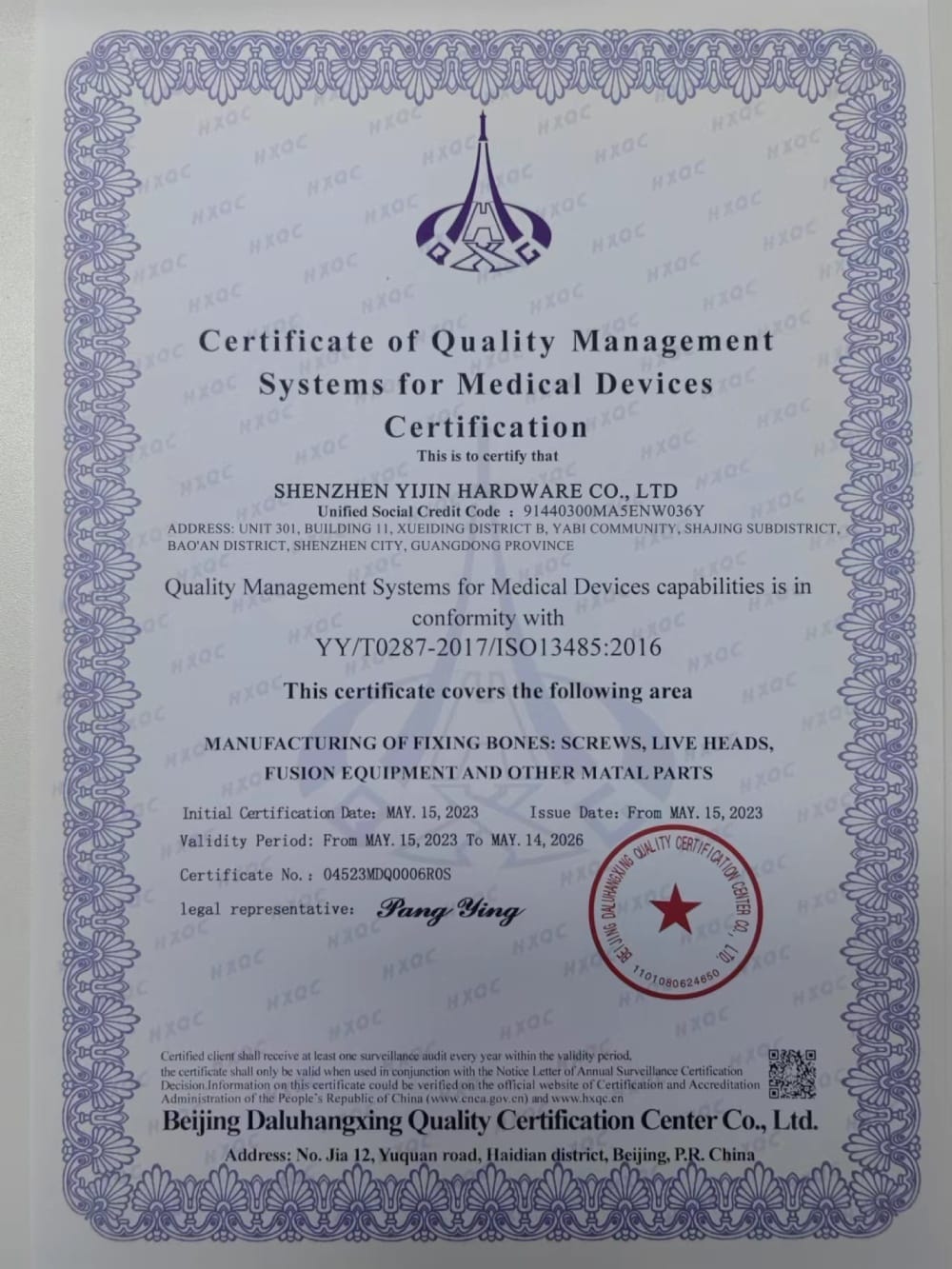
Our medical device machining services produce biocompatible plastic components for surgical instruments, diagnostic equipment, and implantable devices. We maintain strict quality controls and can work with medical-grade plastics like PEEK, PPSU, and UHMW-PE.
Automotive Sector
Our automotive plastic components include sensor housings, interior trim pieces, and under-hood components that require precise tolerances and excellent chemical resistance.
Consumer Electronics
We produce high-precision plastic housings, insulating components, and interface elements for consumer electronic devices, maintaining tight tolerances and excellent surface finishes.
Aerospace Applications
For aerospace applications, we machine high-performance plastics like PEEK and PEI that offer exceptional strength-to-weight ratios and temperature resistance.

Design Considerations for CNC Plastic Machining
To optimize your plastic parts for CNC machining:
- Wall Thickness: Maintain minimum wall thickness of 0.8mm for rigid plastics and 1.5mm for flexible materials
- Internal Corners: Design with minimum 0.5mm radius on internal corners to accommodate tool geometry
- Deep Pockets: Limit depth-to-width ratios to 4:1 where possible to maintain dimensional accuracy
- Tolerance Specification: Define critical dimensions with appropriate tolerances (±0.1mm is standard, ±0.05mm for precision features)
- Thread Design: Consider using inserts for threaded features in softer plastics
Our engineering team offers free design services to optimize your plastic parts for manufacturability and performance.


FAQs about Plastic Machining Services
What Are the Advantages of Plastic Machining Services?
- Precision: CNC machining offers high accuracy, making it ideal for parts that require tight tolerances.
- Versatility: A wide range of plastics can be machined, making it suitable for various applications across different industries.
- Cost-Effectiveness: For low to medium production runs, plastic machining can be more economical than other manufacturing methods, such as injection molding.
- Customization: Machining services can produce custom parts tailored to specific requirements, which is especially useful for prototyping.
- No Tooling Costs: Unlike injection molding, CNC machining doesn’t require expensive molds, making it ideal for prototypes and small batches.
- Faster Lead Times: Parts can be produced in days rather than weeks, perfect for rapid machining requirements.
What Are The Common Problems Encountered In The CNC Machining Process Of Plastic Products?
1. Plastic Parts Produce Burrs
Plastic parts produce burrs (or flash, overflow, overflow): The occurrence of burrs is caused by the overflow of molten injection molding resin from the parting surface of the mold, which is the worst state in the forming operation.
Especially when the burr is firmly adhered to the parting surface of the mold and the mold is clamped, it will damage the parting surface of the mold.
If the mold is damaged in this way, new burrs will occur in the molded product when reworked. At the same time, it also aggravates the damage of the mold and makes it unusable.
So pay special attention.
- Do not use excessive injection pressure
- Improve clamping force
- Take good care of the mold
- Adjust injection volume, lower temperature
2. Surface Depressions
Surface depressions (or shrinkage pits) of plastic parts: Depressions are the most common surface defects of molded products.
It is a defect formed in the wall thickness part due to the volume change caused by the thermal shrinkage of the molded product.
Depression is a minor defect compared with insufficient forming. Often occurs when the mold cavity is filled with molten resin, but the holding pressure is not sufficient.
3. Heat Damage During Machining
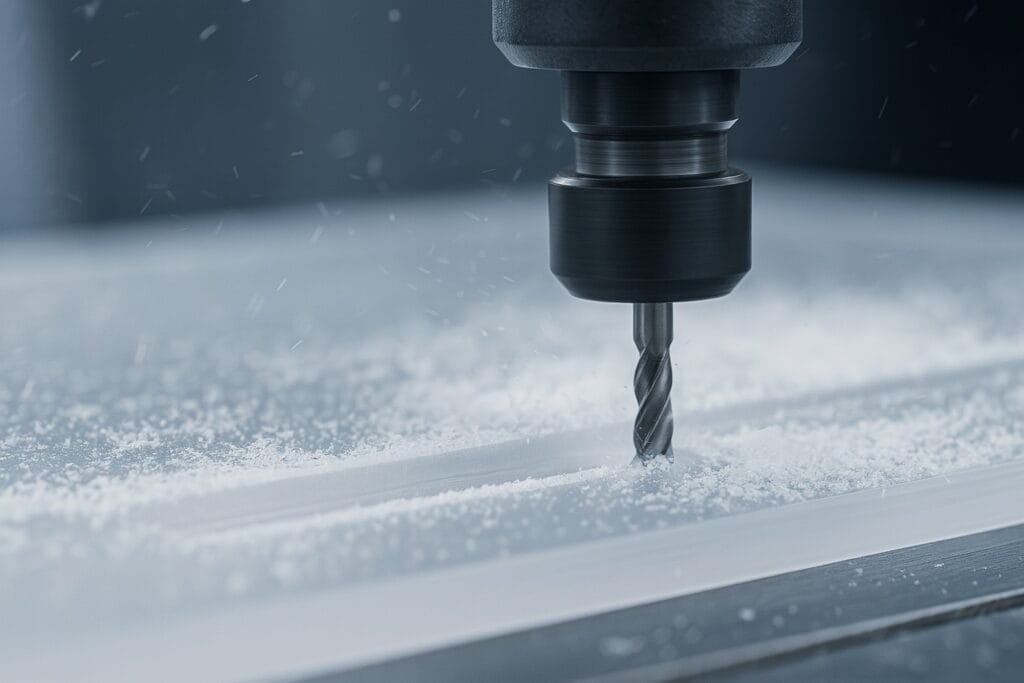
Plastic materials have lower melting points than metals, making them susceptible to heat damage during machining. Using proper cutting speeds, sharp tools, and appropriate coolant strategies prevents melting, burning, or warping of plastic parts.
4. Stress Whitening
Some plastics, particularly acrylic and polycarbonate, can develop white stress marks in areas of high tool pressure or improper fixturing. Our machinists use specialized techniques and tooling to minimize this effect.
5. Dimensional Stability Issues
Many plastics have higher thermal expansion coefficients than metals, which can affect dimensional stability during machining. Our climate-controlled facility and stabilization procedures ensure consistent part dimensions.
What is the Difference Between CNC Machined Plastic Parts and 3d Printed Parts?
While both can produce complex geometries, CNC machined plastic parts typically offer:
- Superior mechanical properties with no layer lines or anisotropic behavior
- Better surface finish without the stepping effect common in 3D printing
- Higher dimensional accuracy particularly for critical features
- Wider material selection including high-performance engineering plastics
- Better scalability from prototype to production volumes
3D printing may be preferred for extremely complex internal geometries or very low quantities where setup costs are a factor.
What Are Typical Lead Times for Plastic CNC Machined Parts?
Lead times vary based on complexity, quantity, and material availability:
- Standard parts: 5-10 business days
- Rapid prototypes: 2-3 business days with expedited service
- Complex or large production runs: 2-4 weeks
Our small batch machining service provides efficient turnaround for quantities from 1-1000 pieces.
Start today. Get parts made fast.
Free Machined Parts Design to Your Projects with Fast Turnaround Times.
 EN
EN  ES
ES  RU
RU  DE
DE  FR
FR