Brass CNC Machining Service

At YIJIN Hardware, we provide precision brass CNC machining for high-quality custom parts and prototypes. Our CNC machines ensure accuracy, a great surface finish, and fast production times. Whether you need small prototypes or large production runs, we can meet your needs.

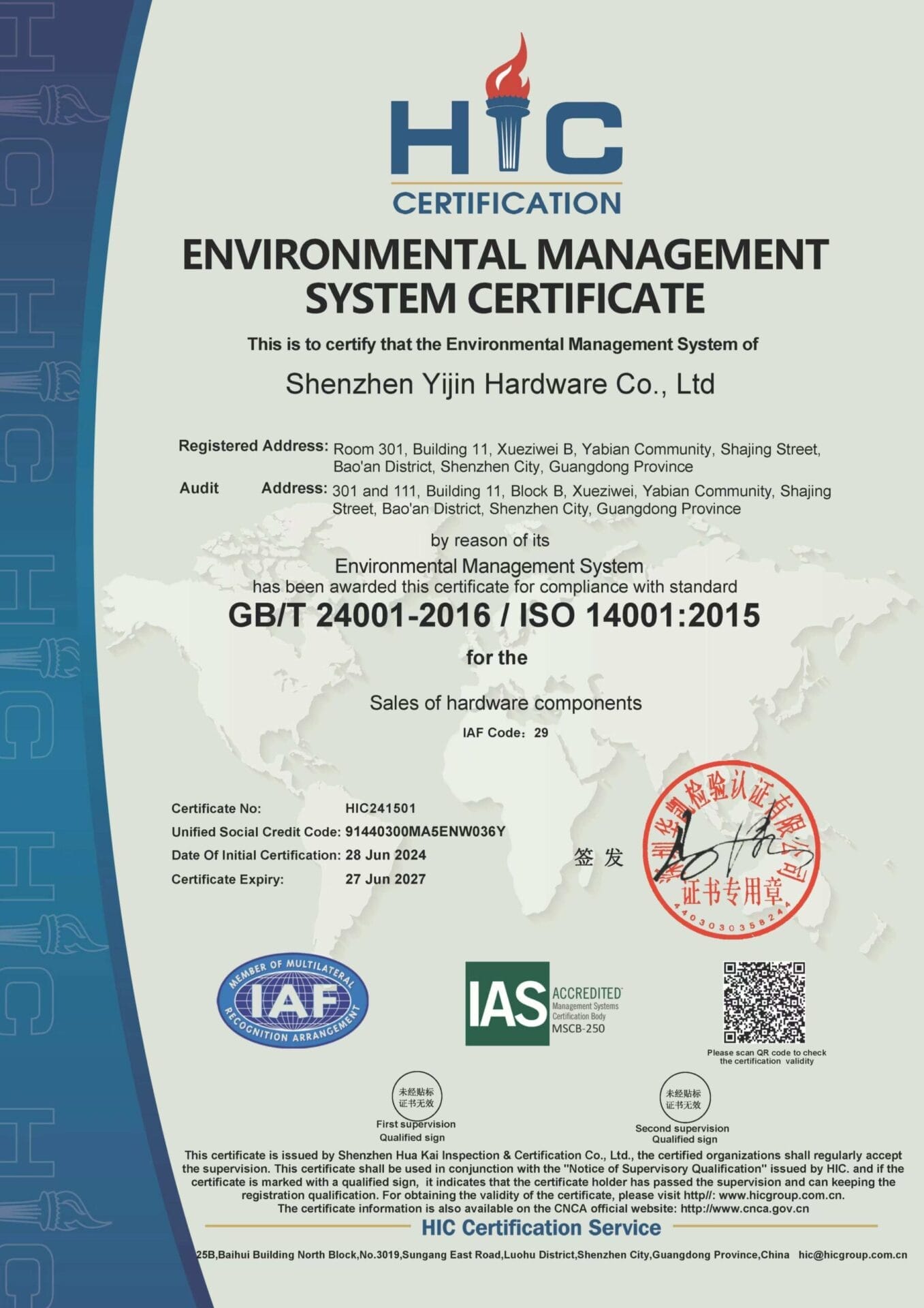
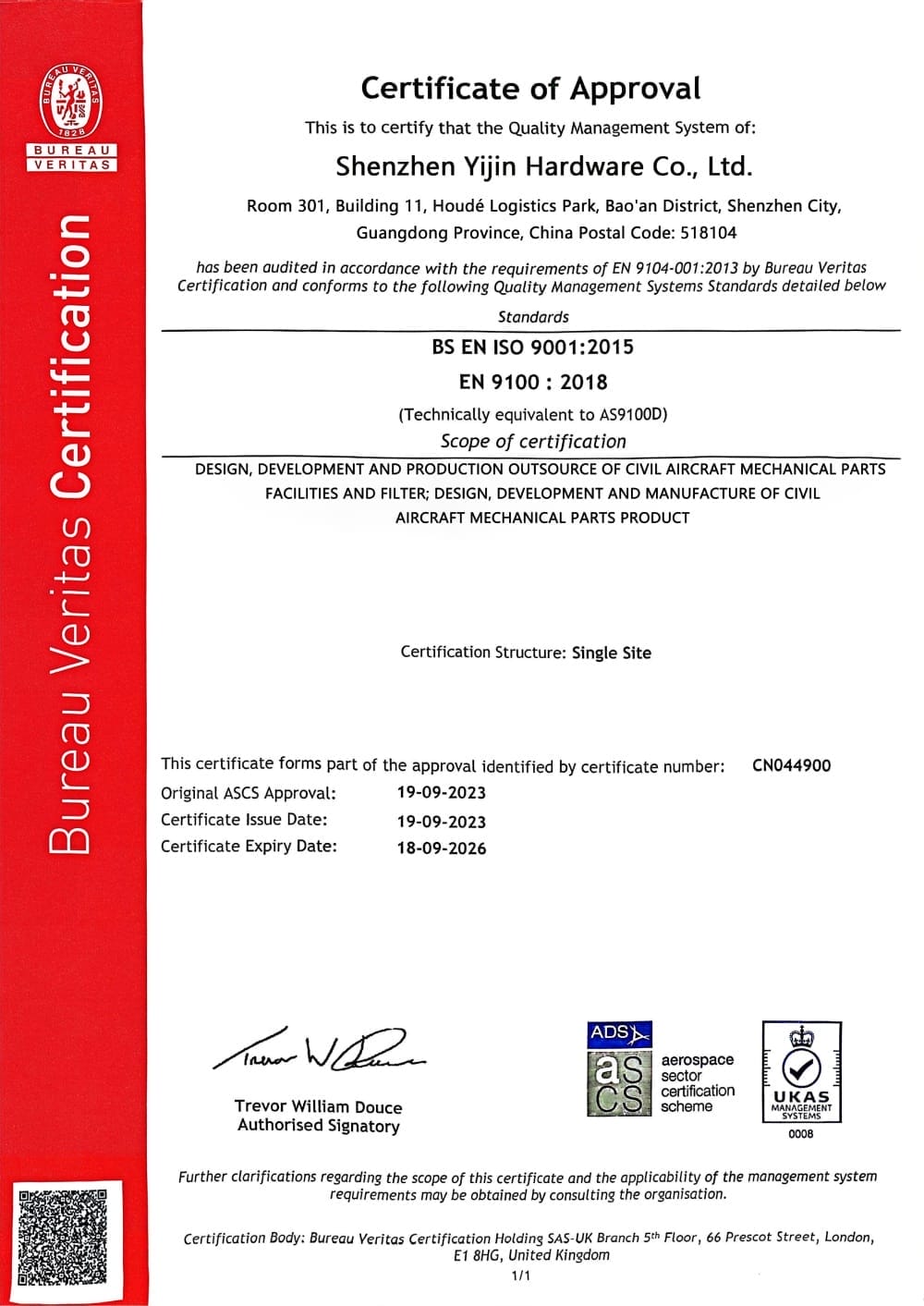
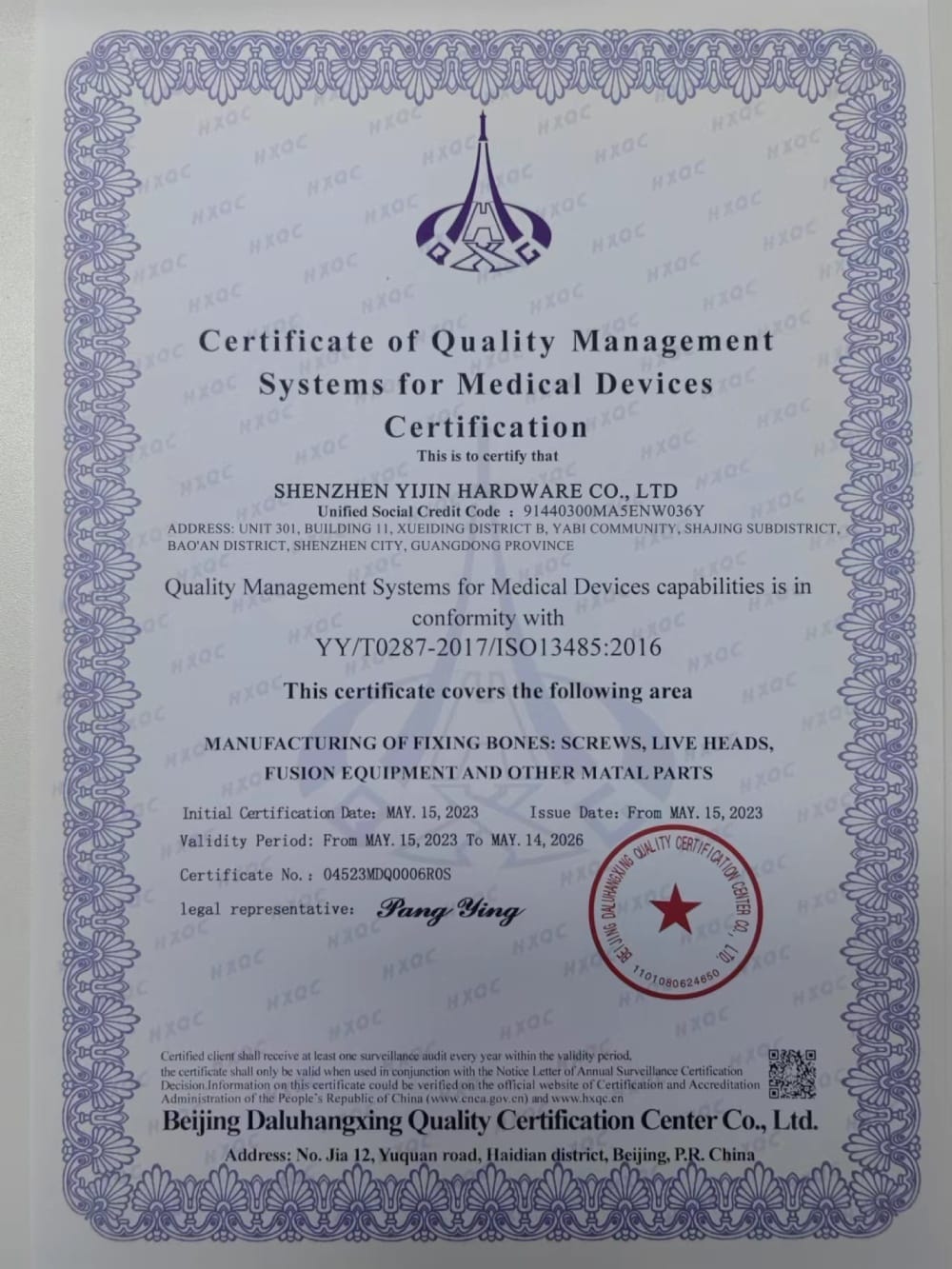
We are certified to ISO 9001:2015 and ISO 14001:2015 standards, ensuring that every brass part we manufacture meets high levels of precision and consistency. With our experience in the U.S. market, we know the importance of fast delivery, competitive pricing, and strict adherence to quality standards.
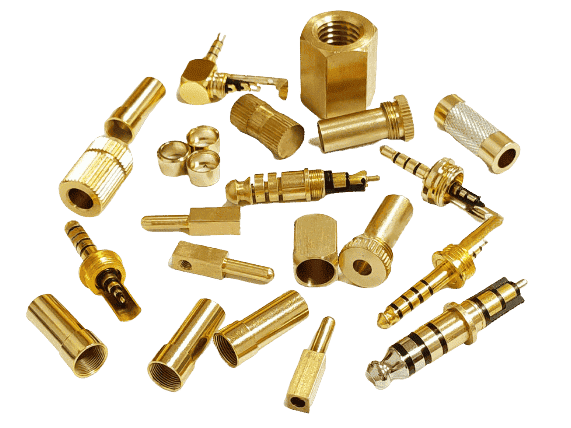
 

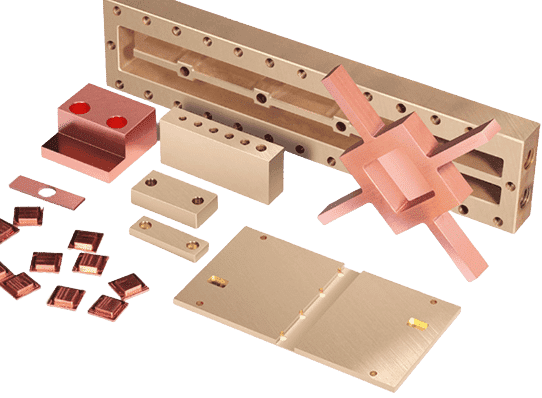
small batches brass machining parts

What is Brass CNC Machining?

Brass CNC machining is a subtractive manufacturing process that uses computer-controlled machine tools to precisely remove material from brass workpieces. Brass, a copper-zinc alloy, is well-suited for CNC machining due to its excellent machinability, corrosion resistance, and electrical conductivity. These properties make it an ideal material for components in the automotive, electronics, plumbing, and home appliance industries.

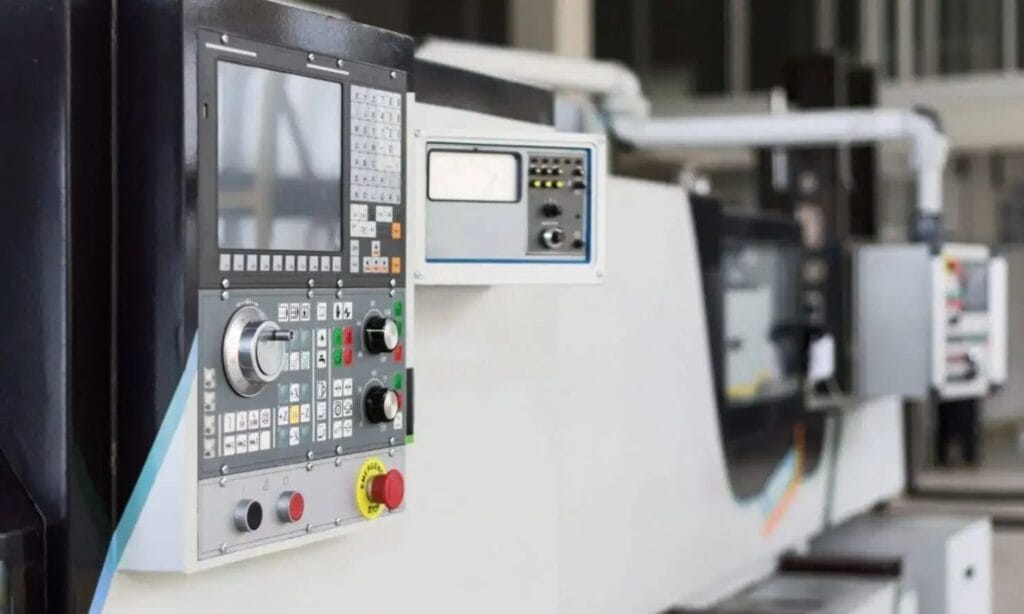
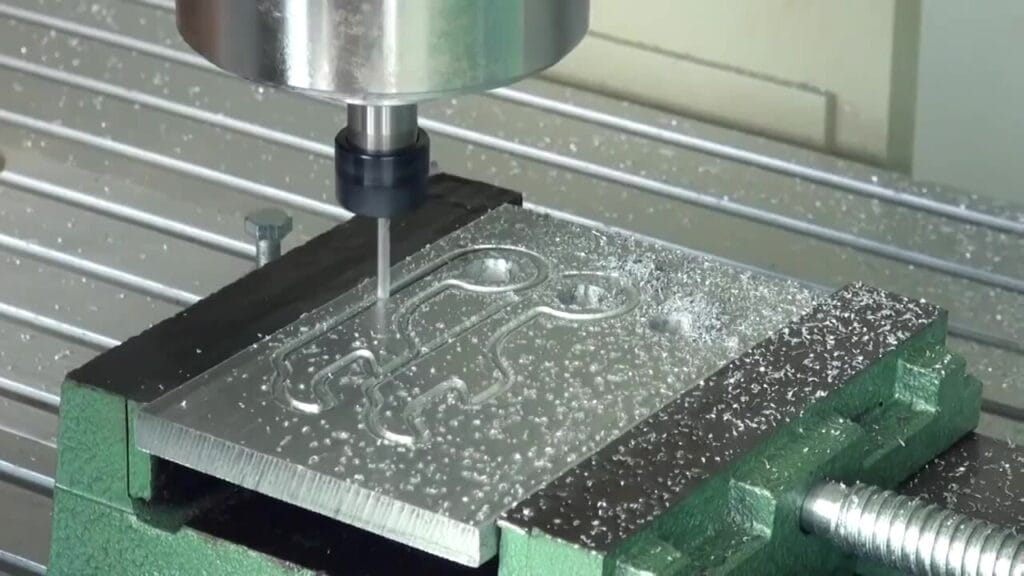
The CNC machining process for brass involves programming computer numerical control (CNC) machines to follow precise toolpaths, removing material to create the desired shape with exceptional accuracy.

Why Choose Brass for CNC Machining?

Brass offers several advantages when it comes to CNC machining, including:

  • High machinability: Brass allows for high-speed machining with minimal tool wear, reducing production costs.
  • Corrosion resistance: Its natural resistance to corrosion makes brass components ideal for applications in humid or harsh environments.
  • Thermal and electrical conductivity: Brass is highly conductive, second only to silver, making it a popular choice for electronic connectors and heat sinks.
  • Aesthetic appeal: Brass has a natural golden finish, perfect for decorative applications without additional surface treatments.
  • Strength and durability: While not as strong as steel, brass provides a good balance of strength, ductility, and resistance to wear, especially in applications like gears, fasteners, and fittings.

For applications where material properties are a critical decision factor, our guide on comparing brass and bronze properties provides detailed insights into the differences between these similar copper alloys.
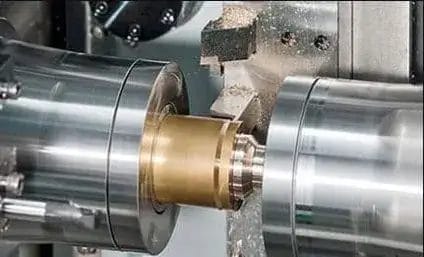
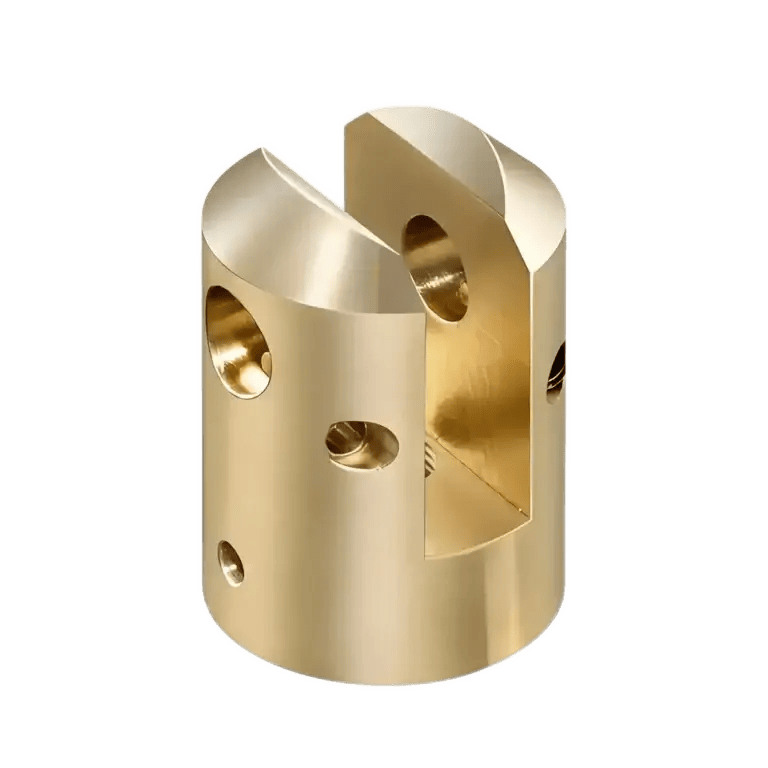
Brass CNC Machining
Copper Machinining Materials

Precision CNC Machining Services

Our comprehensive CNC machining services for brass include:

  • Turning: Producing cylindrical parts like shafts, bushings, and fasteners.
  • Milling: Ideal for creating complex geometries and fine details in brass parts such as valves, fittings, and brackets.
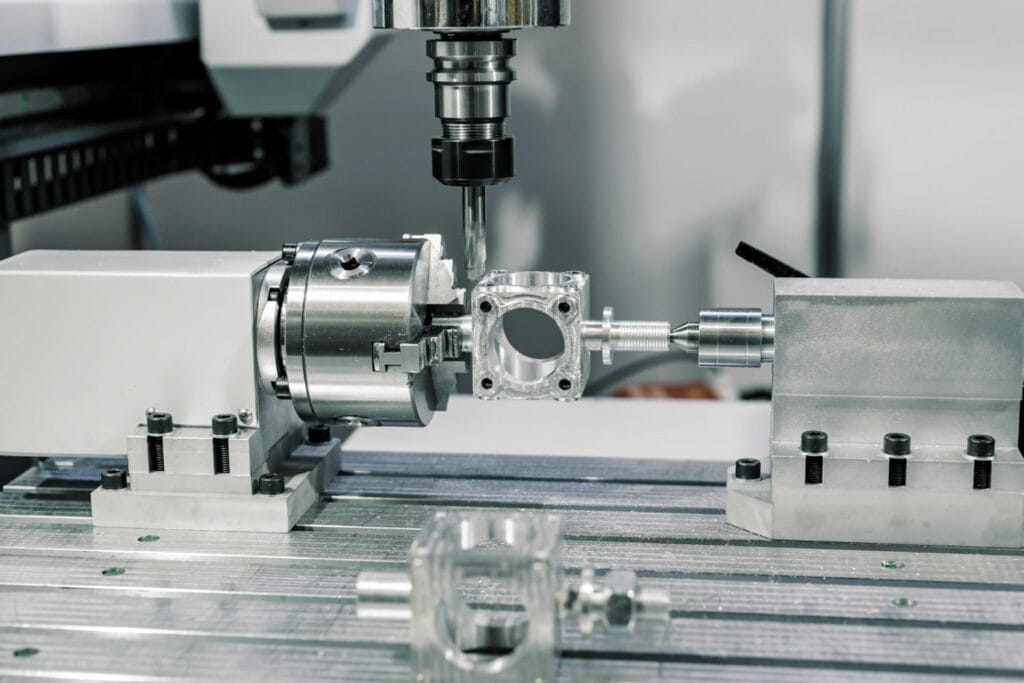
  • Multi-axis CNC Machining: For complex parts that require high precision and multiple machining operations in one setup, such as custom brass prototypes.

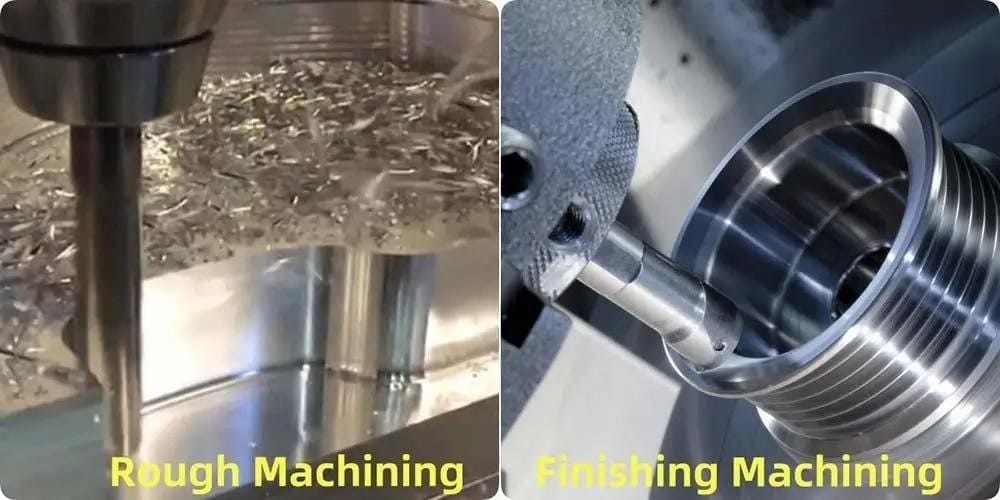
We utilize advanced CNC lathes and multi-axis milling machines to ensure precision and quality in every part we produce. For projects requiring quick turnaround, our rapid brass machining services can deliver prototype parts within 24 hours.

Common Brass Grades for CNC Machining

We work with a variety of brass grades to meet the specific needs of your project, including:

GradeCompositionPropertiesMachinability RatingTypical TolerancesCommon Applications
C360 Brass61.5% Cu, 35.5% Zn, 3% Pb
  • Excellent machinability
  • High strength
  • Moderate corrosion resistance
  • Tensile strength: 340-469 MPa
  • Yield strength: 124-310 MPa
  • Elongation: 15-53%
100% (Standard)±0.001“ for diameters ±0.002“ for lengths
  • Screws, bolts, gears
  • Valves, fasteners
  • Precision components
C260 Brass70% Cu, 30% Zn
  • High ductility
  • Excellent formability
  • Good corrosion resistance
  • Tensile strength: 303-496 MPa
  • Yield strength: 75-434 MPa
  • Elongation: 3-68%
30%±0.002“ for diameters ±0.003“ for lengths
  • Electrical connectors
  • Plumbing fittings
  • Decorative hardware
C230 Brass (Red Brass)85% Cu, 15% Zn
  • Excellent corrosion resistance
  • Good strength
  • Moderate machinability
  • Tensile strength: 310-448 MPa
  • Yield strength: 69-345 MPa
  • Elongation: 15-65%
20%±0.002“ for diameters ±0.003“ for lengths
  • Marine hardware
  • Pump components
  • Heat exchangers
C385 Brass (Architectural Bronze)57% Cu, 40% Zn, 3% Pb
  • Good machinability
  • Attractive appearance
  • Moderate strength
  • Tensile strength: 331-448 MPa
  • Yield strength: 124-310 MPa
  • Elongation: 15-35%
80%±0.0015“ for diameters ±0.0025“ for lengths
  • Decorative architectural elements
  • Door hardware
  • Lighting fixtures

Surface Finishes for Brass CNC Machined Parts

To enhance the durability and aesthetic appeal of your brass parts, we offer a variety of surface finishes, including:

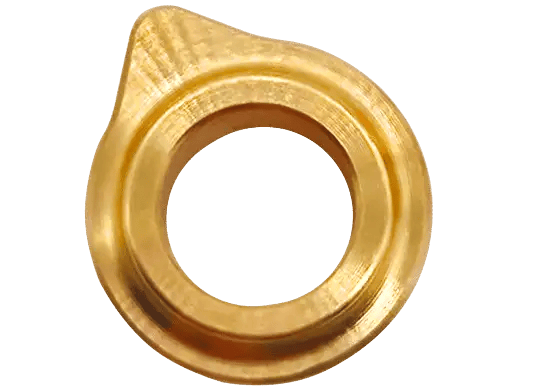
  • Polishing: Provides a smooth, shiny finish, ideal for decorative or high-visibility parts.
  • Electroplating: Adds a layer of protection against corrosion with options like zinc, nickel, and chrome plating.
  • Anodizing: Enhances corrosion resistance and adds color, commonly used in architectural and consumer products.
  • Passivation: Reduces the chance of oxidation on brass parts, extending the lifespan of components in demanding environments.

Industries We Serve

Our brass CNC machined parts are widely used across multiple industries due to their versatility and durability:

  • Electronics: High-conductivity brass components like connectors and terminal blocks.
  • Automotive: Durable parts such as bushings, valves, and fittings.
  • Plumbing: Corrosion-resistant brass fittings, valves, and connectors for long-lasting service.
  • Construction: Decorative brass fixtures and functional components for HVAC systems.
  • Home Appliances: Durable and aesthetically pleasing parts for kitchen fixtures, lighting, and more.

Why Choose YIJIN Hardware for Brass CNC Machining?

At YIJIN Hardware, we combine years of experience with cutting-edge CNC technology to deliver precision brass parts with unmatched quality and efficiency. Our facilities are ISO-certified, and we use automated testing to ensure every part meets stringent quality standards. Whether you need rapid prototype machining or high-volume production machining, we have the expertise and technology to bring your project to life.

Contact us today to discuss your next brass CNC machining project and get a free quote!

Flexible Turnaround Times

Project TypeTurnaround Time
Urgent High-Precision SampleWithin 24 hours
New Mold RequirementMold production in 5 days, sample delivery within 7 days
Standard PrototypingTypically 5-7 days
High-Volume ProductionBased on project complexity, often between 2-4 weeks

Yijin Hardware Factory

white overlay top opt.png

Precision Capabilities with Brass CNC Machining

Brass’s excellent machinability allows for achieving tight precision CNC machining tolerances and exceptional surface finishes.

Standard Tolerances for Brass CNC Machined Parts

FeatureStandard TolerancePrecision Tolerance
External Dimensions±0.1mm (±0.004″)±0.025mm (±0.001″)
Internal Dimensions±0.12mm (±0.005″)±0.05mm (±0.002″)
Hole Diameters±0.08mm (±0.003″)±0.025mm (±0.001″)
Flatness0.1mm per 100mm0.05mm per 100mm
Surface RoughnessRa 3.2μmRa 0.8μm

Our advanced CNC equipment and quality control systems ensure consistent precision across both small batch CNC machining and high-volume production machining runs.
white overlay bottom.png

Certificate

CNC Machining Brass Components- FAQS

Brass cnc machined components are typically utilized in electrical power, residence devices, construction, vehicle market, industrial equipments, and also the excellent look makes brass components incredibly popular in home accessories.

Due to the influence of the atmosphere, the surface of brass components will be oxidized to various levels, so various surface area treatment procedures require to be utilized.

Commonly used brass parts surface treatment procedures are as adheres to:

1) Bright cleansing of brass parts
2) Passivation of brass components
3) Anodizing of brass parts
4) CNC machining brass components for electroplating (zinc, nickel, chrome) treatment
5) Chemical sprucing up of copper parts

Our CNC machining capabilities allow us to produce brass parts ranging from very small components (minimum feature size of approximately 0.5mm) up to large parts measuring 500mm × 500mm × 500mm. For larger parts, we can employ multiple setups or alternative manufacturing methods. Minimum wall thickness for brass parts is typically 0.5mm, though for structural integrity we recommend 0.8mm or greater depending on the specific design requirements.
While raw brass material costs are typically higher than aluminum (approximately 20-30% more), the total machining cost is often comparable due to brass’s excellent machinability. Brass allows for faster cutting speeds, longer tool life, and frequently requires fewer operations to achieve the desired finish. For high-volume production, the material cost difference becomes more significant, but this can be offset by brass’s superior durability and corrosion resistance, potentially reducing lifetime costs for the end product.
The primary challenges in brass CNC machining include:Lead content regulations: We offer both leaded (C360) brass for maximum machinability and lead-free alternatives (C69300) for applications subject to environmental regulations. Chip control: Brass produces long, stringy chips that can wrap around tooling. We use specialized chip breakers and programming techniques to manage chip formation. Surface finish consistency: Achieving uniform appearance across multiple production runs can be challenging. Our standardized processes and quality control ensure consistency. Tool selection: Despite brass’s good machinability, tool geometry must be optimized. We use specialized tooling with appropriate rake angles for brass machining.

Our quality control process for brass components includes:

  1. First article inspection with detailed dimensional verification
  2. In-process sampling at defined intervals
  3. CMM (Coordinate Measuring Machine) verification for complex geometries
  4. Surface finish measurement and visual inspection
  5. Material certification verification
  6. Functional testing when applicable
  7. Final inspection with detailed reporting

All inspections are documented and performed according to our ISO 9001:2015 quality management system.

Regular brass typically contains 60-70% copper and 30-40% zinc without additional elements. Free-machining brass, such as C360, contains approximately 3% lead which significantly improves machinability by acting as a chip breaker and lubricant during cutting. The lead content reduces tool wear, allows higher cutting speeds, and produces better surface finishes.

For applications where lead content is restricted (such as potable water systems or certain consumer products), we offer lead-free alternatives like C69300 (ECO BRASS) which achieve good machinability through alternative alloying elements such as silicon and phosphorus.

When designing brass parts for CNC machining, consider:

  • Thread design: Brass excels in threaded applications; UNC or UNF threads are preferable to metric threads for optimal strength.
  • Corner radii: Design internal corners with minimum 0.8mm radius to accommodate standard tooling.
  • Thermal expansion: Brass has a thermal expansion coefficient of approximately 20 μm/m·°C, which should be considered for tight-tolerance applications.
  • Wall thickness variations: Maintain consistent wall thickness where possible to prevent distortion.
  • Draft angles: Though not required, 1-2° draft angles on deep pockets can improve tool access and surface finish.
  • Deep hole limitations: For holes deeper than 5× diameter, consider using special tooling or alternative manufacturing methods.

Start today. Get parts made fast.

Free Machined Parts Design to Your Projects with Fast Turnaround Times.

en_USEN

Please attach your 2D CAD drawings and 3D CAD models in any format including STEP, IGES, DWG, PDF, STL, etc. If you have multiple files, compress them into a ZIP or RAR. Alternatively, send your RFQ by email to [email protected].

Click or drag files to this area to upload.You can upload up to 15 files.
Checkboxes

Please attach your 2D CAD drawings and 3D CAD models in any format including STEP, IGES, DWG, PDF, STL, etc. If you have multiple files, compress them into a ZIP or RAR. Alternatively, send your RFQ by email to [email protected].

3D Drawing Formats: .step/.stp, .dwg, .m3d, .x_t, .sldprt, .stl, .CATPart, .CATProduct, .iges/.igs
2D Drawing Formats: .dwg, .cdw, .SLDDRW, .scr

Compressed Formats: .zip, .rar, .7z

Image Formats: .pdf, .jpg/.jpeg, .gif, .png, .webp, .tif/.tiff

Video Format: .mp4

Office Formats: .txt, .docx, .xlsx, .ppt, .ods