
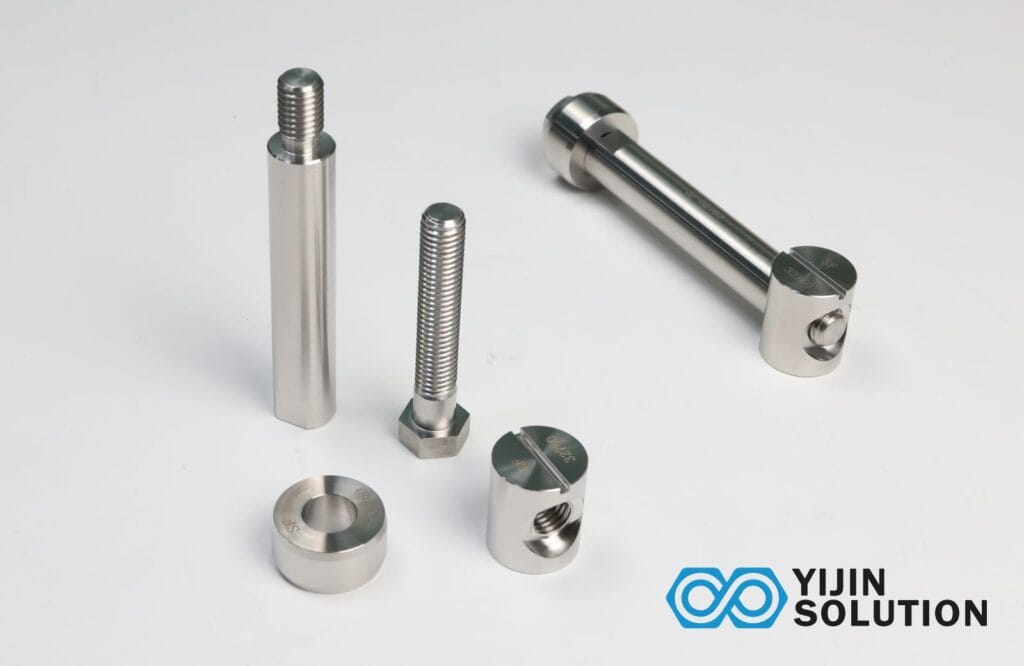
Custom Fastener Manufacturing Services
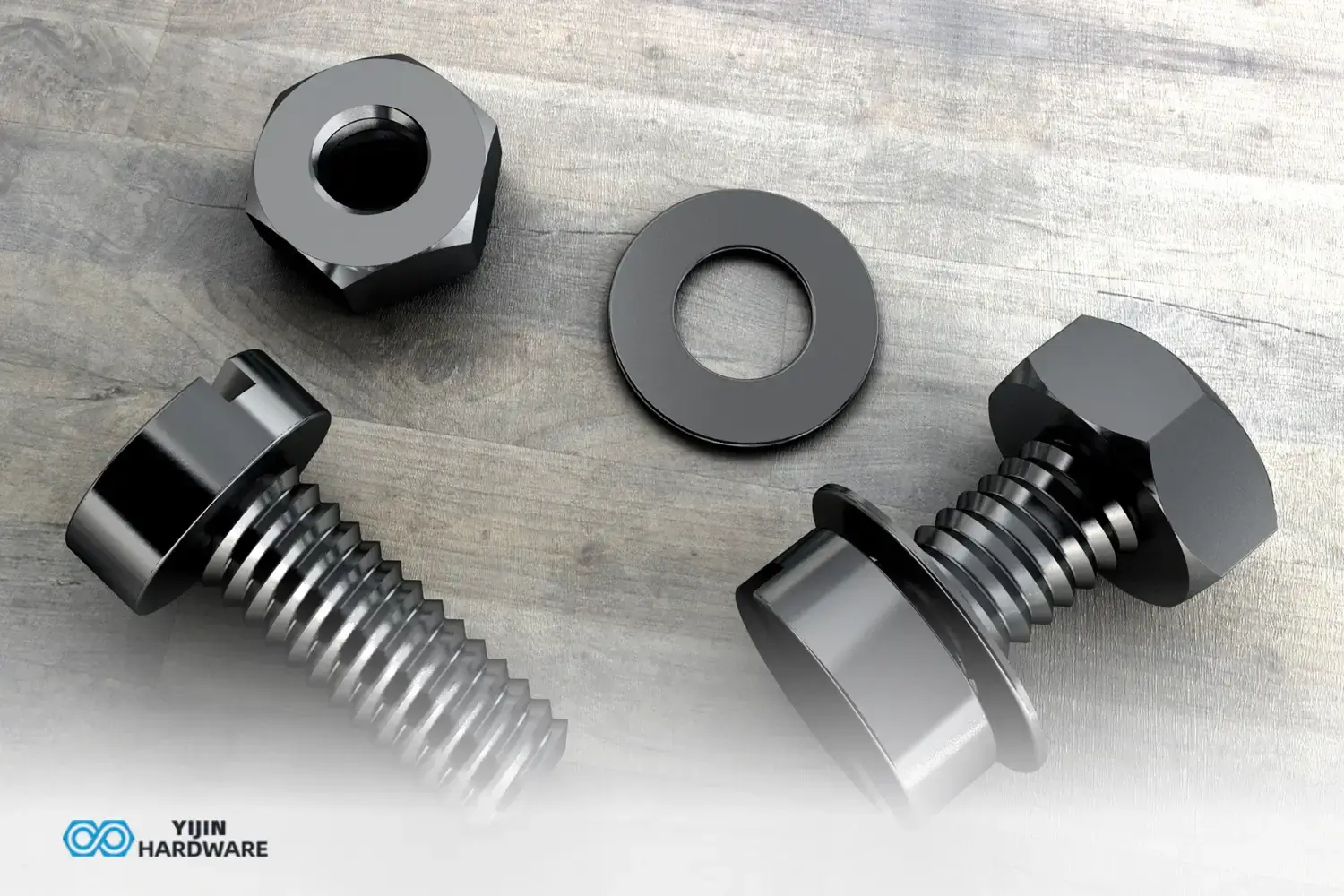
Custom bolts, nuts, screws, washers, and rivets for commercial and industrial projects. We produce fasteners through cold heading, CNC turning, thread rolling, and plating at our 25,000 m² facility in Shenzhen.
Upload your drawing or design file to receive a DFM review and quote within 24 hours.
- Tolerances from ±0.10 mm standard to ±0.02–±0.05 mm precision on custom fasteners
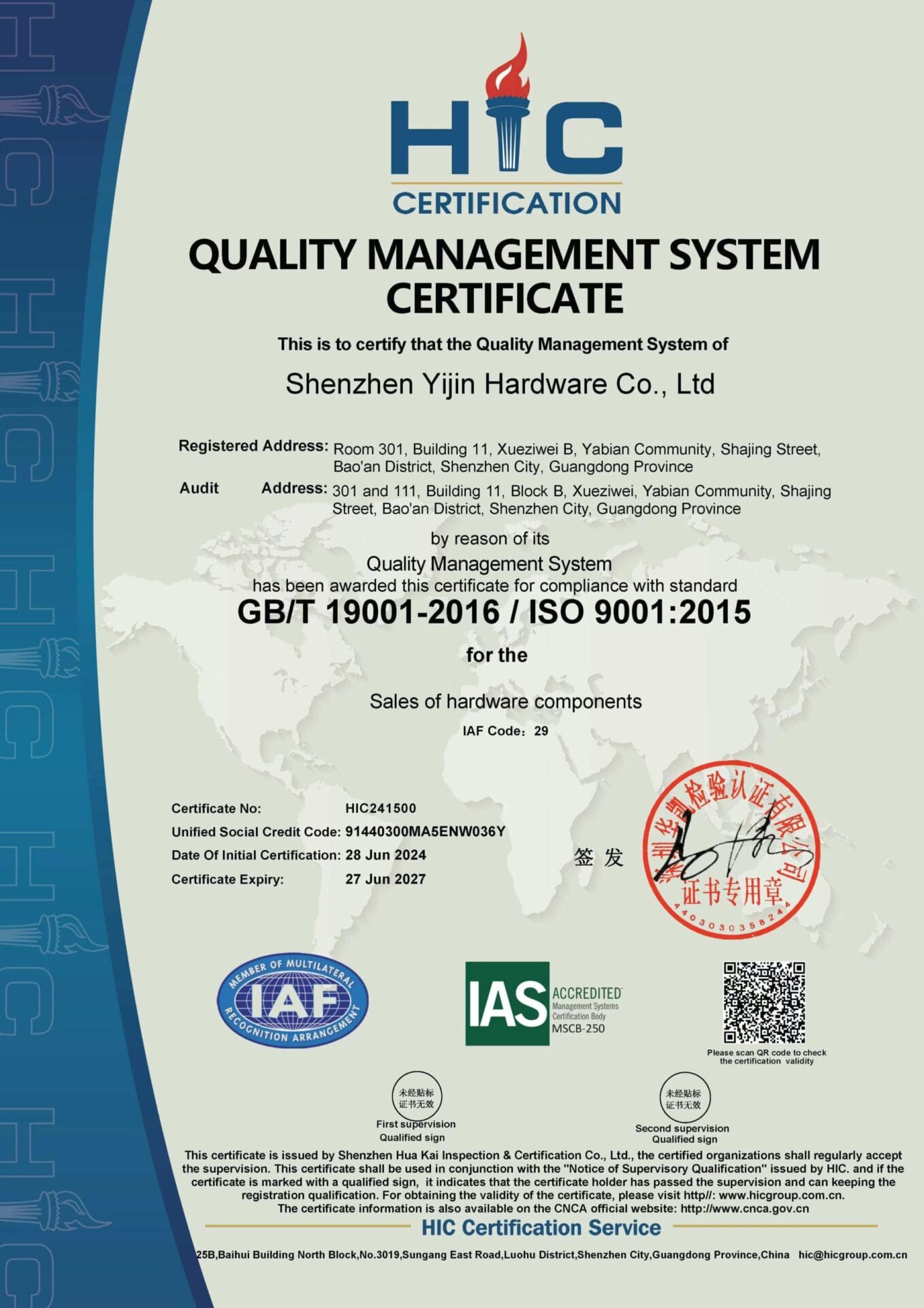
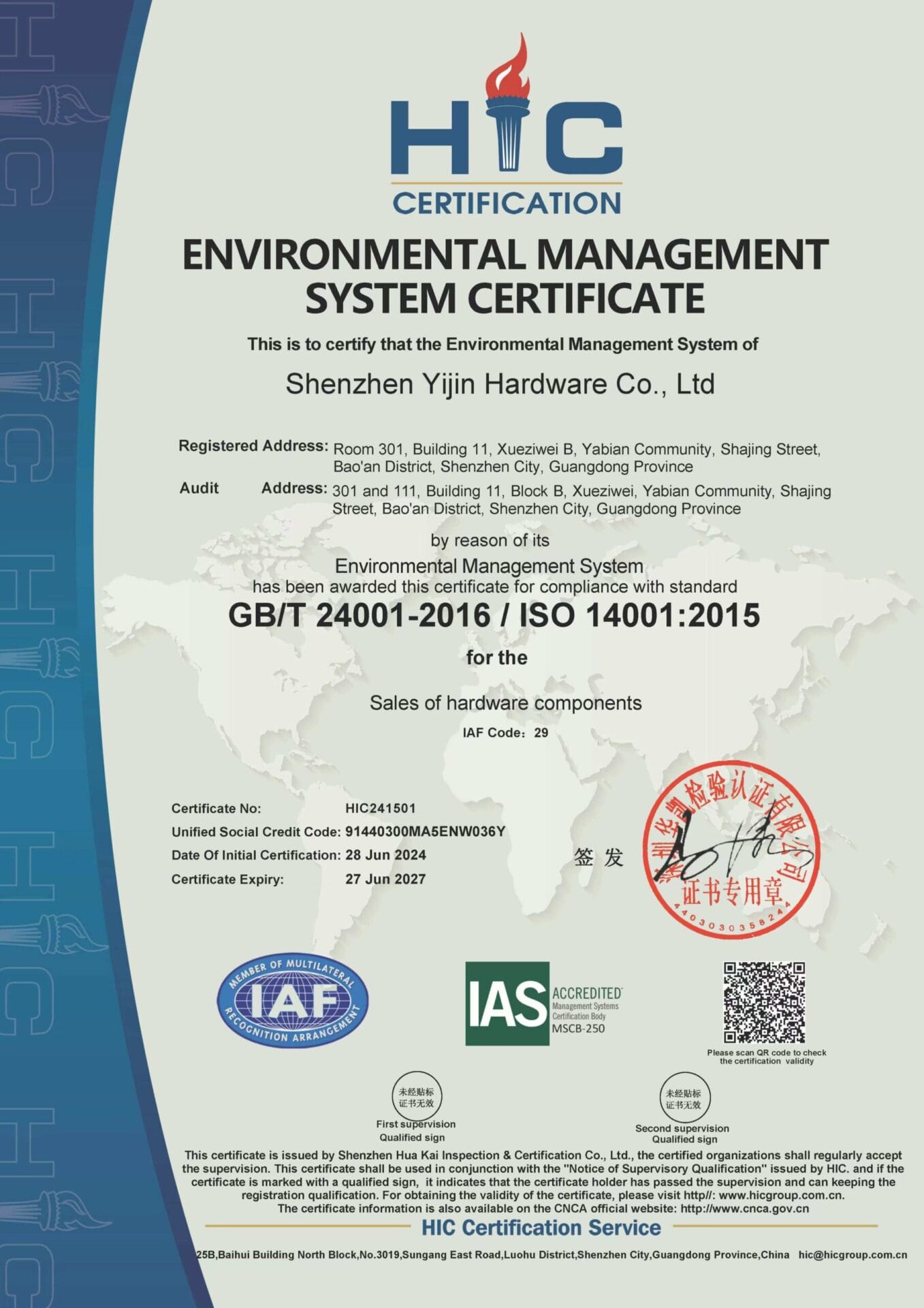
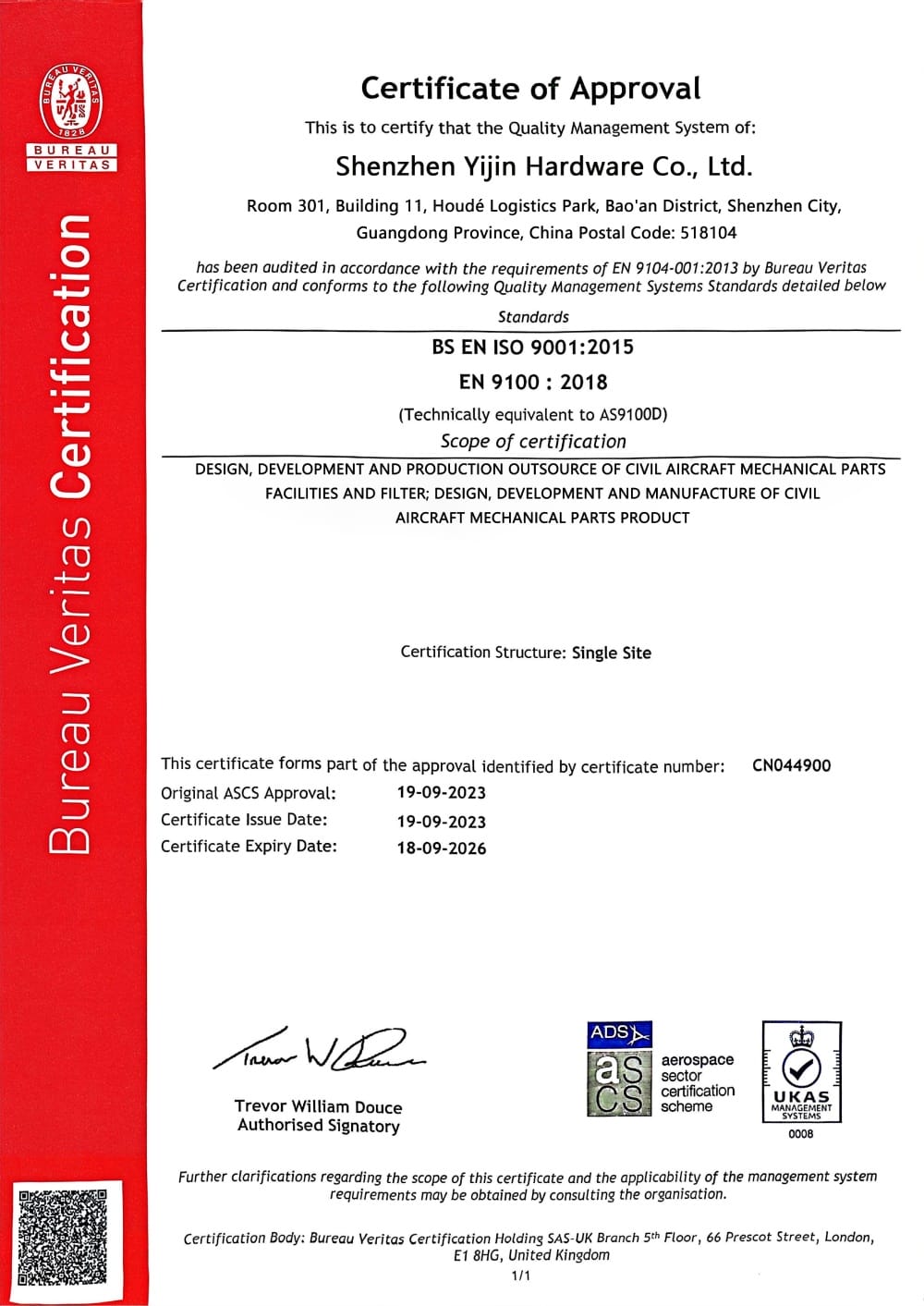
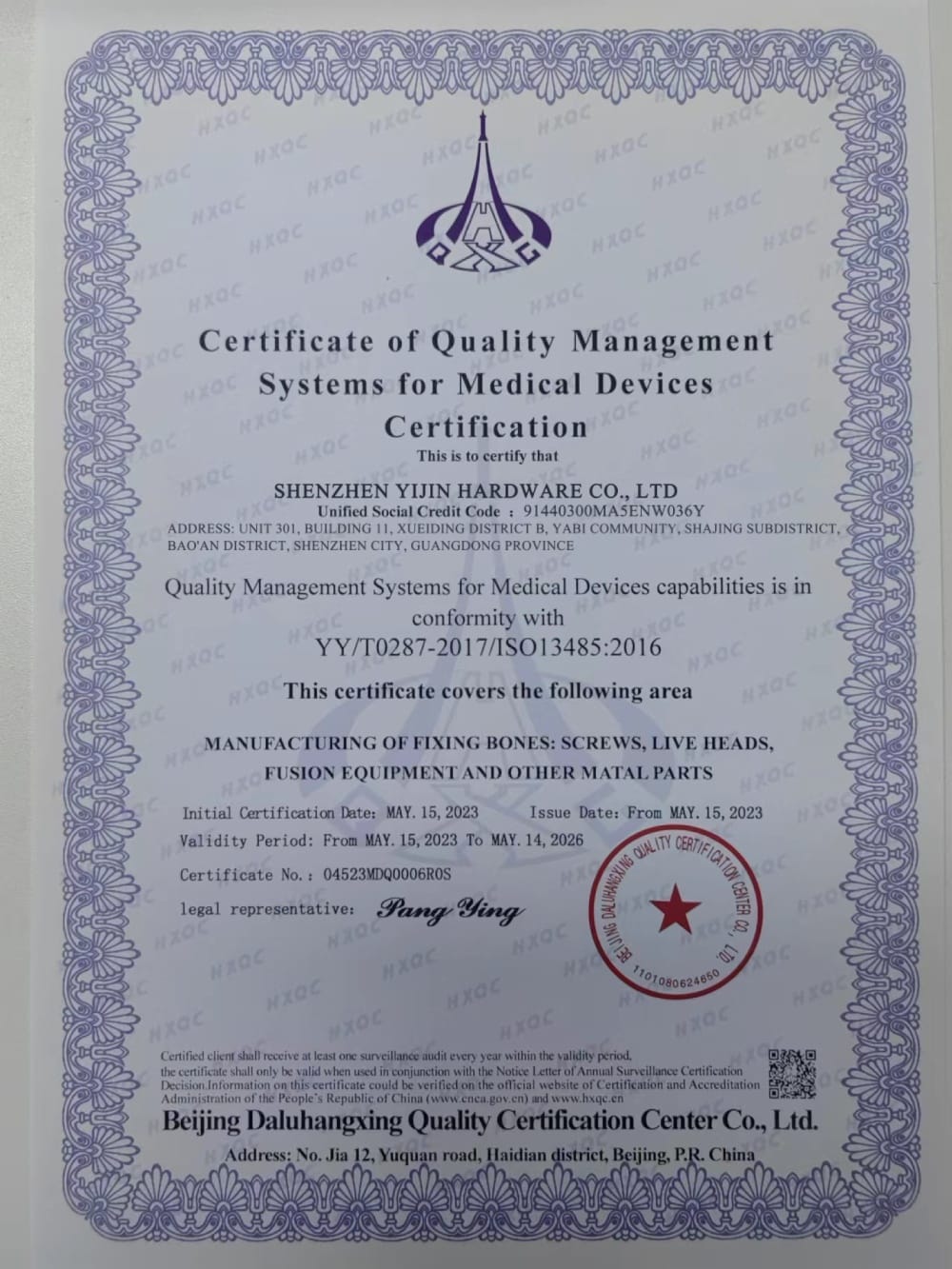
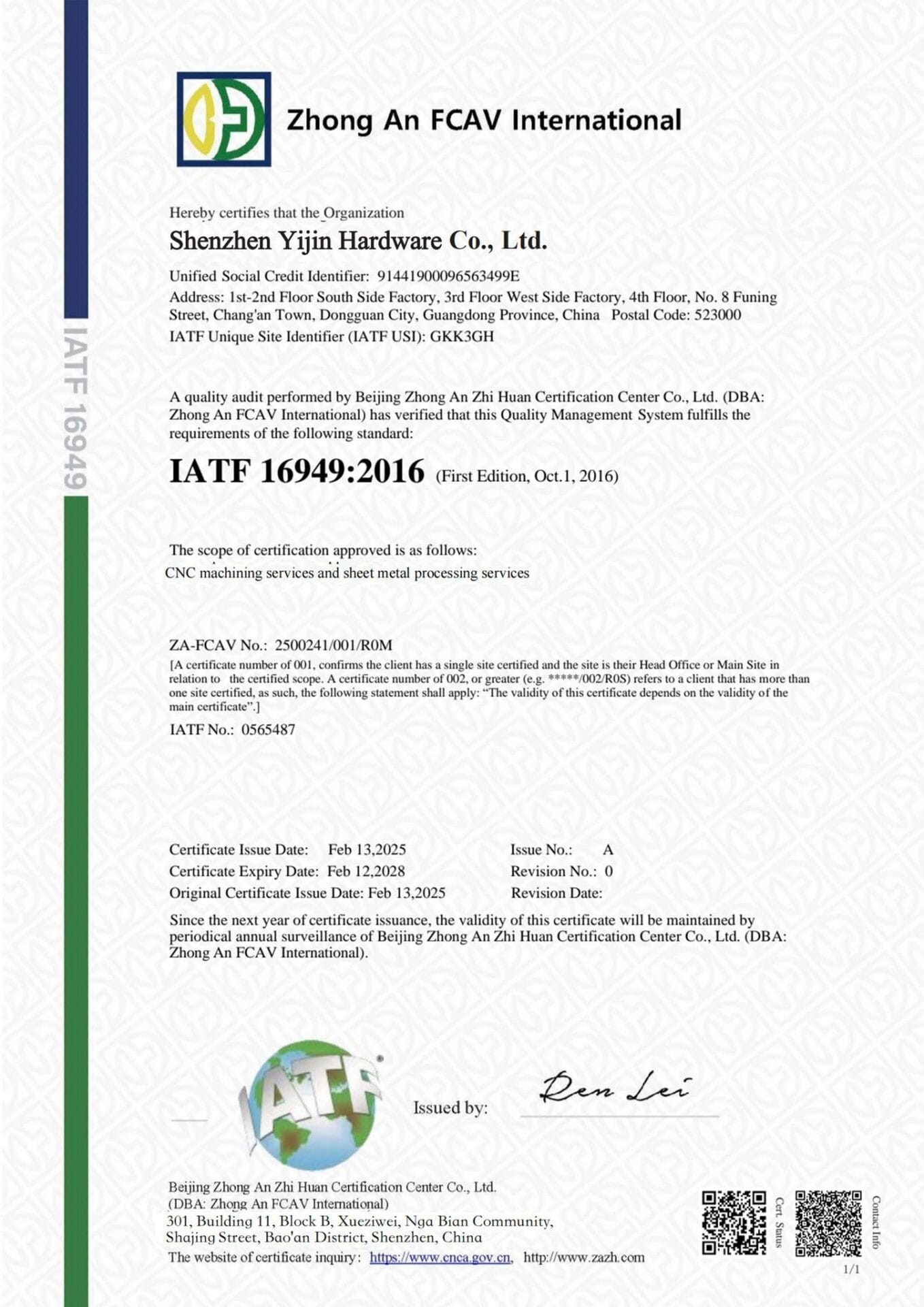
- AS9100D, IATF 16949, ISO 14001, and ISO 9001 certified
- No minimum order quantity. From prototype to full production run


Our Custom Fastener Manufacturing Services
We run end-to-end fastener manufacturing under one roof. Each process operates on dedicated production lines with full traceability from wire to finished part.
Cold Heading Services
Our 150 cold heading machines produce bolts, screws, and rivets at high volumes with consistent dimensional accuracy. Multi-stage cold heading forms the head, shank, and any recesses in a single sequence without removing material, which reduces waste and per-part cost. Suitable for production runs from 10,000 to 1,000,000+ pieces.
Токарные работы с ЧПУ
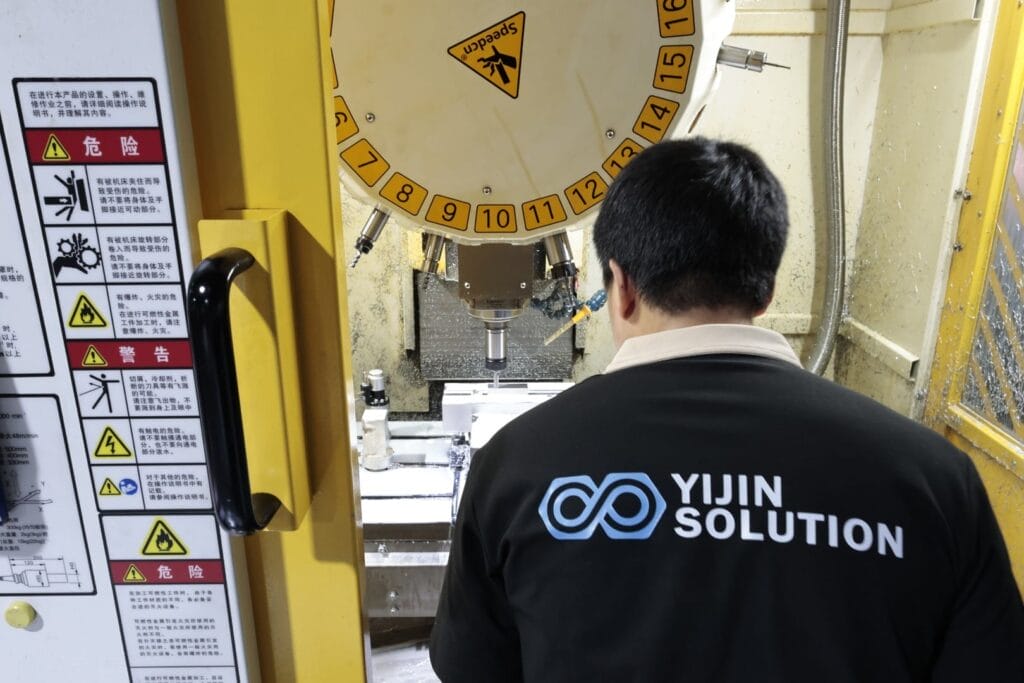
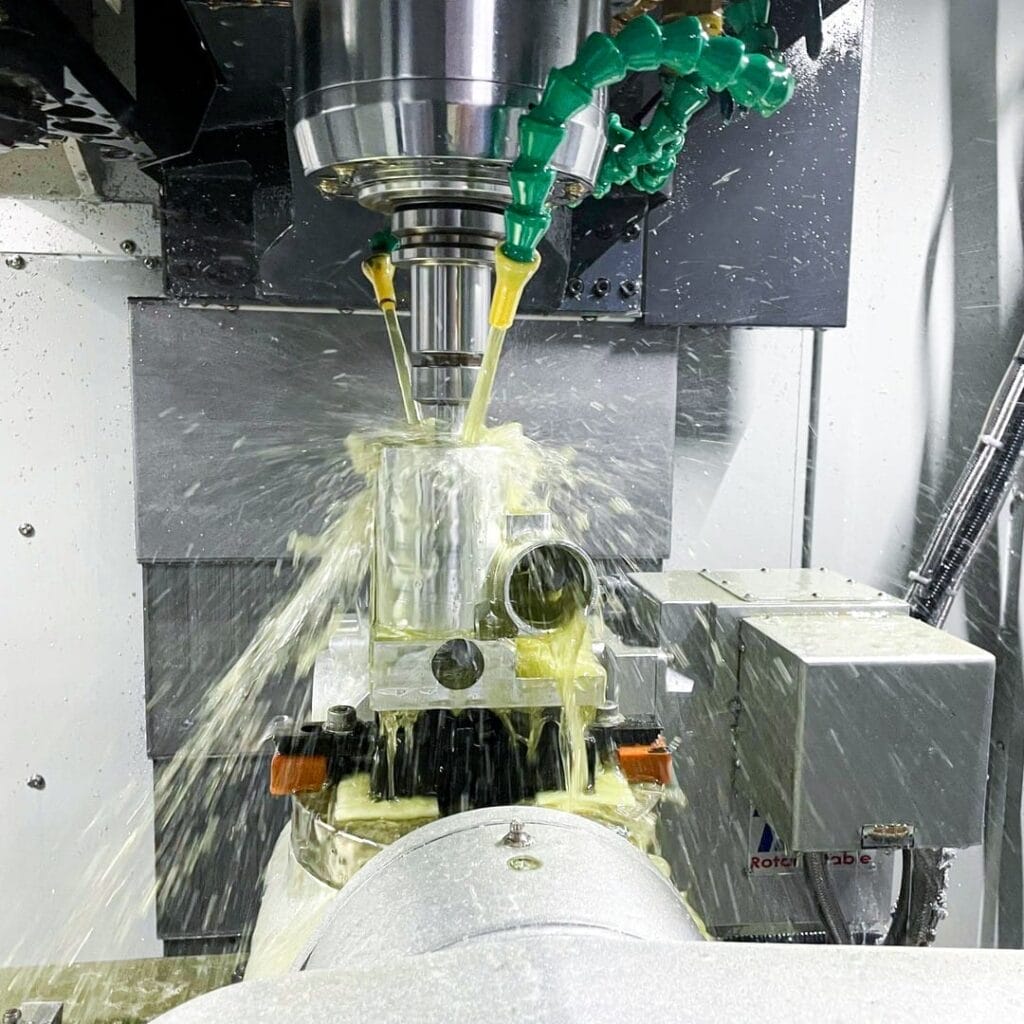
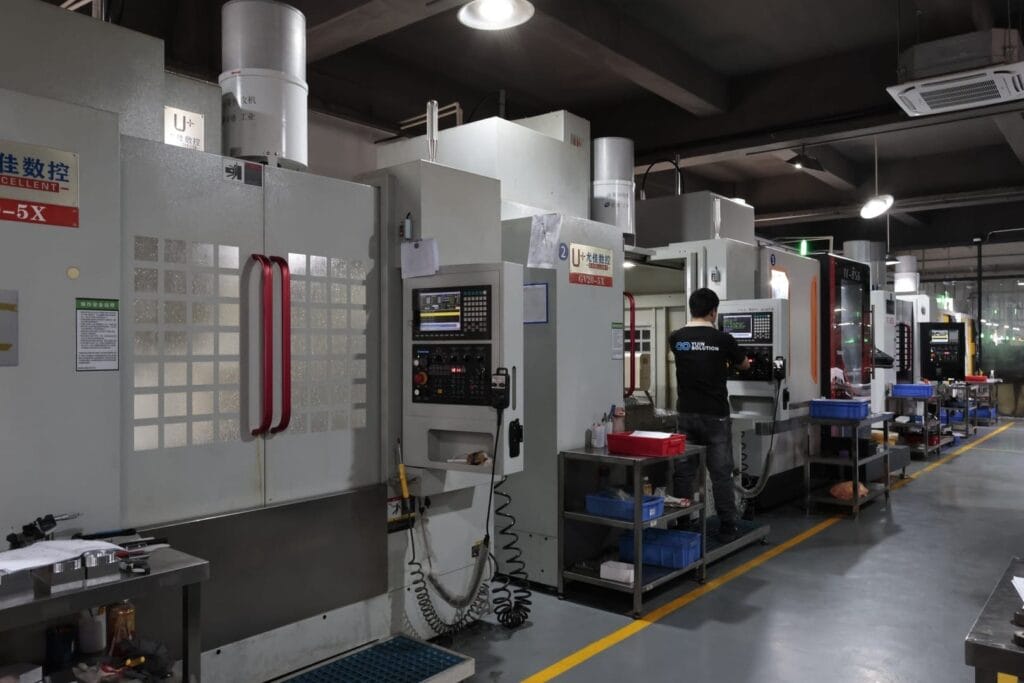
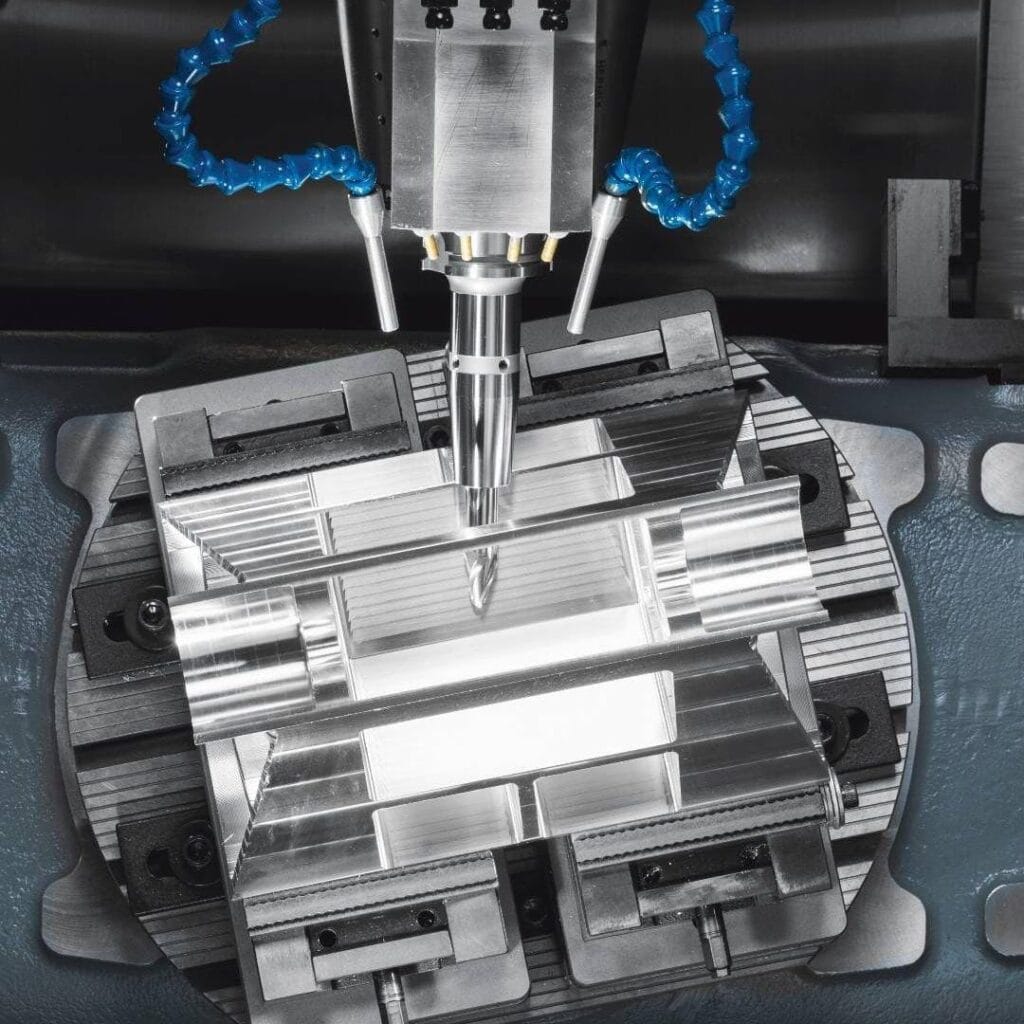
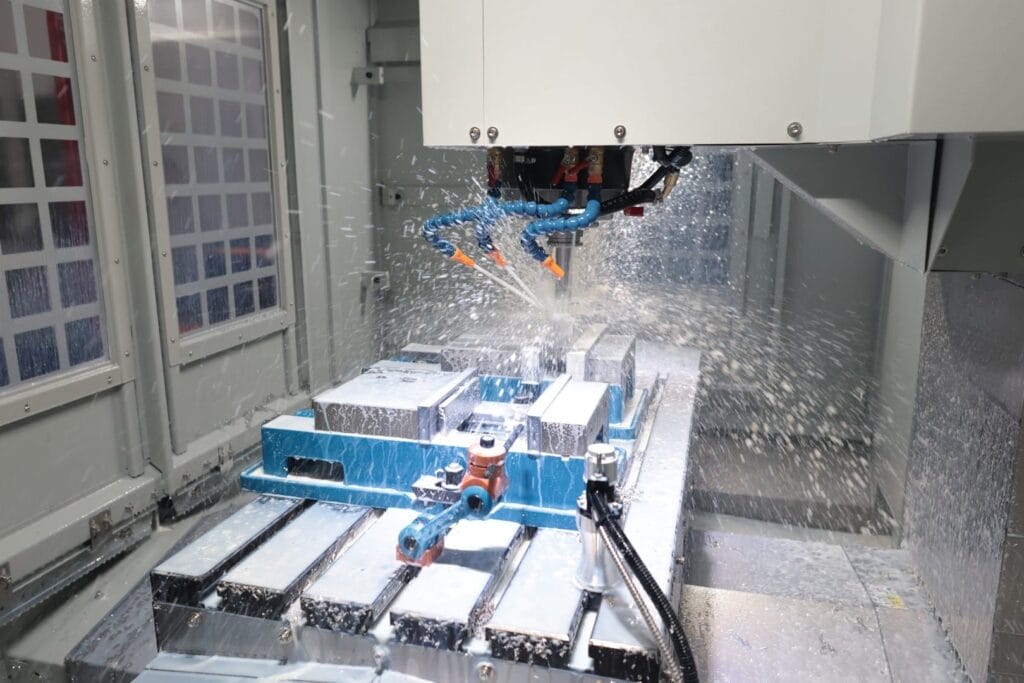
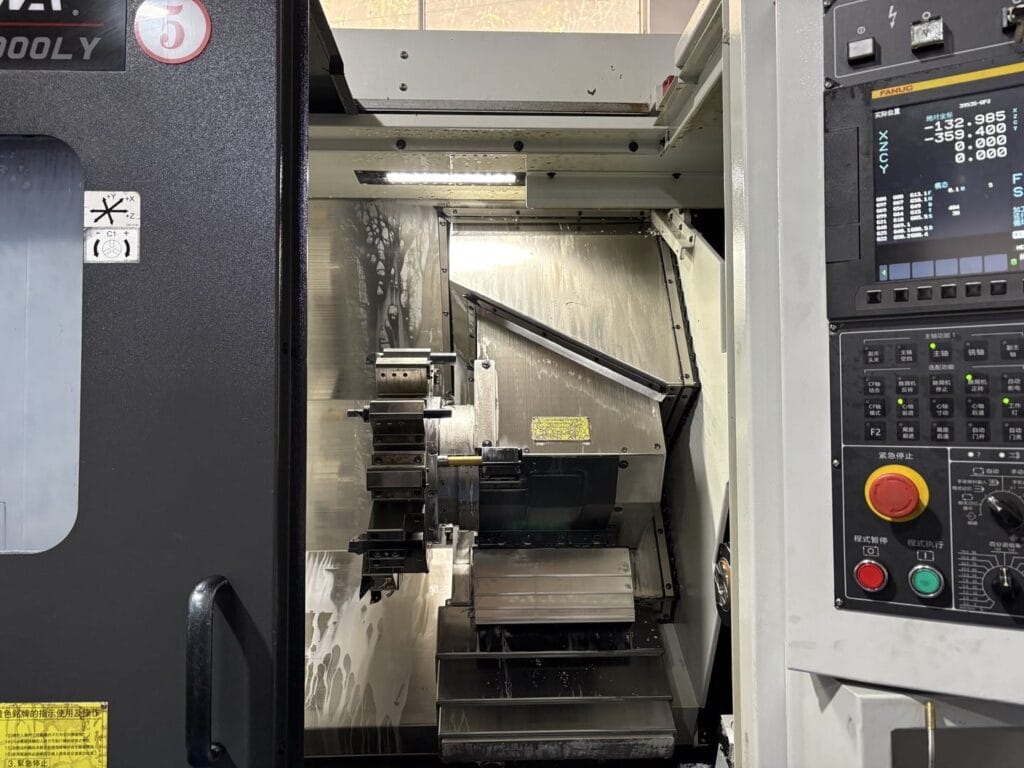
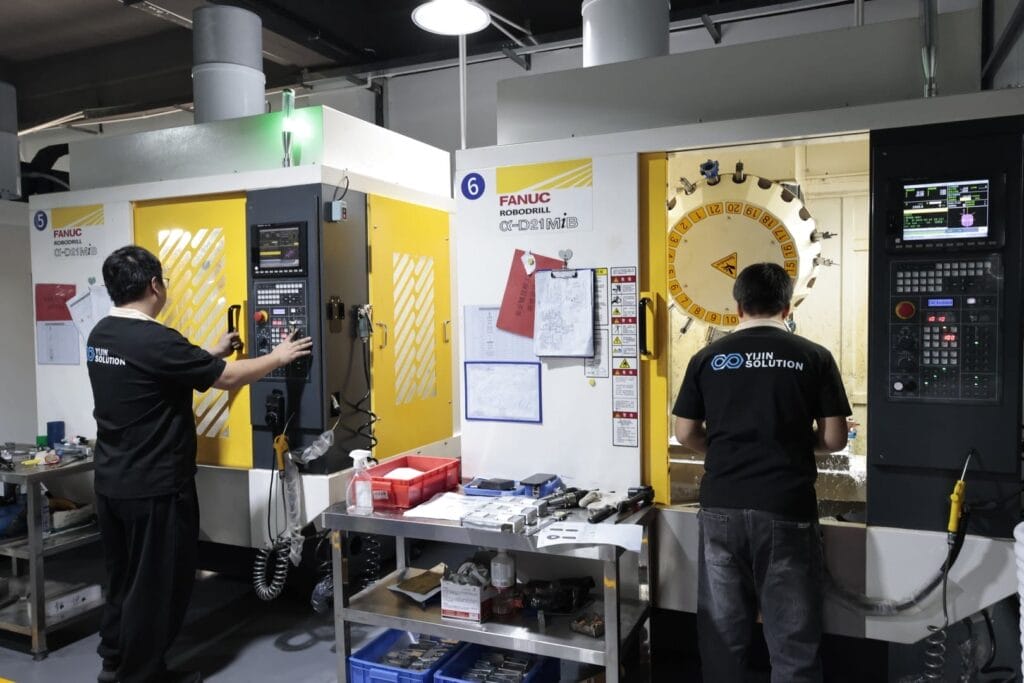
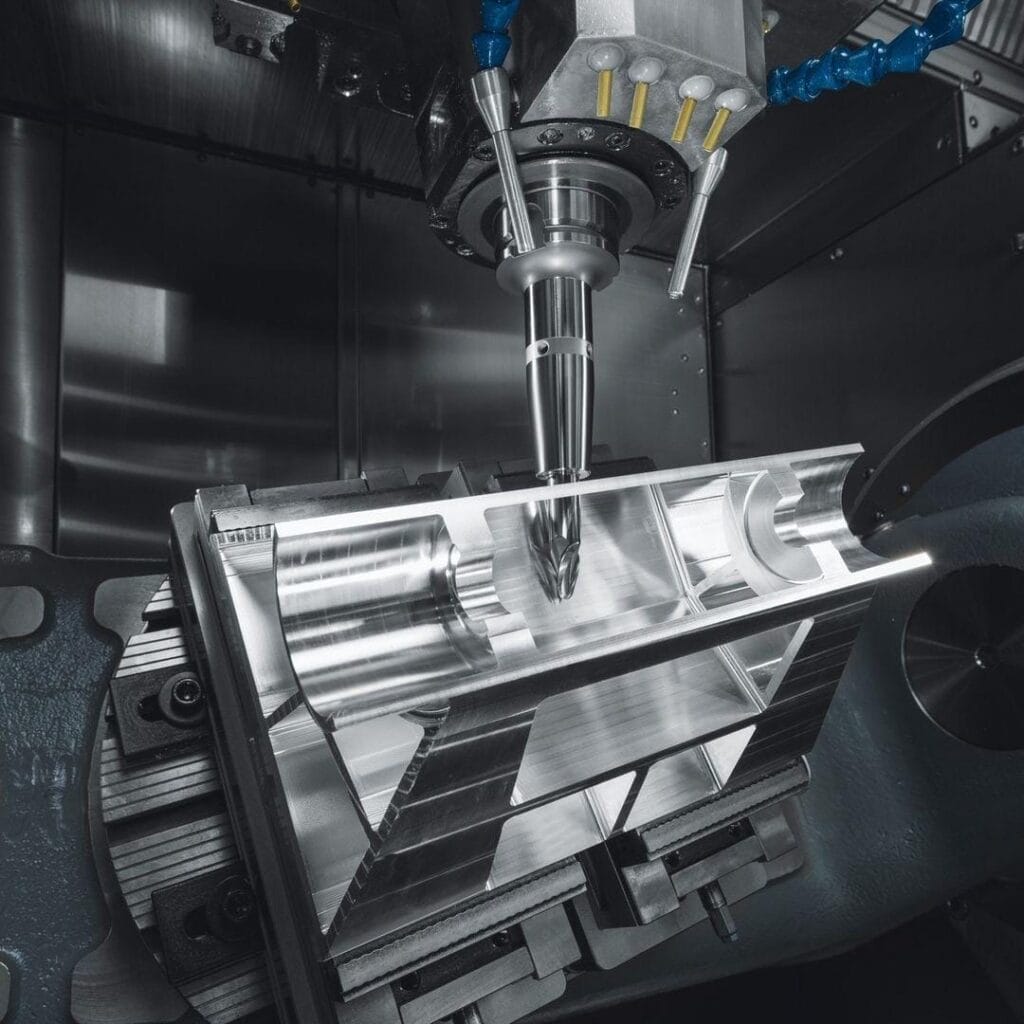
Our 278 CNC lathes and 80+ Swiss-type lathes machine custom fasteners with complex features that cold heading cannot produce. Use this process for parts with tight tolerances, unusual thread forms, or features such as stepped shanks, cross holes, and undercuts. Tolerances down to ±0.02 mm on diameter and ±0.05 mm on length.
Thread Rolling Services
Thread rolling forms threads by cold displacement rather than cutting. Rolled threads are stronger than cut threads because the grain flow is preserved, improving fatigue resistance. Available in metric (M1 to M36) and imperial (#0-80 to 1-8 UNC) thread forms. Standard tolerance classes 6g and 2A.
Tapping Services
Internal thread forming for nuts and threaded inserts. CNC tapping and rotary tapping machines produce threads from M1 to M36 metric and #0-80 to 1-8 UNC imperial. Tapping produces threads to Class 6H tolerance standard, with tighter Class 4H available for precision applications. Every tapped thread is verified with GO and NO-GO plug gauges.
Heat Treatment Services
In-house heat treatment produces fasteners to specified strength grades including SAE J429 Grades 2, 5, and 8, and ISO Property Classes 8.8, 10.9, and 12.9. Processes include quenching, tempering, carburizing, and induction hardening. Hardness testing on every batch with full documentation.
Plating and Finishing Services
Corrosion protection and surface finishing applied in-house. Zinc plating, electroless nickel, hot-dip galvanizing, black oxide, Dacromet, and chrome plating available. Salt spray test reports included with orders. ASTM F1941 and ISO 4042 plating standards supported.
From Idea to Production
Fastener manufacturing is one stage in a larger product development process. We support the full path from initial concept through engineering review, prototyping, design validation, and volume production.
Fastener Manufacturing Capabilities
| Характеристика | Описание |
|---|---|
| Допуски точности | ±0.02–±0.05 mm |
| Стандартный допуск | ±0.05–±0.10 mm |
| Стандартное время выполнения заказа | Samples: 7–15 days; Mass production: 10–20 days |
| Maximum Part Size | Maximum specification ≤ M24 or length ≤ 1000 mm |
Fastener Materials
We stock and process the materials listed below. Each is sourced with full mill certification and batch-level traceability.
Углеродистая сталь
| Тип | Common Классы |
| Low Carbon | SAE 1006, 1008, 1010, 1018 |
| Medium Carbon | SAE 1035, 1045 |
| Легированная сталь | SAE 4140, 4340, 8620, 10B21 |
Stainless Carbon Steel
| Тип | Common Классы |
| Austenitic | 304, 304L, 316, 316L, A2-70, A4-80 |
| Martensitic | 410, 416, 420 |
| Дуплекс | 2205 |
Латунь и медь
| Тип | Common Классы |
| Латунь | C2600 (H65), C2680 (H62), C3600 (HPb63-3) |
| Медь | C1100 (T2), C1020 (TU1) |
| Бронза | Phosphor bronze C5191, Silicon bronze C65100 |
Специальные сплавы
| Тип | Common Классы |
| Алюминий | 2024-T4, 6061-T6, 7075-T6 |
| Титан | Grade 2, Grade 5 (Ti-6Al-4V) |
| Никелевые сплавы | Inconel 718, Monel 400, Hastelloy C276 |

Fastener Surface Finishes
We apply surface finishes in-house to control quality and lead time. Each finish below improves corrosion resistance, appearance, и fastener performance.
Отделка поверхности
СПЕЦИФИКАЦИЯ

Zinc Plating
Electroplated zinc with clear, blue, or yellow chromate passivation. Standard plating thickness 5 to 20 microns. Provides 96 to 240 hours of salt spray resistance depending on chromate type. The most common plating for commercial-grade fasteners.

Hot-Dip Galvanizing
Molten zinc coating for heavy corrosion protection. Coating thickness 50 to 150 microns. Meets ASTM A153 for fasteners. Used on outdoor structural bolts, construction anchors, and marine hardware exposed to weathering.

Electroless Nickel Plating

Черный оксид
Conversion coating that produces a black magnetite surface on steel fasteners. Coating thickness under 2 microns, which preserves thread fit. Provides moderate corrosion resistance with oil supplementation. Common on automotive and machinery fasteners.

Dacromet and Geomet
Zinc flake coatings applied by dip-spin. Chromium-free options available. Salt spray resistance of 500 to 1,000 hours. Preferred for automotive fasteners, wind turbine bolts, and parts in high-corrosion environments.

Пассивация
Деловое исследование
Yijin Solution’s precision machining capabilities solved our bottleneck of the past six months. The tolerance stability of ±0.001 mm and a delivery cycle of 2.4 weeks increased our etching equipment capacity by 30%, and the consistency of the DLC coating directly extended the electrode’s lifespan.

⚑ Challenge
Vextron needed 7075-T6 aluminum Precision Electrode Holders with ±0.001 mm tolerance and a uniform DLC coating for plasma etching equipment. Previous suppliers capped out at ±0.003 mm, with 8% defect rates, inconsistent coating thickness, and 12-week lead times stalling the assembly line.
✓ Solution
Yijin deployed a four-stage protocol pairing DMG MORI five-axis machining with PCD micro-cutting, a custom vacuum-and-pin fixture, and a roughing, aging, finishing stress-relief cycle. A proprietary DLC coating process held film deviation within ±0.2 μm while Zeiss CMM inspection verified every batch.
Yijin’s ±0.003 mm precision control and low-temperature stress relief technology completely resolved our challenges. Nearly 800 delivered parts have a 100% inspection pass rate and show zero deformation in the simulated space environment of -180 °C to +150 °C.

⚑ Challenge
Thales Alenia Space needed aerospace sheet metal parts held to ±0.005 mm to survive vacuum, extreme temperatures, and radiation. Previous suppliers stalled at ±0.01 mm with yields below 85%, driving rework, deformation failures, and 30% schedule overruns.
✓ Solution
Yijin deployed five-axis machining, viscous soft mold forming for titanium, and liquid nitrogen stress relief, backed by AS9100D quality control and AI-optimized parameters. The system stabilized ±0.003 mm tolerances across titanium and 7075 aluminum components.
Working with Yijin Solution on the CNC machining of these robot parts exceeded our expectations. They achieved tight dimensional tolerances and delivered 20% faster than we anticipated, significantly improving the assembly compatibility of our robot products.

⚑ Challenge
Figure AI needed micron-level precision and batch consistency for core robot joint components. Previous suppliers couldn’t hold tolerances, leaving scrap rates above 20% and delaying production.
✓ Solution
Yijin Solution deployed five-axis CNC machining on 7075-T651 aluminum with SPC-monitored quality control, holding ±0.005 mm tolerances across mass production in a Class 10,000 cleanroom.

Yijin Solution’s precision machining capabilities solved our bottleneck of the past six months. The tolerance stability of ±0.001 mm and a delivery cycle of 2.4 weeks increased our etching equipment capacity by 30%, and the consistency of the DLC coating directly extended the electrode’s lifespan.

⚑ Challenge
Vextron needed 7075-T6 aluminum Precision Electrode Holders with ±0.001 mm tolerance and a uniform DLC coating for plasma etching equipment. Previous suppliers capped out at ±0.003 mm, with 8% defect rates, inconsistent coating thickness, and 12-week lead times stalling the assembly line.
✓ Solution
Yijin deployed a four-stage protocol pairing DMG MORI five-axis machining with PCD micro-cutting, a custom vacuum-and-pin fixture, and a roughing, aging, finishing stress-relief cycle. A proprietary DLC coating process held film deviation within ±0.2 μm while Zeiss CMM inspection verified every batch.
Yijin’s ±0.003 mm precision control and low-temperature stress relief technology completely resolved our challenges. Nearly 800 delivered parts have a 100% inspection pass rate and show zero deformation in the simulated space environment of -180 °C to +150 °C.

⚑ Challenge
Thales Alenia Space needed aerospace sheet metal parts held to ±0.005 mm to survive vacuum, extreme temperatures, and radiation. Previous suppliers stalled at ±0.01 mm with yields below 85%, driving rework, deformation failures, and 30% schedule overruns.
✓ Solution
Yijin deployed five-axis machining, viscous soft mold forming for titanium, and liquid nitrogen stress relief, backed by AS9100D quality control and AI-optimized parameters. The system stabilized ±0.003 mm tolerances across titanium and 7075 aluminum components.
Working with Yijin Solution on the CNC machining of these robot parts exceeded our expectations. They achieved tight dimensional tolerances and delivered 20% faster than we anticipated, significantly improving the assembly compatibility of our robot products.

⚑ Challenge
Figure AI needed micron-level precision and batch consistency for core robot joint components. Previous suppliers couldn’t hold tolerances, leaving scrap rates above 20% and delaying production.
✓ Solution
Yijin Solution deployed five-axis CNC machining on 7075-T651 aluminum with SPC-monitored quality control, holding ±0.005 mm tolerances across mass production in a Class 10,000 cleanroom.
Start Your First Fastener Project
We make it simple to go from drawing to delivered fasteners. Follow these four steps to start your fastener manufacturing project.

Get a quote
Upload your fastener drawing, sample, design file, or specification. Receive a quote within 24 hours.

Производство
Our engineering team reviews your design for manufacturability, then schedules production on the appropriate line.

Контроль качества
Every batch is inspected against your drawing specifications using thread gauges, hardness testers, and optical measurement before packaging.

Доставка
Fasteners ship with dimensional inspection reports, material certifications, and plating test results. Express shipping is available for time-sensitive orders.
Yijin Solution’s Custom Fastener Capabilities
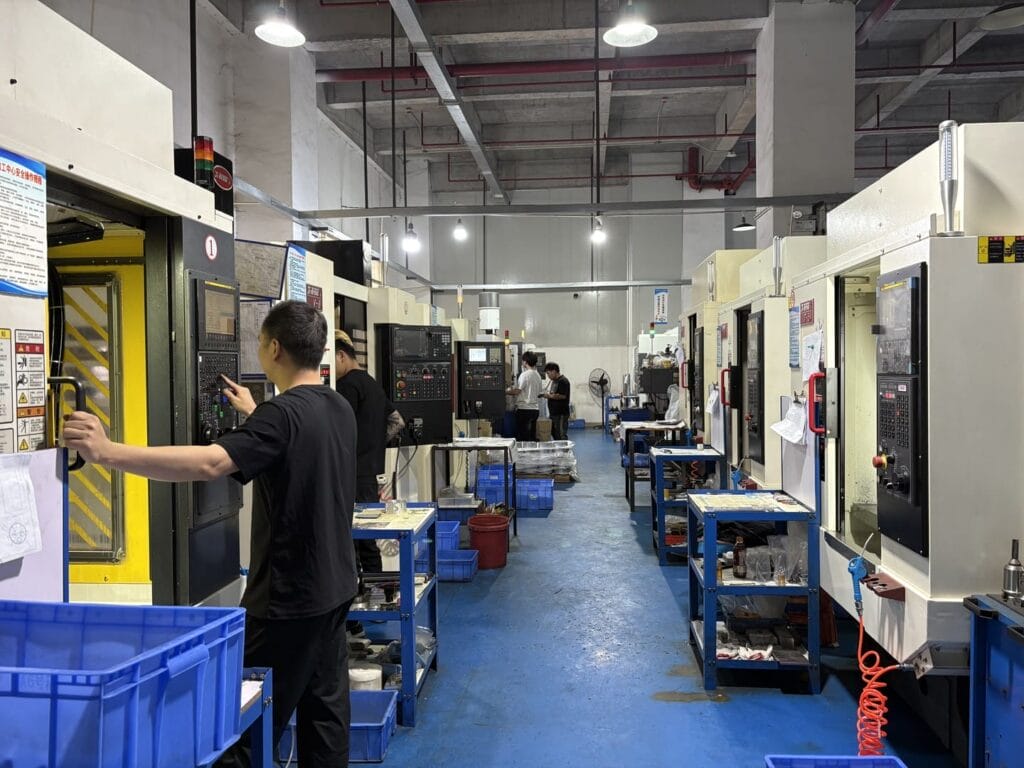
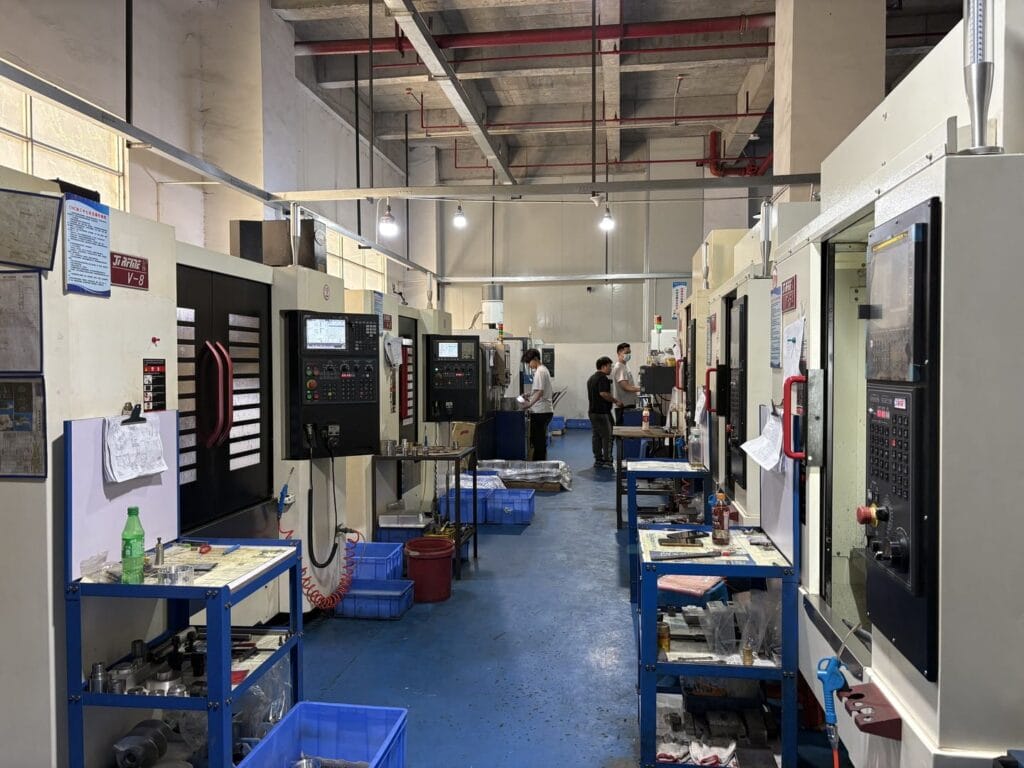
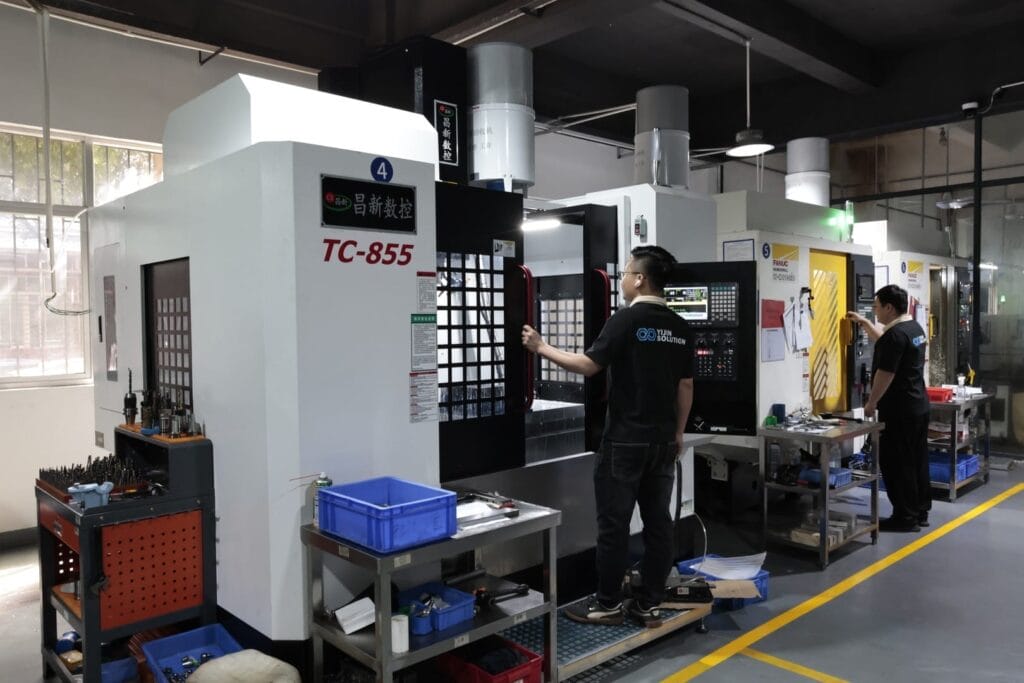
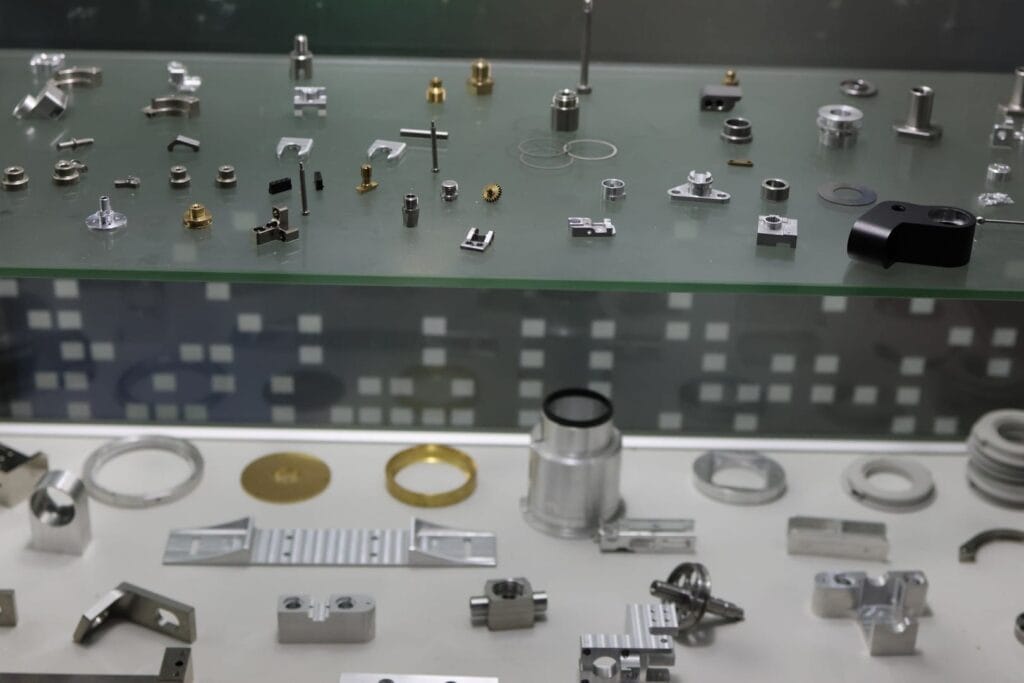
Yijin Solution operates a 25,000+ m² manufacturing facility in Shenzhen, China. Наш сайт factory houses 150 cold heading machines, 278 CNC lathes, 80+ Swiss-type lathes, and 281 inspection instruments. Fasteners move from wire drawing through heading, threading, heat treatment, and plating without leaving the facility.
We serve clients across North America, Europe, and Asia-Pacific. Every order ships with full dimensional inspection reports, material certifications, and where applicable, hardness and salt spray test results. For projects requiring aerospace or automotive compliance, our production runs under AS9100D and IATF 16949 quality management systems.


Custom Fastener Gallery
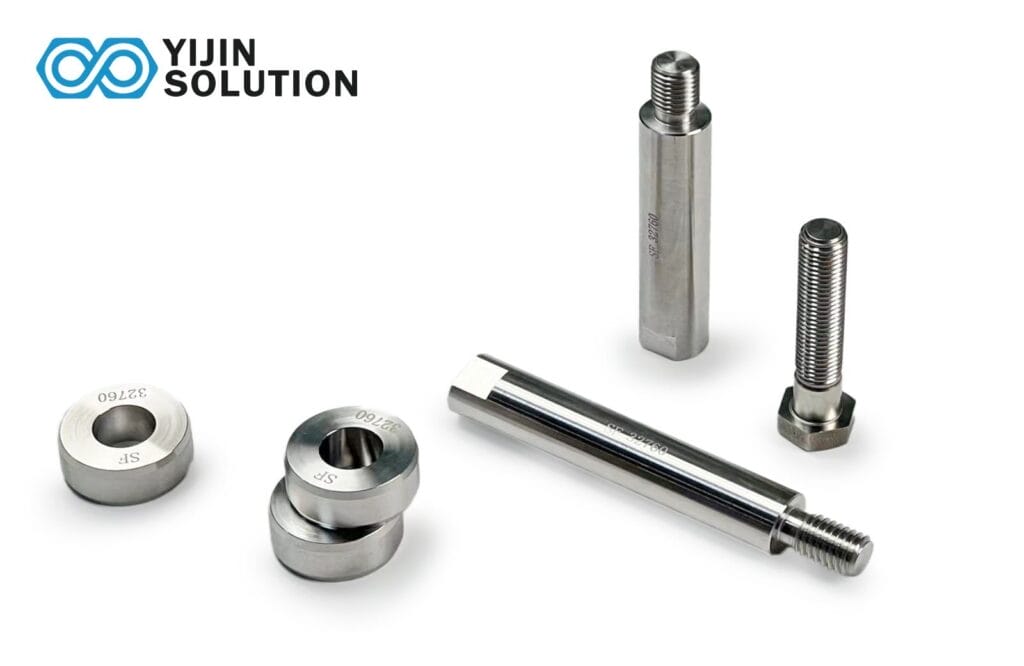
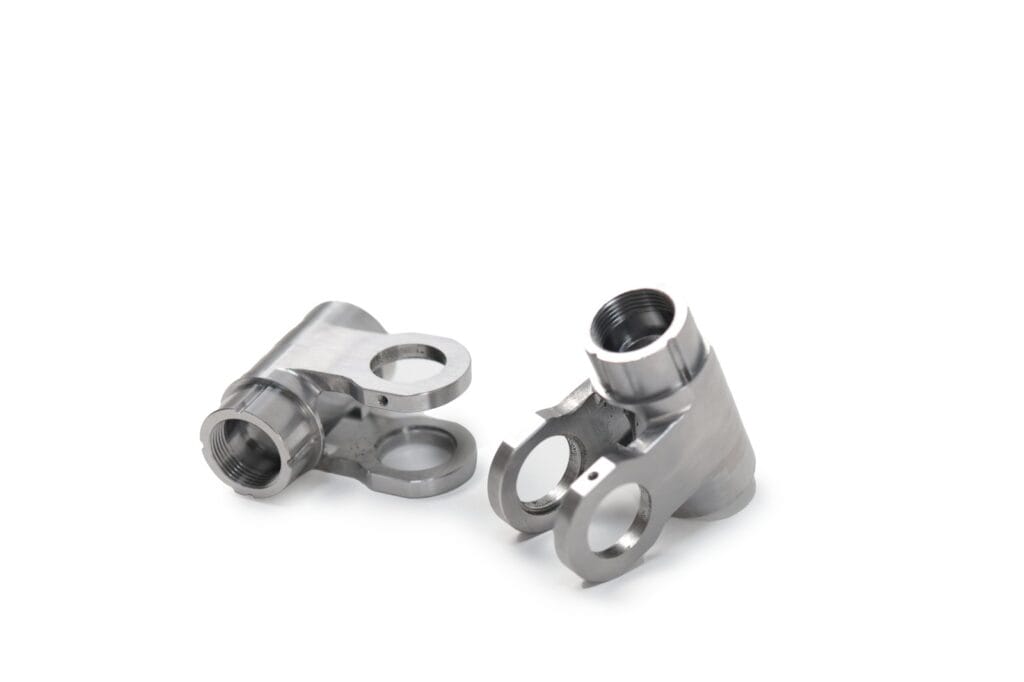
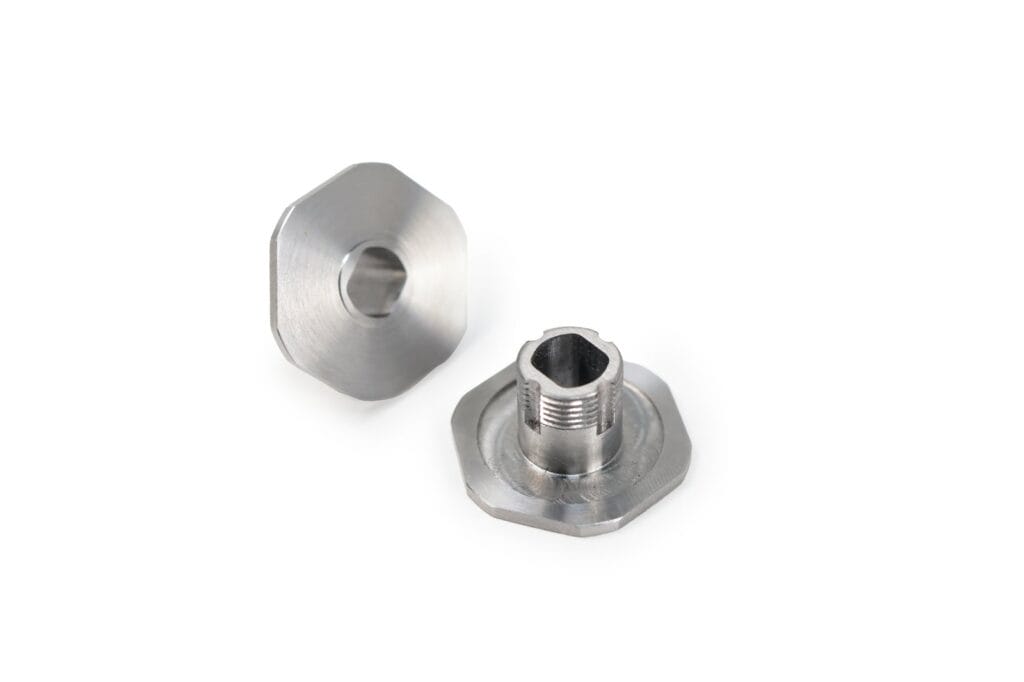
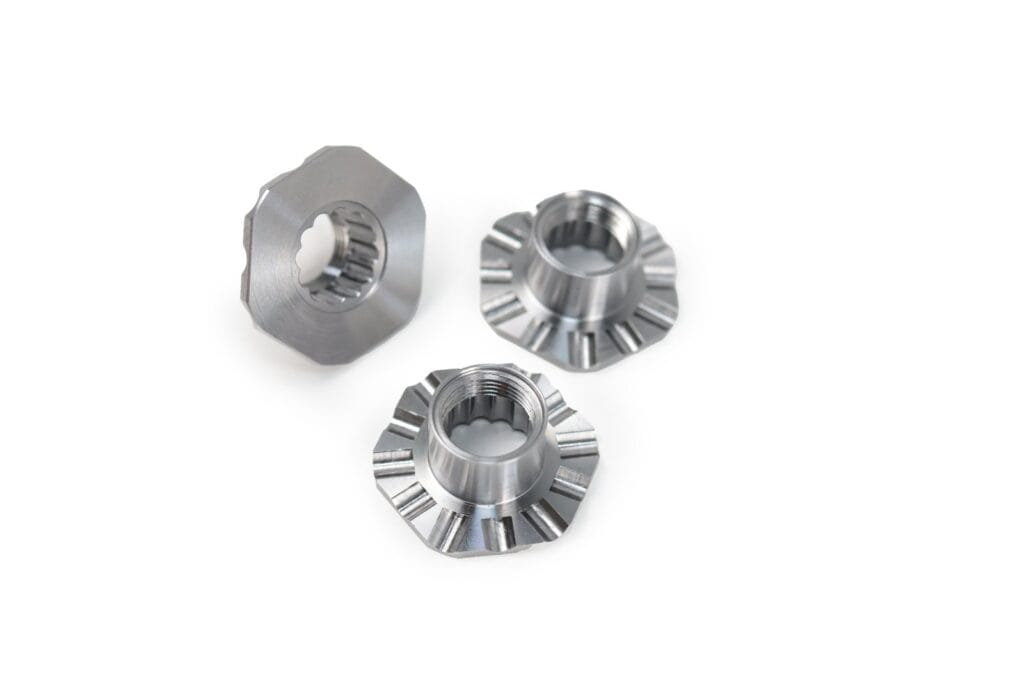
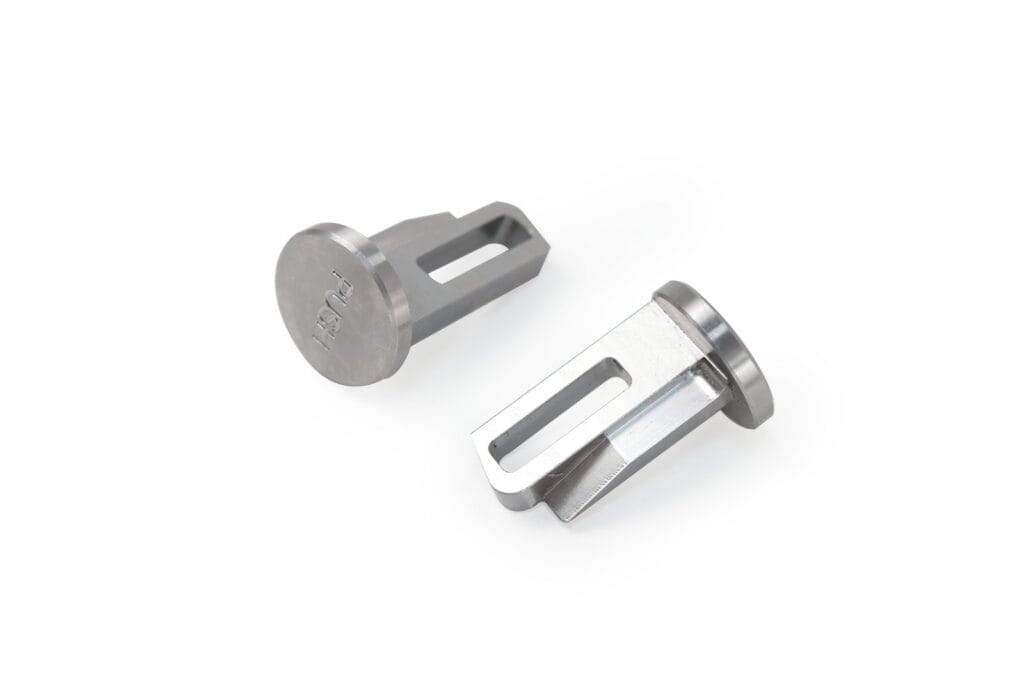
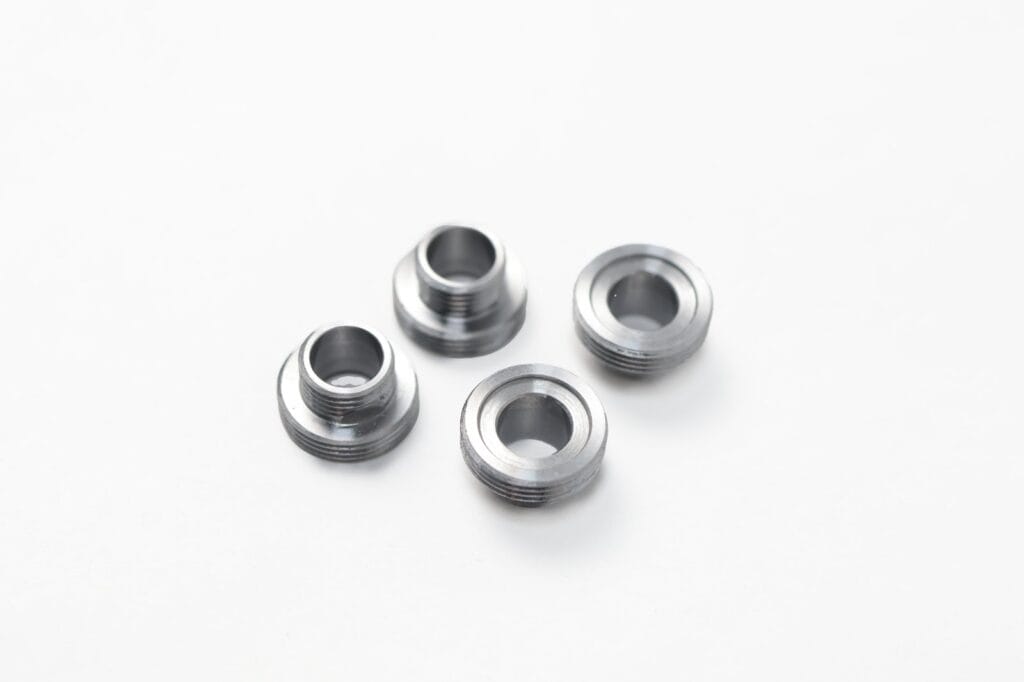
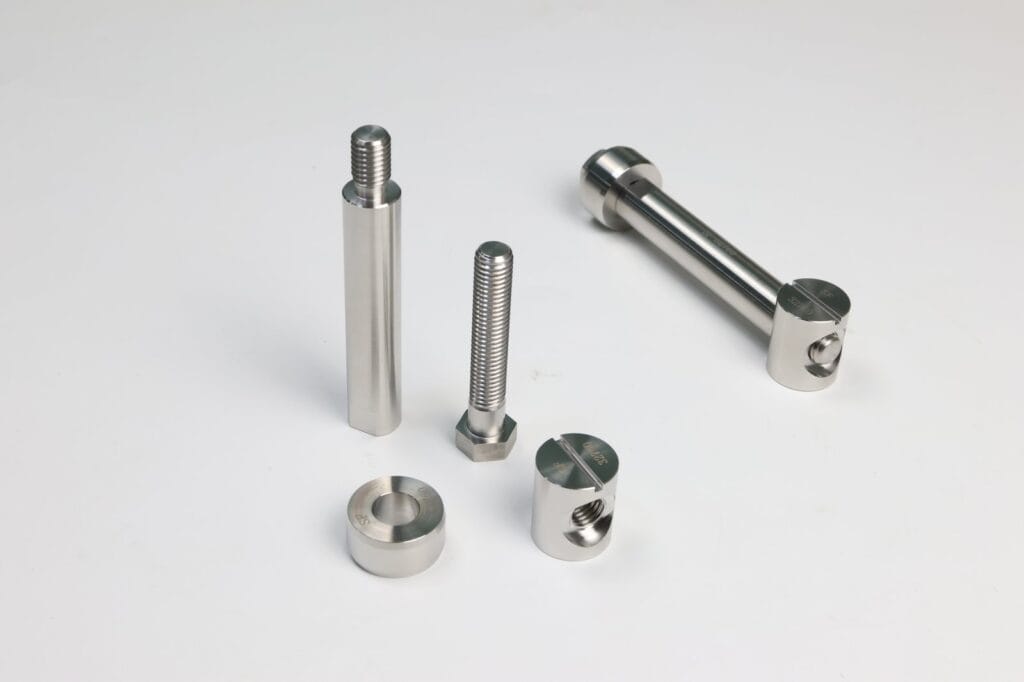
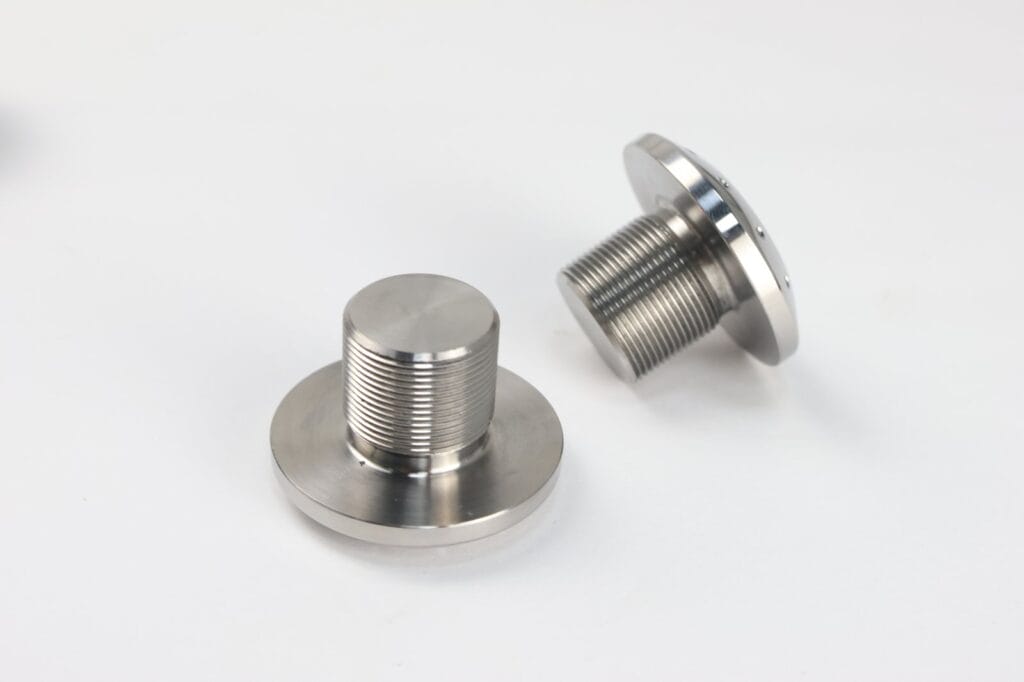
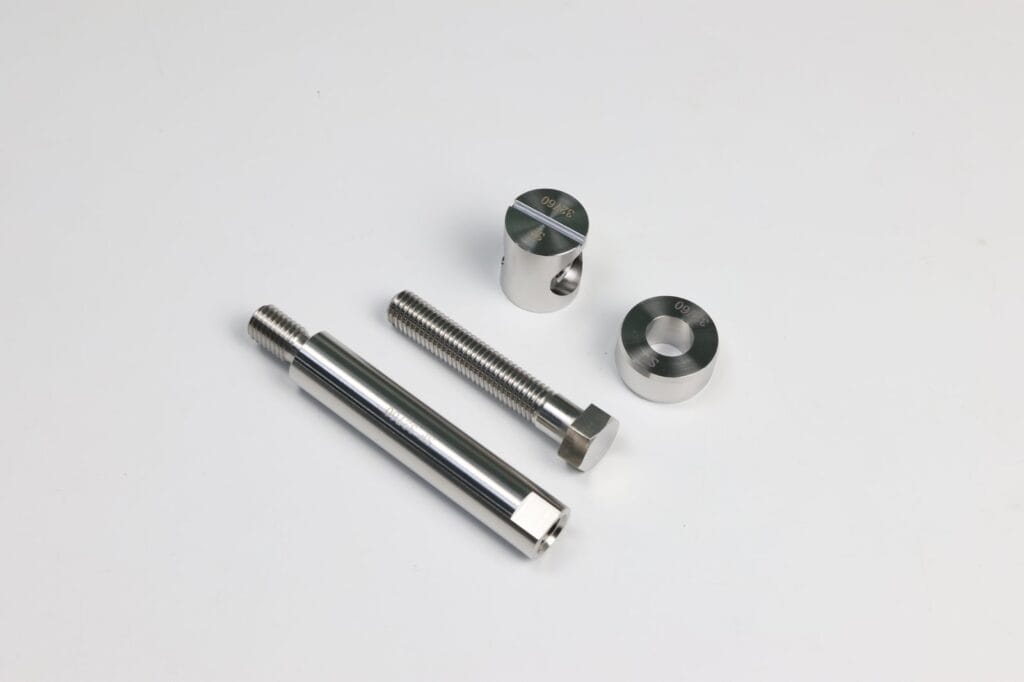
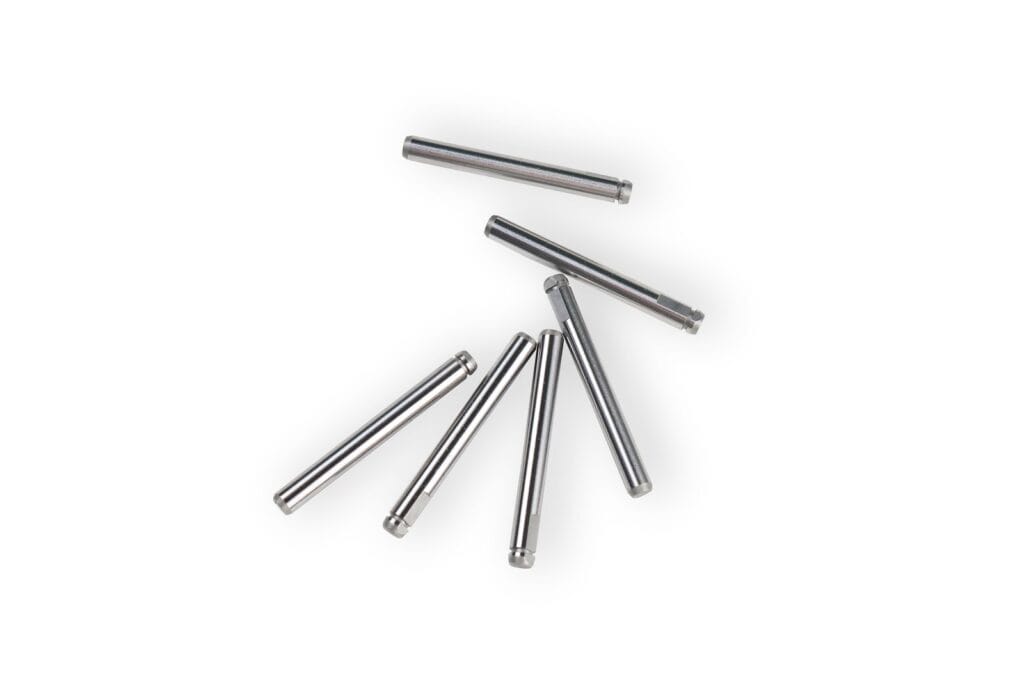
These custom fasteners were produced at our Shenzhen facility for our clients in the aerospace, automotive, medical, and construction industries.


Отрасли, которые мы обслуживаем
Wind turbine tower bolts, solar mounting hardware, and battery pack fasteners with Dacromet coatings for long-term corrosion and fatigue resistance.
Marine-grade stainless steel bolts, U-bolts, and deck hardware with salt spray-resistant finishes for offshore and port equipment.
AS9100D-certified structural bolts, hi-lock pins, and locking nuts in titanium and A286 with full material traceability.
Engine bolts, chassis hardware, and self-tapping screws produced under IATF 16949 with PPAP Level 3 documentation.
Miniature screws, captive fasteners, and thread-forming hardware for appliances, furniture, and consumer electronics assemblies.
Bone screws, instrument fasteners, and equipment hardware in passivated stainless steel and titanium under ISO 13485.
Cleanroom-grade fasteners with electropolished surfaces and low-outgassing finishes for wafer handling and vacuum equipment.
Ejector pins, leader pins, and hardened tool steel fasteners for injection mold assemblies and precision die sets.
High-strength bolts and corrosion-resistant locking hardware to MIL-SPEC and NAS standards with full documentation.
Why Choose Yijin Solution for Custom Fasteners
We control every step of fastener production from wire drawing through heading, threading, heat treatment, and finishing. That vertical integration means shorter lead times, consistent quality across batches, and direct pricing without broker markups.

Tensile testers, hardness testers, optical comparators, and GO/NO-GO thread gauges verify every batch. Fasteners hold tolerances to ±0.02 mm with First Article Inspection and PPAP Level 3 documentation standard on all orders.

Samples ship in 7 to 15 days and production orders in 10 to 20 days. 150 cold heading machines plus in-house threading, heat treatment, and plating keep parts moving without supplier handoffs.

No minimum order quantity. Prototype runs of 10 fasteners and production orders of 1,000,000+ pieces go through the same equipment and inspection standards.

Your prototype and production fasteners come from the same factory. No re-qualification, no new vendor onboarding, and no process variation when you scale from validation to volume.

Carbon steel, stainless steel, alloy steel, brass, aluminum, and titanium in standard strength grades. Every order ships with mill certificates and heat-lot traceability.

Direct factory pricing without broker margins. Our engineering team reviews your drawing before production to identify design changes that reduce material waste and processing time.
FAQs About Custom Fasteners
Common questions about custom fasteners, materials, and our production process.
1. How do I choose the right material for my fastener?
Material selection depends on load requirements, operating environment, and corrosion exposure. Carbon steel is the most cost-effective choice for general commercial and industrial fasteners. Grades 5 and 8 provide higher tensile strength for structural applications.
Stainless steel 304 and 316 resist corrosion in outdoor and humid environments. 316 performs better in chloride-rich or marine applications. Both grades have lower tensile strength than heat-treated carbon steel, so strength-critical applications may require A286 or 17-4 PH.
For weight-sensitive applications, titanium Grade 5 provides strength comparable to Grade 8 steel at 40 percent less weight. Brass and aluminum fasteners are specified for electrical applications and non-magnetic requirements.
If you’re unsure which material to specify, our engineering team can recommend the right option during the DFM review based on your fastener’s operating conditions.
2. What is a cold heading?
Cold heading is a metal-forming process that shapes fasteners at room temperature by striking a wire blank with progressive dies. The wire is cut to length, then forced into a series of die cavities that form the head, shank, and any recesses in sequence.
Unlike machining, cold heading does not remove material. The metal flows into the die shape, which preserves the grain structure and produces a stronger part than equivalent machined fasteners. Material waste is under 5 percent compared to 30 to 60 percent for machined fasteners.
Cold heading is the most cost-effective process for high-volume fastener production. Single strikes produce flat-head parts. Multi-stage heading (two to six blows) produces bolts, socket screws, and rivets with more complex head geometries.
The process is limited by blank diameter (typically 1 to 25 mm) and the maximum length-to-diameter ratio (around 5:1 for cold-formed shanks). Parts outside these ranges are produced by CNC turning or hot forging.
3. Can custom fasteners be plated or finished?
Yes. Fasteners accept a range of surface finishes, including zinc plating, hot-dip galvanizing, electroless nickel, black oxide, Dacromet, and passivation.
Zinc plating is the most common finish for commercial-grade steel fasteners. Standard plating thickness is 5 to 15 microns, providing 96 to 240 hours of salt spray resistance depending on chromate type.
Hot-dip galvanizing produces a thicker zinc coating (50 to 150 microns) for outdoor structural fasteners. Dacromet and Geomet zinc-flake coatings deliver 500 to 1,000 hours of salt spray resistance for automotive and wind energy applications.
For stainless steel fasteners, passivation is the standard post-processing step. It removes surface iron contamination and restores corrosion resistance per ASTM A967.
Fastener finish selection should match the operating environment, mating material, and any electrical or visual requirements. Plating adds to part diameter, so thread class and torque specifications should be reviewed with your supplier before production.
4. What materials can be used for custom fasteners?
Custom fasteners are manufactured from a range of metals and alloys. The most common are carbon steel, alloy steel, stainless steel, brass, aluminum, and titanium.
Low-carbon steel (SAE 1006 to 1018) is cold-headed for commercial-grade bolts, screws, and rivets. Medium and alloy steels (SAE 1045, 4140, 8620) are used for heat-treated high-strength fasteners in Grades 5, 8, and 10.9.
Stainless Steel 304 and 316 handle corrosive environments. A2-70 and A4-80 are the ISO equivalents with defined tensile strength ratings. Martensitic grades 410 and 420 accept heat treatment for higher hardness.
Brass grades C2600 and C3600 are used for electrical fasteners and non-magnetic applications. Aluminum 7075-T6 produces lightweight aerospace fasteners. Titanium Grade 5 is specified for medical implants and critical aerospace components.
Material selection should match the fastener’s mechanical load, operating environment, and mating material. Our DFM review can identify the best material for your application before production starts.
5. What are the typical diameter and length ranges for custom fasteners?
We produce custom fasteners from 1.0 mm minimum diameter up to 36 mm. Length range is 2 mm to 2,000 mm depending on manufacturing process.
Cold heading covers diameters from 1.5 mm (M1.6) to 25 mm (M24), with lengths typically under 150 mm. This is the most cost-effective process for high-volume orders.
CNC turning and Swiss machining cover diameters from 1.0 mm to 50 mm with lengths up to 2 m. Use these processes for fasteners with stepped shanks, cross holes, non-standard threads, or tolerances tighter than cold heading can hold.
Thread range spans M1 to M36 in metric and #0-80 to 1-8 UNC in imperial. Custom thread forms including ACME, buttress, and trapezoidal are available through CNC turning.
Specify your required diameter, length, and thread early in the drawing review. These parameters determine the manufacturing process, tooling cost, and achievable tolerance.
6. What are the other materials used in custom fasteners?
Beyond the standard grades, custom fasteners can be produced in specialty alloys for specific performance requirements.
A286 (UNS S66286) is a precipitation-hardened stainless steel used in aerospace fasteners. It retains strength up to 700°C and resists oxidation. Common in engine, exhaust, and turbine applications.
17-4 PH stainless steel is heat-treated to tensile strengths over 1,200 MPa. Used for high-strength corrosion-resistant fasteners in marine, chemical processing, and oil and gas.
Inconel 718 and Monel 400 handle extreme temperatures and aggressive chemical environments. These nickel alloys are expensive and slow to machine but are specified when standard steels cannot meet operating conditions.
Titanium Grade 2 (commercially pure) and Grade 5 (Ti-6Al-4V) are used for medical implants, aerospace fasteners, and chemical equipment. Grade 5 provides 950 MPa tensile strength at half the weight of steel.
Specialty alloys increase cost and lead time. Confirm availability and minimum order quantities during the DFM review.
7. How accurate are the dimensions and threads on custom fasteners?
Dimensional accuracy depends on manufacturing process and fastener size. Modern CNC-controlled equipment delivers repeatable precision across production runs.
Cold-headed fasteners hold diameter tolerances of ±0.05 mm and length tolerances of ±0.1 mm. Head dimensions are typically ±0.1 mm on flats and ±0.05 mm on height.
CNC-turned fasteners hold ±0.02 mm on diameter and ±0.05 mm on length. Tighter tolerances down to ±0.01 mm are achievable with Swiss machining for small-diameter parts.
Thread accuracy depends on class. Class 6g/2A is standard for commercial fasteners. Class 4h/3A is available for precision applications. Every production run is inspected with GO and NO-GO ring and plug gauges.
To get the best accuracy from your supplier, provide clear tolerances on functional dimensions and flag which features are critical. Over-tolerancing every dimension increases cost without improving fastener performance.
8. What custom fastener manufacturing processes are available?
Custom fastener production covers a range of processes that convert wire or bar stock into finished parts. Here are the primary processes available through most full-service fastener manufacturers.
Cold Heading: Progressive dies form the head, shank, and recesses from a wire blank. The most cost-effective process for volumes above 10,000 pieces. Diameter range 1.5 to 25 mm.
CNC Turning: Rotating bar stock is machined by cutting tools. Suitable for fasteners with complex geometries, unusual thread forms, or tolerances tighter than cold heading allows.
Swiss Machining: A variant of CNC turning for small-diameter, long, or precision parts. Used for miniature fasteners and medical screws with tolerances to ±0.01 mm.
Thread Rolling: Hardened dies form threads by cold displacement rather than cutting. Rolled threads are stronger than cut threads and produce no chips. Standard process for high-strength fasteners.
Термообработка: Quenching, tempering, carburizing, or induction hardening produces fasteners to specified strength grades (Grade 5, 8, Class 8.8, 10.9, 12.9).
Plating and Coating: Zinc, hot-dip galvanizing, electroless nickel, black oxide, Dacromet, and chrome plating applied after threading. Provides corrosion resistance and appearance.
Inspection and Testing: Dimensional inspection with CMM and thread gauges. Mechanical testing includes tensile, hardness, and torque-tension. Salt spray testing for plated fasteners.
A full-service manufacturer combines these processes under one roof, reducing lead times and eliminating the coordination overhead of managing multiple suppliers.
Custom Fastener Guides

Виды механической резьбы
Резьба - это спиралевидные гребни, которые нарезаются на цилиндрических или конических поверхностях. Они довольно изобретательны - преобразуют вращательное
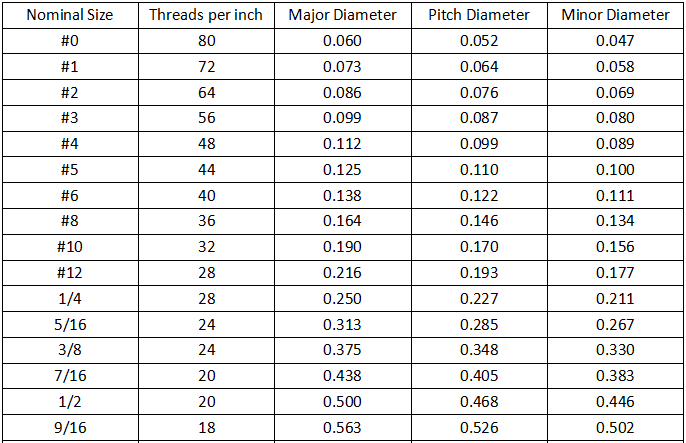
Полный справочник по размерам резьбы: Понимание всех стандартов и областей применения
Резьбовые компоненты имеют точные спецификации для обеспечения целостности сборки и производительности. Мы составили эту таблицу размеров резьбы, чтобы помочь
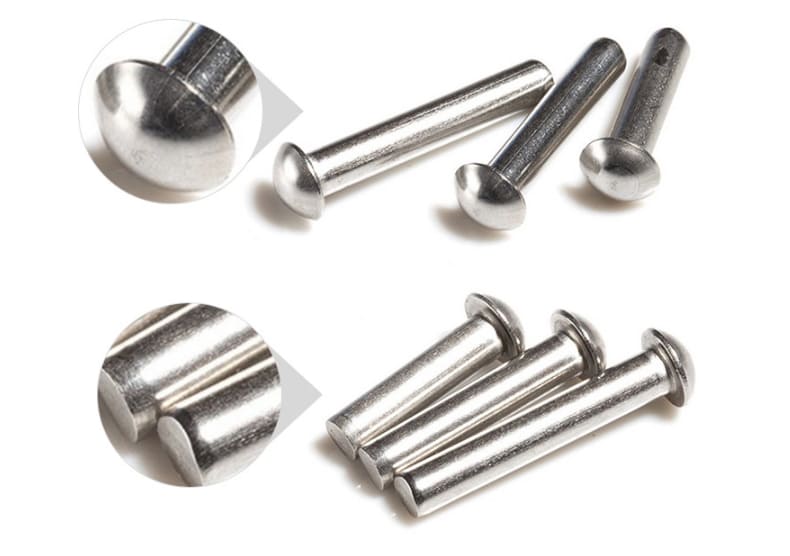
Виды заклепок и их применение
Заклепки - это неразъемные механические крепежные элементы, используемые для соединения материалов. К распространенным типам относятся цельные, глухие, трубчатые, разъемные, буртиковые, приводные, самопрокалывающие и
Начните сегодня. Быстрое изготовление деталей.
Custom CNC machined parts to your exact specifications, with reduced lead times.