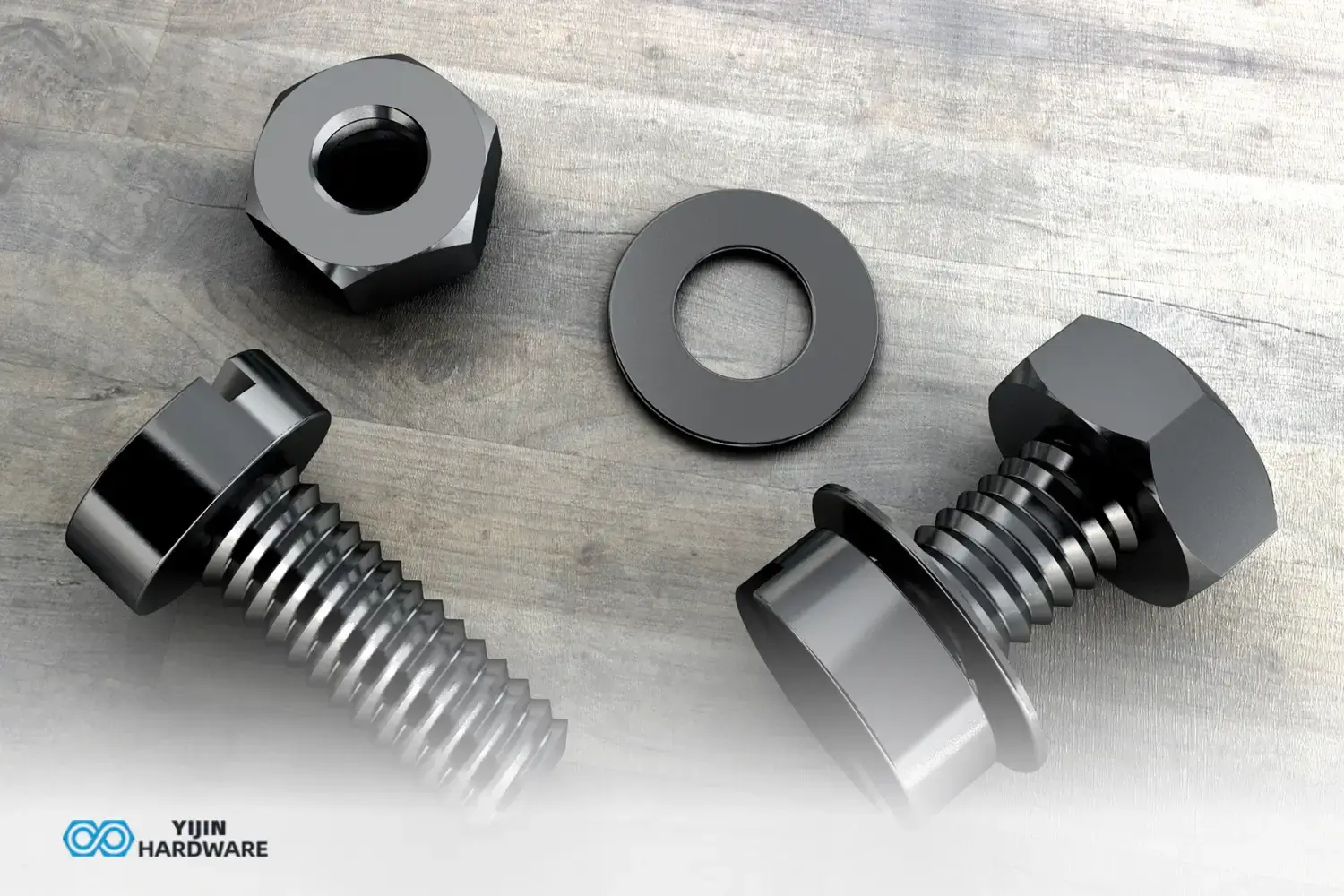
Виды механической резьбы
Резьба - это спиралевидные гребни, которые нарезаются на цилиндрических или конических поверхностях. Они довольно изобретательны - преобразуют вращательное

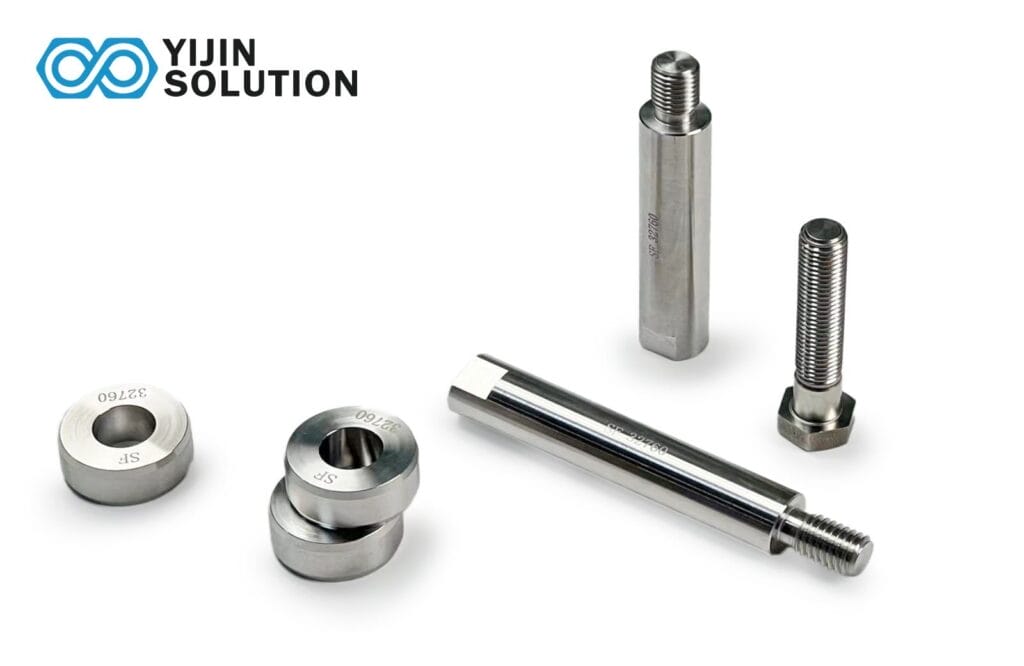
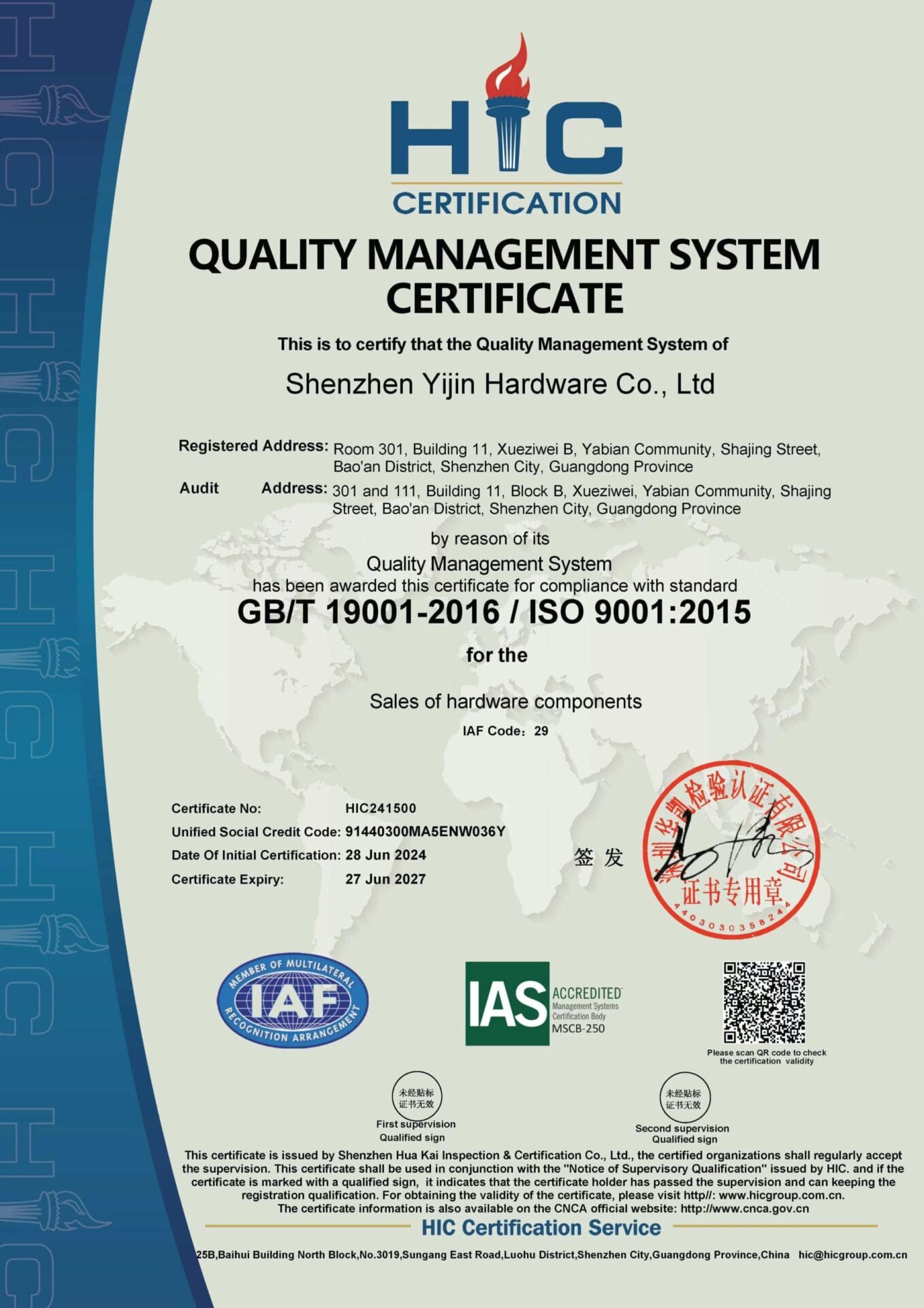
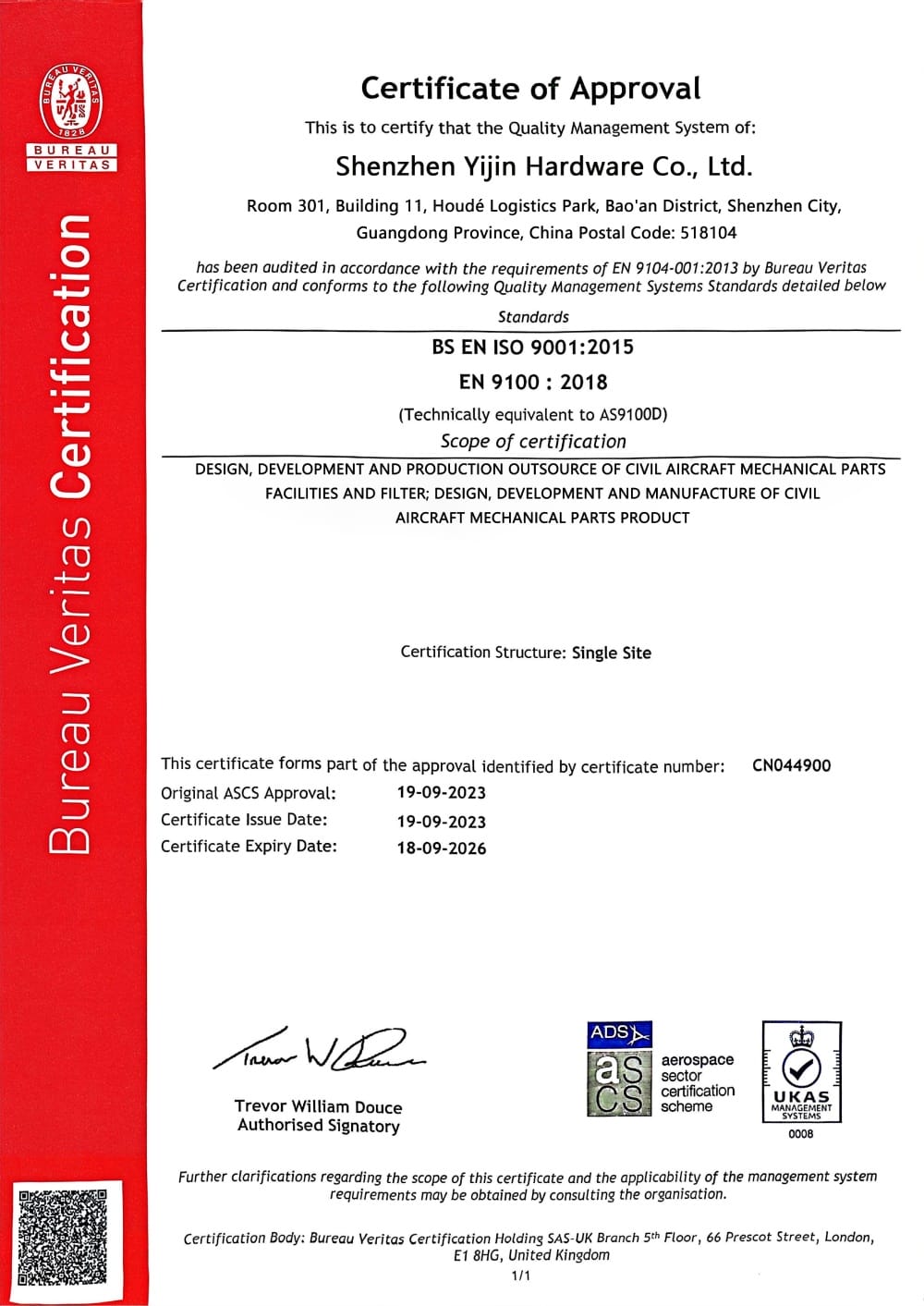
Precision CNC turning for shafts, bushings, pins, and threaded parts in aluminum, steel, titanium, brass, and engineering plastics. 278 CNC lathes and 80+ Swiss-type lathes run at our 25,000 m² facility in Shenzhen with ISO 9001, AS9100, and ISO 13485 quality systems.
Upload your STEP, IGES, or SLDPRT file to receive a DFM review and instant quote within 24 hours.


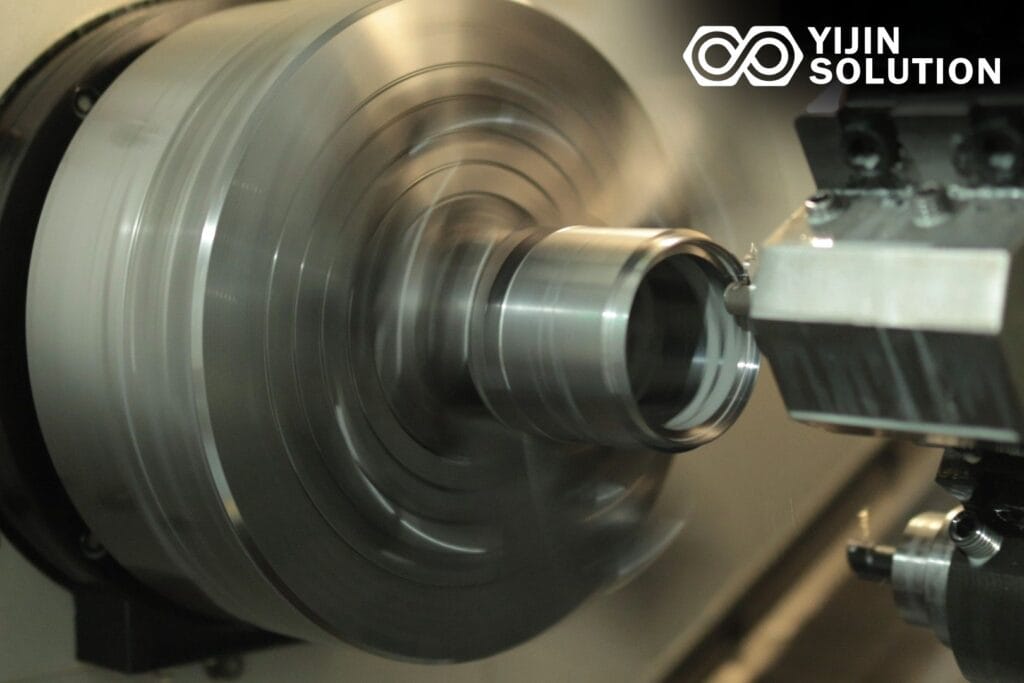
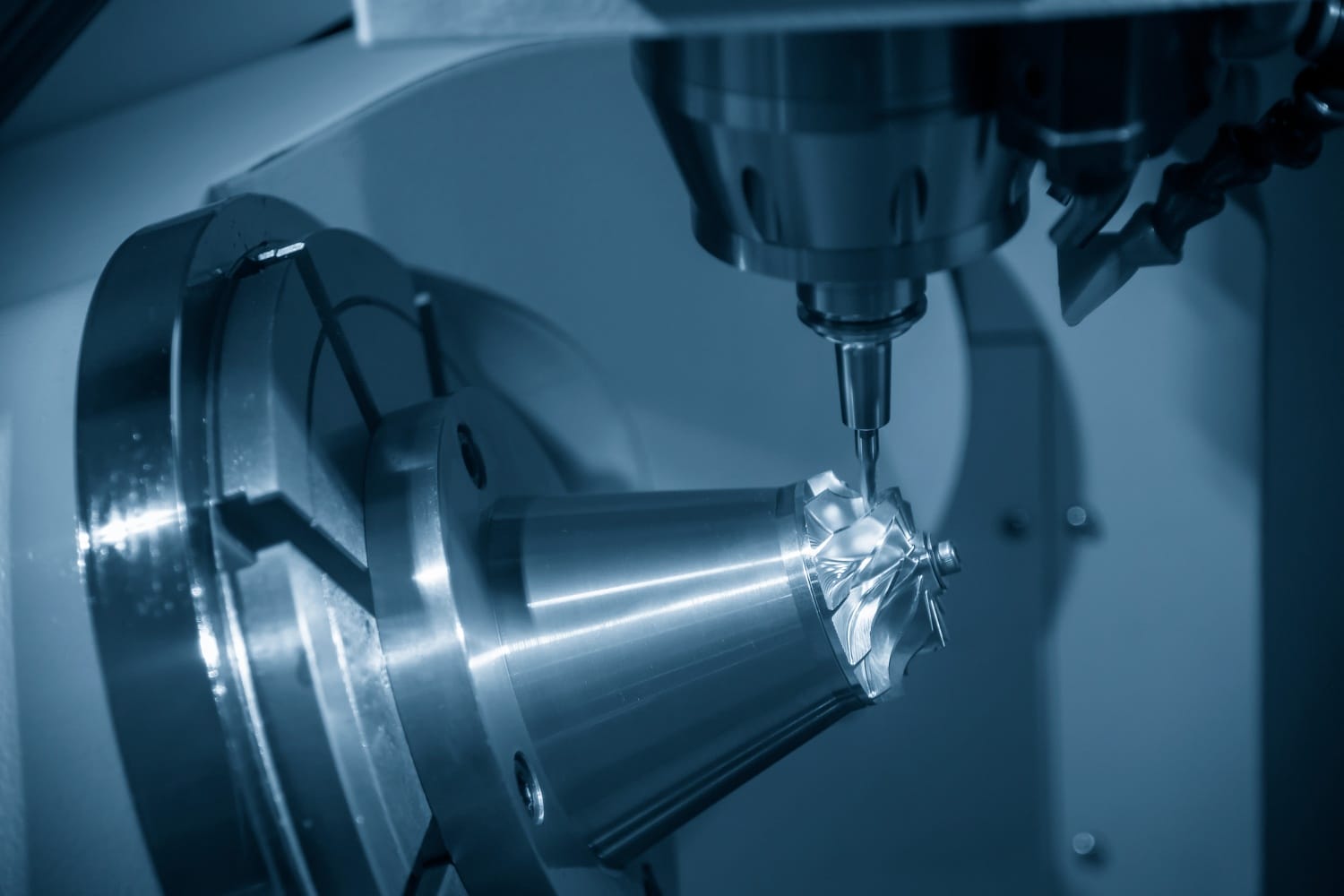
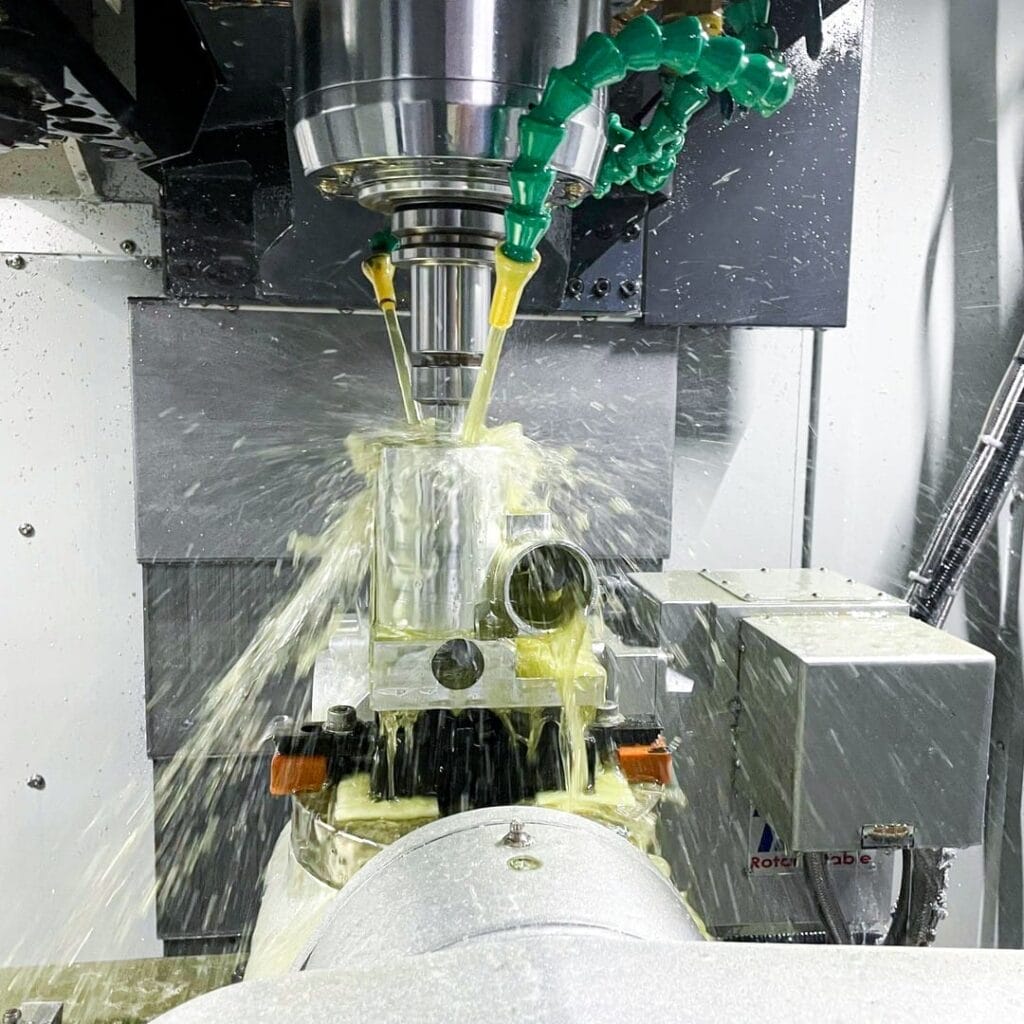
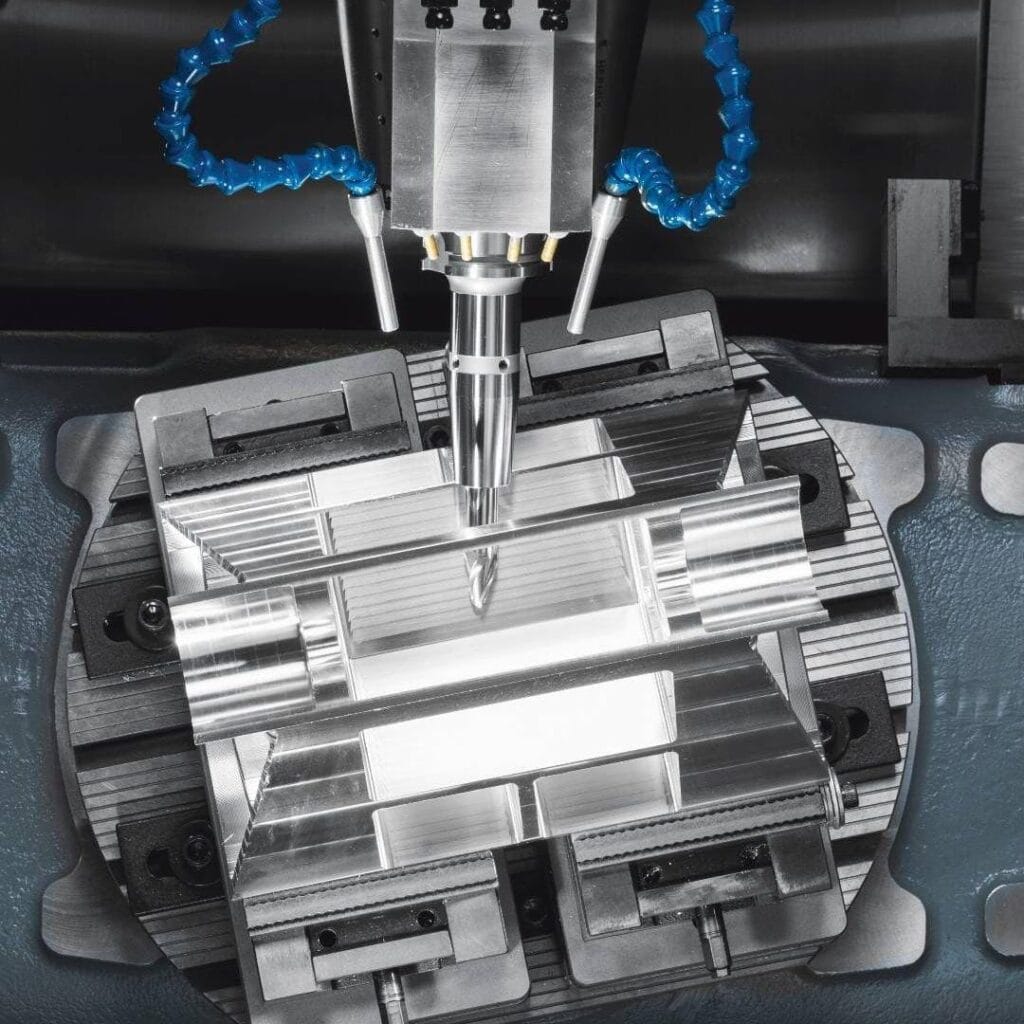
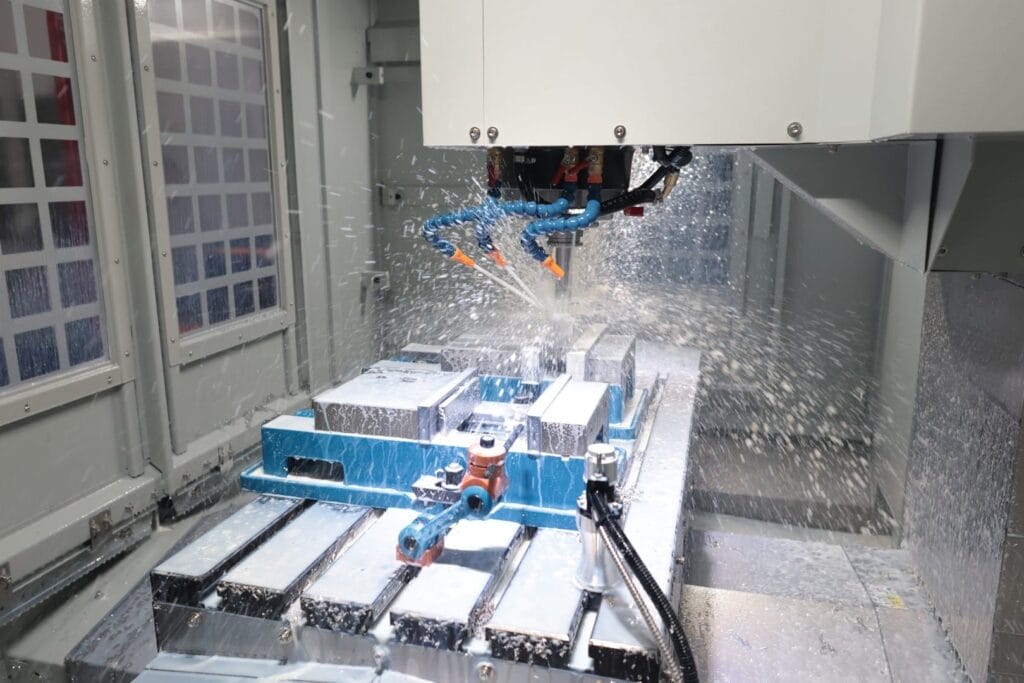
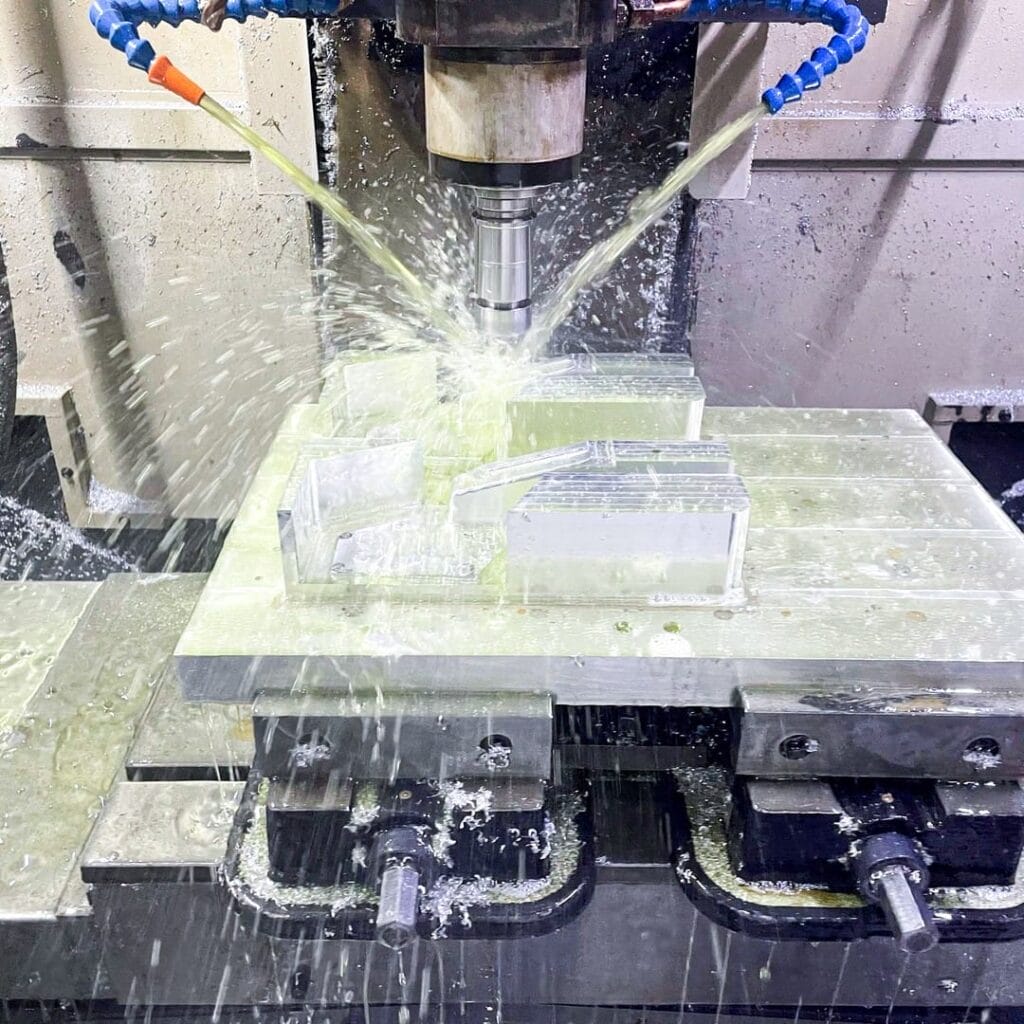
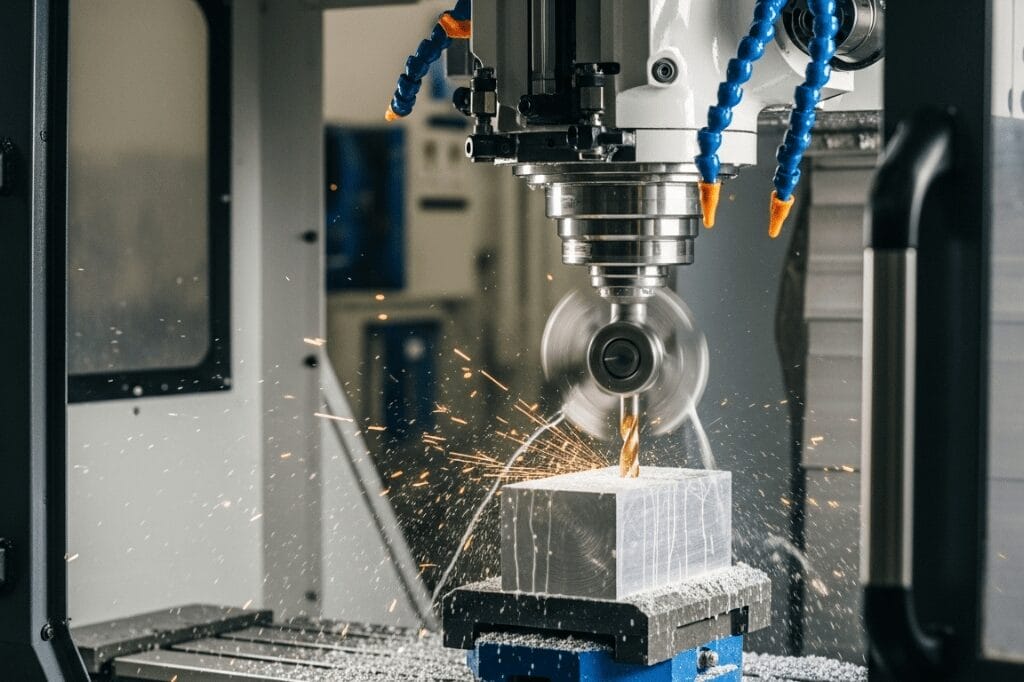
CNC turning is a subtractive manufacturing process. The workpiece rotates in a chuck at high speed while a stationary cutter feeds into the material, shaping cylindrical, conical, and threaded features under numerical control. Turning is the correct process for shafts, bushings, pins, threaded components, valve bodies, and any part built around a rotational axis.
CNC turning sits inside our broader Обработка с ЧПУ alongside CNC milling and Swiss machining. We cover 2-axis lathes, live-tooling turn-mill centers, and Swiss-type lathes in 50+ metals and engineering plastics, with deburring, plating, anodizing, and polishing in-house. The same machines handle prototypes and serialized production, so process data transfers from validation to volume.

| Характеристика | Описание |
|---|---|
| Допуски точности | ±0,01 мм |
| Стандартный допуск | ±0,05 мм |
| Стандартное время выполнения заказа | 10–15 days, 7 days fastest for mini order |
| Maximum Part Size | within 400 mm diameter |
We stock and turn 50+ material grades across aluminum, steel, specialty metals, and engineering plastics. Every bar ships with mill certification and lot-level traceability. Material selection follows the part’s mechanical load, operating environment, cost target, and regulatory context.
| Тип | Common Классы |
| Free-Machining Aluminum | 6061-T6, 6063-T5, 2024-T4 |
| High-Strength Aerospace | 7075-T6 |
| Corrosion-Resistant | 5052-H32, Cast Al 356 |
| Тип | Common Классы |
| Free-Cutting Stainless | 303, 304, 316, 416, 17-4 PH |
| Tool and Alloy Steel | 4140, 4340, 8620 |
| Carbon and Structural Steel | 1018, 1045, 12L14, Q235, Q345 |
| Тип | Common Классы |
| Титан | Grade 2 (CP), Grade 5 (Ti-6Al-4V) |
| Specialty Metals | C36000, C26000, C28000, C11000, C12200 |
| Nickel Superalloys | Inconel 718, Monel 400, Hastelloy C276 |
| Тип | Common Классы |
| High-Performance | PEEK, PEI (ULTEM), PTFE |
| Engineering Thermoplastics | POM (Delrin), Nylon (PA6, PA66), PC |
| Commodity and Sheet | PMMA (Acrylic), ABS, PVC, PP |

We apply surface finishes in-house to control quality and lead time. Each finish below improves corrosion resistance, wear performance, or appearance of the turned part.
Отделка поверхности
СПЕЦИФИКАЦИЯ

As-Machined
Parts ship directly off the lathe with deburred edges and clean tool-path marks. Standard finish for functional prototypes and non-cosmetic production parts. Surface finish 1.6 to 3.2 μm Ra depending on tool nose radius and feed rate.

Bead Blasting and Sandblasting
Media blasting with fine glass beads or aluminum oxide produces a uniform matte finish. Standard anodizing prep and default finish for non-cosmetic aluminum and stainless turned parts. Surface finish near 1.6 μm Ra.

Anodizing (Aluminum)

Порошковое покрытие
Electrostatic powder application baked at 180 to 200 °C. Coating thickness 60 to 120 μm. RAL and Pantone color matches available. Common on steel turned components and exposed fittings. Delivers 500 to 1,000 hours of salt spray resistance.

Гальваническое покрытие
Bright chrome, satin nickel, zinc, copper, and tin plating for cosmetic and functional finishes on steel and brass turned parts. Plating thickness 5 to 30 μm. Supports ASTM B633 zinc and ASTM B456 decorative chrome standards.

Polishing and Passivation
We run production-grade CNC turning under one roof across standard 2-axis lathes, live-tooling turn-mill centers, and Swiss-type lathes. Below are the main process variants and the scenarios each is suited for.

Horizontal lathes work on the Z and X axes to produce cylindrical features on shafts, pins, and short components. The workhorse for high-volume turned parts with straight diameters, tapers, chamfers, and threads. Best cost-per-part for commercial-grade components up to 500 mm in diameter.

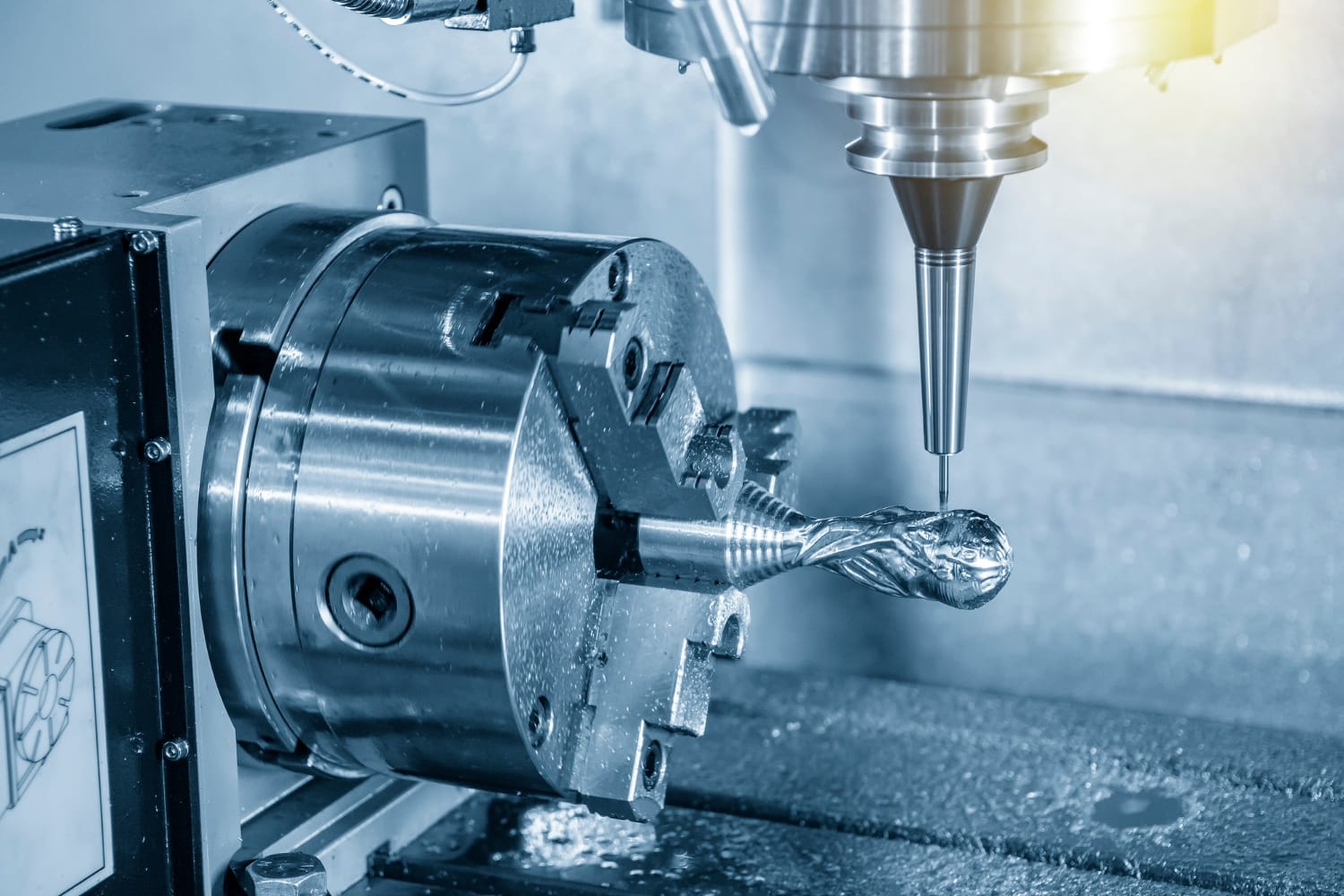
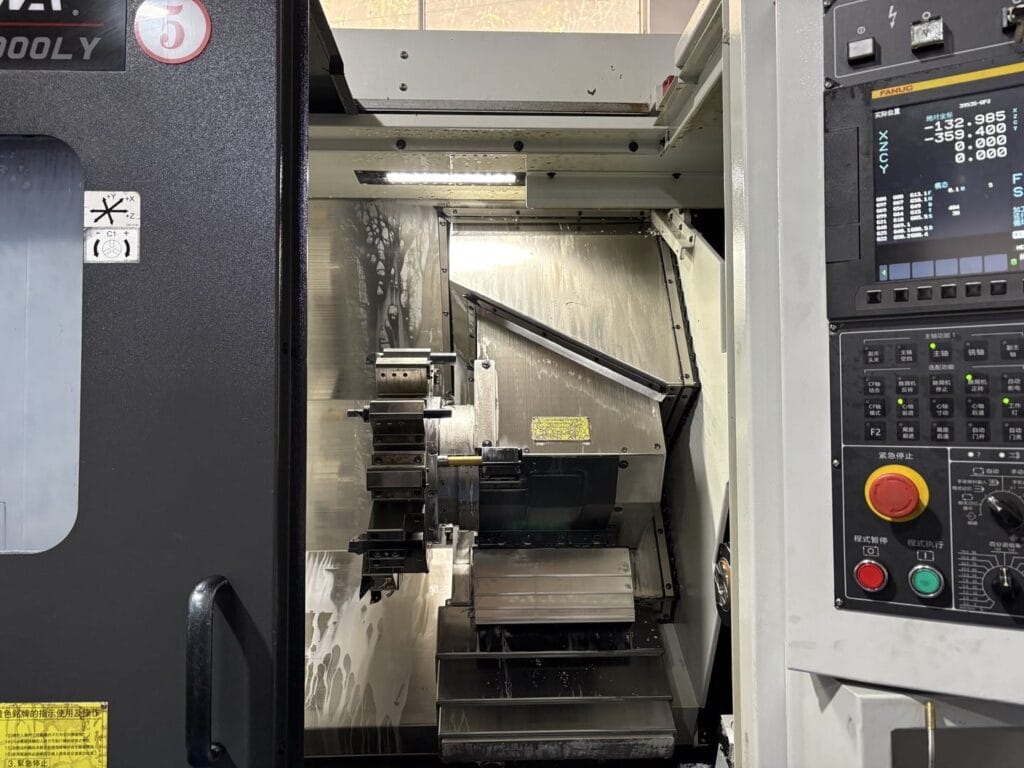
Multi-axis lathes with driven tools that can mill, drill, and tap features on a rotating workpiece without moving it to a second machine. Used for parts that need cross holes, flats, or keyways in addition to turned features. Eliminates a setup and tightens positional tolerance between turned and milled features.

Swiss-type lathes feed bar stock through a guide bushing, which supports the workpiece millimeters from the cutter. The result: tolerances down to ±0.01 mm on long, slender parts that would deflect on a standard lathe. Ideal for miniature medical screws, connector pins, and optical components.
High-precision fasteners, hi-lock pins, hydraulic fittings, and sensor housings in aluminum 7075 and titanium Ti6Al4V. AS9100-certified production with full material traceability.
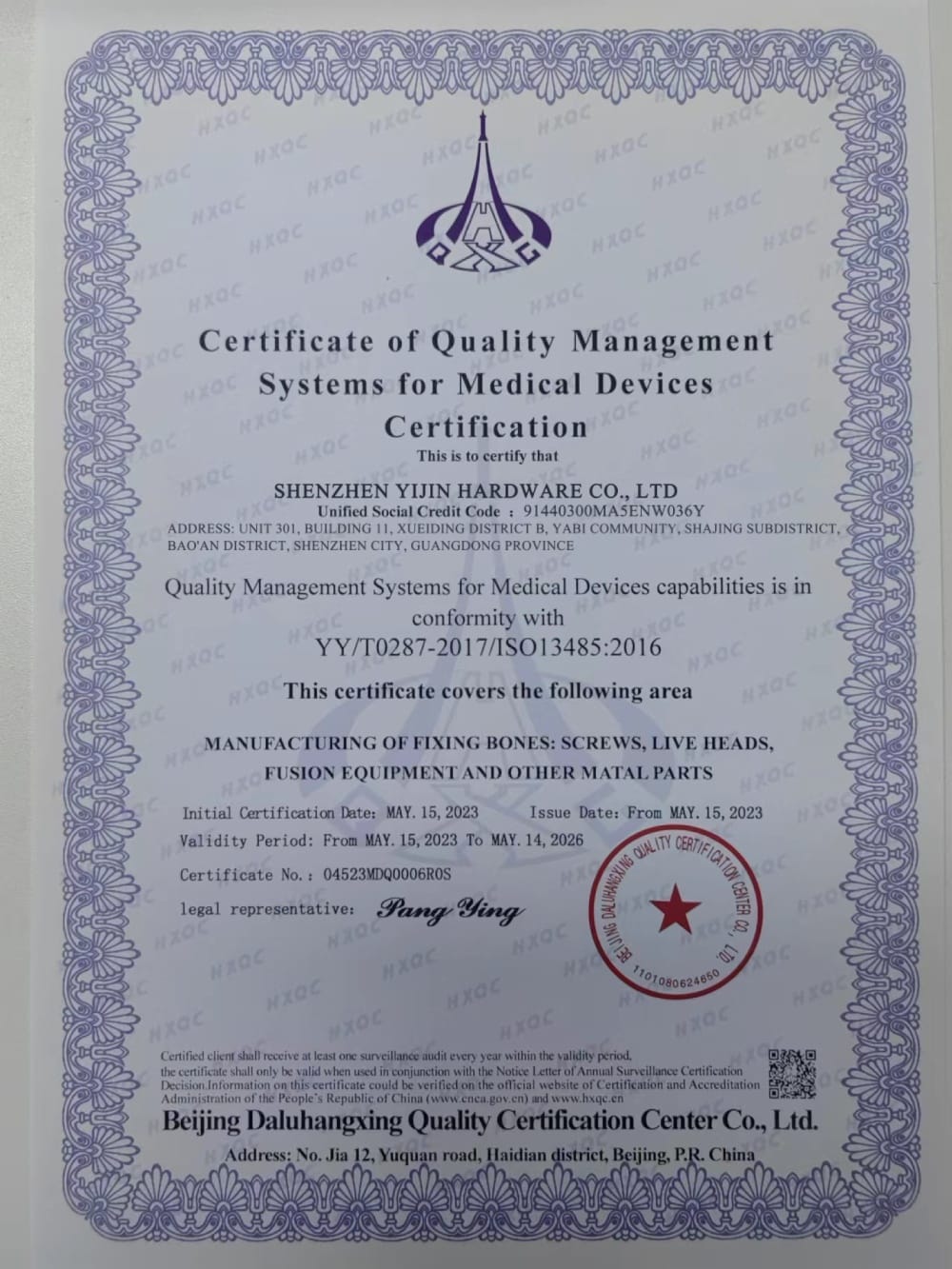
Bone screws, surgical instrument components, implant hardware, and diagnostic equipment pins in 316L stainless steel, titanium, and PEEK. ISO 13485-certified with passivated or electropolished surfaces.
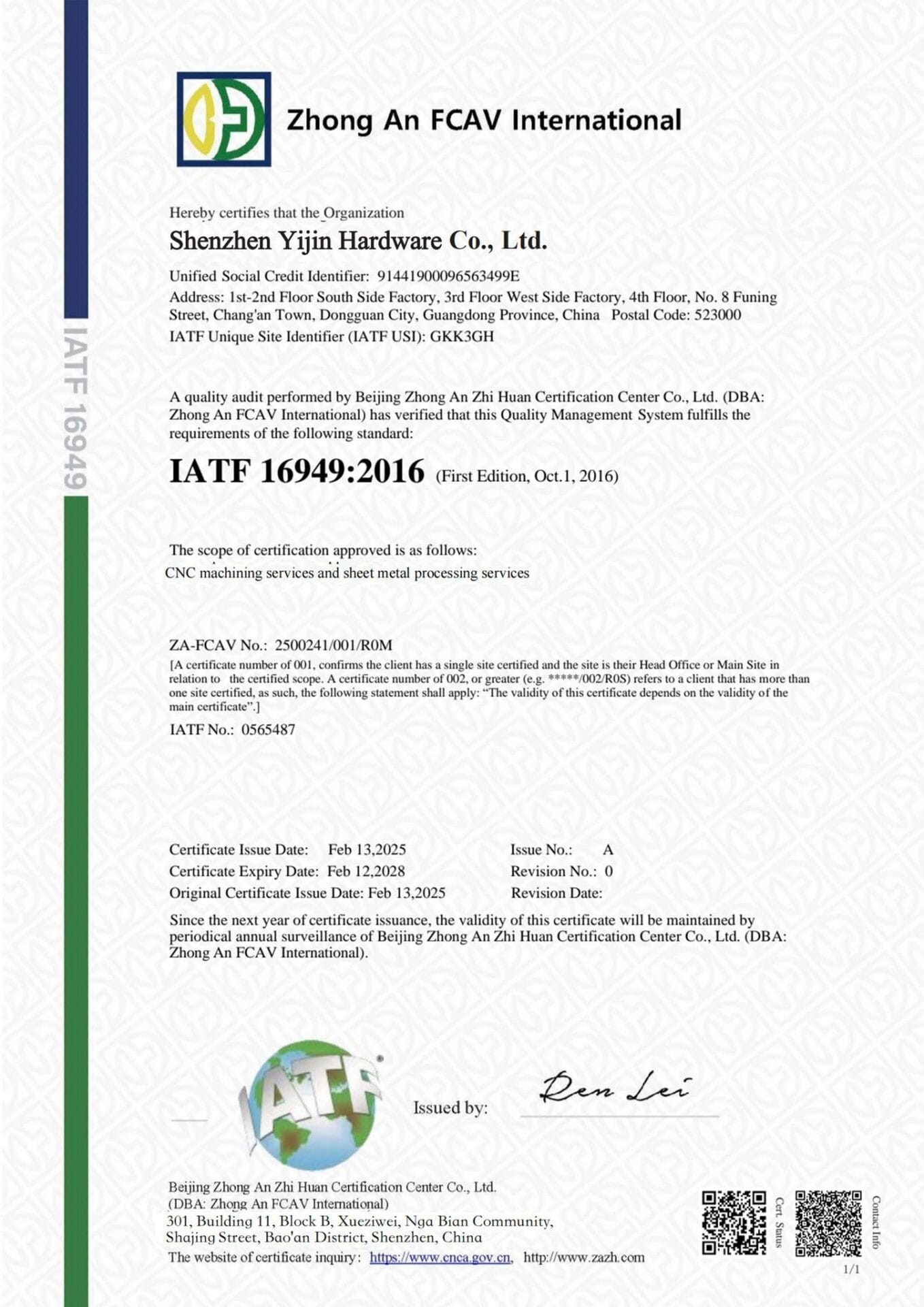
Precision shafts, fuel system components, brake system parts, and custom fittings. IATF-compliant production with PPAP Level 3 documentation on request.
Connector pins, contact sleeves, audio jack housings, and precision shafts in brass C36000 and free-machining stainless. Tight diameter tolerances for snap-fit and friction-fit assemblies.
Bushings, bearing sleeves, valve stems, hydraulic fittings, and pneumatic components. Tool steels, bronze, and hardened alloys handled routinely on hard-turning-capable lathes.
Downhole tool components, wellhead fittings, valve bodies, and renewable-energy connector hardware in duplex stainless, Inconel, and alloy steel. Corrosion-resistant finishes for offshore service.
Precision vacuum pins, electropolished flange adapters, gas-delivery fittings, and low-outgassing turned hardware for wafer handling and vacuum equipment.
MIL-SPEC fasteners, firing pin components, and specialized hardware in high-strength steel and titanium with full material traceability.
Articulated joint shafts, drive shafts, sensor housings, and bushings for humanoid, mobile, and industrial robotics. Tolerances to ±0.02 mm on bearing surfaces.
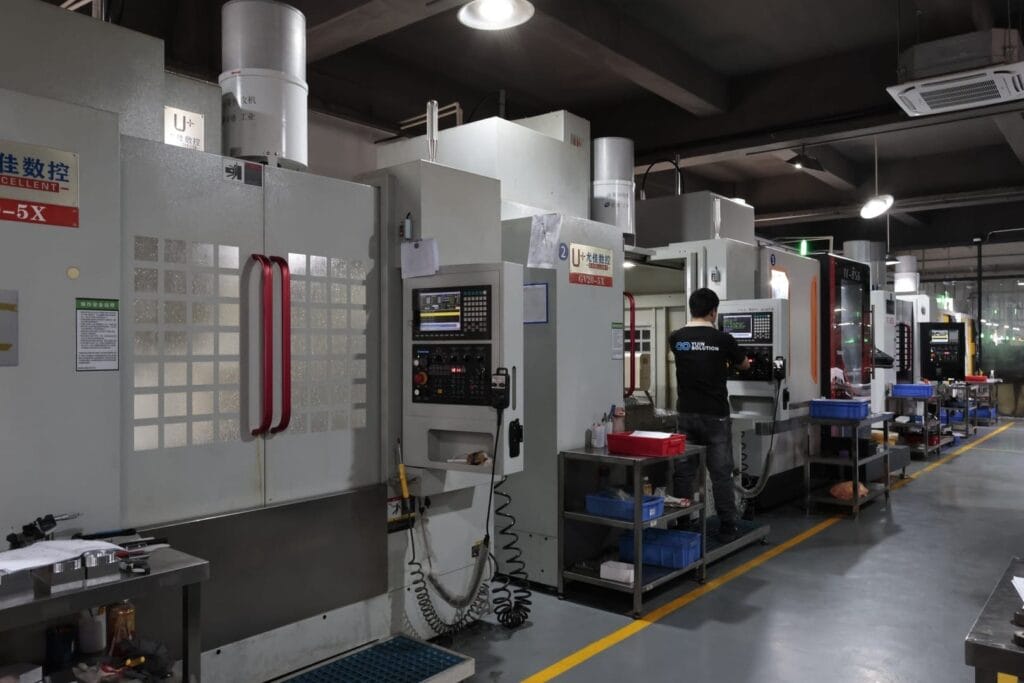
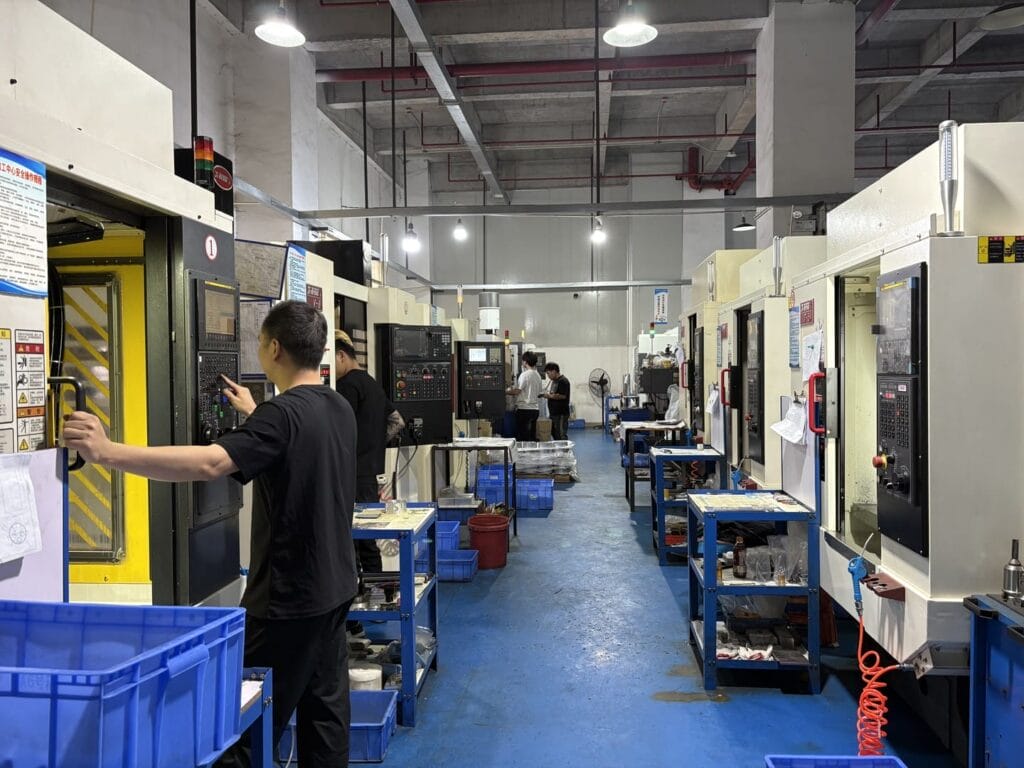
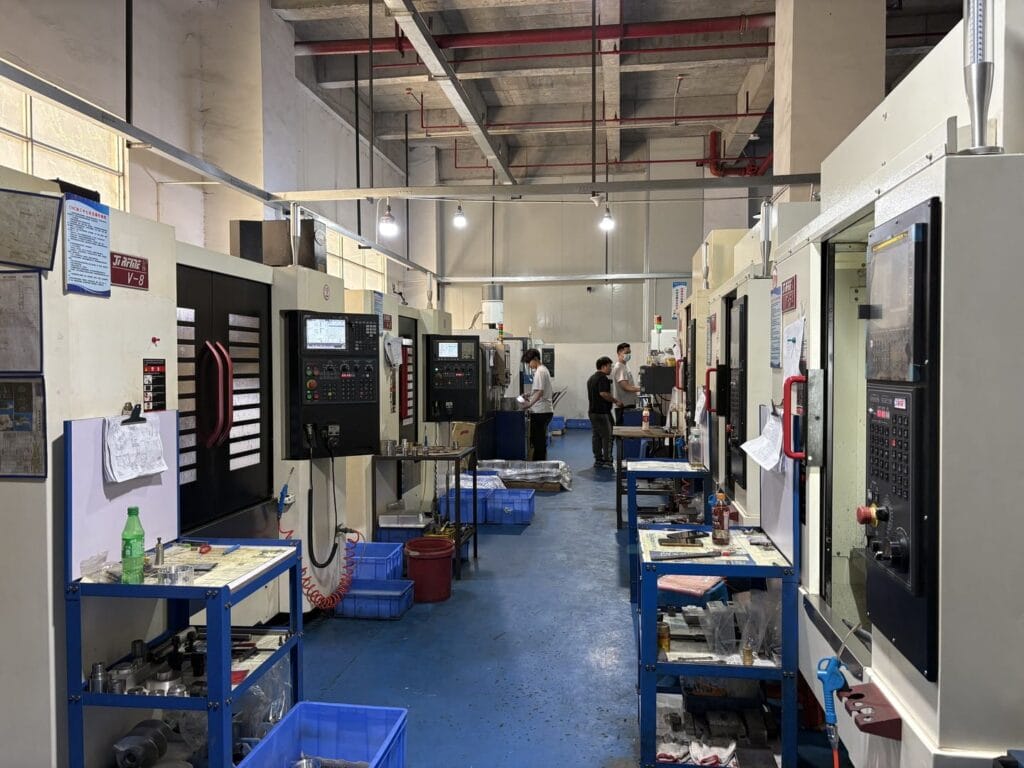
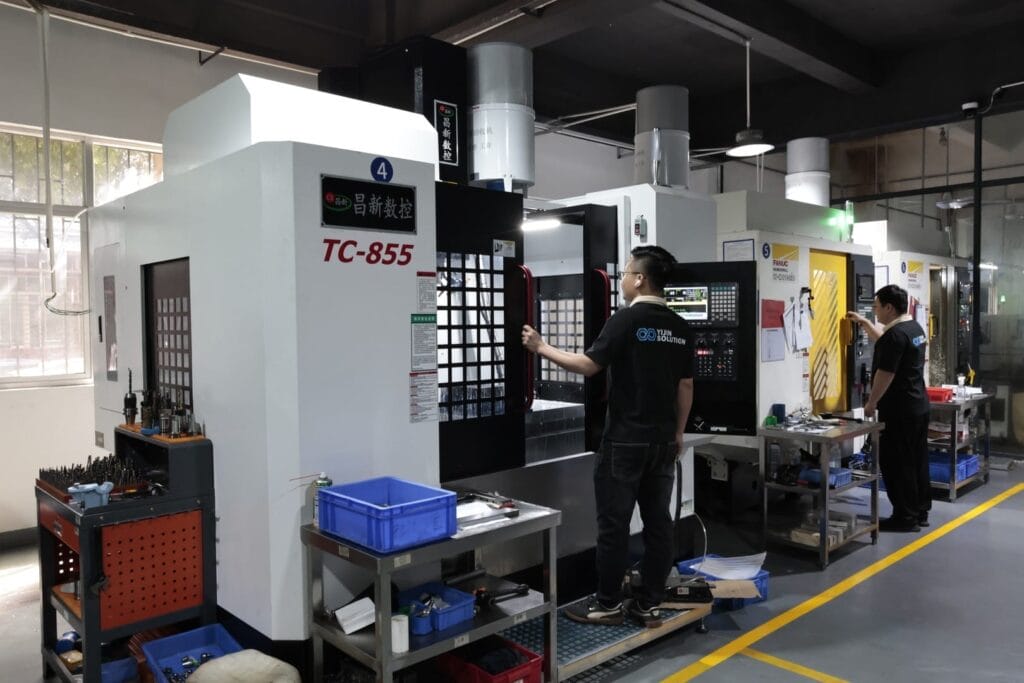
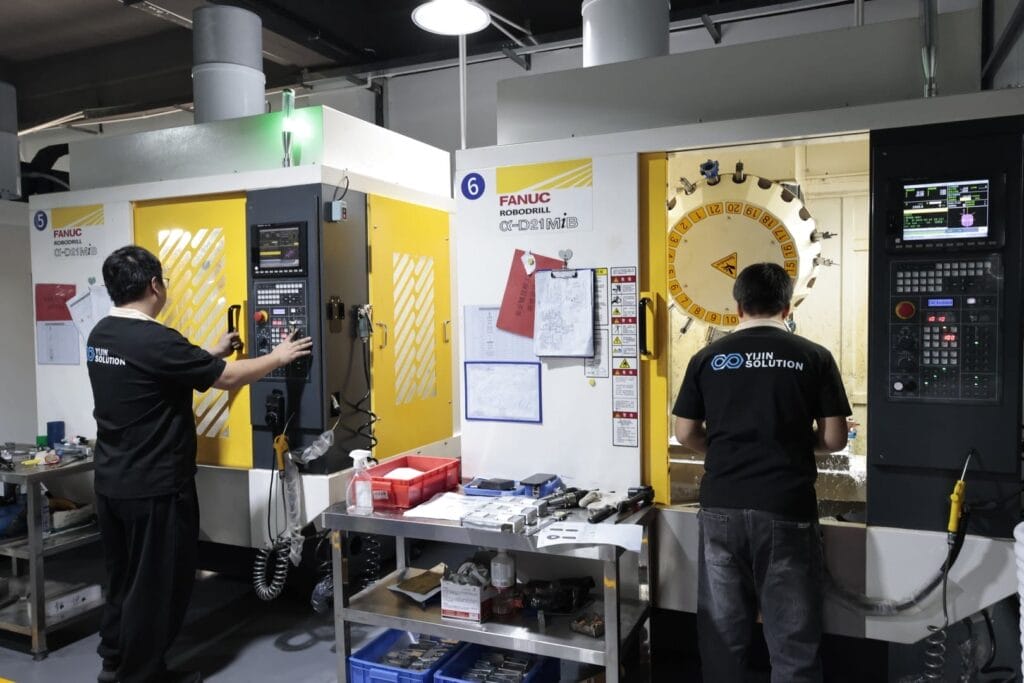
Yijin Solution operates a 25,000+ m² manufacturing facility in Shenzhen, China. The turning cell houses 278 CNC lathes, 80+ Swiss-type lathes, and live-tooling turn-mill centers, plus 281 inspection instruments including Zeiss CMMs, laser micrometers, and surface roughness testers. Parts move from bar stock through turning, deburring, surface finishing, and inspection without leaving the facility.
We serve clients across North America, Europe, and Asia-Pacific. Every order ships with full dimensional inspection reports, material certifications, and where applicable, mechanical test data and FAI documentation. For aerospace and medical programs, production runs under AS9100 and ISO 13485 quality management systems.


CNC turning is a way to shape metal and plastic parts by rotating them against a stationary cutting tool. CNC stands for Computer Numerical Control, which means a computer directs every tool movement instead of a human operator, so the tenth part matches the first across hundreds or thousands of copies.
Turning is the most efficient process for cylindrical parts such as shafts, bushings, pins, and threaded components. It handles almost any material you would use in a finished product, from aluminum and stainless steel to PEEK and nylon. Bar-fed lathes run lights-out overnight, which keeps the per-part cost competitive at volumes from a few hundred pieces up into the millions.


CNC turning follows four steps from a digital design to a finished part.
A typical prototype cycle takes 3 to 7 days. Production batches take 2 to 4 weeks.
We control every step of CNC turning from programming through machining, deburring, finishing, and inspection. That vertical integration means shorter lead times, consistent part quality, and direct factory pricing without broker margins.

Zeiss CMMs, laser interferometers, and optical comparators verify every critical batch. Parts hold ±0.05 mm typical and ±0.02 mm on 5-axis programs. First Article Inspection and PPAP Level 3 documentation standard on production runs.

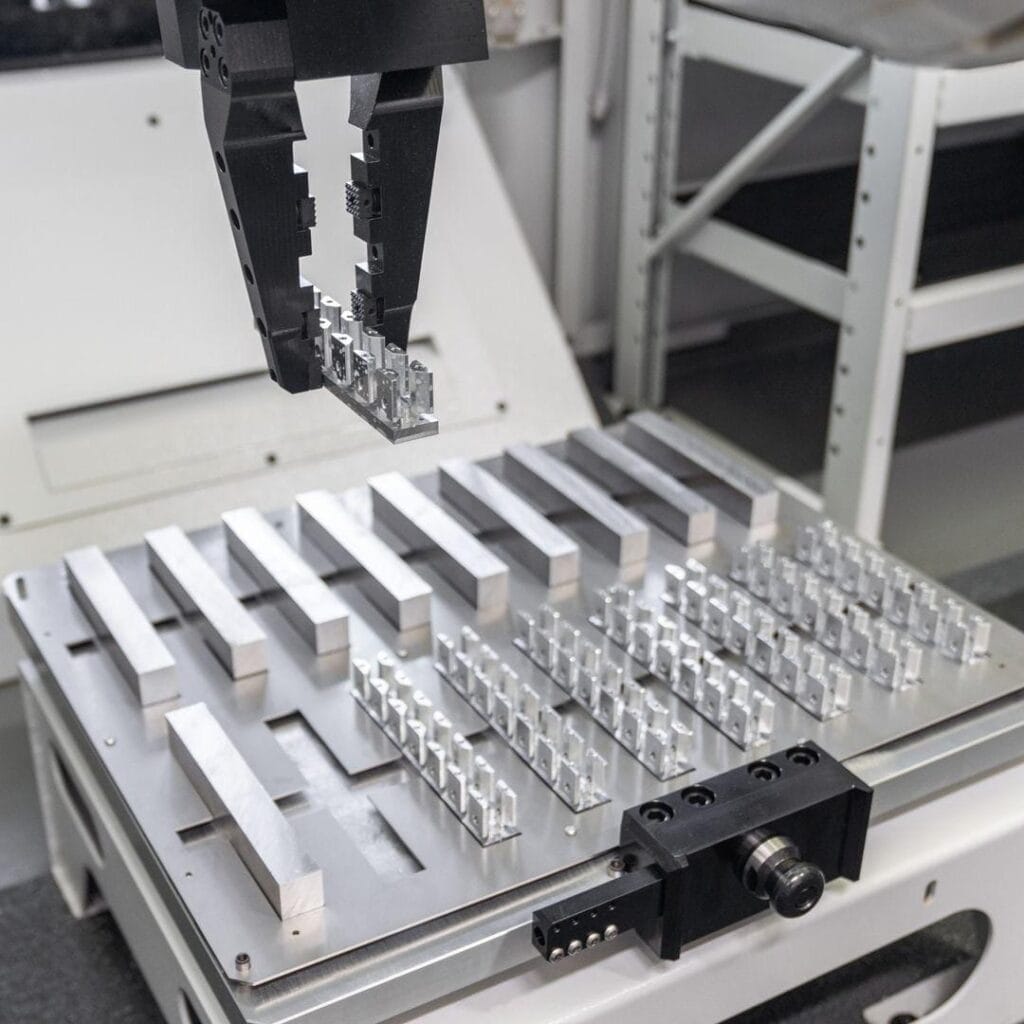
Prototypes ship in 3 to 7 business days and production shipments in 2 to 4 weeks. 278 CNC lathes, 80+ Swiss-type lathes, and bar feeders running lights-out keep parts moving without supplier handoffs.

Single-piece prototypes and production runs of 1,000,000+ parts go through the same lathes and the same inspection standards. No minimum order quantity. Volume does not change quality gates.

Your prototype and production parts come off the same machines with the same programming. No re-qualification, no new vendor onboarding, and no process variation when you scale from validation to volume.

Aluminum, free-machining stainless, tool steels, titanium, brass, copper, nickel superalloys, and engineering plastics in 50+ grades. Every order ships with mill certificates and heat-lot traceability.

Direct factory pricing without broker margins. Our engineering team reviews your drawing before programming starts to identify feature simplifications and tolerance changes that reduce cycle time and per-part cost.
Common questions about CNC turning processes, materials, and our production system.
Machine type should match part geometry, diameter, length, and production volume.
Standard 2-axis CNC turning is the cost leader for cylindrical parts with diameters above 10 mm and simple profiles. Best for shafts, pulleys, and threaded components in high volumes.
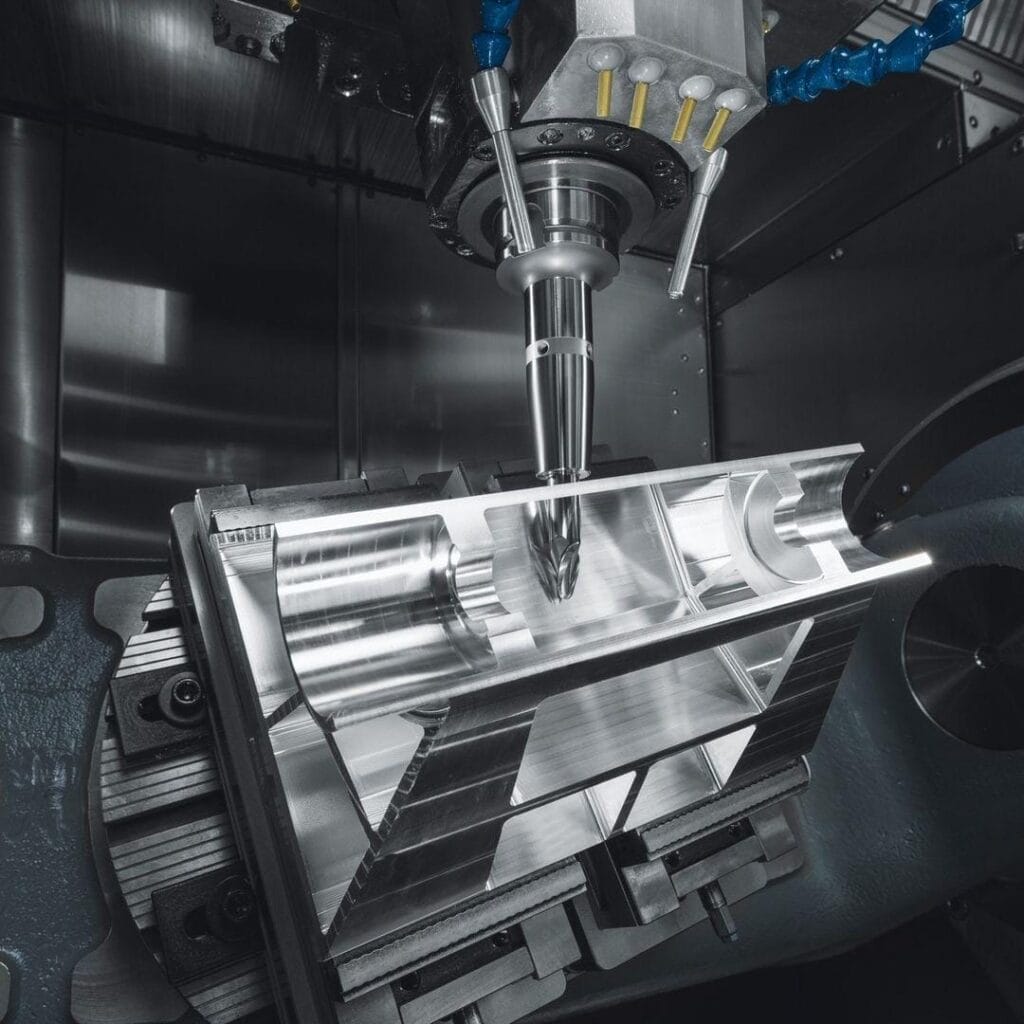
Live-tooling turn-mill centers add driven tools that can mill, drill, and tap features on the rotating part. Use these when your turned part also needs cross holes, flats, or keyways. Consolidating operations on one machine cuts setup time and tightens positional tolerance between turned and milled features.
Swiss-type lathes feed bar stock through a guide bushing, which supports the workpiece right at the cutting edge. This eliminates deflection on long, slender parts and holds tolerances down to ±0.01 mm. Ideal for miniature medical screws, connector pins, and optical components under 38 mm in diameter.
Our engineering team can recommend the right machine type during the DFM review.
Milling and turning are complementary processes that together cover most subtractive machining.
Turning rotates the workpiece against a stationary tool. Best for cylindrical parts: shafts, bushings, rods, and threaded components. Lathes and Swiss-type lathes are the standard platforms.
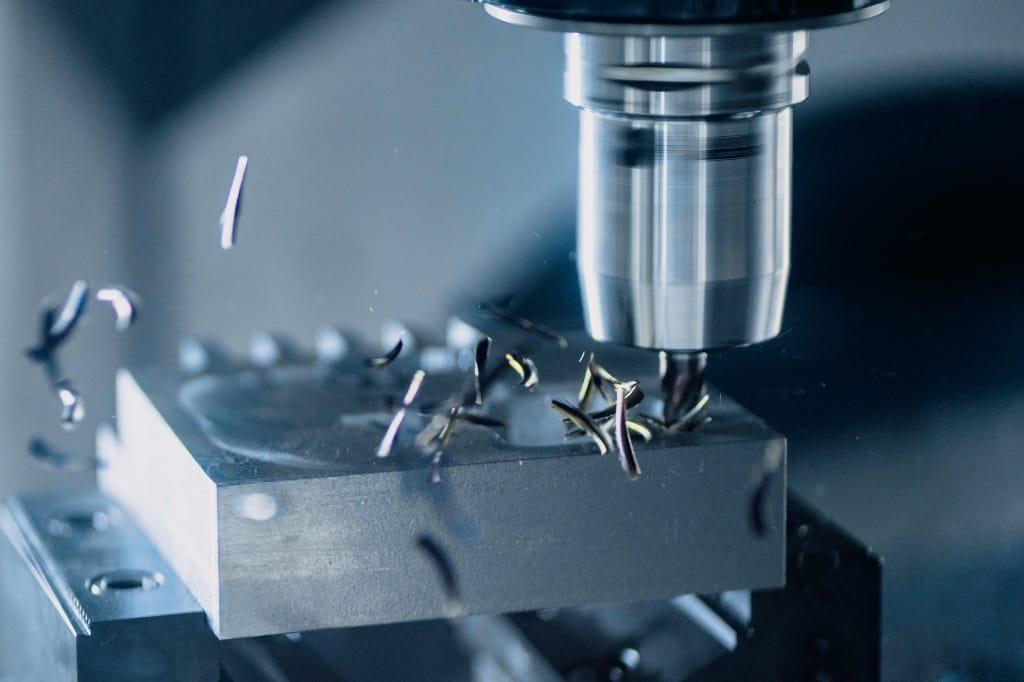
Milling holds the workpiece stationary and rotates the cutting tool. Best for parts with prismatic geometry: flat faces, pockets, slots, and complex 3D surfaces. Vertical and horizontal machining centers are the standard platforms.
Many production parts use both. A shaft with a keyway is turned for the cylindrical diameter, then milled for the keyway. Our factory runs both processes on coordinated cells, so hybrid parts stay on the same traveler through finishing.
CNC turning covers almost every commonly specified metal and plastic.
Aluminum alloys (6061, 6063, 7075, 2024, 5052) are the default for aerospace, electronics, and consumer turned parts. Free-machining grades like 6061-T6 and 2011 run at high cutting speeds with excellent chip control.
Steel alloys cover strength and corrosion needs. Free-cutting stainless 303 and 316, tool steels (4140, 4340), and carbon steels (1018, 1045, 12L14) are standard. Hardened steel up to 62 HRC can be hard-turned on CBN-tipped tools.
Specialty metals include titanium Grade 5 (Ti-6Al-4V), brass C36000, copper C11000, and nickel superalloys (Inconel 718, Monel 400). Titanium and Inconel require slower cutting speeds and specialized coolant strategy.
Engineering plastics include PEEK, POM (Delrin), Nylon, PC, ABS, PMMA, PTFE, PVC, and PP. Plastics need controlled feeds to avoid melting from heat buildup.
Material selection should match the part’s mechanical load, operating environment, and cost target. Our DFM review can recommend the best grade before programming starts.
Tolerance depends on machine type, tool selection, and whether the part is post-machined or ground.
Standard 2-axis turning holds ±0.05 mm on diameters up to 25 mm and ±0.1 mm on longer dimensions. This covers most commercial parts.
Swiss-type turning holds ±0.01 mm on diameters under 38 mm thanks to the guide bushing that supports the workpiece right at the cutting edge. Cylindrical grinding after turning holds ±0.005 mm and Ra 0.2 μm on critical bearing surfaces.
Surface finish ranges from 3.2 μm Ra (standard roughing and finishing) down to 0.4 μm Ra (precision finishing with controlled feed and small nose radius). Mirror polish below 0.2 μm requires a secondary polishing pass.
Flag critical dimensions on your drawing so they can be reviewed for achievable tolerance. Over-tolerancing every dimension drives up cost without improving part performance.
Our lathes handle diameters from 0.5 mm on Swiss-type up to 500 mm on large horizontal chucking lathes. Lengths up to 2,000 mm are supported with steady rests for long shafts.
Small precision parts under 38 mm diameter run on Swiss-type lathes at 8,000 to 10,000 RPM for fine-feature work on brass, aluminum, and free-machining stainless.
Mid-size parts from 38 to 200 mm diameter run on production CNC lathes with bar feeders for lights-out operation. This is where most production programs land.
Large-diameter parts from 200 to 500 mm diameter run on chuck-only lathes with live tooling. Length is limited by bed length and tailstock support.
Specify diameter, length, and feature locations early so we can match the right machine class during quoting.
Turning wins on cylindrical geometry, cycle time, and bar-fed volume economics. Milling wins on prismatic geometry and non-rotational features.
Choose CNC turning when the part is primarily cylindrical or rotational, such as shafts, pins, bushings, threaded components, or anything that can be chucked and spun. Turning cycle times are measured in seconds per part for small bar-fed parts, versus minutes for equivalent milled parts.
Choose CNC milling when the part has flat faces, pockets, slots, or complex 3D surfaces that cannot be generated on a rotating workpiece. If the part has both, live-tooling turn-mill centers may be the correct answer.
Cost comparison also favors turning for bar-fed volume production: a bar feeder runs the lathe lights-out, which cuts per-part labor cost.
Yes. Most production programs include at least one post-machining operation.
Anodizing is standard on aluminum turned parts for corrosion and wear resistance. Type II anodizing adds 5 to 25 μm; Type III hardcoat adds 25 to 75 μm for abrasion-heavy applications.
Plating adds bright chrome, nickel, zinc, or tin for cosmetic and functional finishes on steel and brass turned parts. Plating adds 5 to 30 μm to part dimensions.
Passivation is required on stainless steel medical and food-grade turned parts to remove free iron and restore the chromium oxide layer (ASTM A967).
Polishing to Ra 0.2 to 0.4 μm is available for sealing faces, bearing surfaces, and mirror finishes. Specify which surfaces require polishing since it is a manual operation that adds cost.
Cylindrical grinding after turning holds ±0.005 mm and Ra 0.2 μm on critical shafts and pins. Decide on finish requirements during DFM review because they influence material selection and dimensional tolerance.
Custom fastener production covers a range of processes that convert wire or bar stock into finished parts. Here are the primary processes available through most full-service fastener manufacturers.
Cold Heading: Progressive dies form the head, shank, and recesses from a wire blank. The most cost-effective process for volumes above 10,000 pieces. Diameter range 1.5 to 25 mm.
CNC Turning: Rotating bar stock is machined by cutting tools. Suitable for fasteners with complex geometries, unusual thread forms, or tolerances tighter than cold heading allows.
Swiss Machining: A variant of CNC turning for small-diameter, long, or precision parts. Used for miniature fasteners and medical screws with tolerances to ±0.01 mm.
Thread Rolling: Hardened dies form threads by cold displacement rather than cutting. Rolled threads are stronger than cut threads and produce no chips. Standard process for high-strength fasteners.
Термообработка: Quenching, tempering, carburizing, or induction hardening produces fasteners to specified strength grades (Grade 5, 8, Class 8.8, 10.9, 12.9).
Plating and Coating: Zinc, hot-dip galvanizing, electroless nickel, black oxide, Dacromet, and chrome plating applied after threading. Provides corrosion resistance and appearance.
Inspection and Testing: Dimensional inspection with CMM and thread gauges. Mechanical testing includes tensile, hardness, and torque-tension. Salt spray testing for plated fasteners.
A full-service manufacturer combines these processes under one roof, reducing lead times and eliminating the coordination overhead of managing multiple suppliers.

Резьба - это спиралевидные гребни, которые нарезаются на цилиндрических или конических поверхностях. Они довольно изобретательны - преобразуют вращательное


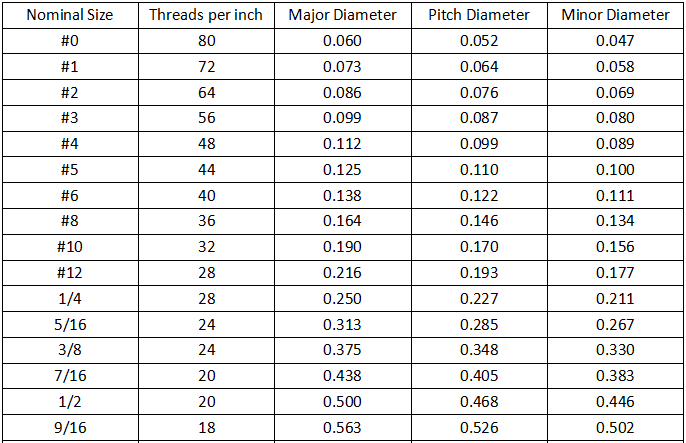
Резьбовые компоненты имеют точные спецификации для обеспечения целостности сборки и производительности. Мы составили эту таблицу размеров резьбы, чтобы помочь
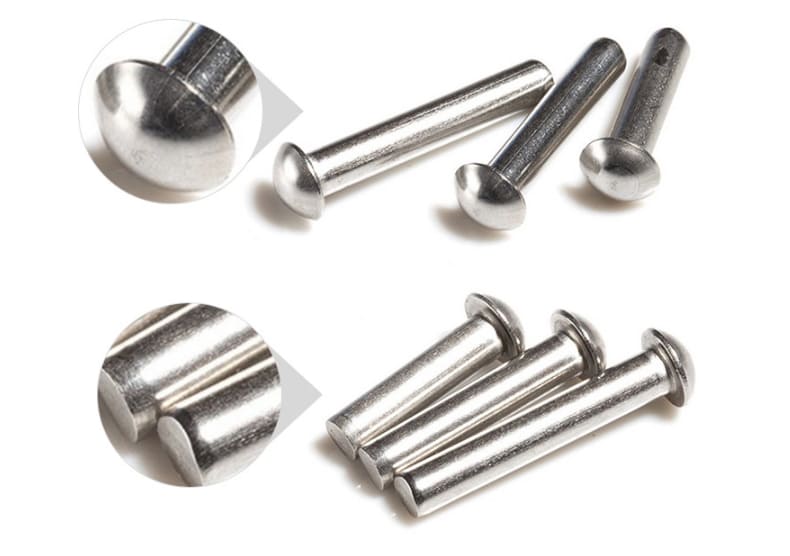
Заклепки - это неразъемные механические крепежные элементы, используемые для соединения материалов. К распространенным типам относятся цельные, глухие, трубчатые, разъемные, буртиковые, приводные, самопрокалывающие и
Free Machined Parts Design to Your Projects with Reduced Lead Times Times.
Сообщите нам по WhatsApp