- Hersteller von Präzisionsteilen
- Dienstleistungen
- Herstellung von Blechen
- Automobilindustrie
Kfz-Blechverarbeitung
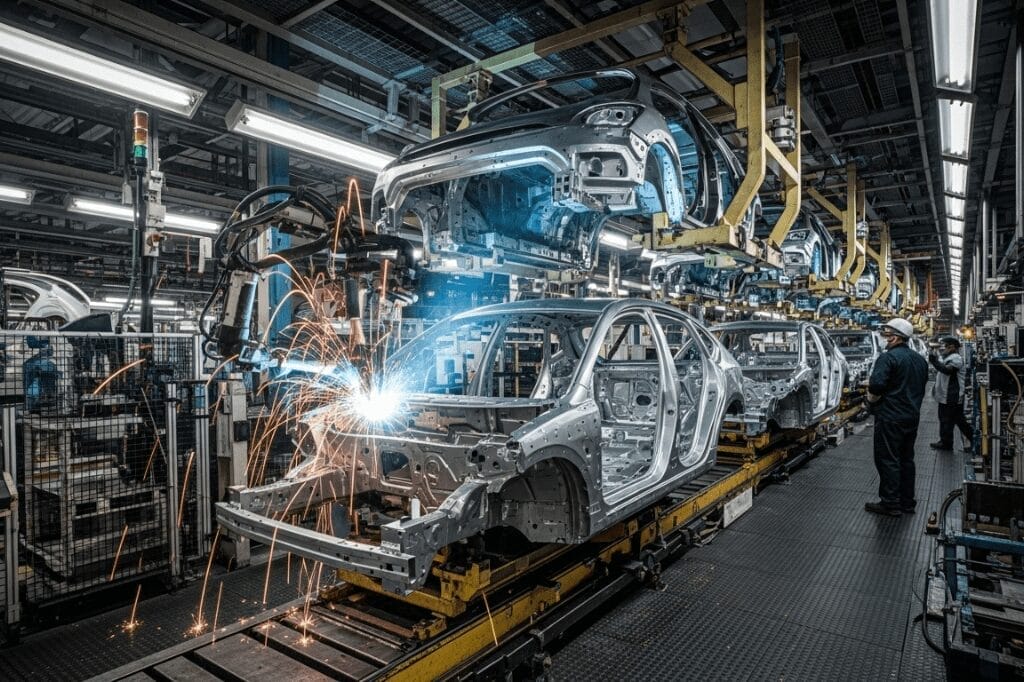
Herstellung von Blechen is cardinal for vehicle production, turning flat metal into the three-dimensional parts that make modern vehicles possible. At Yijin Hardware, we’ve built our reputation on delivering high-quality metal fabrication solutions for vehicle components.
We operate facilities in both China and the U.S., which gives us flexibility to serve automotive manufacturers wherever they need us. Whether you’re producing electric vehicles, traditional automobiles, or specialty equipment, your parts need to fit correctly every single time—and they need to hold up under years of vibration, stress, and temperature extremes. From simple brackets to complex body panels with multiple bends and intricate features, we handle automotive metal parts across the entire spectrum.
- ⬤Dienst
- ⬤Deine Details
- ⬤Einreichen


What is Automotive Sheet Metal Fabrication, Anyway?
Automobilindustrie sheet metal fabrication is the process of transforming flat metal blanks into the components that make up vehicles—body panels, structural reinforcements, brackets, engine parts, and hundreds of other pieces. A skilled metal fabricator uses various sheet metal fabrication techniques including Laserschneiden , Plasmaschneiden, metal shaping, and Blechbiegen to create high-quality parts matching exact specifications. The tolerances need to be tight because these components have to fit together perfectly on an assembly line, and they need to be durable enough to last through years of road vibration, temperature changes, and mechanical stress.
The trick is matching the right sheet metal fabrication process with the right materials for each application. A body panel might need aluminum for weight savings, whilst a structural component requires high-strength steel. Different automotive applications demand different approaches—what works for a chassis component won’t necessarily work for trim pieces or engine bay parts. That’s why an experienced fabricator starts by understanding what the part needs to do and choosing materials and processes accordingly to deliver high-quality results.

What Automotive Sheet Metal Fabrication Methods do We Use?
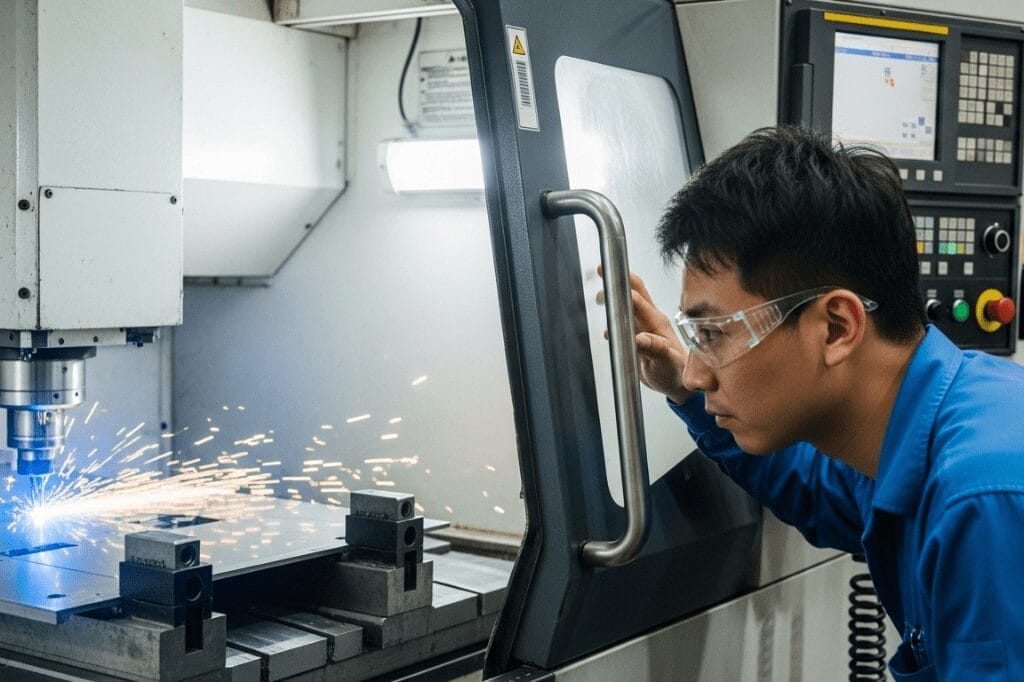
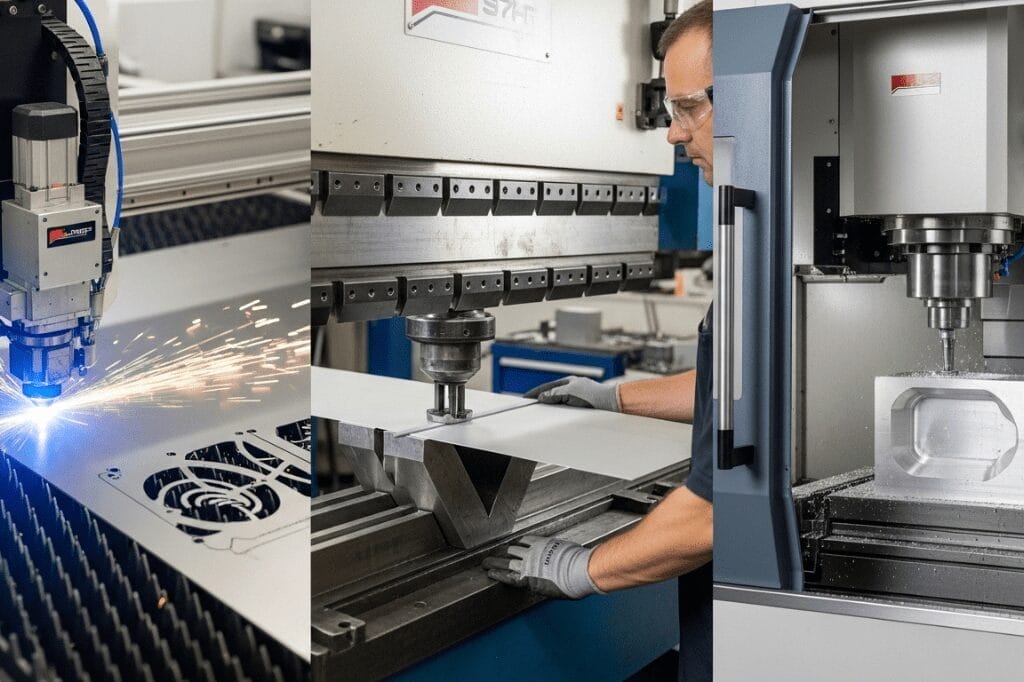
We don’t rely on just one approach at Yijin Hardware—automotive work demands different fabrication techniques depending on what the part needs to do. Here’s what we use and why each method matters:
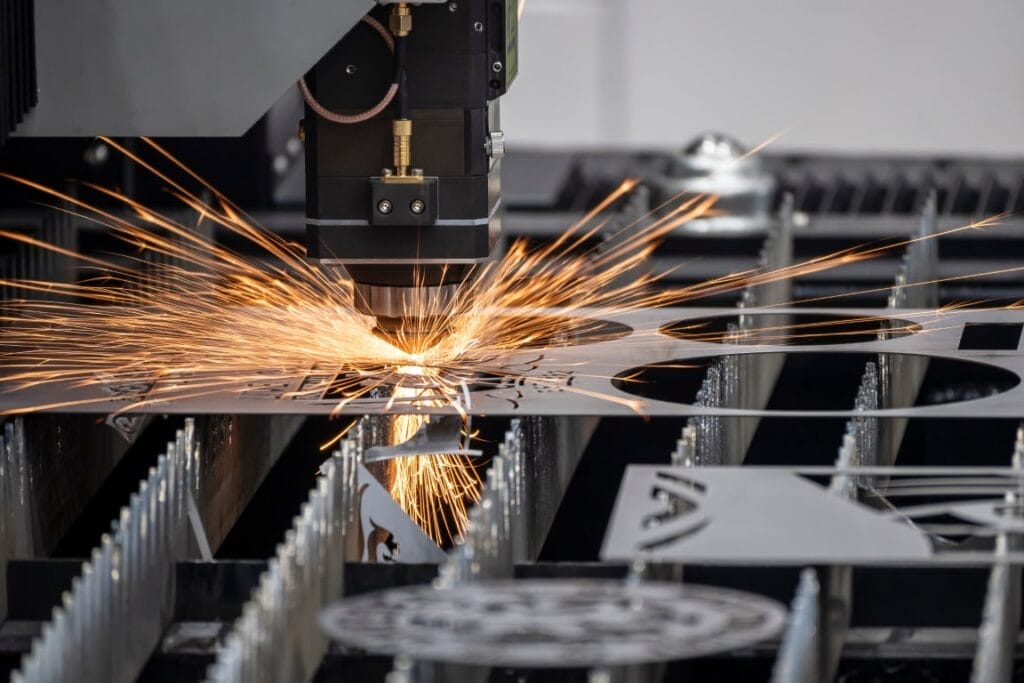
- Laserschneiden: When you need intricate designs or complex geometries cut with precision, laser cutting delivers. It works beautifully across stainless steel sheet metal, carbon steel, and galvanized sheet, giving you clean edges without the tool wear you’d get from mechanical cutting. Perfect for parts with detailed features or tight nesting requirements.
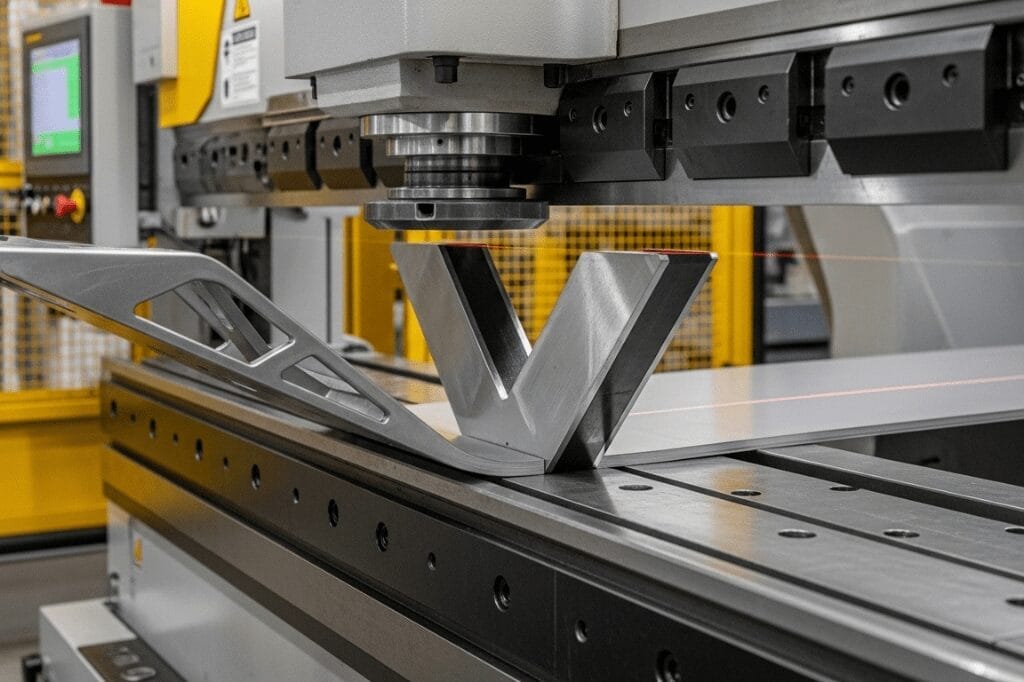
- Press-Brake Bending: This is how we create precise angles and curves in sheet metal parts. Automotive components often need multiple bends at exact angles—press brakes let us form these consistently, part after part, without variation creeping in.
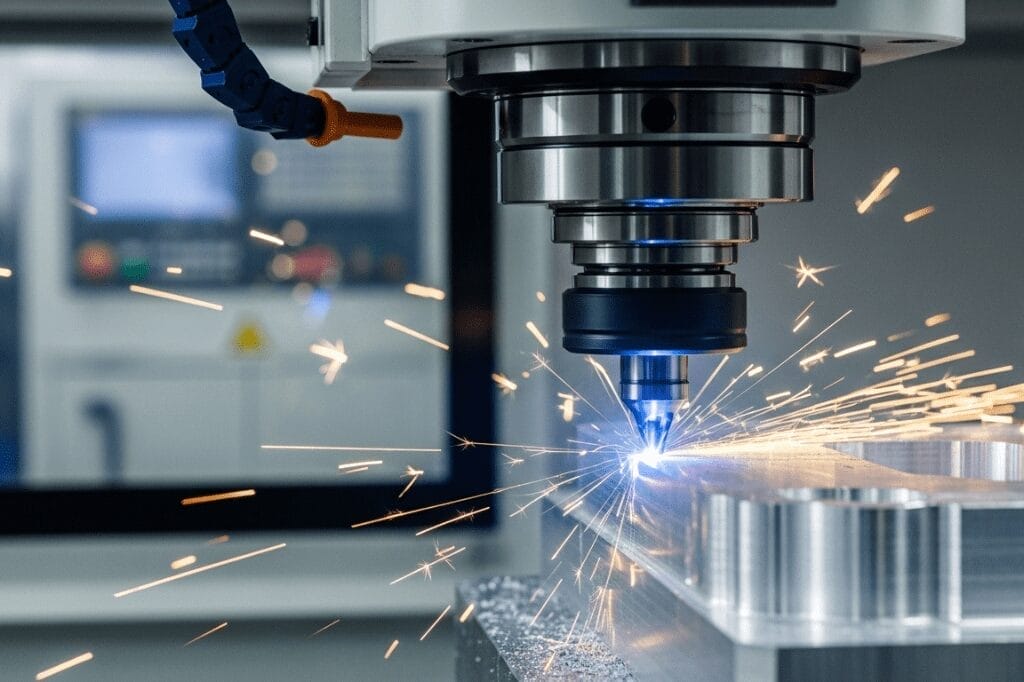
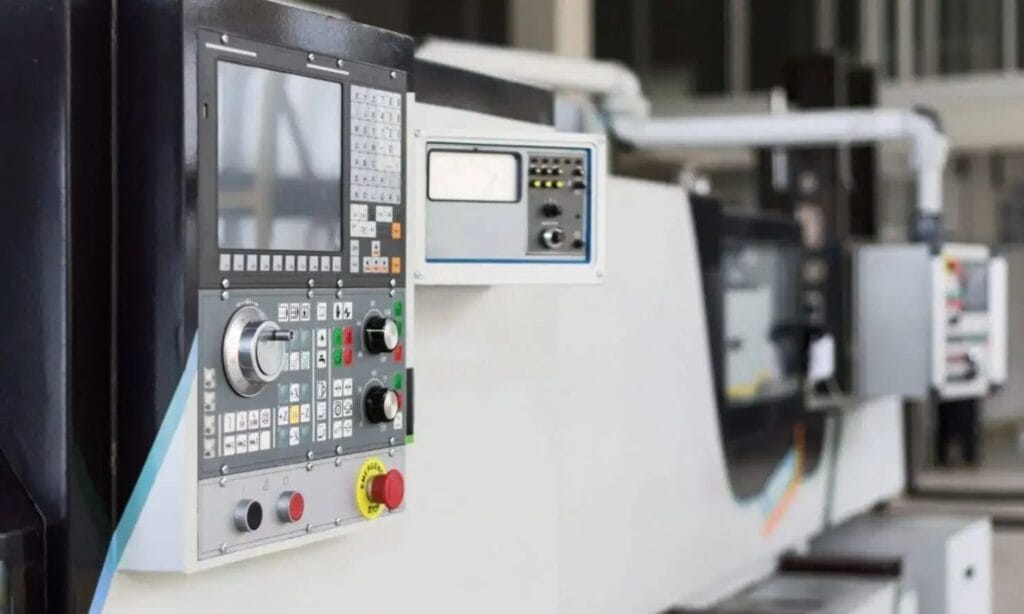
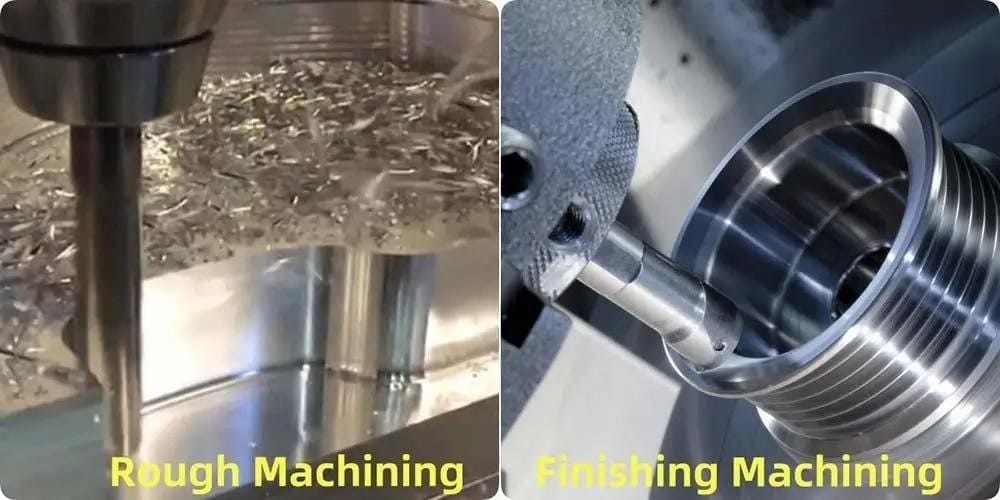
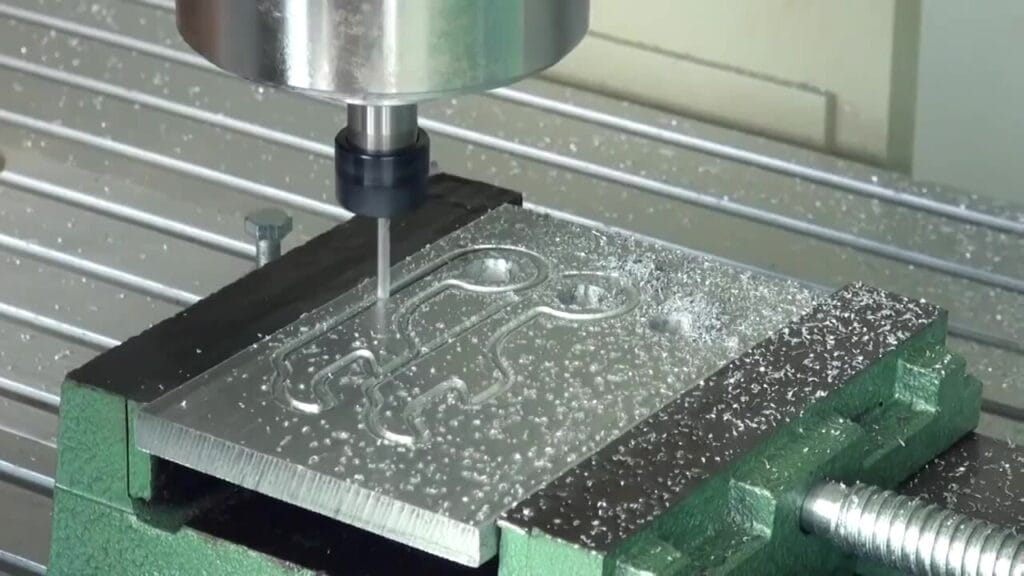
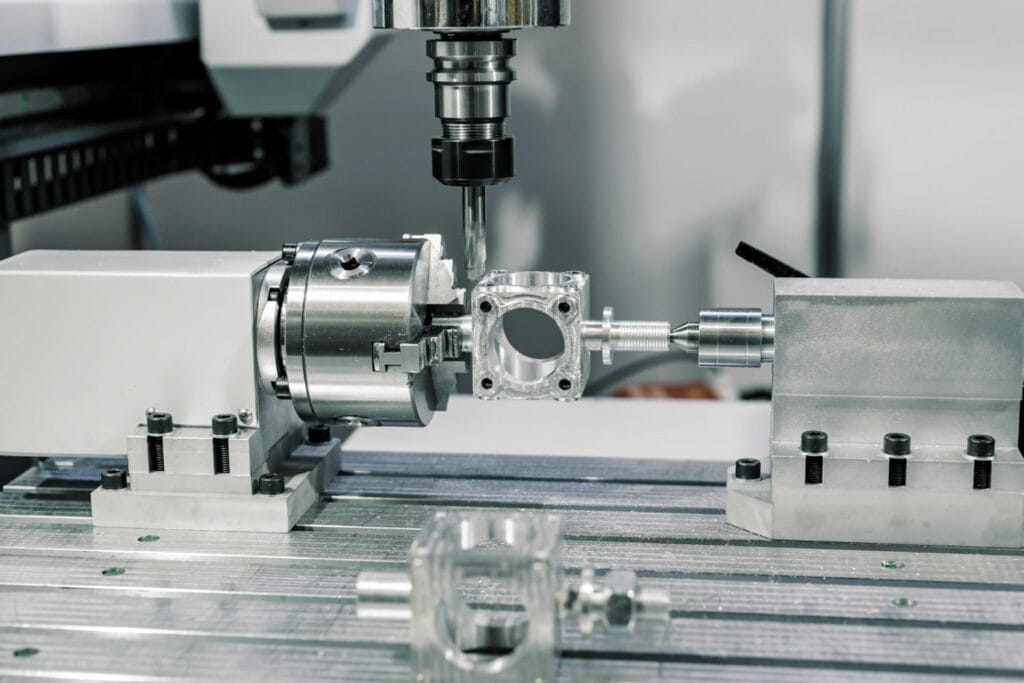
- CNC-Bearbeitung: When dimensional accuracy really matters, CNC machining hits tolerances within ±0.05 mm. That level of precision ensures automotive parts fit together properly on the assembly line and function exactly as designed.
- Metal Spinning: For symmetrical components like bearing housings, circular covers, or rounded enclosures, metal spinning creates seamless parts without welds. It’s particularly useful for cylindrical automotive components.
- Stanzen von Metall: High-volume production is where stamping shines. It’s a critical process in automotive metal fabrication because it can produce thousands of identical sheet metal components quickly and cost-effectively—essential when you’re supplying parts for vehicle production lines.
We choose the right technique based on the material you’re using, what the part needs to do, and the volumes you need. Sometimes a single part requires multiple methods to get it right.
Why is Automotive Sheet Metal Fabrication Crucial for Vehicle Production?
Sheet metal fabrication is vital for producing strong, durable, and lightweight automotive parts. It enables the creation of complex metal products with precise fits, which is essential for safety, performance, and assembly. The metal fabrication processes used in automotive production provide corrosion resistance and enhance the strength-to-weight ratio of the vehicle, which is crucial for both safety and fuel efficiency.
Which Materials are Used for Automotive Sheet Metal Components?
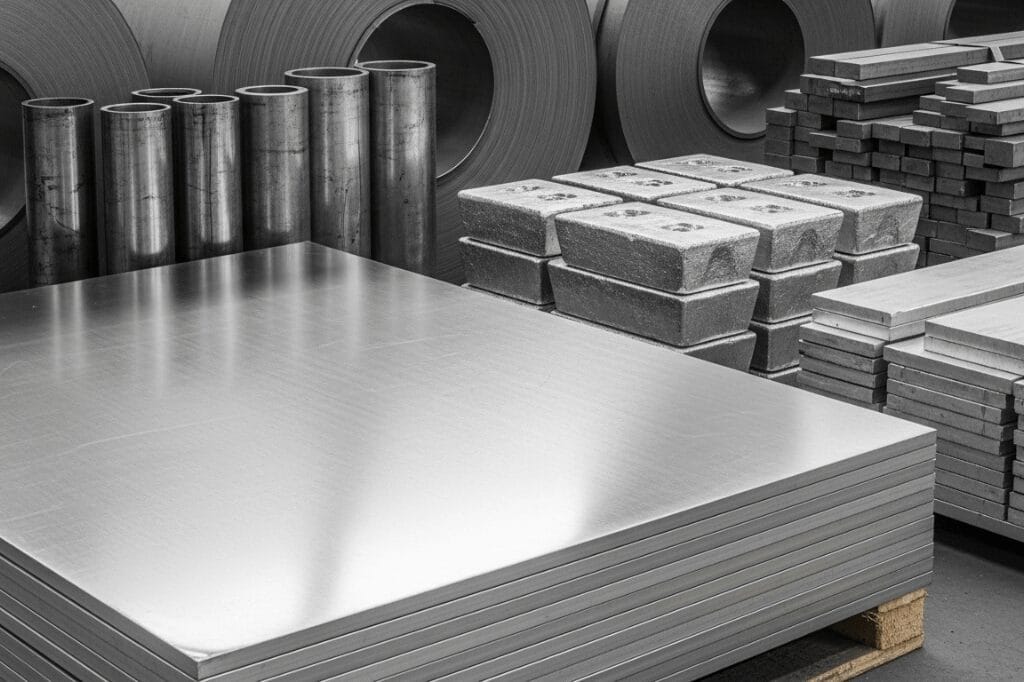
The materials used in automotive sheet metal fabrication are selected based on strength, weight, and durability requirements:
- Advanced High-Strength Stahl (AHSS): Used for safety-critical components due to its high strength-to-weight ratio and ability to withstand impacts.
- Aluminium Legierungen: Common in body panels and interior components, offering significant weight reduction while maintaining adequate strength.
- Magnesium Legierungen: A lightweight alternative to aluminum, used in automotive applications where reducing weight is crucial.
- Rostfreier Stahl: Offers excellent corrosion resistance and is used in parts that need to withstand harsh conditions.
Material Distribution:
| Material | Gemeinsame Anwendungen | Verhältnis Stärke/Gewicht |
|---|---|---|
| AHSS | Safety cage, impact zones | 550-1200 MPa |
| Aluminium | Body panels, trunk | 125-350 MPa |
| Magnesium | Steering wheels, panels | 150-275 MPa |
| Rostfreier Stahl | Exhaust systems, trims | 500-800 MPa |
What Thickness of Sheet Metal is Used for Automotive Parts?
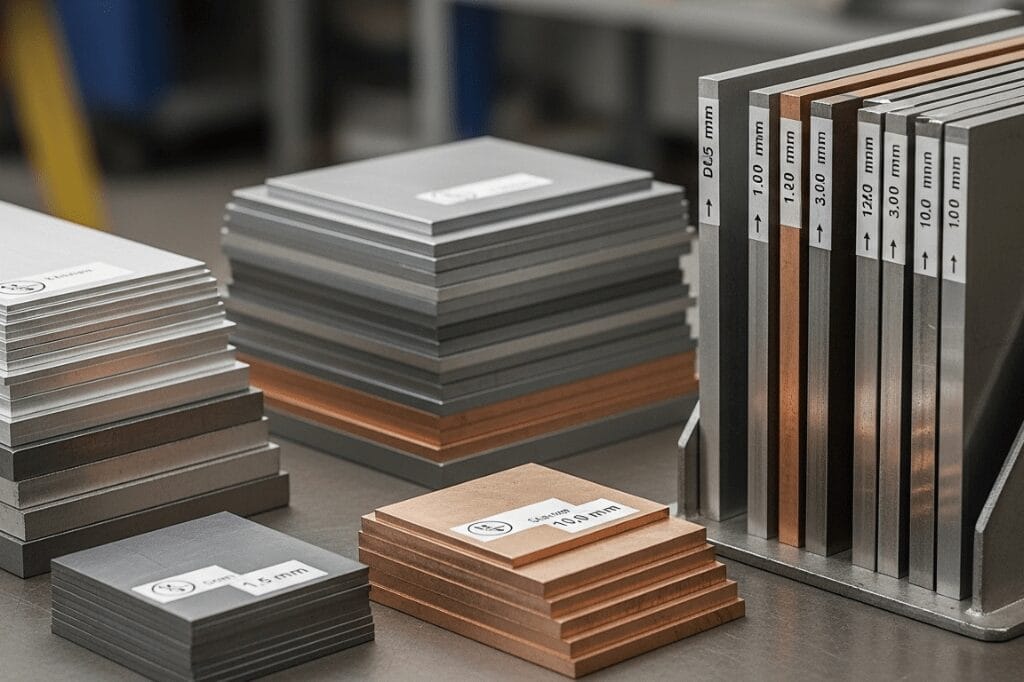
The thickness of sheet metal used in automotive fabrication depends on the function of the part:
- Body Panels: Typically between 0.5 mm and 2 mm, offering lightweight and durable finishes.
- Strukturelle Komponenten: Thickness ranges from 2 mm to 3 mm, ensuring strength for parts like the car’s body and safety frames.
- Benutzerdefinierte Komponenten: Can vary based on the specific requirements, with thicker metal sheets used for high-load or high-stress areas.
This variability ensures that the parts meet performance standards without unnecessary weight.
How do Forming and Bending Methods Shape Automotive Parts?
Metal forming and bending are critical in shaping sheet metal parts for the automotive industry:
- Press-Brake Bending: Applies controlled pressure to bend metal sheets into precise angles, essential for components like brackets and reinforcements.
- Stretch-Forming: Used for producing multi-axis curves, particularly for complex designs like car bodies and exterior panels.
- Hydroforming: Molds metal using pressurized fluid, resulting in high-strength parts with uniform thickness, ideal for parts like exhaust systems.
These metal fabrication techniques ensure that parts meet both functional and aesthetic requirements, contributing to the vehicle’s performance and appearance.
How does CNC Machining Benefit Automotive Sheet Metal Fabrication?
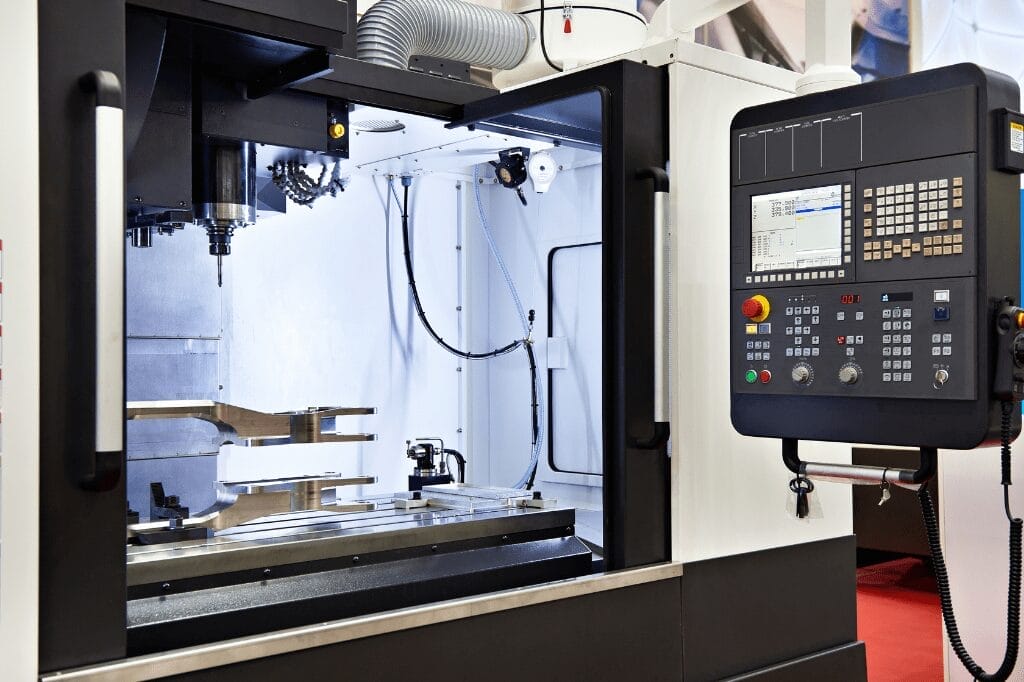
CNC machining is essential for achieving high precision in automotive sheet metal fabrication. It allows for the creation of parts with tight tolerances, reducing errors and ensuring that components fit perfectly. This method is particularly useful for metal fabrication works that require intricate detailing or complex geometries, such as interior components or custom car parts.
Additionally, CNC machining allows for rapid prototyping and fabricated metal parts in small quantities without sacrificing precision, making it a versatile option for both prototype and large-scale production.
How does Digital Monitoring Enhance Fabrication Quality?
Our use of digital monitoring during sheet metal fabrication ensures the highest level of precision. This technology tracks parameters such as:
- Material positioning accuracy within 0.01 mm.
- Tool wear and temperature variations during processing.
- Dimensional verification against CAD models to guarantee consistency.
By continuously monitoring these variables, we can ensure that each part produced meets the exact specifications required for performance and safety.
Welche Qualitätsstandards gelten für die Herstellung von Automobilblechen?
Yijin Hardware adheres to strict quality standards to ensure that all components meet the automotive industry’s demanding requirements:
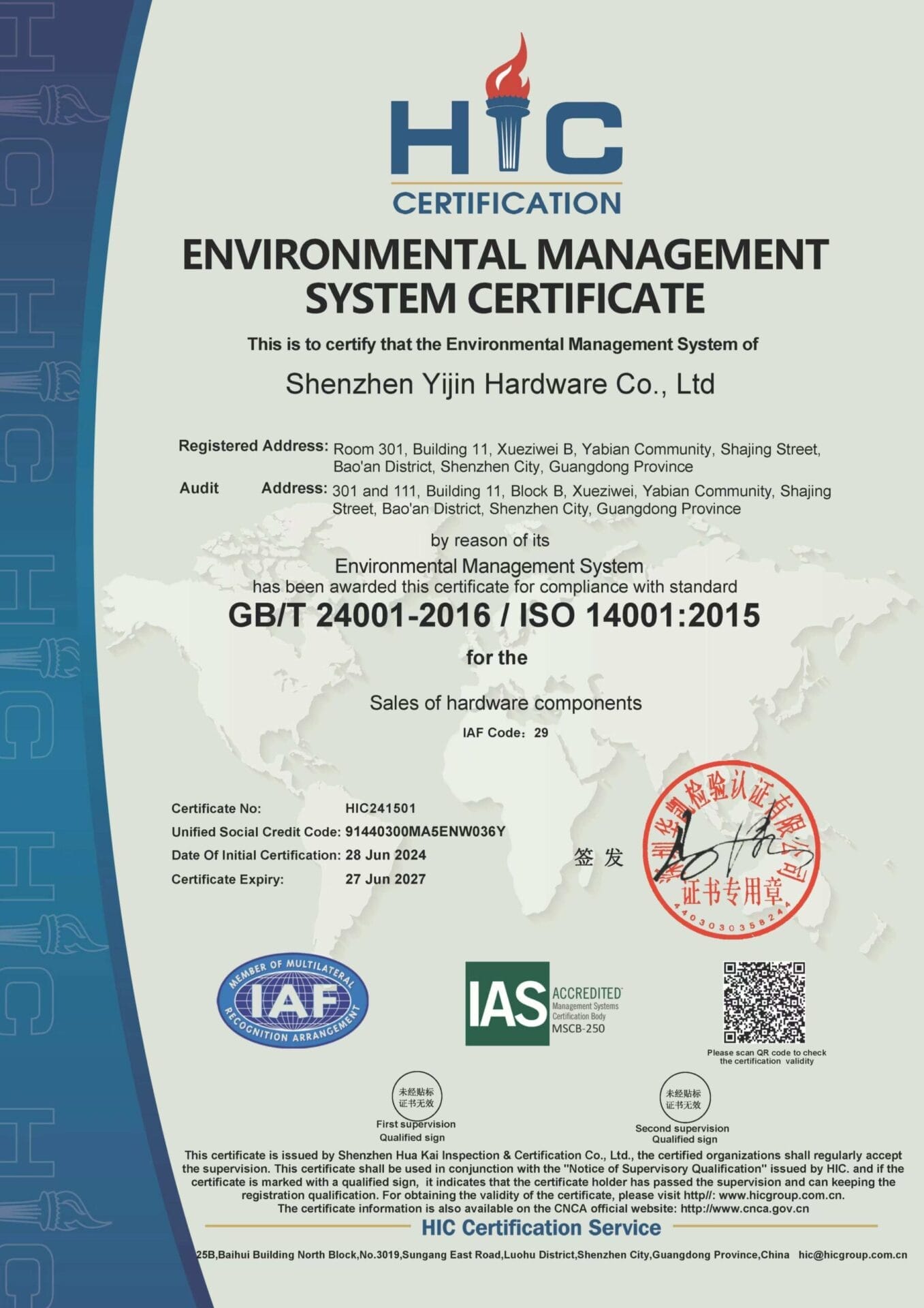
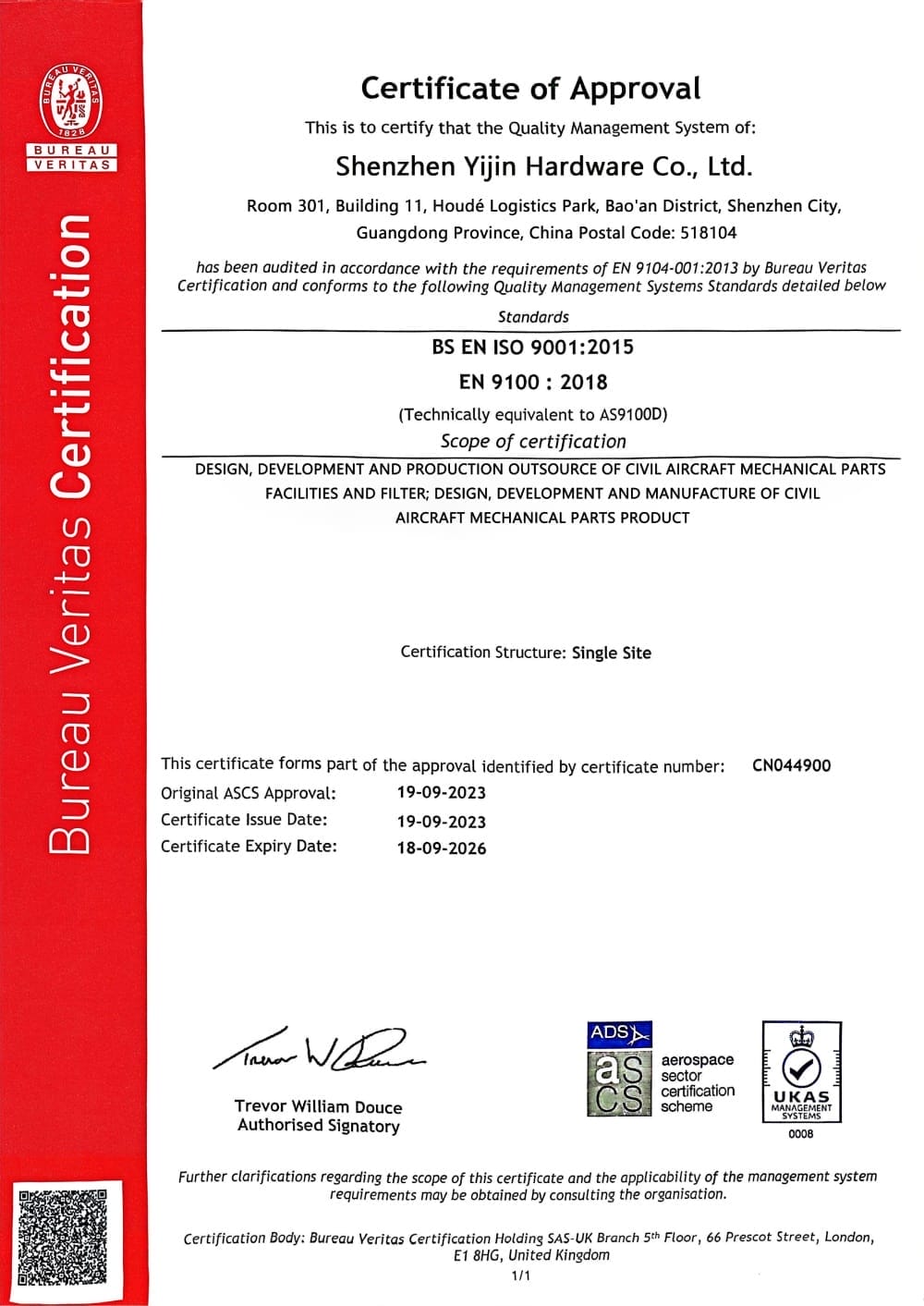
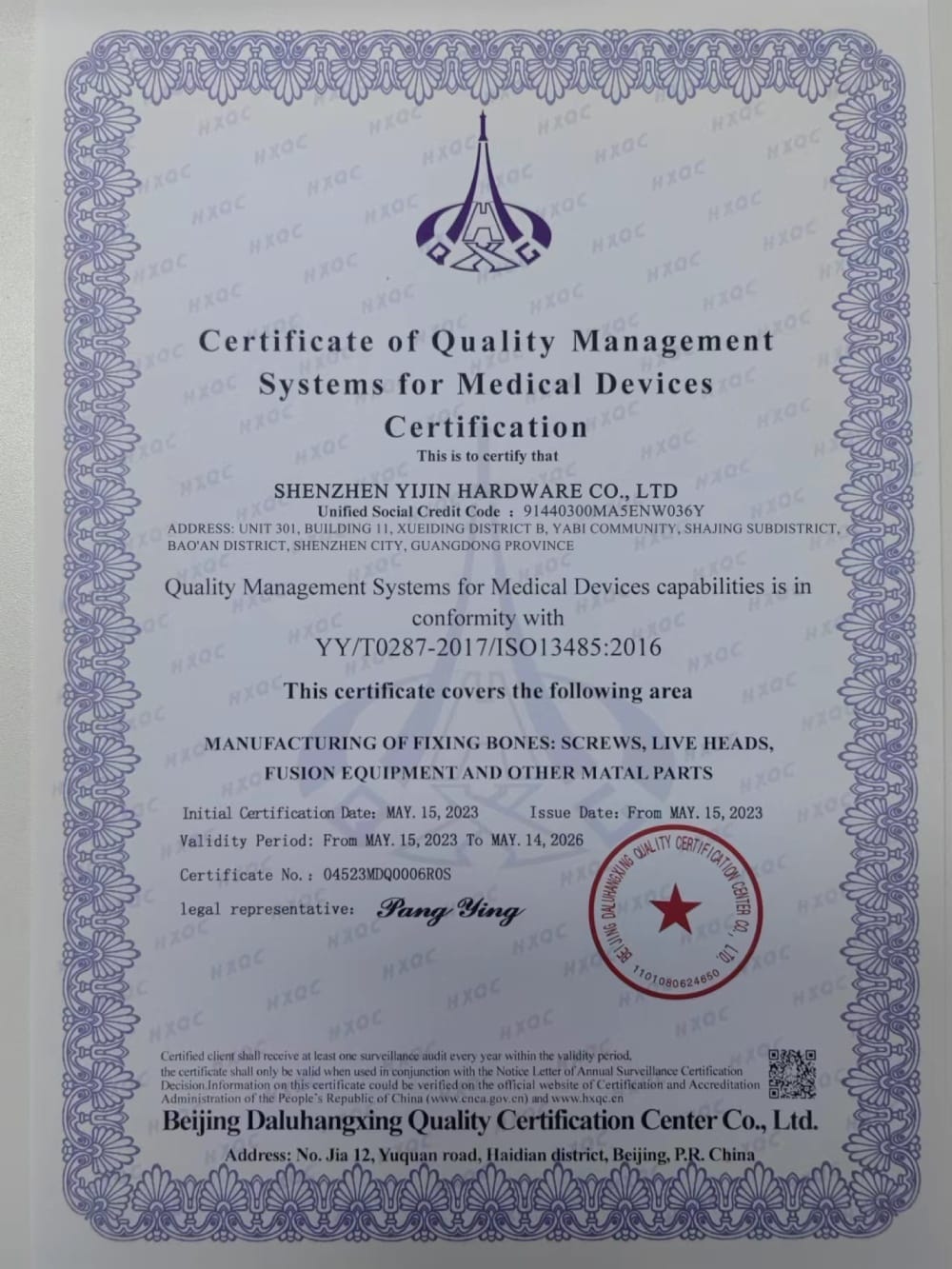
- ISO 9001:2015: Provides a robust quality management system for consistent manufacturing excellence.
- AWS D8.8M:2021: Outlines specific welding requirements for sheet metal used in automotive fabrication, ensuring strong, durable joints.
- AIAG CQI-15: Covers quality systems for automotive metal fabrication and welding.
These standards ensure that our parts are manufactured to meet safety, performance, and aesthetic requirements.
Why Choose Yijin Hardware for Automotive Sheet Metal Fabrication?
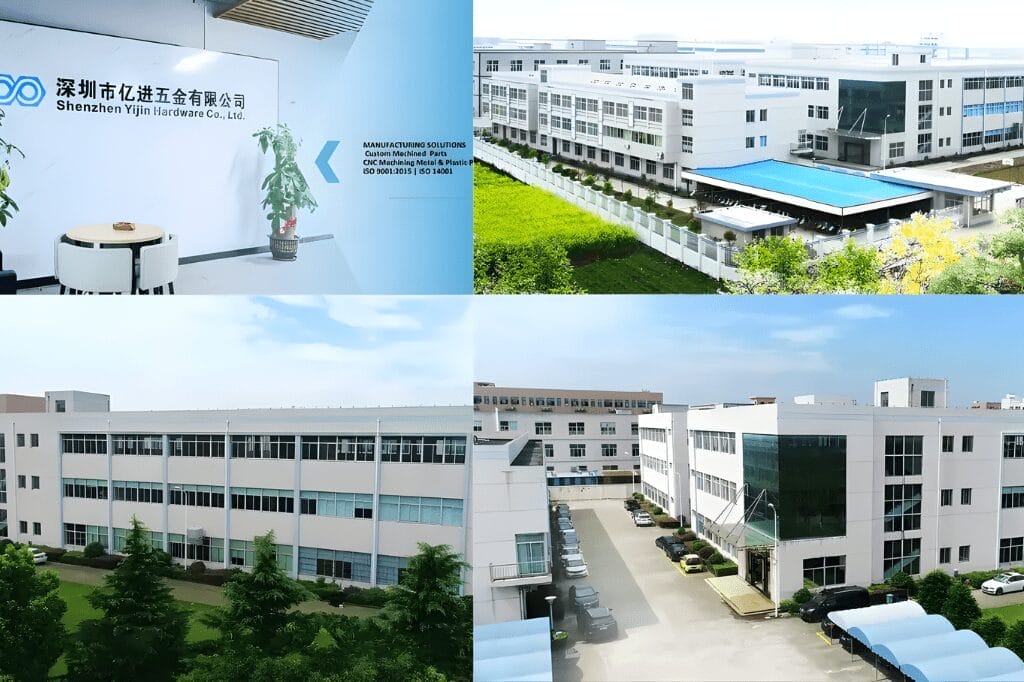
Yijin Hardware is your trusted partner for high-precision automotive sheet metal fabrication. Our fabrication services combine years of expertise with advanced technologies like CNC machining, laser cutting, and metal stamping to deliver exceptional results. Whether you need automotive components for mass production or custom car parts, we guarantee quality, speed, and reliability.
Automotive Sheet Metal Fabrication Benefits at Yijin Hardware
- Präzision: We ensure tight tolerances of ±0.05 mm for all sheet metal parts, guaranteeing a perfect fit for vehicle components.
- Material Flexibility: We work with a wide variety of sheet metal materials, including stainless steel, aluminum, and carbon steel, to meet specific requirements.
- Schneller Umschwung: Our advanced tools and fabrication services ensure fast delivery, whether you’re producing a single prototype or a large batch of metal products.
Was unsere Kunden sagen


Automotive Sheet Metal
Fabrication FAQs
The most common sheet metal used in vehicles includes Advanced High-Strength Steel (AHSS), aluminum alloys, and stainless steel, which provide durability and corrosion resistance.
Sheet metal thickness typically ranges from 0.5 mm to 3 mm depending on the part’s role, with thicker metals used for structural components and thinner metals for body panels.
MIG welding is generally better for high-volume production due to its speed, while TIG welding offers more precision and is ideal for detailed work like seams and cosmetic finishes.
CNC-Ressourcen
Top 10 Hersteller von Messingblech
Messingblech vereint Eigenschaften, die es in vielen Branchen wertvoll und für architektonische und dekorative Zwecke attraktiv machen. Ob
Die 10 besten Unternehmen für Präzisionsblechverarbeitung (Vollständiger Leitfaden)
Die Herstellung von Präzisionsblechen ist keine gewöhnliche Metallarbeit - es handelt sich um eine Fertigung, bei der Toleranzen in Tausendstel gemessen werden.
Die 10 besten Hersteller von Metalldächern, die Sie kennen sollten
Bei der Wahl eines Herstellers von Metalldächern sollten Sie nichts falsch machen, denn Ihr Dach schützt buchstäblich alles, was darunter liegt.
Beginnen Sie noch heute. Teile schnell herstellen lassen.
Kostenloses Design von bearbeiteten Teilen für Ihre Projekte mit schnellen Durchlaufzeiten.
 DE
DE  EN
EN  ES
ES  RU
RU  FR
FR