
Laserschneiden von Metall in China
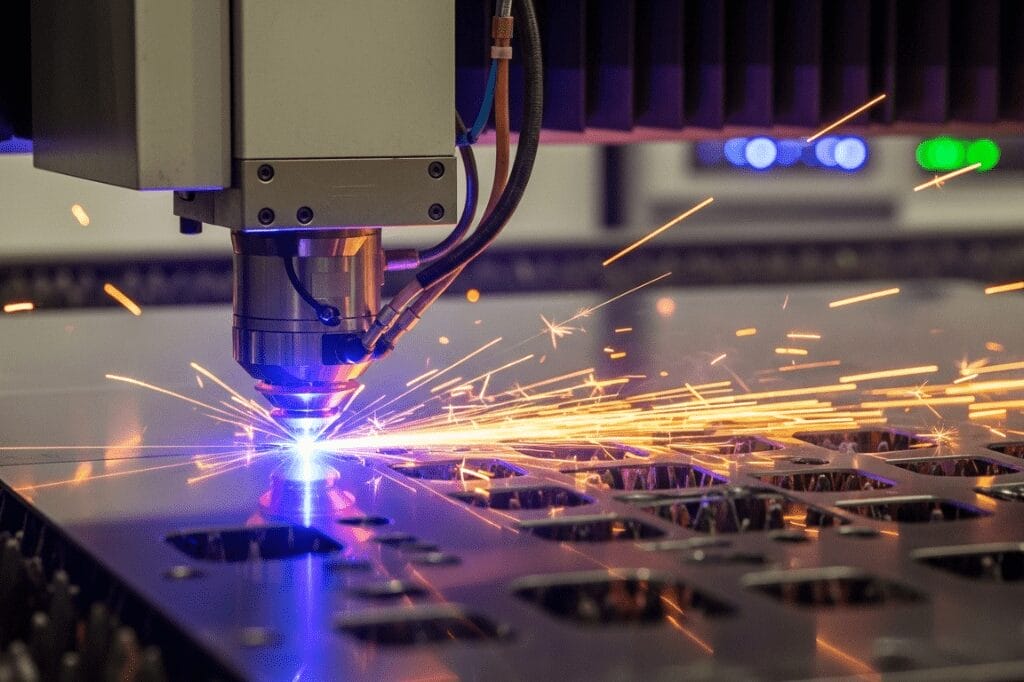
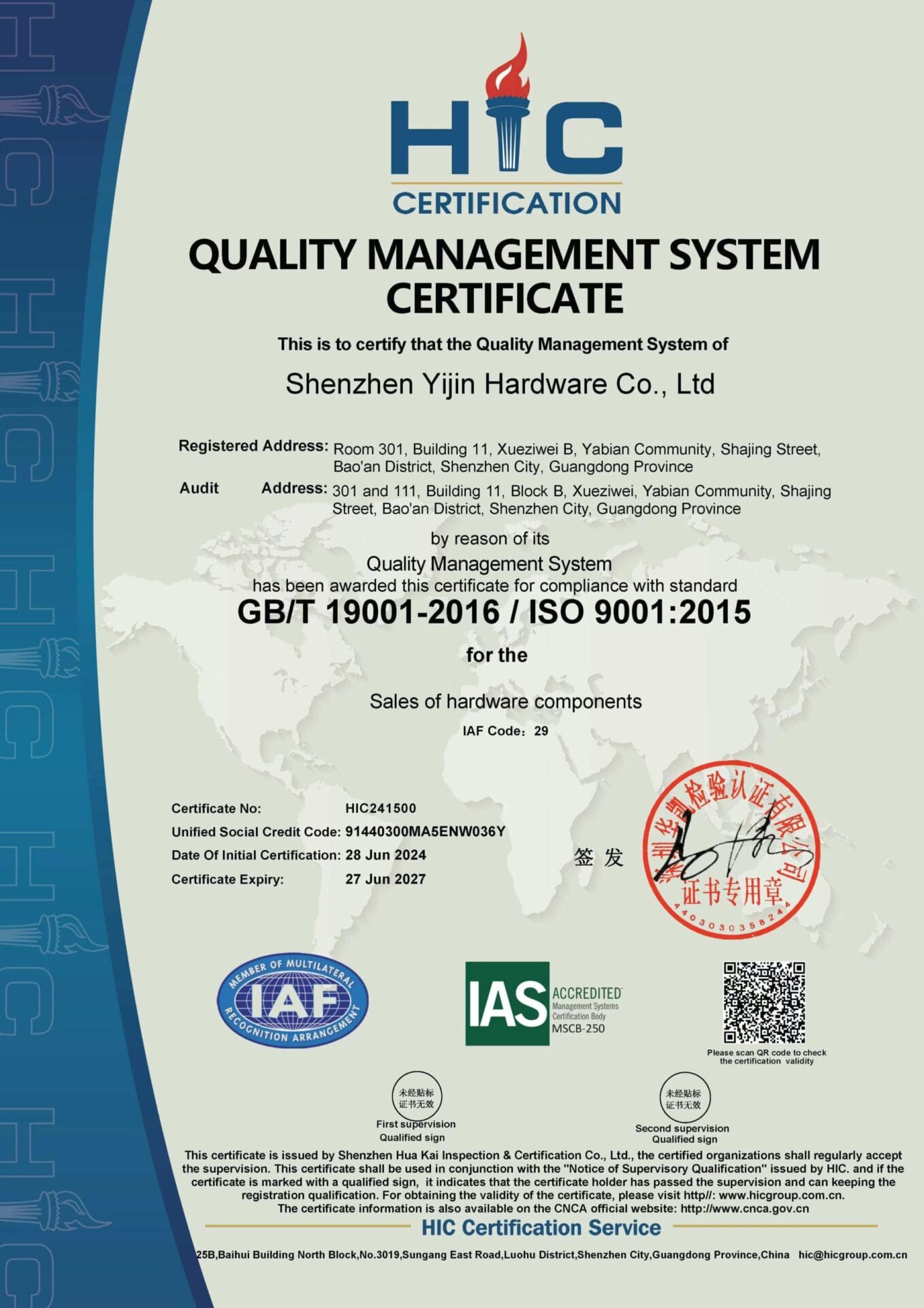
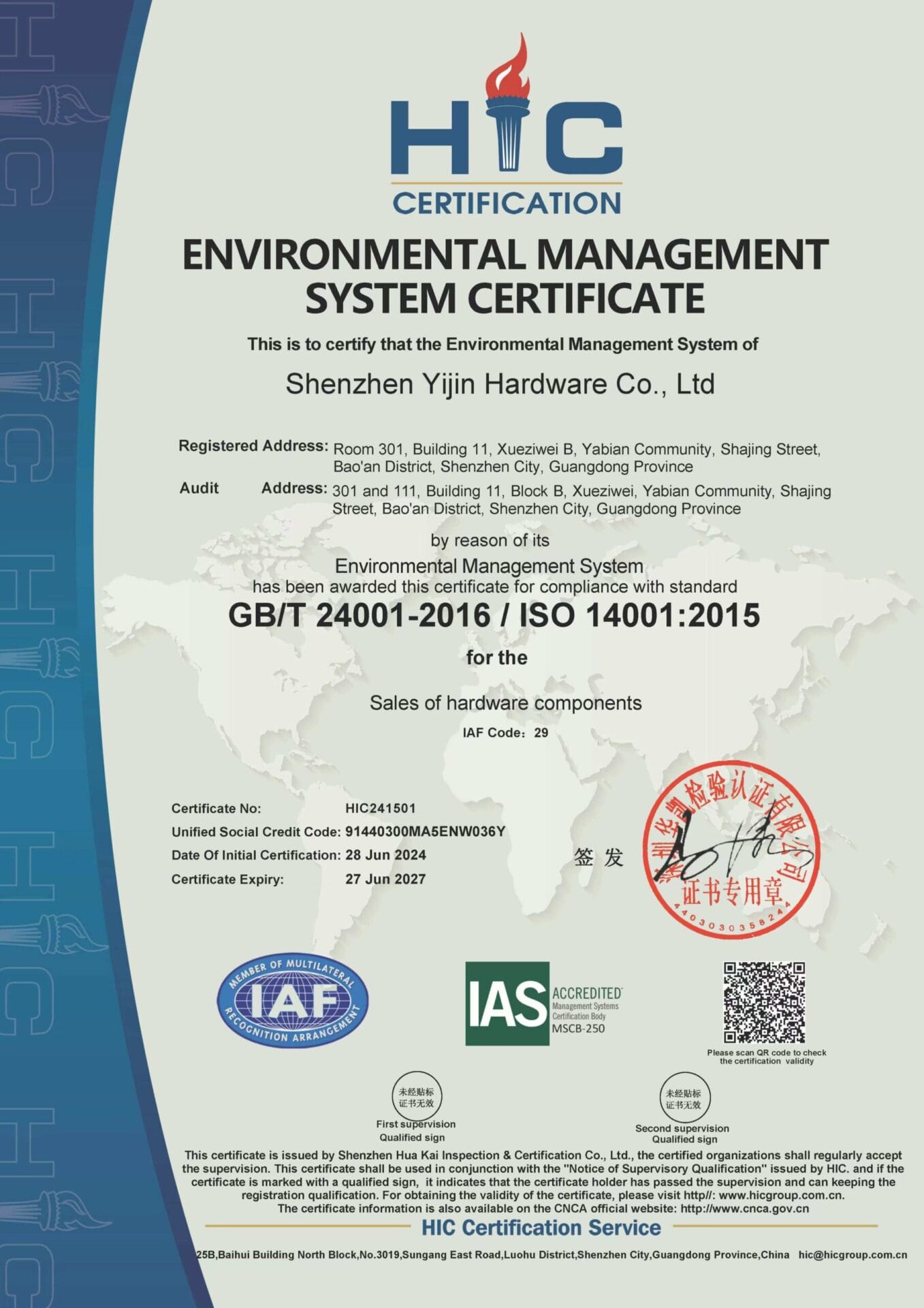
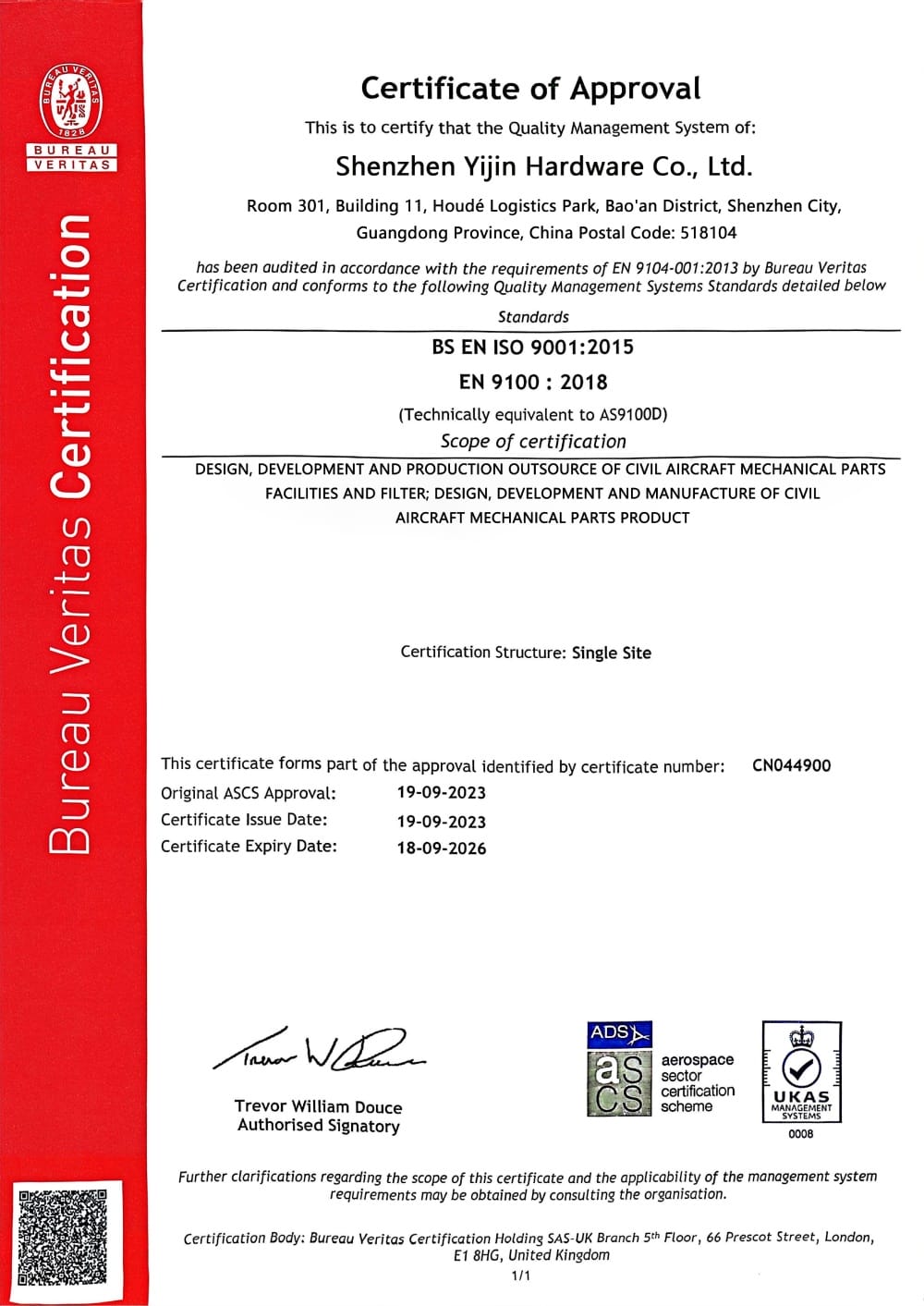
Precision fiber, CO2, and Nd:YAG laser cutting for metal sheet, plate, and tube in aluminum, steel, stainless, brass, and copper. 30 laser cutting machines at our 25,000 m² facility in Shenzhen, operating under ISO 9001 and ISO 14001 quality systems.
Upload your DXF, STEP, or IGES file to receive a DFM review and instant quote within 24 hours.
- Positional accuracy ±0.05 mm; kerf widths 0.1 to 0.5 mm
- Material thickness 0.5 to 25 mm steel, up to 20 mm aluminum
- No minimum order. One-off prototypes through serialized production


Custom Laser Cutting Services with Yijin Solution
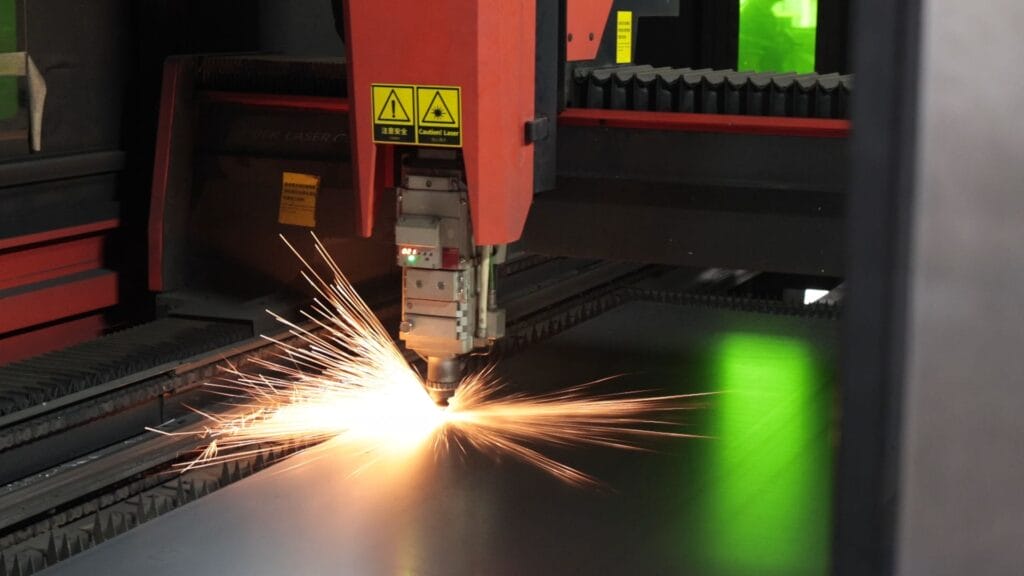
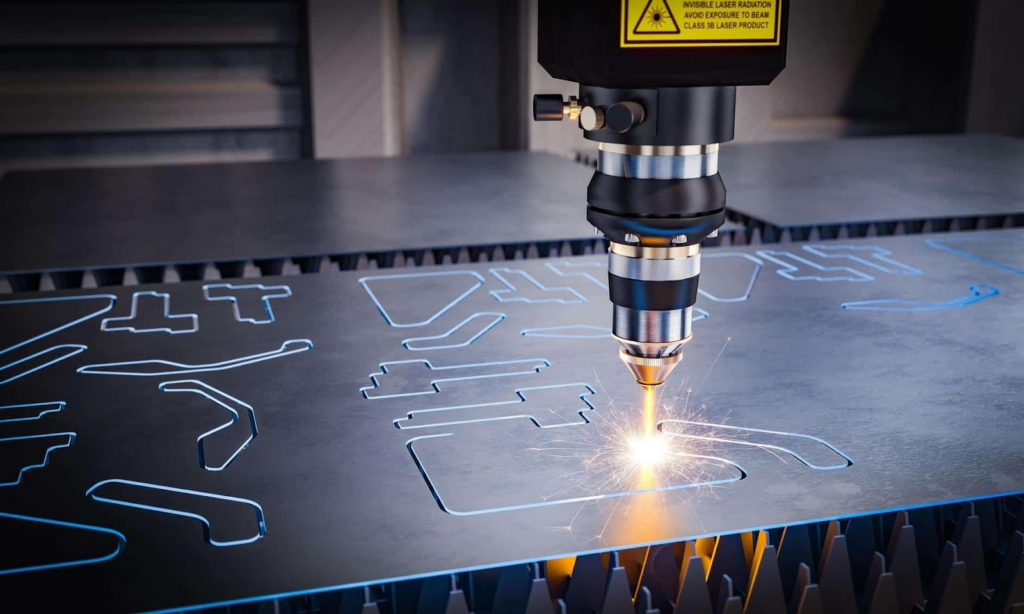
Laser cutting uses a focused, high-power laser beam to melt, burn, or vaporize material along a programmed path. A fiber, CO2, or Nd:YAG beam concentrates enough energy on a narrow kerf to cut clean profiles in metal, plastic, wood, or composite sheet. The process holds tight positional accuracy, leaves minimal heat-affected zones on thin material, and produces parts ready for bending or welding in one pass.
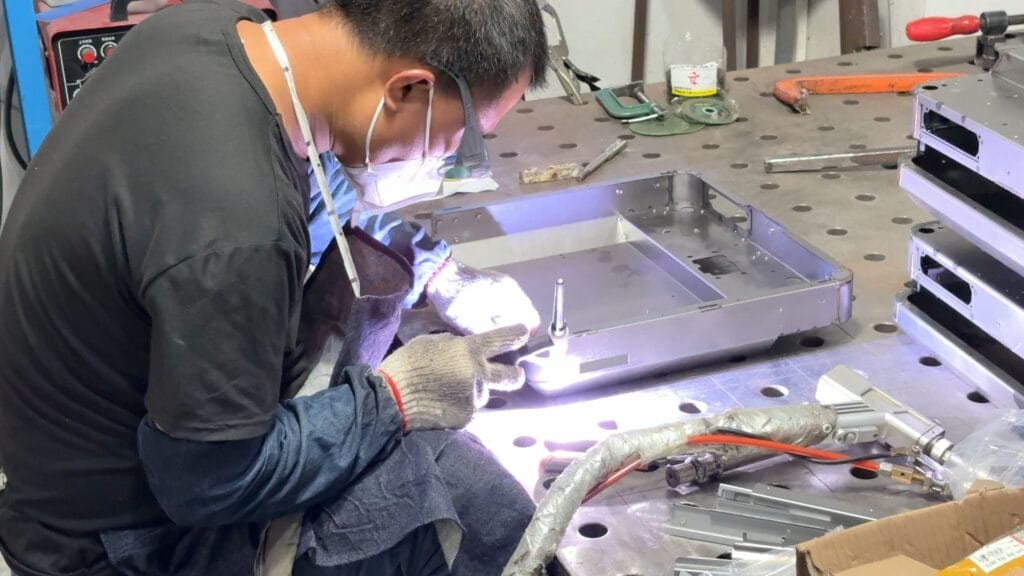
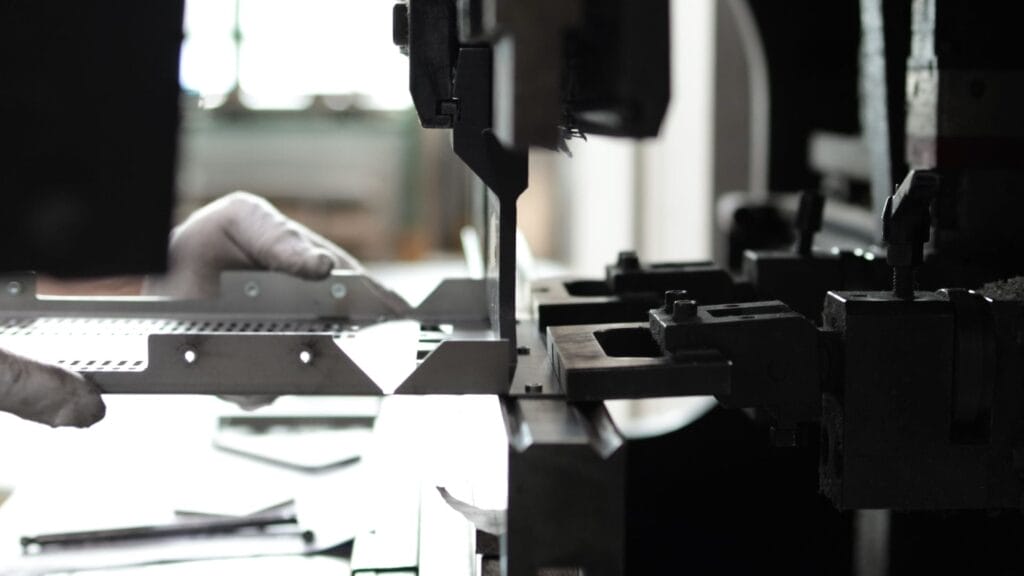
Laser cutting sits inside our broader Herstellung von Blechen service alongside bending, welding, and stamping. We cover metal sheet from 0.5 to 25 mm thick in aluminum, steel, stainless, brass, and copper, with deburring, passivation, powder coating, and painting in-house. Single prototypes, bridge runs, and serialized production all go through the same machines on the same quality system.

Laser Cutting Manufacturing Capabilities
| Merkmal | Beschreibung |
|---|---|
| Präzisionstoleranz | ±0,05 mm |
| Standard-Toleranz | ±0.10–±0.20 mm depending on material and thickness |
| Standard-Vorlaufzeit | 3–7 days; as fast as 1–3 days for simple parts |
| Maximum Part Size | Up to 3000 × 1500 mm (standard sheet size) |
Laser Cutting Materials
We cut 40+ metal grades across aluminum, steel, stainless, and copper-family alloys. Every sheet ships with mill certification and lot-level traceability. Material selection follows the part’s thickness, edge-quality requirement, and downstream processing path.
Aluminium
| Typ | Common Klassen |
| General-Purpose | 1100, 5052-H32, 6061-T6 |
| Architectural and Sheet | 6063-T5, 3003 |
| High-Strength | 7075-T6 |
Stahl
| Typ | Common Klassen |
| Mild and Low-Carbon | 1018, 1045, A36 |
| High-Strength Low-Alloy | S355, Q345 |
| Galvanized and Coated | DX51D+Z, galvalume |
Rostfreier Stahl
| Typ | Common Klassen |
| Austenitic | 304, 304L, 316, 316L |
| Rostfreier Stahl | C36000, C26000, C28000, C11000, C12200 |
| Duplex | 2205 |
Copper-Family and Specialty
| Typ | Common Klassen |
| Messing | C36000, C26000, C28000 |
| Kupfer | C11000, C12200 |
| Spezialität | Titanium Grade 2, Nickel 200, Monel 400 |

Laser Cutting Surface Finishes
We apply surface finishes in-house to control quality and lead time. Each finish below improves corrosion resistance, edge quality, or appearance of the laser-cut part.
Oberflächenbehandlung
SPEZIFIKATION

As-Cut
Parts ship directly off the laser with a clean kerf and minimal dross. Standard finish for fabrication-ready blanks that will be bent, welded, or assembled downstream. Edge quality depends on material and thickness.

Deburring and Edge Smoothing
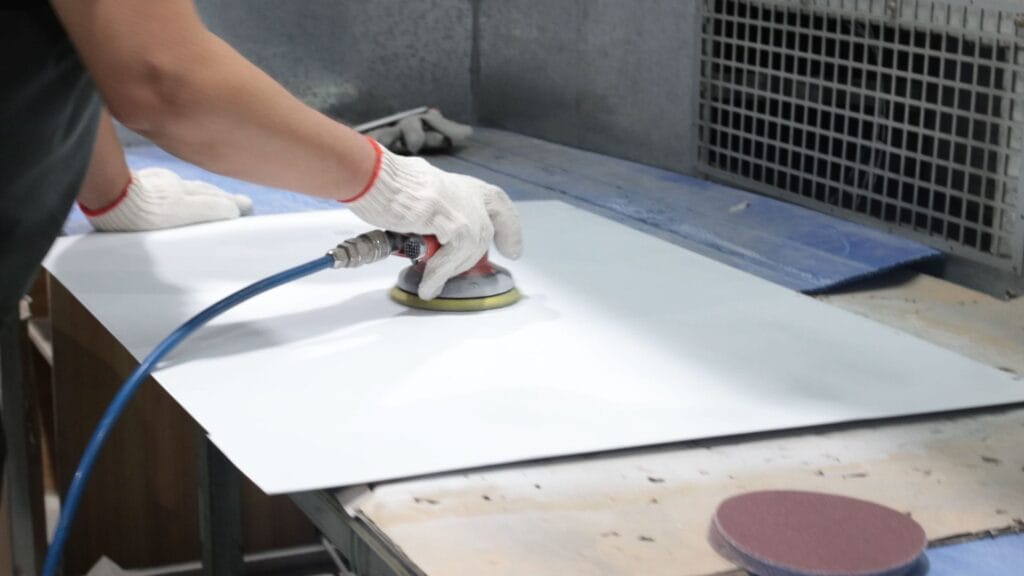
Automated tumbling, disc grinding, or timesaver belt sanding removes burrs, dross, and edge sharpness. Required on any laser-cut part handled by end users or exposed in an assembly. Holds Ra 1.6 to 3.2 μm on cut edges.

Passivation (Stainless Steel)

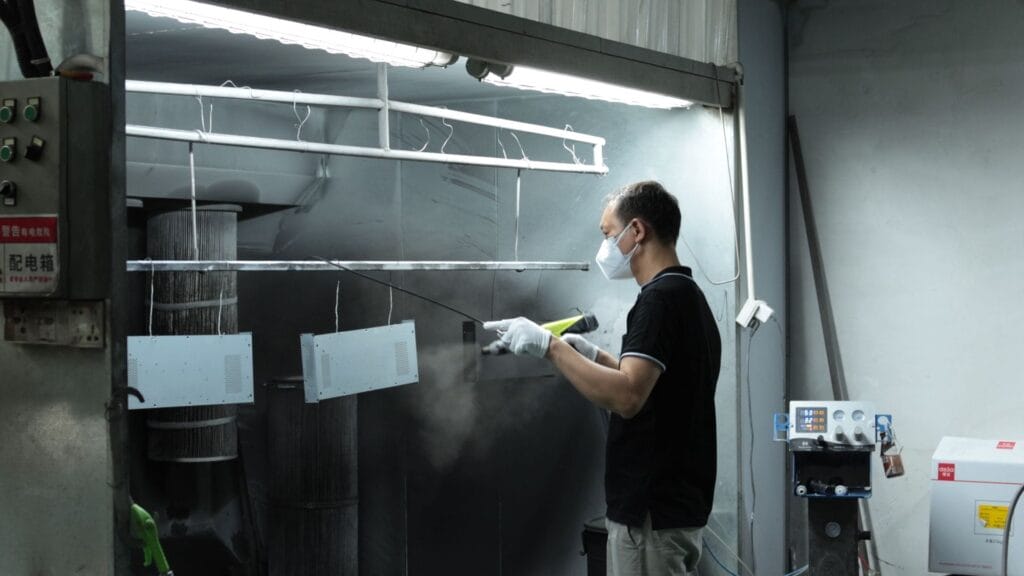
Pulverbeschichtung
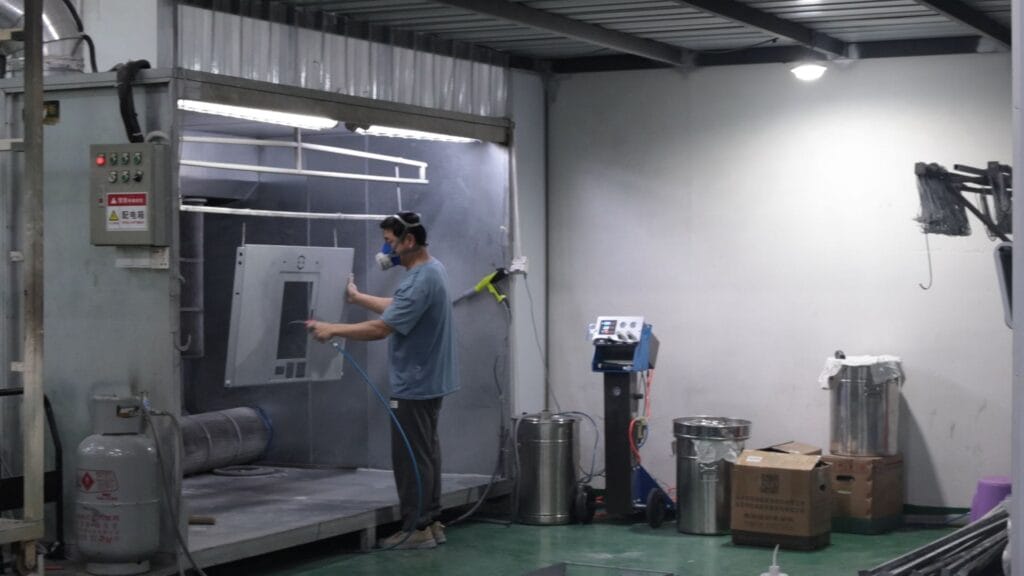
Electrostatic powder application baked at 180 to 200 °C. Coating thickness 60 to 120 μm. RAL and Pantone color matches available. Standard for steel brackets, enclosures, and exterior sheet metal. Delivers 500 to 1,000 hours of salt spray resistance.

Beschichtung
Zinc, electroless nickel, and chrome plating for cosmetic and corrosion protection on steel laser-cut parts. Plating thickness 5 to 30 μm. Supports ASTM B633 zinc and ASTM B456 decorative chrome standards.

Wet Paint and PVD
Types of Laser Cutting We Offer
We run three laser cutting technologies under one roof, each suited to a different material family and thickness range. Below are the main variants and where each is the correct choice.

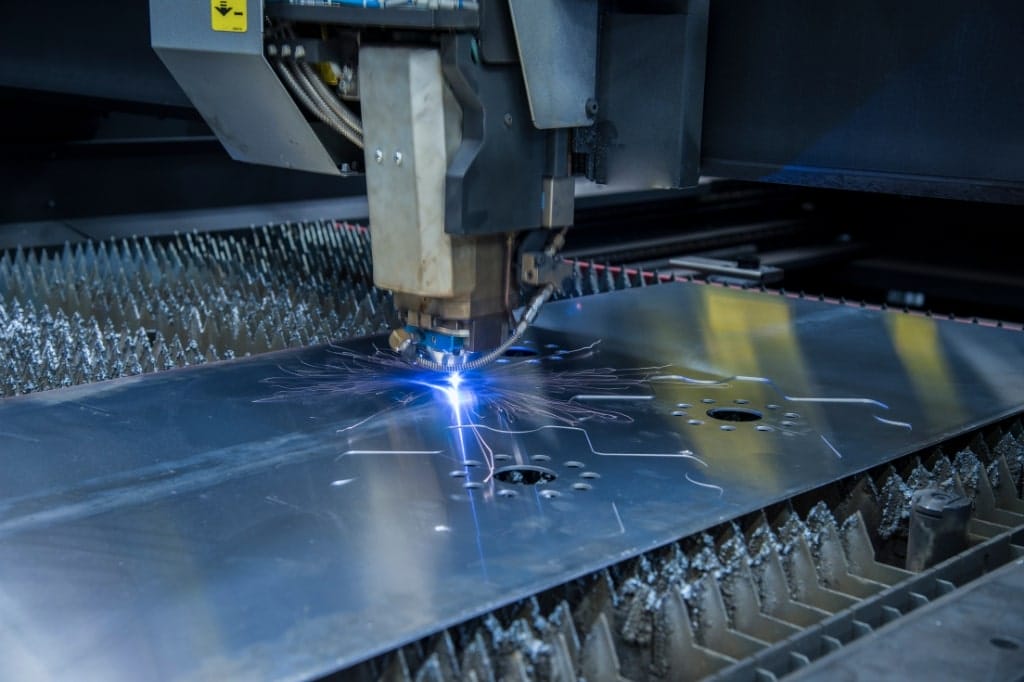
Faserlaserschneiden
Fiber lasers generate a near-infrared beam at 1,064 nm from a solid-state fiber source. The wavelength is absorbed well by metals, which makes fiber the first choice for steel, stainless, aluminum, brass, and copper from 0.5 to 25 mm thick. Cutting speed is 2 to 3 times faster than CO2 on thin metal with lower operating cost per hour.
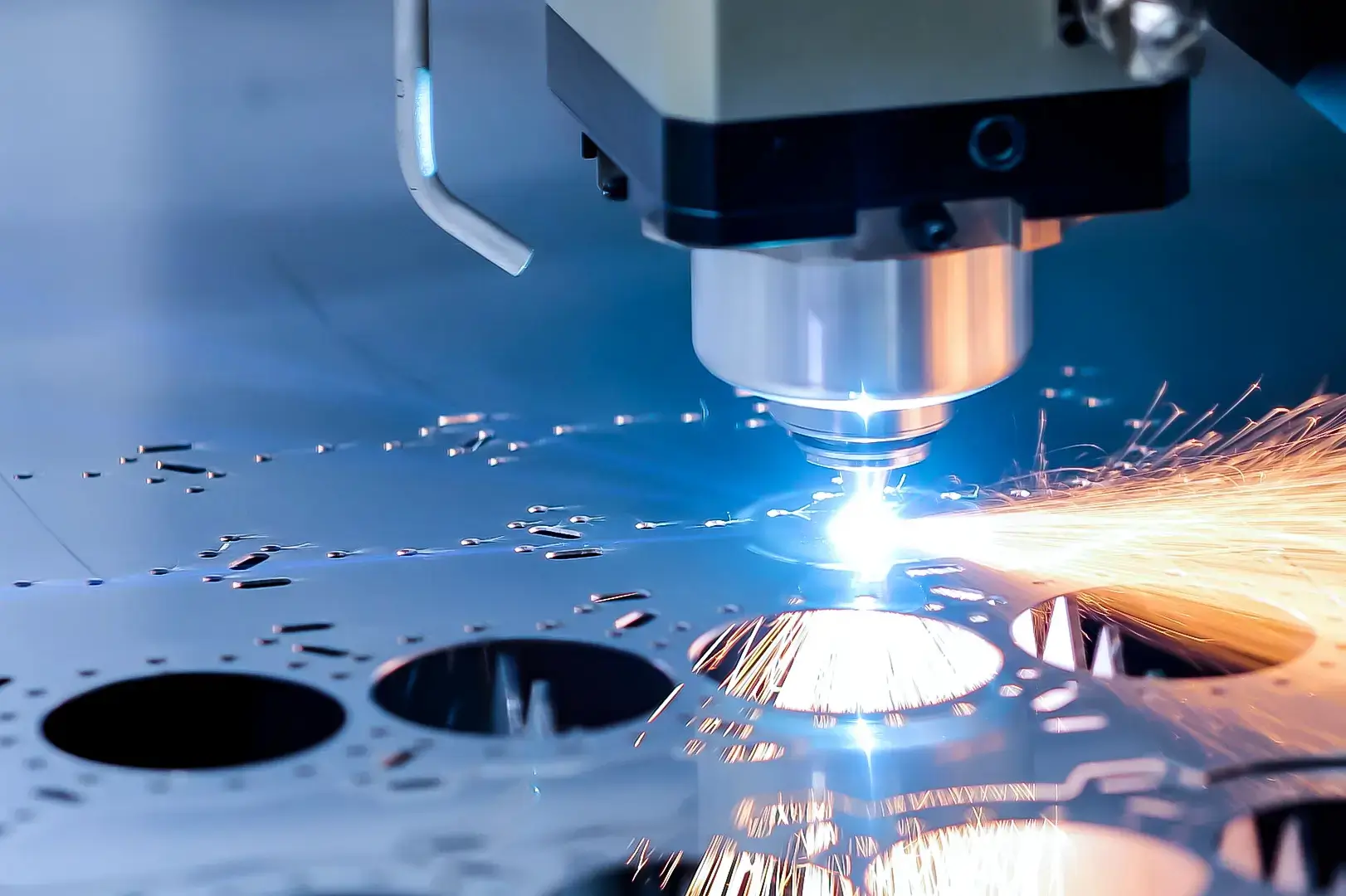
CO2-Laserschneiden
CO2 lasers emit a 10,600 nm beam generated by an electrical discharge through a gas mixture. The longer wavelength is absorbed well by non-metals, so CO2 is the standard for acrylic, wood, fabric, and organic composites. On metal it handles thick steel and stainless up to 25 mm, though fiber has largely replaced CO2 on thinner gauges.
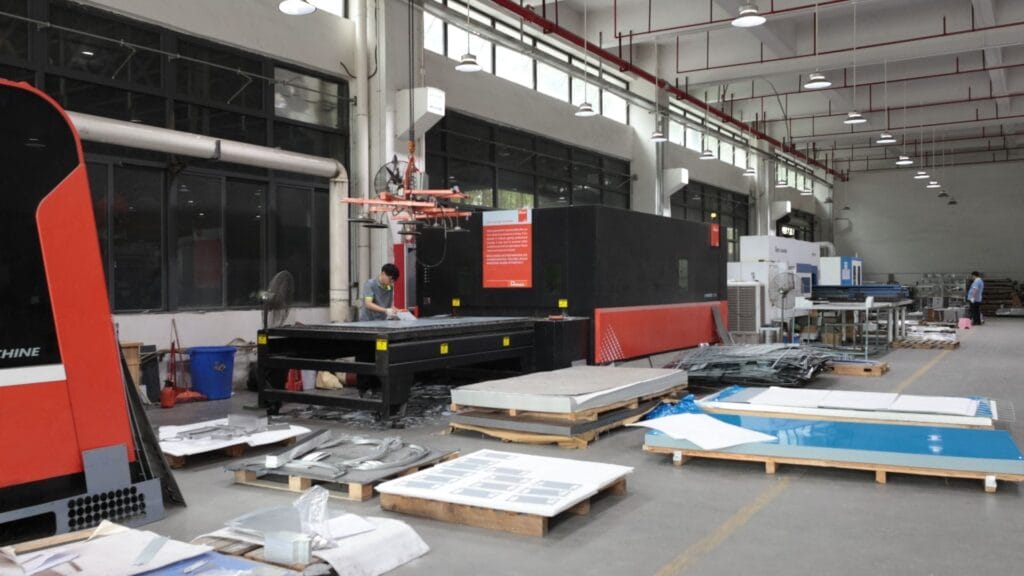
Nd:YAG Laser Cutting
Nd:YAG lasers use a neodymium-doped YAG crystal to emit at 1,064 nm in pulsed or continuous mode. Used when the job needs high peak power on a narrow focal spot: reflective materials like copper and aluminum, deep thin-kerf cuts, and precision medical components. Slower than fiber on general metal cutting but unmatched on reflective and heat-sensitive work.
Applications of Laser Cutting
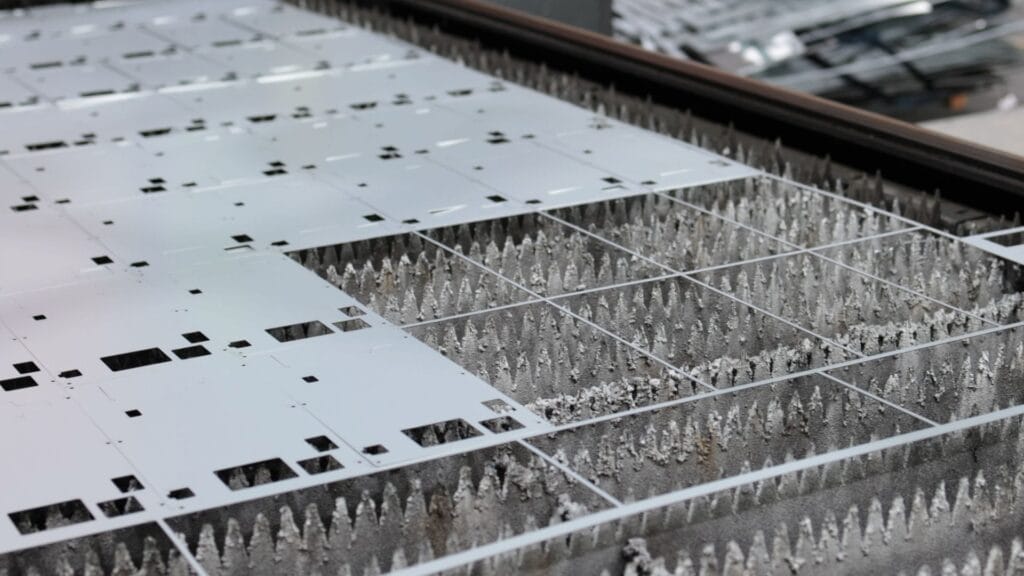
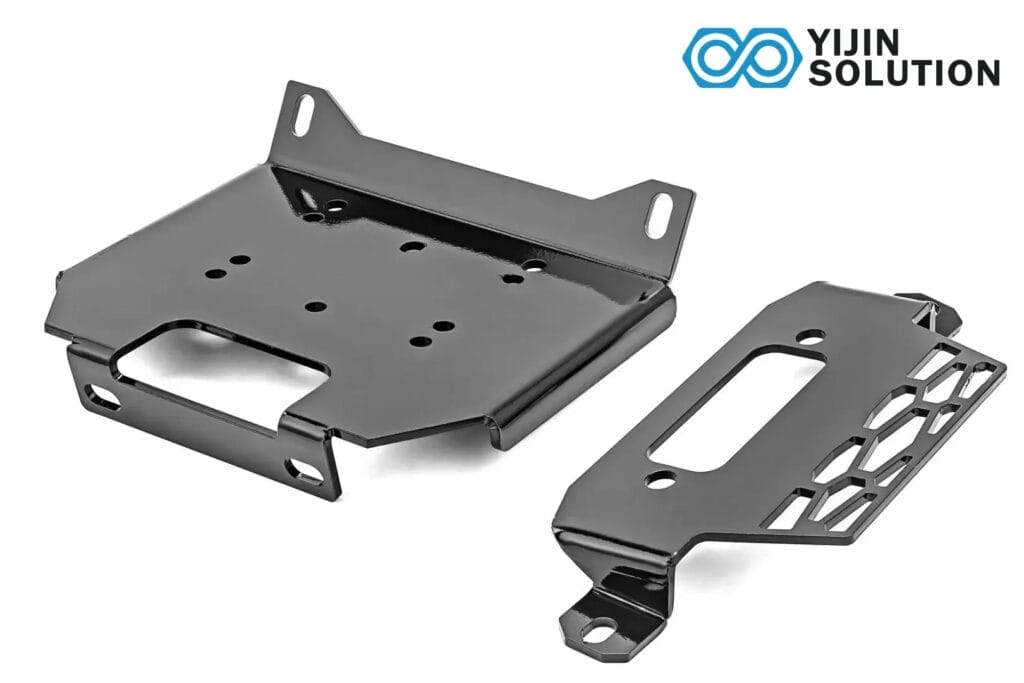
Blanks, gussets, brackets, and housings for the fabrication shop floor. Laser-cut profiles feed directly into bending, welding, and assembly with consistent repeatability across thousands of parts.
Body panels, chassis brackets, exhaust components, and interior trim blanks in cold-rolled steel, galvanized steel, and aluminum. High-volume production with tight profile repeatability across serial runs.
Thin-wall structural components, duct panels, interior cabin parts, and heat-shield blanks in aluminum 7075 and titanium. AS9100-aligned production with full material traceability.
Surgical instrument blanks, implant profiles, and diagnostic equipment components in 316L stainless and titanium. Cut profiles passivated after deburring for biocompatibility.
Enclosures, heat sinks, and shielding cans in aluminum and copper. PCB cutouts and precision profiles for connector carriers. Clean edges compatible with downstream assembly.
Machine guards, panel covers, control enclosures, and structural brackets in steel and stainless. Available with powder-coat or galvanized-finish programs.
Custom-shaped letters, logos, and decorative panels in brushed stainless, mirror stainless, and anodized aluminum. Sharp corners and mirror-finish cut edges available on request.
Facade panels, balustrade infills, decorative screens, and perforated metal panels in weathering steel, stainless, and aluminum. Large-format sheet cutting up to 3,000 × 1,500 mm.
Battery tray components, solar panel brackets, and wind-turbine enclosure parts in galvanized steel and aluminum. Corrosion-resistant finishes for outdoor service.
Yijin Solution Laser Cutting Factory
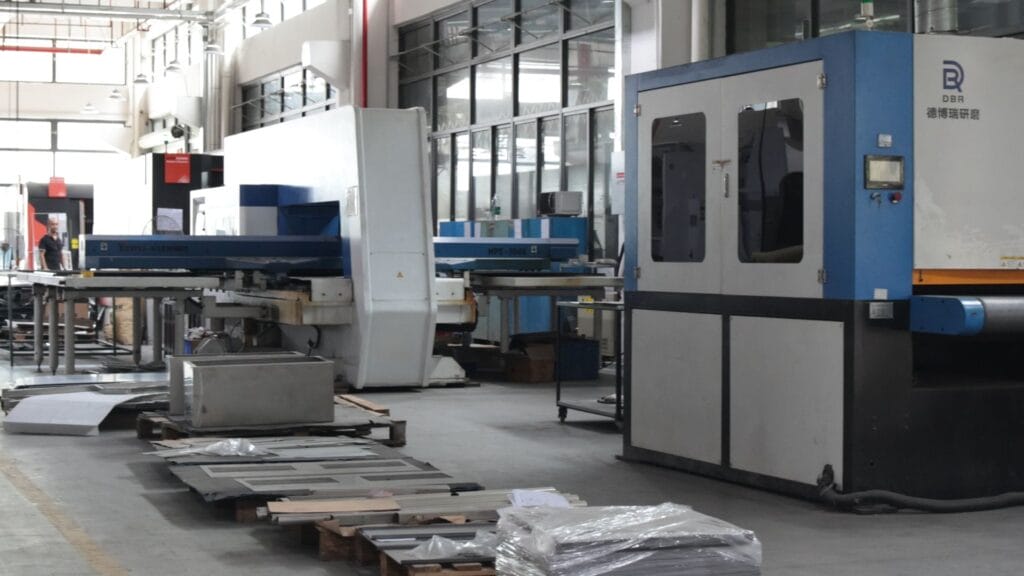
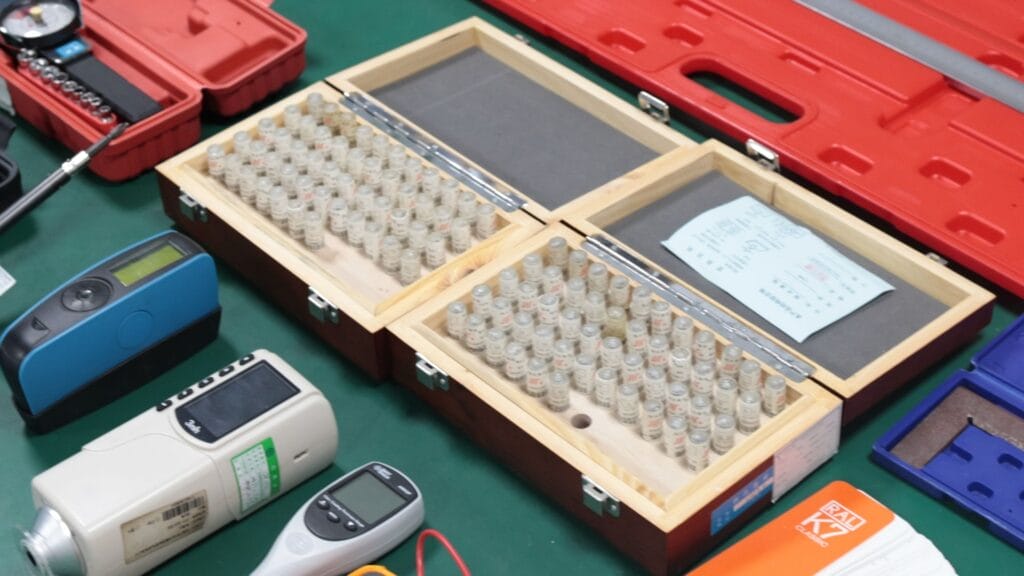
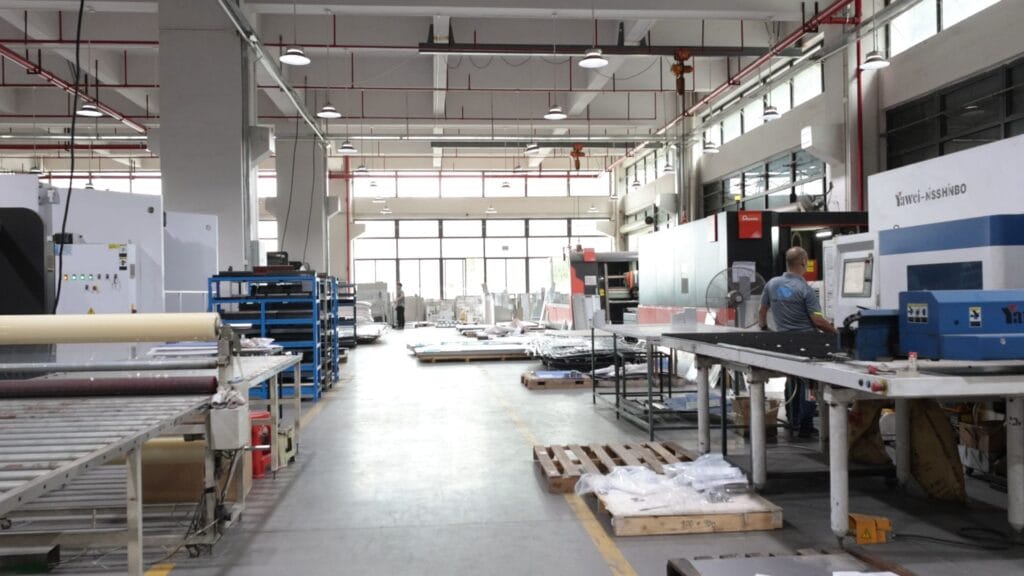
Yijin Solution operates a 25,000+ m² manufacturing facility in Shenzhen, China. The laser cutting cell houses 30 laser cutting machines across fiber, CO2, and Nd:YAG platforms plus 281 inspection instruments including Zeiss CMMs, profile projectors, and edge-quality gauges. Sheet and plate move from raw stock through laser cutting, deburring, surface finishing, and inspection without leaving the facility.
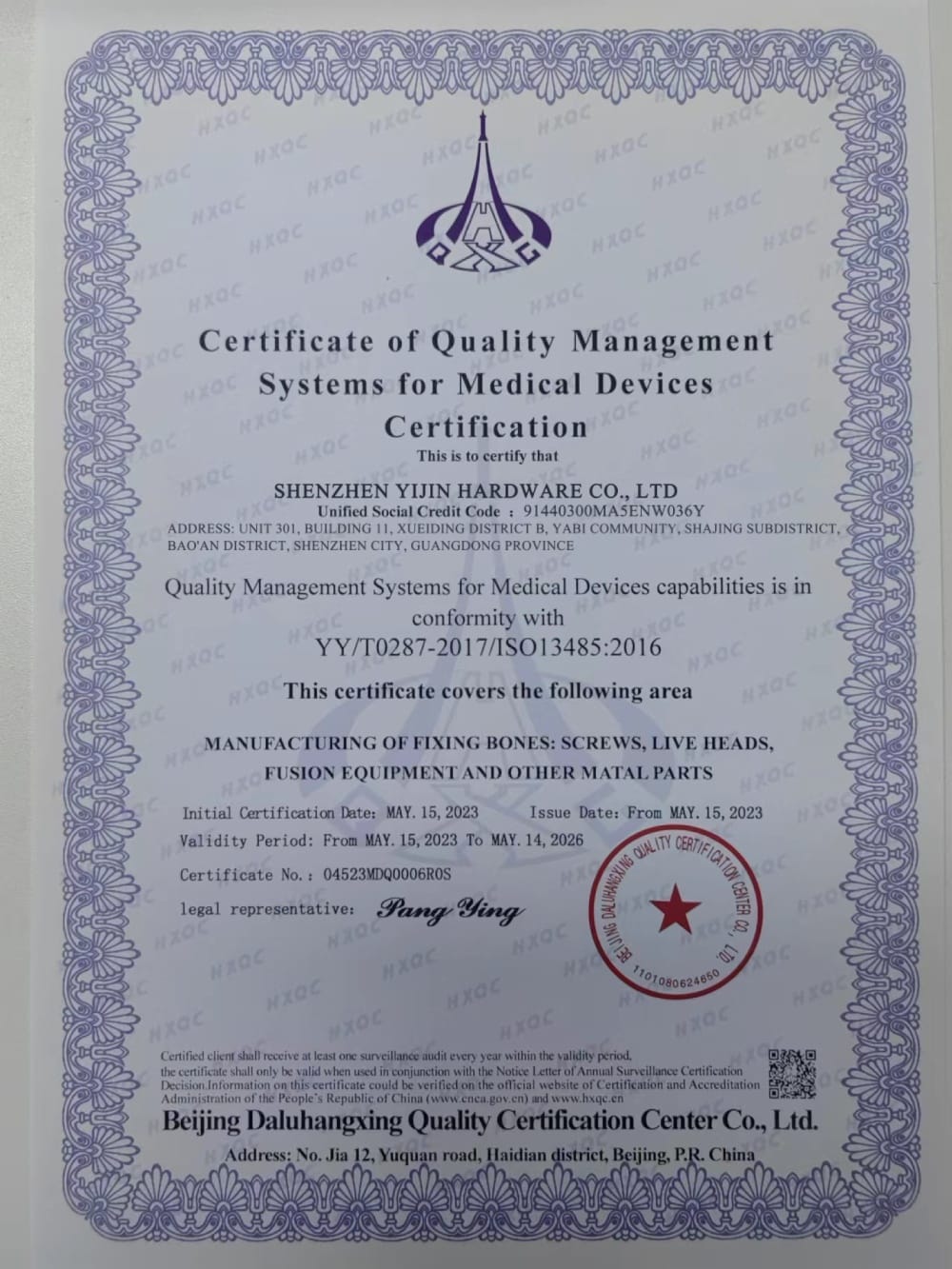
We serve clients across North America, Europe, and Asia-Pacific. Every order ships with full dimensional inspection reports, material certifications, and where applicable, mechanical test data and FAI documentation. For aerospace and medical programs, production runs under AS9100 and ISO 13485 quality management systems.


What's Laser Cutting
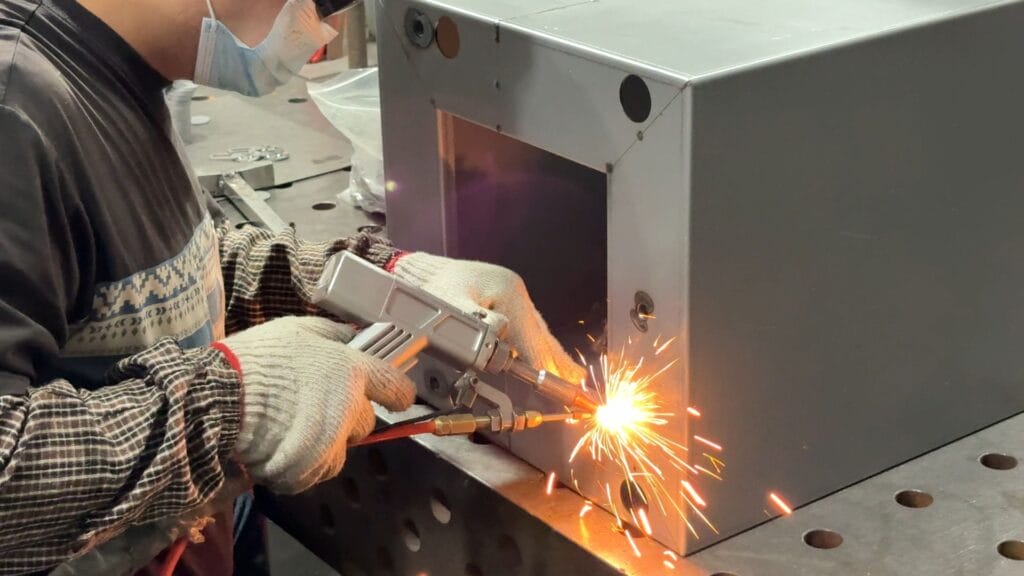
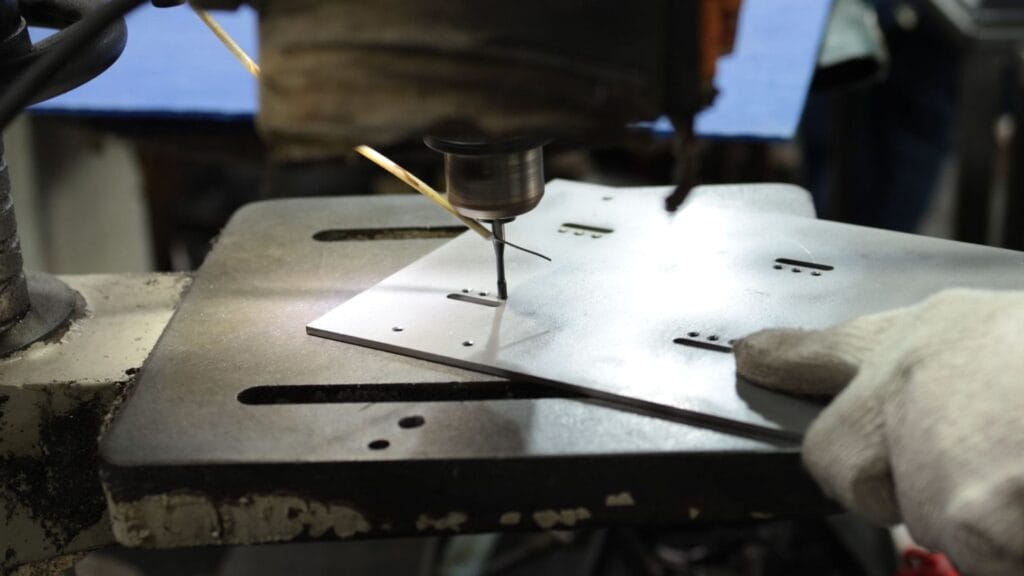
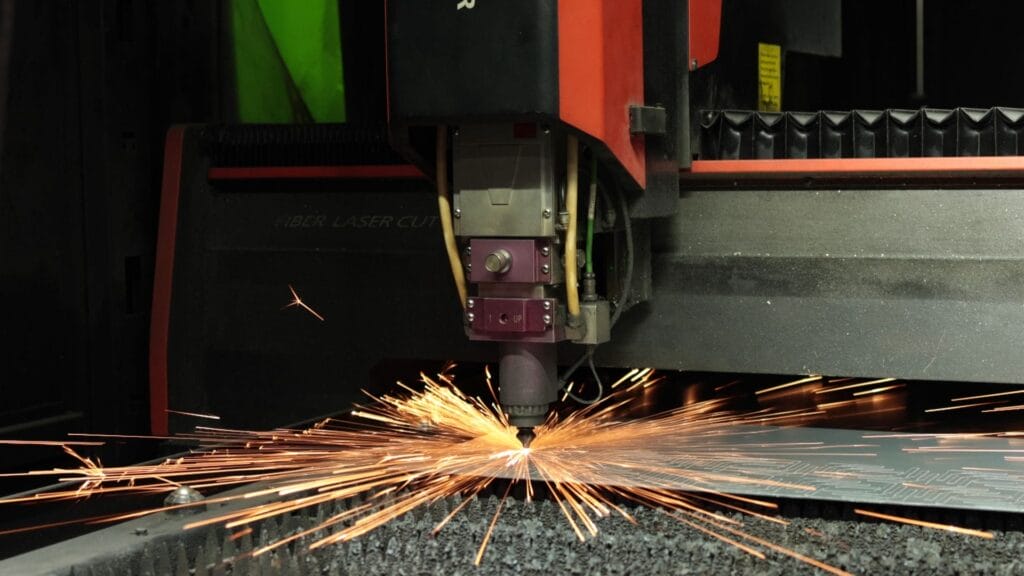
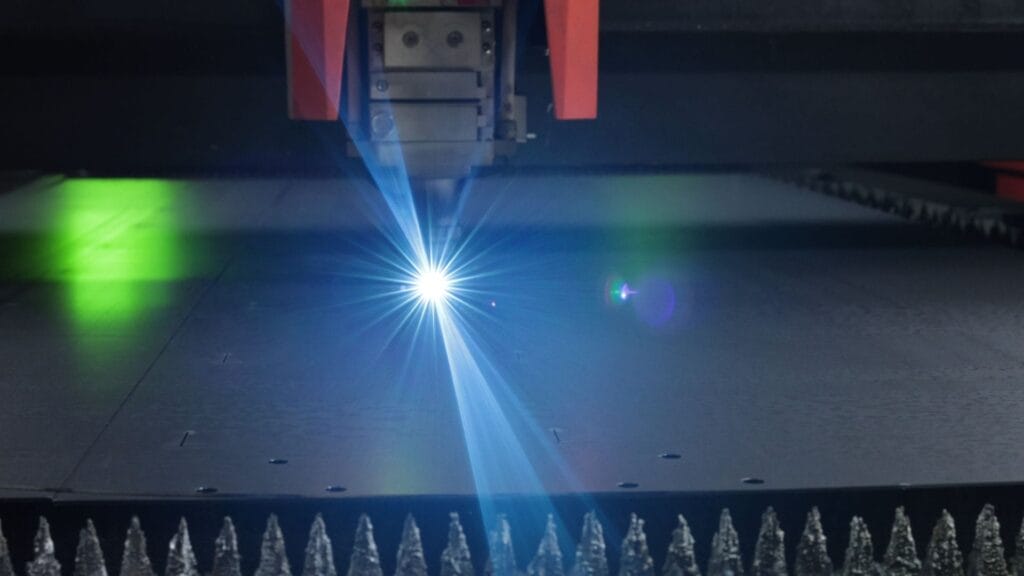
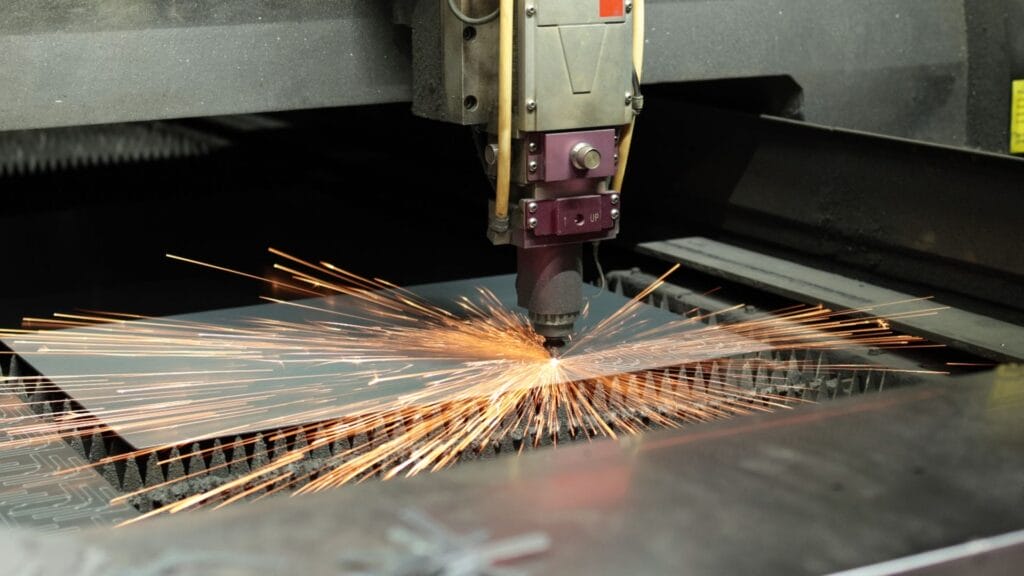
Laser cutting is a way to cut metal and non-metal sheet by focusing a high-power laser beam onto a narrow spot that melts, burns, or vaporizes the material along a programmed path. The machine moves the beam by steering mirrors or by moving the sheet under a fixed head, depending on machine type. A stream of assist gas (oxygen, nitrogen, or compressed air) blows molten material out of the cut to leave a clean kerf.
The result is a part that matches a 2D CAD file with ±0.05 mm positional accuracy, no tool wear, and no contact between machine and workpiece. Laser cutting handles almost any metal you would use in a finished product and scales from single prototypes to production runs in the tens of thousands per week.


How Laser Cutting Works
Laser cutting follows four steps from a digital design to a finished part.
- Design to program. Your DXF, DWG, or STEP file is converted to cutting paths in CAM software. The software also selects laser power, feed rate, and assist gas based on material and thickness.
- Setup. The operator loads the sheet or plate onto the cutting bed, selects the assist gas (nitrogen for stainless, oxygen for mild steel, air for aluminum), and checks focus height.
- Cutting. The laser beam tracks the programmed path at 1,000 to 30,000 mm/min depending on material and thickness. Assist gas blows molten material out of the kerf, leaving a clean edge ready for downstream processing.
- Deburring and inspection. Cut parts are deburred, inspected against the drawing using profile projectors and calipers, and handed off for finishing or shipment.
A typical prototype cycle takes 3 to 7 days. Production batches take 2 to 4 weeks.
Why Choose Yijin Solution for Laser Cutting
We control every step of laser cutting from programming through cutting, deburring, finishing, and inspection. That vertical integration means shorter lead times, consistent edge quality, and direct factory pricing without broker margins.

Zeiss CMMs, laser interferometers, and optical comparators verify every critical batch. Parts hold ±0.05 mm typical and ±0.02 mm on 5-axis programs. First Article Inspection and PPAP Level 3 documentation standard on production runs.

Prototypes ship in 3 to 7 business days and production shipments in 2 to 4 weeks. 30 laser cutting machines plus in-house deburring, bending, and finishing keep parts moving without supplier handoffs.
Single-piece prototypes and production runs of 100,000+ parts go through the same machines and the same inspection standards. No minimum order quantity. Volume does not change quality gates.
Your prototype and production parts come off the same lasers with the same program. No re-qualification, no new vendor onboarding, and no process variation when you scale from validation to volume.

Aluminum, steel, stainless, galvanized, brass, copper, titanium, and specialty nickel alloys in 40+ grades. Every order ships with mill certificates and heat-lot traceability.

Direct factory pricing without broker margins. Our engineering team reviews your drawing before programming starts to identify nesting, gas choice, and lead-in optimizations that reduce cycle time and per-part cost.
FAQs About Laser Cutting
Common questions about laser cutting processes, materials, and our production system.
1. How Do I Choose Between 3-Axis, 4-Axis, and Nd:YAG Laser Cutting?
Laser type should match the material, thickness, and edge-quality requirements.
Fiber lasers are the default for metal cutting in 2026. A 1,064 nm beam is absorbed well by steel, stainless, aluminum, brass, and copper from 0.5 to 25 mm. Fiber cuts 2 to 3 times faster than CO2 on thin metal with lower operating cost, and it handles reflective metals like copper and brass that older CO2 systems struggle with.
CO2 lasers are still the standard for acrylic, wood, fabric, and organic composites because the 10,600 nm wavelength is absorbed well by non-metals. On metal they handle thick steel and stainless up to 25 mm, but fiber has replaced CO2 on most thinner-gauge metal work.
Nd:YAG lasers are specified for reflective metals (copper, aluminum, precious metals), deep thin-kerf cuts, and pulsed work on heat-sensitive medical components. Slower and more expensive per hour than fiber on general metal, but unmatched on these specialty jobs.
Our engineering team can recommend the right laser type during DFM review based on your material, thickness, and edge requirements.
2. What's the Difference Between Laser Cutting and Plasma Cutting?
Laser and plasma are both thermal cutting processes, but they suit different thickness ranges and edge-quality requirements.
Laser cutting holds positional accuracy to ±0.05 mm and kerf widths as narrow as 0.1 mm. Cut edges are clean enough to bend, weld, or paint without secondary finishing. Best for thin-to-medium-gauge metal (0.5 to 25 mm) where edge quality matters.
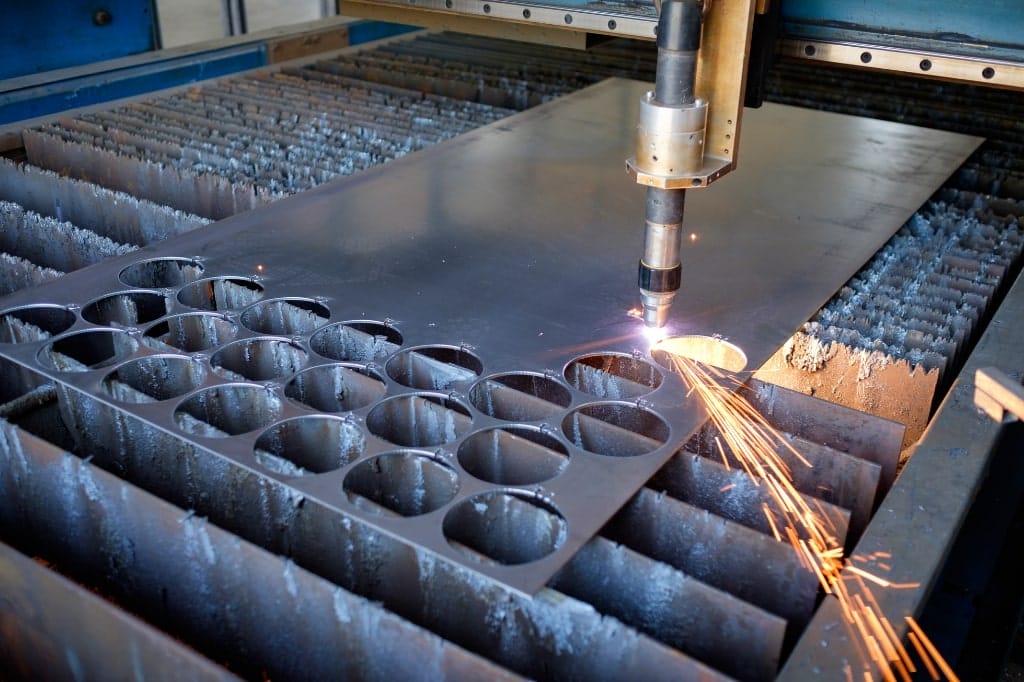
Plasma cutting is faster and cheaper on thick steel (20 to 50 mm) but holds looser tolerance (±0.5 mm) and leaves a wider heat-affected zone. Kerf width 2 to 5 mm. Cut edges typically need grinding before welding or painting.
Choose laser for precision, thin gauge, and cosmetic applications. Choose plasma for thick steel plate where cycle time and per-part cost matter more than edge quality.
3. What Materials Can Be Laser Cut?
Laser cutting covers almost every commonly specified metal and many non-metals.
Carbon and low-alloy steel (1018, 1045, S355, Q345) from 0.5 to 25 mm is the most common laser-cut material. Oxygen assist gas delivers clean edges with minimal dross.
Stainless steel (304, 316, 430) from 0.5 to 12 mm is cut with nitrogen assist to produce an oxide-free edge suitable for welding or passivation.
Aluminum (1100, 5052, 6061, 7075) from 0.5 to 20 mm. Fiber lasers have largely solved the reflectivity and conductivity challenges that limited older CO2 systems.
Copper and brass in sheet form from 0.5 to 8 mm on fiber lasers. Reflective metals require closed-loop power control and nitrogen assist.
Titanium, nickel alloys (Monel 400, Inconel), and specialty alloys are cut on fiber lasers with argon or nitrogen assist to prevent oxidation.
Non-metals (acrylic, wood, fabric, paper, leather) are cut on CO2 lasers. Material selection should match the part’s mechanical load, operating environment, and cost target. Our DFM review can recommend the right grade before programming starts.
4. What Tolerances and Edge Quality Can Laser Cutting Achieve?
Accuracy depends on machine class, beam quality, and material thickness.
Positional accuracy holds ±0.05 mm on profiles up to 1,000 mm. Repeatability stays within ±0.03 mm across production runs.
Kerf width ranges from 0.1 mm on thin stainless to 0.5 mm on thick carbon steel. The kerf must be accounted for in the CAD file or offset in the CAM path.
Edge quality grades run from N1 (mirror-smooth, machined appearance) to N4 (visible striations and dross) per ISO 9013. Fiber lasers hold N2 to N3 on thin stainless and aluminum, which is weld-ready without secondary finishing.
Heat-affected zone (HAZ) depth is 0.05 to 0.2 mm depending on material and speed. Minimal on thin gauge; consider annealing if the part carries fatigue loading.
Flag tight tolerances and edge quality requirements on your drawing so they can be reviewed before programming. Over-specifying drives up cycle time without improving part performance.
5. What Is the Maximum Sheet Size and Thickness for Laser Cutting?
Our laser cutting beds accept sheets up to 3,000 × 1,500 mm on fiber and CO2 platforms. Tube laser cutting handles profiles up to 200 mm diameter and 6,000 mm length.
Maximum thickness varies by material: mild steel up to 25 mm on fiber and 30 mm on CO2; stainless steel up to 12 mm on fiber; aluminum up to 20 mm on fiber; copper and brass up to 8 mm on fiber; titanium up to 10 mm on fiber with argon assist.
Parts larger than the bed are split and rejoined downstream through welding, bolting, or riveting. Feature-level tolerances on the split seam are added to the base positional accuracy.
6. When Should I Choose Laser Cutting over Waterjet Cutting?
Laser and waterjet each have strengths. Laser wins on speed and edge quality for metal under 25 mm. Waterjet wins on thick, reflective, or heat-sensitive materials.
Choose laser when the material is metal under 25 mm thick, the profile needs ±0.05 mm accuracy, and the edges will be welded, bent, or painted. Laser is typically 3 to 5 times faster than waterjet per part on thin gauge.
Choose waterjet when the material is thick (above 25 mm steel or 50 mm aluminum), reflective (pure copper, brass, gold, silver) on older machines, heat-sensitive (hardened tool steel that would anneal under laser heat), or non-metal (stone, glass, composites).
For most sheet metal fabrication work in 0.5 to 25 mm metal, laser is the right answer. Our engineering team can recommend the right process during DFM review.
7. Can Laser Cut Parts Be Post-Finished?
Yes. Most production programs include at least one post-machining operation.
Anodizing is standard on aluminum parts for corrosion and wear resistance. Type II anodizing adds 5 to 25 μm; Type III hardcoat adds 25 to 75 μm for abrasion-heavy applications.
Powder coating is standard on steel parts for outdoor or high-salt environments. Powder coat delivers 500 to 1,000 hours of salt spray resistance in 60 to 120 μm coatings.
Passivation is required on stainless steel medical and food-grade parts to remove free iron and restore the chromium oxide layer (ASTM A967).
Plating adds bright chrome, nickel, zinc, or tin for cosmetic and functional finishes on steel and brass. Plating adds 5 to 30 μm to part dimensions.
Polishing to Ra 0.2 to 0.8 μm is available for optical surfaces, sealing faces, and mirror finishes. Specify on the drawing which surfaces require polishing since it is a manual operation.
Decide on finish requirements during the DFM review because they often influence material selection and dimensional tolerance.
8. What File Formats Do You Accept and What Does the Quoting Process Look Like?
Custom fastener production covers a range of processes that convert wire or bar stock into finished parts. Here are the primary processes available through most full-service fastener manufacturers.
Cold Heading: Progressive dies form the head, shank, and recesses from a wire blank. The most cost-effective process for volumes above 10,000 pieces. Diameter range 1.5 to 25 mm.
CNC Turning: Rotating bar stock is machined by cutting tools. Suitable for fasteners with complex geometries, unusual thread forms, or tolerances tighter than cold heading allows.
Swiss Machining: A variant of CNC turning for small-diameter, long, or precision parts. Used for miniature fasteners and medical screws with tolerances to ±0.01 mm.
Thread Rolling: Hardened dies form threads by cold displacement rather than cutting. Rolled threads are stronger than cut threads and produce no chips. Standard process for high-strength fasteners.
Wärmebehandlung: Quenching, tempering, carburizing, or induction hardening produces fasteners to specified strength grades (Grade 5, 8, Class 8.8, 10.9, 12.9).
Plating and Coating: Zinc, hot-dip galvanizing, electroless nickel, black oxide, Dacromet, and chrome plating applied after threading. Provides corrosion resistance and appearance.
Inspection and Testing: Dimensional inspection with CMM and thread gauges. Mechanical testing includes tensile, hardness, and torque-tension. Salt spray testing for plated fasteners.
A full-service manufacturer combines these processes under one roof, reducing lead times and eliminating the coordination overhead of managing multiple suppliers.
Laser Cutting and Sheet Metal Guides

Arten von mechanischen Gewinden
Gewinde sind im Grunde schraubenförmige Rippen, die auf zylindrische oder konische Oberflächen gefräst werden. Sie sind ziemlich genial - sie wandeln Drehbewegungen
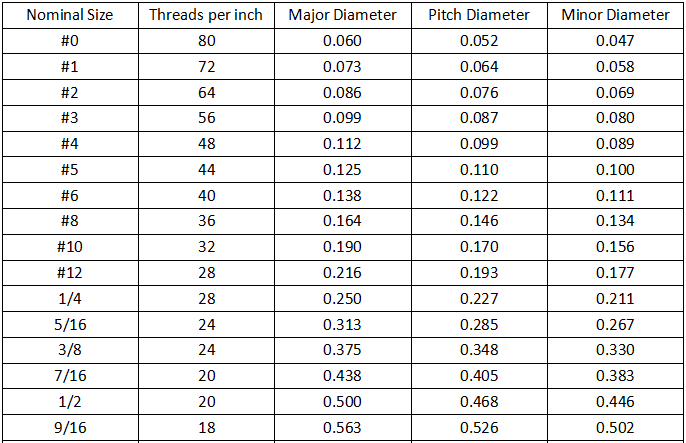
Vollständiger Leitfaden für Gewindegrößen: Alle Normen und Anwendungen verstehen
Gewindekomponenten haben genaue Spezifikationen für die Integrität und Leistung der Montage. Wir haben diese Tabelle für Gewindegrößen zusammengestellt, um Ihnen zu helfen
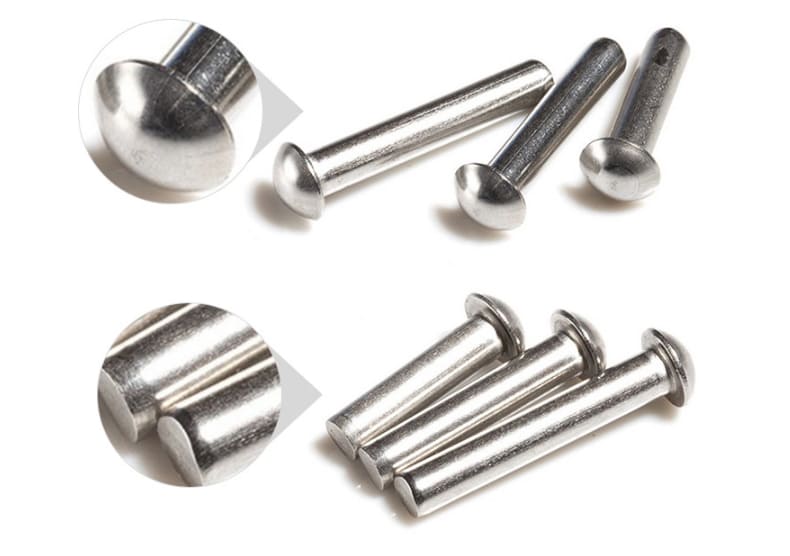
Arten von Nieten und ihre Anwendungen
Nieten sind dauerhafte mechanische Verbindungselemente, die zum Verbinden von Materialien verwendet werden. Zu den gängigen Typen gehören Vollnieten, Blindnieten, Rohrnieten, Spaltnieten, Schulternieten, Treibnieten, selbststanzende Nieten und
Beginnen Sie noch heute. Teile schnell herstellen lassen.
Free Machined Parts Design to Your Projects with Reduced Lead Times Times.