


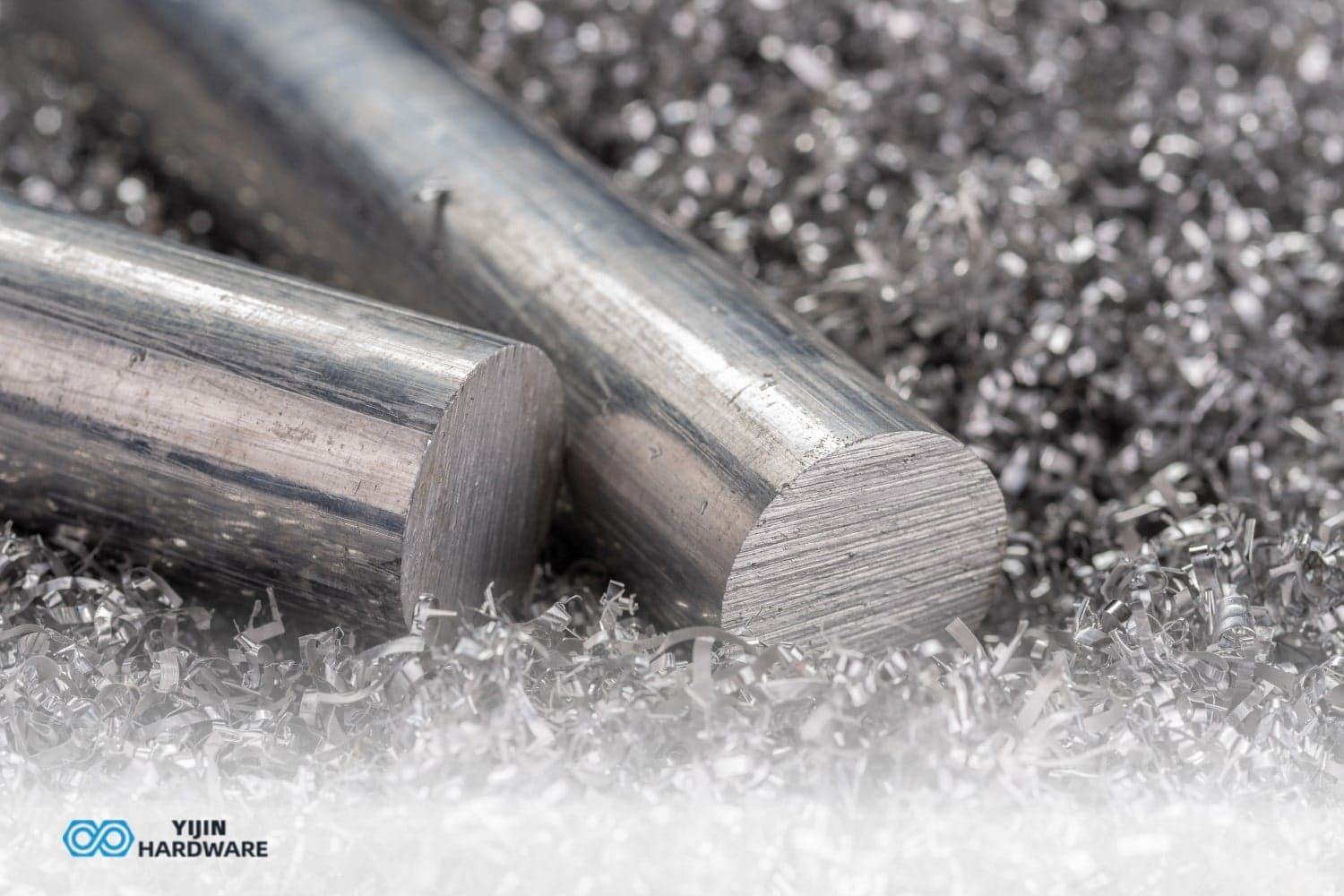
Aluminum is used for a variety of applications, such as in aircraft components, automotive parts, and packaging. Pure aluminum is a chemical element with the symbol Al and atomic number 13 on the periodic table. It’s the third most abundant element in the Earth’s crust after oxygen and silicon, and aluminum is the most abundant metal with high strength. Aluminum is primarily extracted from the aluminum mineral bauxite, which is mined from the Earth’s crust.
Yijin Hardware is highly skilled in CNC machining, and we know you may be considering working with this metallic material for your next project. Products made from aluminum tend to last long, but what are all the uses for aluminum? Let’s break it down!
Principales conclusiones
- Aluminum 13 is a versatile metal used in various industries due to its lightweight and durable properties.
- The transportation sector heavily relies on aluminum metals for fuel efficiency and performance in vehicles and aircraft.
- Aluminum plays an important role in construction, offering strength and resistance to corrosion for buildings and infrastructure.
- The packaging industry uses aluminum for its recyclability and ability to preserve food and beverages.
- Electrical applications benefit from aluminum’s excellent conductivity and cost-effectiveness compared to copper.
What is Aluminum Used for?

Aluminum is used for manufacturing processes, such as creating components in transportation (vehicles, aircraft), construction (building materials), packaging (beverage cans), electronics (computer parts), consumer goods (cookware), and industrial equipment (heat exchangers). Aluminum is also essential in the production of electrical transmission lines, energy infrastructure, and medical devices.
Aluminum is a versatile metal used extensively across numerous industries due to its unique properties such as its lightweight nature, corrosion resistance, and high conductivity. Moreover, there are tons of different common uses of aluminum and aluminum production because it’s one of the most abundant metals in the Earth’s crust.
The isolation of pure aluminum was an important achievement for chemists in the 19th century, with German chemist Friedrich Wöhler making essential contributions. Friedrich Wöhler and Charles Martin Hall were also important figures in the development of aluminum production methods.
Transportation
Metals like aluminum are highly prized in the transportation, aircraft, shipbuilding, and automotive industries due to their low weight and resistance to corrosion. Aluminum helps improve fuel efficiency and reduce pollutants by reducing the overall weight of a car. Its elevated performance and longevity in harsh settings are further improved by its high strength-to-weight ratio.
| Aplicación | Specific Uses | Benefits of Aluminum |
|---|---|---|
| Automoción | Car bodies, engine parts, wheels | Reduces weight, improves fuel efficiency |
| Aeroespacial | Aircraft fuselage, wings, components | High strength-to-weight ratio, corrosion resistance |
| Shipbuilding | Hulls, superstructures | Lightweight, corrosion-resistant in marine environments |
| Rail | Train bodies, interior fittings | Weight reduction, energy efficiency |
Construcción
Aluminum’s many applications in construction highlight its adaptability as a material for a wide range of structural components, HVAC systems, and building materials. Aluminum is perfect for both practical and decorative uses in construction due to its strength, durability, and reduced weight. Its thermal conductivity and resilience to corrosion make it an excellent material for eco-friendly and cost-effective construction projects.
| Aplicación | Specific Uses | Benefits of Aluminum |
|---|---|---|
| Building Materials | Windows, doors, siding, roofing | Durability, low maintenance, aesthetics |
| Componentes estructurales | Bridges, large buildings | Strength, lightweight, corrosion resistance |
| HVAC Systems | Ductwork, heat exchangers | Thermal conductivity, formability |
Embalaje
Aluminum is heavily relied on in the packaging industry for various beverage, food, and pharmaceutical containers. What’s more, aluminum’s barrier features keep contents fresh, and it’s recyclable, which makes aluminum an eco-friendly solution. This metal is safe and offers tamper-evident qualities in pharmaceutical packaging.
| Aplicación | Specific Uses | Benefits of Aluminum |
|---|---|---|
| Beverage Containers | Cans for soft drinks, beer | Lightweight, recyclable, preserves flavor |
| Food Containers | Trays, cans, foil wraps | Food preservation, barrier properties |
| Pharmaceutical | Blister packs, medicine tubes | Barrier properties, tamper-evident |
Electrónica
Aluminum is widely used in the electronics industry — for computer hardware, mobile devices, and antennas. Aluminum’s excellent thermal management and lightweight characteristics make it essential for efficient device operation. Its durability and conductivity also enhance both performance and aesthetics in high-demand applications.
| Aplicación | Specific Uses | Benefits of Aluminum |
|---|---|---|
| Computer Hardware | Hard drive platters, heat sinks | Thermal management, lightweight |
| Mobile Devices | Smartphone and tablet bodies | Durability, aesthetics, heat dissipation |
| Antennas | Satellite dishes, radio antennas | Conductivity, lightweight |
Eléctrico
Aluminum’s high conductivity and lower cost compared to copper make it a popular choice for power transmission. Additionally, its corrosion resistance and lightweight properties are beneficial for reliable and efficient electrical distribution.
| Aplicación | Specific Uses | Benefits of Aluminum |
|---|---|---|
| Transmission Lines | Power cables | High conductivity, lower cost than copper |
| Busbars | Electrical distribution | Conductivity, corrosion resistance |
Bienes de consumo
Aluminum can ensure even heat distribution in cookware, making every dish a success. In furniture, it withstands the elements while remaining stylish and easy to handle. For sporting goods, aluminum’s strength and vibration dampening help deliver peak performance and comfort.
| Aplicación | Specific Uses | Benefits of Aluminum |
|---|---|---|
| Batería de cocina | Pots, pans, bakeware | Even heat distribution, lightweight |
| Furniture | Indoor and outdoor furniture | Durability, corrosion resistance, lightweight |
| Sporting Goods | Bicycles, tennis rackets, baseball bats | Strength, lightweight, vibration dampening |
Industrial
With outstanding thermal conductivity, aluminum is a top choice for heat exchangers, ensuring efficient temperature control in radiators and HVAC systems. In chemical equipment, its resilience against corrosion stands strong, protecting tanks and piping in demanding environments. Across machinery, aluminum’s machinability and light weight make it invaluable for creating durable, agile components that keep industries moving smoothly.
| Aplicación | Specific Uses | Benefits of Aluminum |
|---|---|---|
| Heat Exchangers | Radiators, HVAC systems | Excellent thermal conductivity |
| Chemical Equipment | Tanks, piping | Corrosion resistance to many chemicals |
| Machinery | Various components | Machinability, lightweight |
Energía
Aluminum’s resilience and lightweight properties drive efficiency in solar, wind, and nuclear power applications. From durable solar panel frames to corrosion-resistant wind turbine blades, aluminum empowers renewable energy systems with unmatched strength and longevity.
| Aplicación | Specific Uses | Benefits of Aluminum |
|---|---|---|
| Solar Panels | Frames, internal components | Durability, lightweight, corrosion resistance |
| Wind Turbines | Blade components, nacelles | Strength-to-weight ratio, corrosion resistance |
| Nuclear Power | Fuel rod cladding | Neutron transparency, corrosion resistance |
Medicine
From artificial limbs and surgical instruments to durable hospital fixtures, aluminum delivers essential benefits that promote safety, functionality, and efficiency in healthcare settings.
| Aplicación | Specific Uses | Benefits of Aluminum |
|---|---|---|
| Prosthetics | Artificial limbs, joint replacements | Lightweight, biocompatibility |
| Equipos médicos | Surgical instruments, MRI machines | Non-magnetic, easily sterilized |
| Hospital Fixtures | Bed frames, equipment supports | Lightweight, corrosion resistance |
Aeroespacial y defensa
In satellites, aluminum’s thermal properties ensure optimal performance in the harshest environments, while military vehicles benefit from its ballistic protection and weight reduction. Additionally, its superior strength-to-weight ratio and cryogenic capabilities make it indispensable in missiles and rockets, supporting advancements in space exploration and national security.
| Aplicación | Specific Uses | Benefits of Aluminum |
|---|---|---|
| Satellites | Structural components, reflectors | Lightweight, thermal properties |
| Military Vehicles | Armor plating, vehicle bodies | Ballistic protection, weight reduction |
| Missiles & Rockets | Casings, fuel tanks | Strength-to-weight ratio, cryogenic properties |
Propiedades del aluminio
Aluminum possesses a unique combination of properties that make it highly versatile and valuable in various industries. Let’s explore these properties in more detail and present them in a table format:
| Propiedad | Descripción | Value (if applicable) |
|---|---|---|
| Densidad | Low density, about one-third that of steel | 2,7 g/cm³ |
| Punto de fusión | Relatively low melting point | 660.3 °C (1220.5 °F) |
| Tensile Strength (Pure Aluminum) | Moderate strength — can be improved with alloying | 90 to 140 MPa |
| Conductividad eléctrica | Excellent conductor of electricity | 37.7 × 10⁶ S/m |
| Conductividad térmica | Exceptional conductor of heat | 237 W/(m·K) |
| Resistencia a la corrosión | Forms protective aluminum oxide layer | – |
| Reflectivity | High reflectivity of radiant energy | 71% |
| Propiedades magnéticas | Non-magnetic | – |
| Toxicity | Non-toxic | – |
| Reciclabilidad | Can be recycled indefinitely | – |
Advantages of Using Aluminum

The aforementioned properties of aluminum significantly influence its applications in manufacturing processes. These characteristics enable diverse production methods and end-use applications, making aluminum a versatile material across numerous industries.
Now, let’s analyze these properties in greater detail and their specific applications in the manufacturing process.
Lightweight Nature
Aluminum’s low density (2.7 g/cm³) makes it ideal for applications where weight reduction is crucial. In manufacturing, this property allows for:
- Production of lighter vehicles, aircraft, and spacecraft, improving fuel efficiency
- Easier handling and transportation of manufactured parts
- Reduced stress on supporting structures in construction
Resistencia a la corrosión
When exposed to air, aluminum quickly forms a thin, transparent oxide layer that protects the metal from further oxidation. This property:
- Reduces the need for protective coatings in many applications
- Lowers maintenance costs for manufactured products
- Enables use in harsh environments without significant degradation
Electrical and Thermal Conductivity
Aluminum is an excellent conductor of both electricity and heat. In manufacturing, this allows for:
- Efficient production of electrical components and wiring
- Effective heat dissipation in electronics and automotive applications
- Creation of efficient heat exchangers and cooking utensils
Maleabilidad y ductilidad
Aluminum is very ductile and can be easily formed into various shapes without breaking. This property is crucial in manufacturing because it:
- Enables diverse forming processes like extrusion, rolling, and stamping
- Allows for the creation of complex shapes and thin-walled structures
- Facilitates the production of aluminum foil and wire
Non-Magnetic Properties
Being non-magnetic, aluminum is useful in:
- Manufacturing electronics where magnetic interference is undesirable
- Producing equipment for MRI machines and other sensitive instruments
Reciclabilidad
Aluminum can be recycled indefinitely without losing its properties. This is significant in manufacturing because it:
- Promotes sustainable production practices
- Reduces energy consumption in production (recycling aluminum uses only about 5% of the energy required for primary production)
- Lowers raw material costs when using recycled aluminum
Alloying Capability
While not mentioned in the original list, it’s important to note that aluminum can be alloyed with other elements to improve its properties. Various aluminum compounds are formed when aluminum reacts with other elements, such as zinc, manganese, and magnesium, showing its flexibility in chemical applications. This aluminum alloy allows manufacturers to:
- Tailor the material properties for specific applications
- Increase strength and hardness for structural applications
- Improve machinability for easier processing
Low Melting Point
Aluminum’s relatively low melting point (660.3 °C) is advantageous in manufacturing because it:
- Requires less energy for casting and molding processes
- Allows for easier welding and joining of aluminum parts
- Enables the use of aluminum in 3D printing (additive manufacturing) processes
High Reflectivity
Aluminum reflects about 71% of radiant energy across the entire spectrum. This property is utilized in manufacturing:
- Reflective coatings and insulation materials
- Lighting fixtures and optical components
- Solar thermal applications
Yijin Hardware: Servicios profesionales de mecanizado CNC
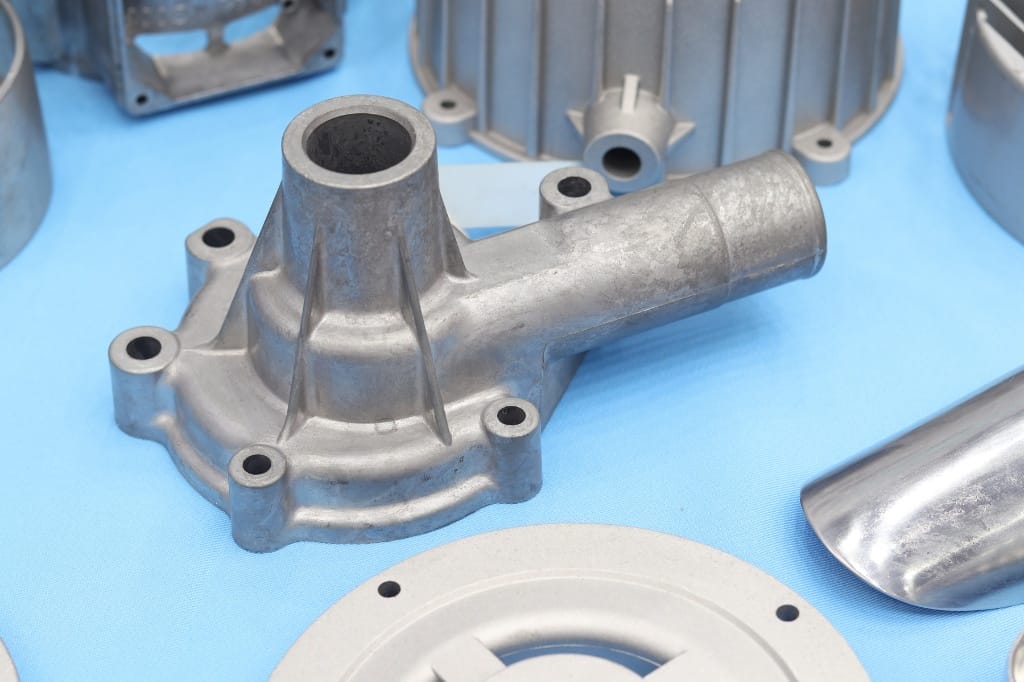
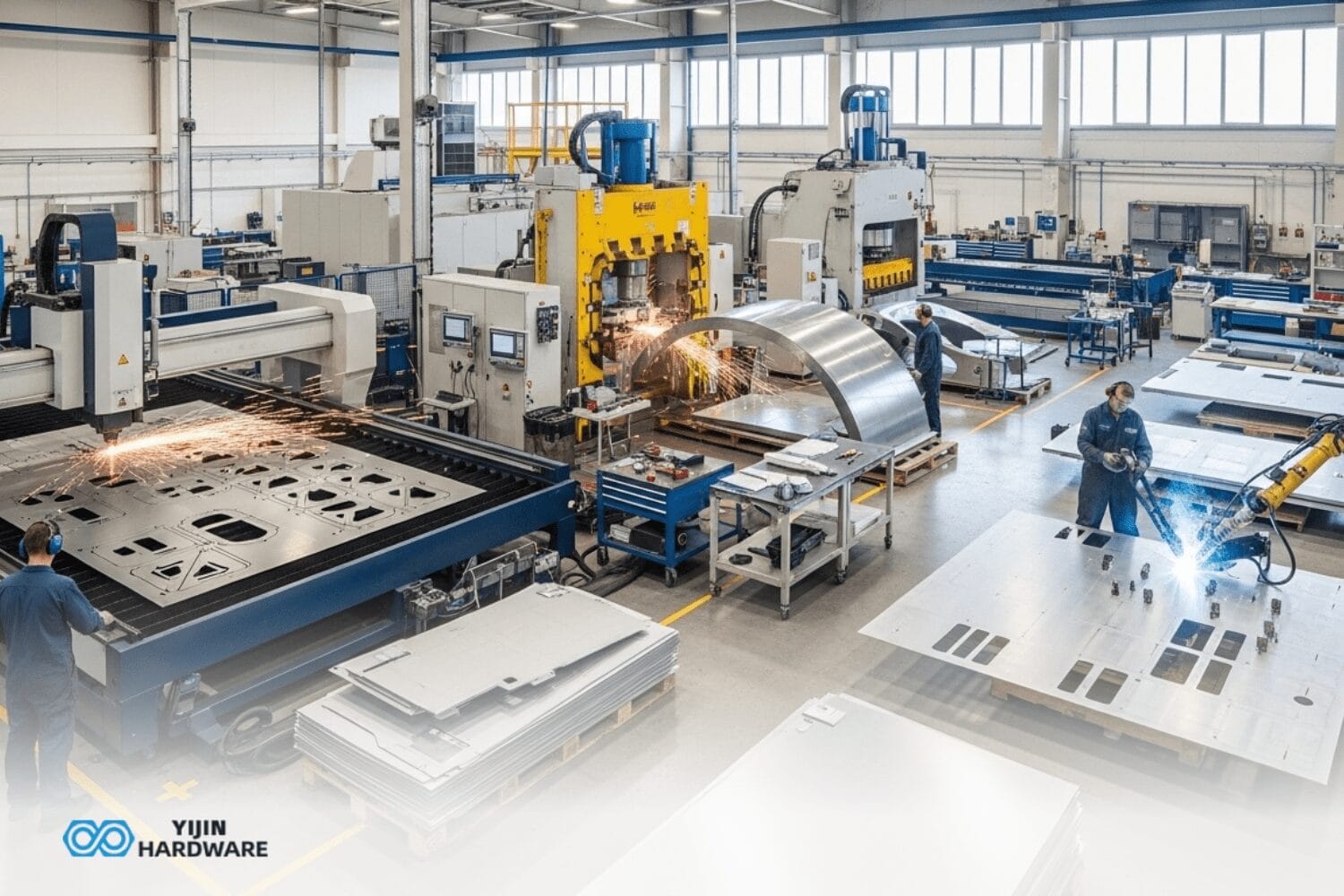
When it comes to aluminum applications, precision and quality are incredibly important. Yijin Hardware offers professional CNC machining services, providing expert solutions for aluminum component manufacturing. With advanced technology and a team of skilled professionals, Yijin Hardware ensures that your aluminum parts are crafted to the highest standards, meeting the diverse needs of industries ranging from aerospace to consumer electronics.
Whether you require complex geometries, tight tolerances, or large-scale production, Yijin Hardware’s commitment to quality makes us a great partner for all your aluminum machining needs. Acércate to bring your aluminum vision to life!
FAQs on What is Aluminum Used for? Aluminum Metal Uses
What is aluminum best used for?
Aluminum is best used for aircraft components, automotive parts, and packaging as these applications require a lightweight yet strong material. Its corrosion resistance and ability to be easily shaped make it ideal for these uses.
What is aluminum most commonly used for?
Aluminum is most commonly used for packaging, including cans and foil, as well as in construction for windows, doors, and structural components. It is also widely used in consumer products like electronics and appliances.
What is the best all purpose aluminum?
6061 aluminum is typically the best all purpose aluminum, known for its versatility and good mechanical properties. It is commonly used in a variety of applications, including structural components, automotive parts, and marine environments.
Volver arriba: ¿Para qué se utiliza el aluminio? Usos del Aluminio Metálico




 ES
ES  EN
EN  RU
RU  DE
DE  FR
FR