
Exciting News! Yijin Hardware is rebranding to Yijin Solution. Read more → Now live: Yijin Solution’s Online Quoting System. A faster way to upload files and manage quotes online. Read more →
Trusted By

Our Injection Molding Services

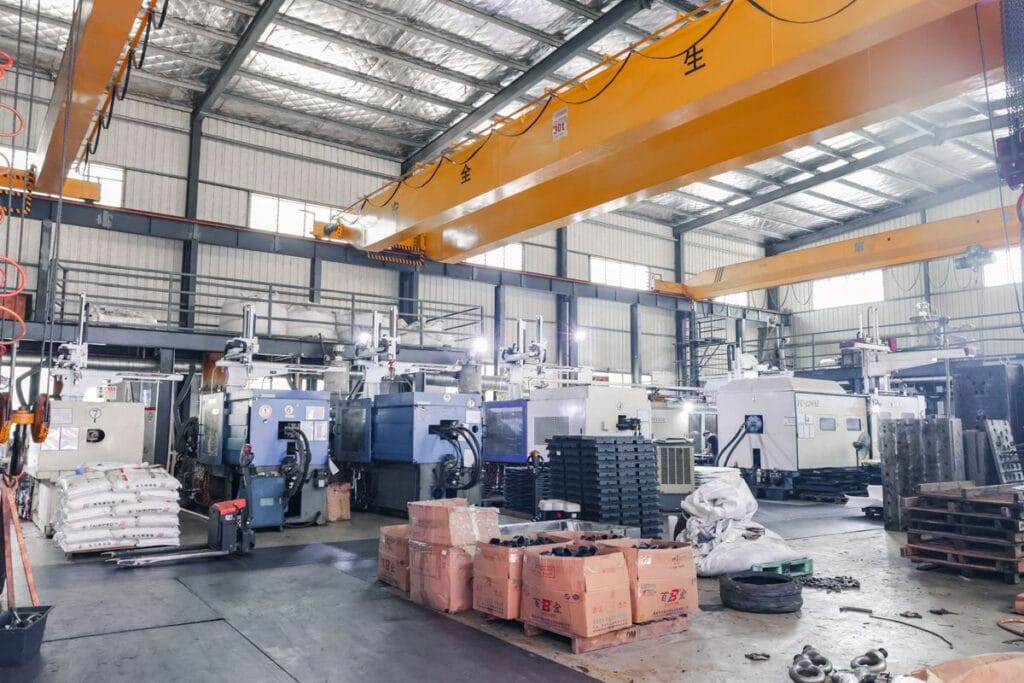
We run end-to-end injection molding under one roof. Mold design, tooling, molding, post-mold finishing, and assembly operate on coordinated lines with full traceability from resin lot to finished part.

Standard Production Molding

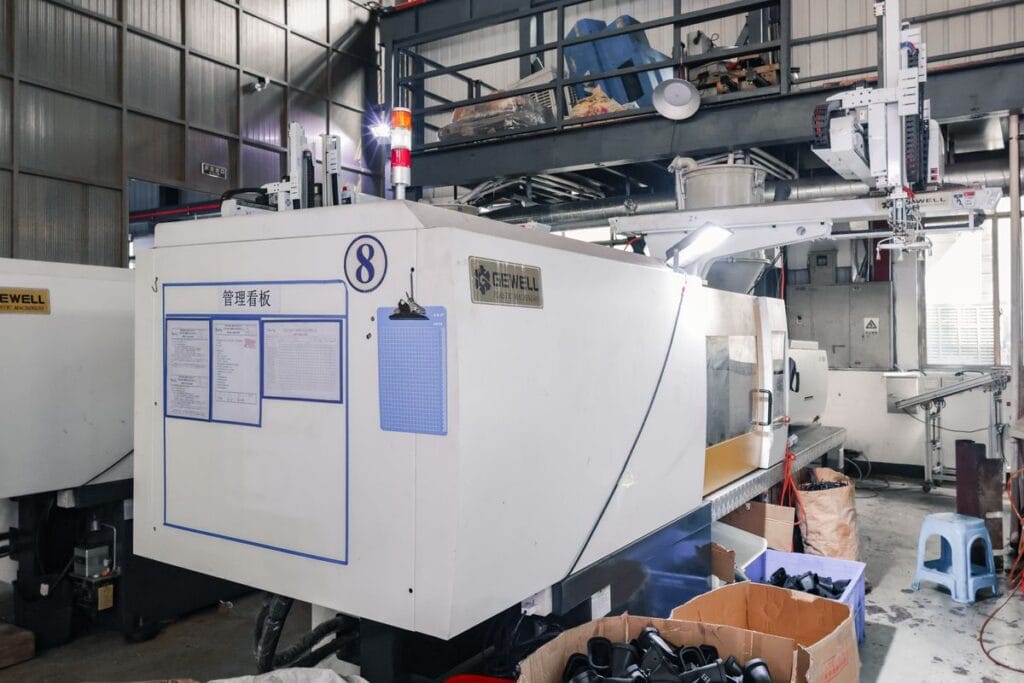
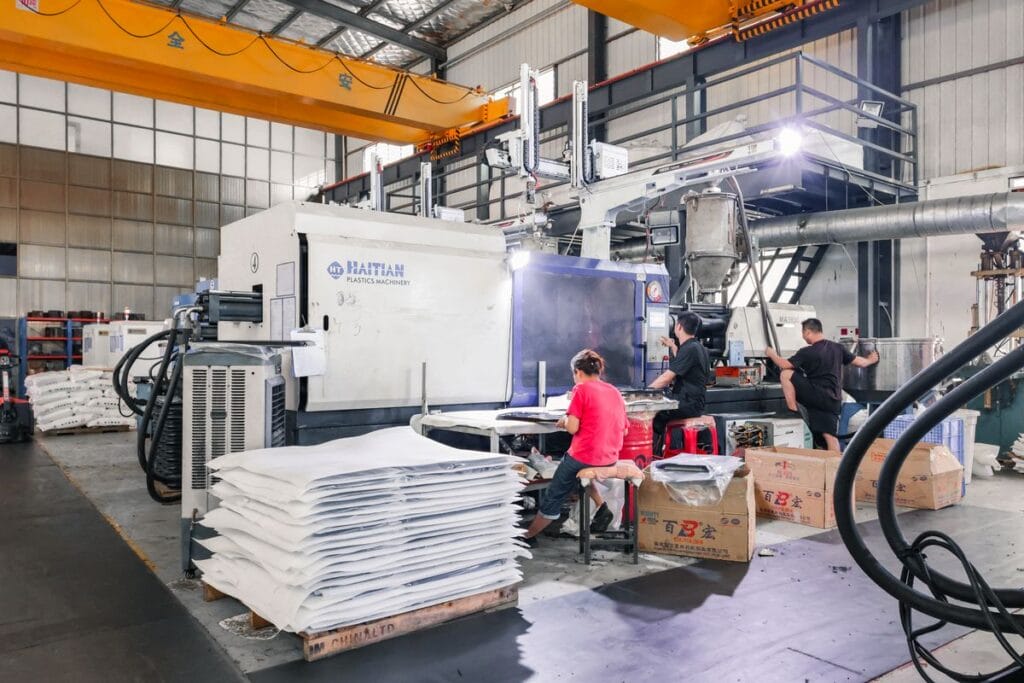
30 to 1,800 ton presses handle shot weights from 1 g to 8 kg. Scientific molding methodology holds process windows within 1% across the production run. Cycle times from 15 to 60 seconds. Ideal for programs of 5,000 units and above.

Prototype and Low-Volume Molding

Aluminum and soft-steel molds deliver first parts in 25 to 35 days. Designed for 500 to 10,000-unit validation runs where Class 101 tooling is not yet justified. Same presses as production, so process data transfers directly when you scale.

Surmoulage

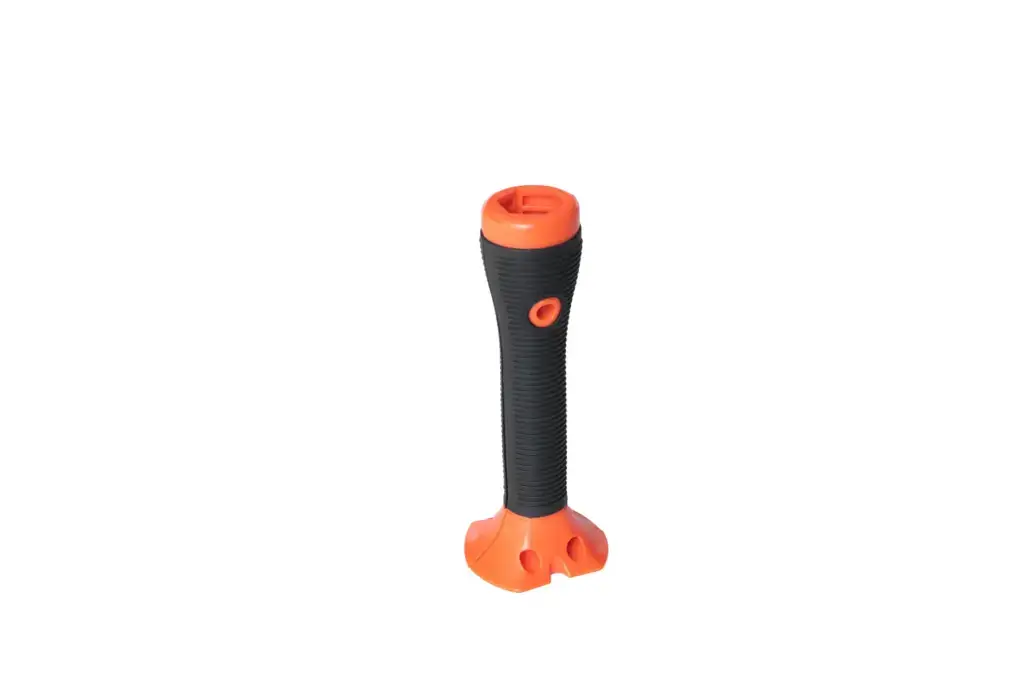
Two-stage molding that bonds a soft elastomer over a rigid substrate (TPE over ABS, LSR over PC, or TPU over PA). Used for soft-grip handles, sealed enclosures, and vibration-damping components. Adhesion verified by peel testing and lap shear.

Moulage par insertion

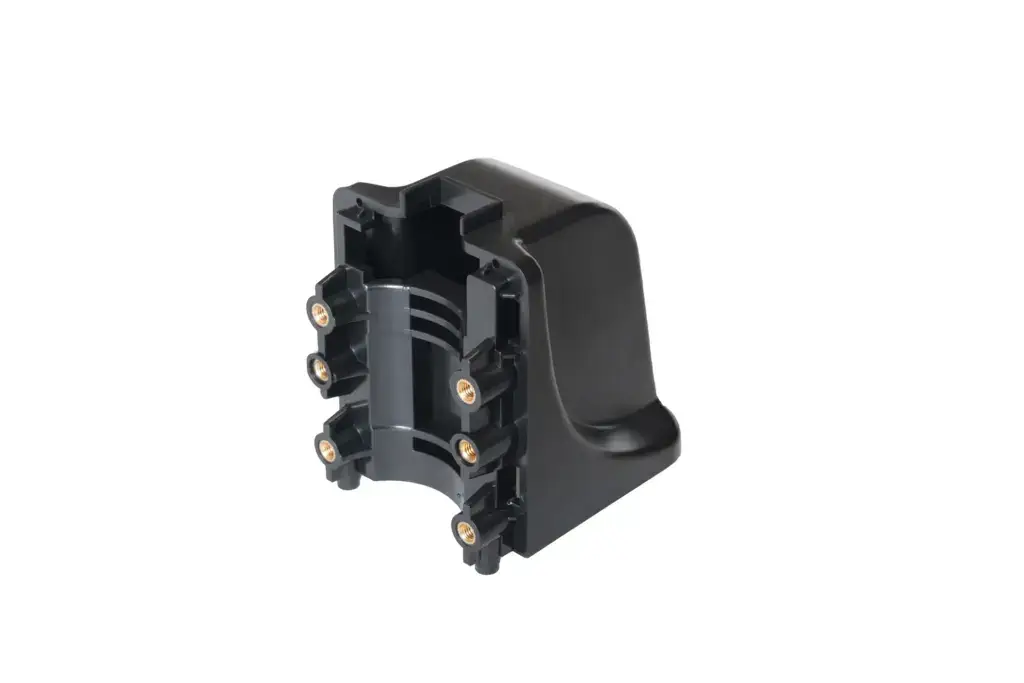
Metal threaded inserts, brass terminals, and prefabricated components placed in the mold before injection. Produces hybrid metal-plastic parts in one cycle with no secondary assembly. Pull-out strength and torque tested against drawing specifications.

Multi-Shot (2K and 3K) Molding

Sequential injection of two or three different resins in one machine cycle. Common applications include dual-color enclosures, soft-touch grips, and parts with rigid structure plus flexible sealing lips. Eliminates assembly and glue lines.
Mold Design and Tooling

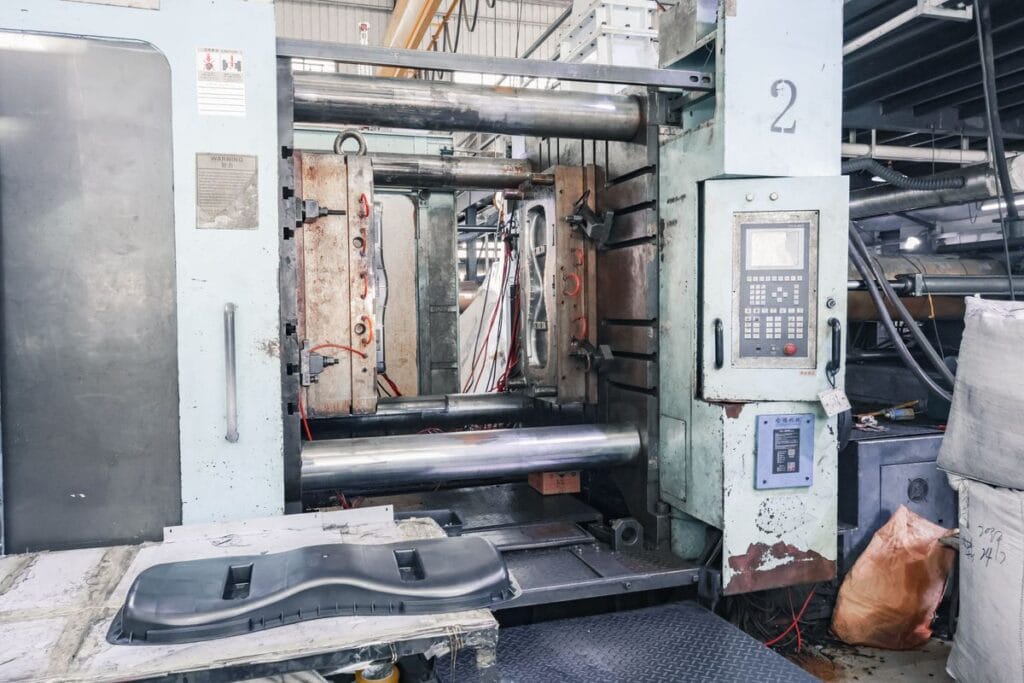
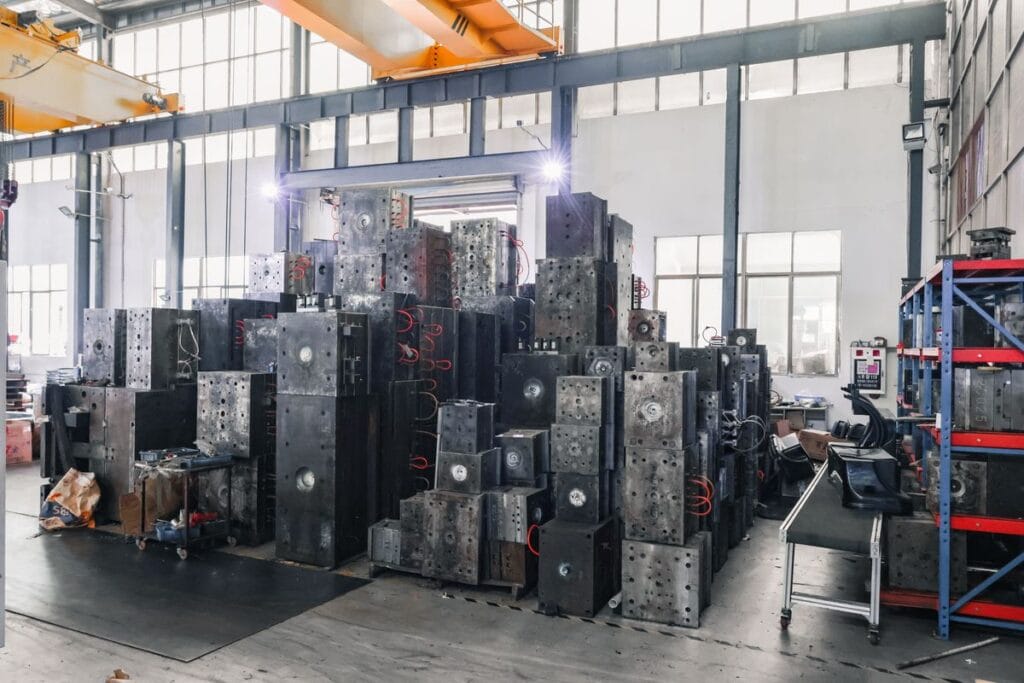
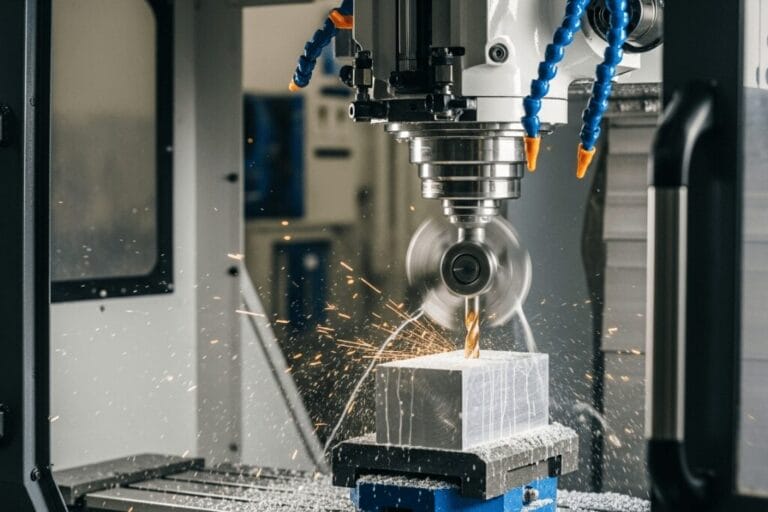
In-house mold shop designs and builds dies from H13, P20, and aluminum. Tool classes from SPI Class 105 prototype aluminum (500 cycles) up to Class 101 hardened steel (1,000,000+ cycles). Hot runner, cold runner, and three-plate configurations available.

From Idea to Production

Injection molding sits inside a larger product development cycle. We support the full path from early concept and DFM review through tooling design, T1 samples, pilot runs, and high-volume production. Our engineering team works with you on wall thickness, draft, gate placement, and resin selection before any steel is cut. Once the tool is signed off, production runs on the same presses that produced your T1 samples, so process parameters transfer directly from validation to volume.

Injection Molding Manufacturing Capabilities

These specifications apply across our press lines. Tighter tolerances, larger part envelopes, and specialty resins are available on request with engineering review.
FonctionnalitéDescription
Tolérance de précision±0,05 mm
Tolérance standard±0.10–±0.20 mm
Délai standardMold tooling + samples: 25–35 days; Mass production: 5–15 days
Maximum Part Size1000 × 1000 × 300 mm

Injection Molding Materials

We stock and mold 100+ resin grades across four material families. Every resin lot ships with manufacturer certification, and melt flow index is verified before each production run.

Commodity Thermoplastics

TypeCommon Notes
General-PurposeABS, Polypropylene (PP), Polyethylene (PE), Polystyrene (PS)
Rigid and TransparentPVC, SAN, Acrylic (PMMA)
Low-Cost PackagingLDPE, HDPE, PET-G
TypeCommon Notes
High-Impact and TransparentPolycarbonate (PC), PC-ABS blend
Wear-ResistantNylon (PA6, PA66), Acetal (POM)
Stabilité dimensionnellePBT, PET, PPO


TypeCommon Notes
Continuous High TemperaturePEEK, PEI (ULTEM)
Résistance chimiquePPS, PPSU, PSU
Flame-Retardant and AerospacePEI FR, PPS GF40, PEEK CF


TypeCommon Notes
Thermoplastic ElastomersTPE, TPU, TPV (Santoprene)
Liquid Silicone RubberLSR (medical, food, and industrial grades)
Bio-Based and SustainablePLA, Bio-PE, PHA


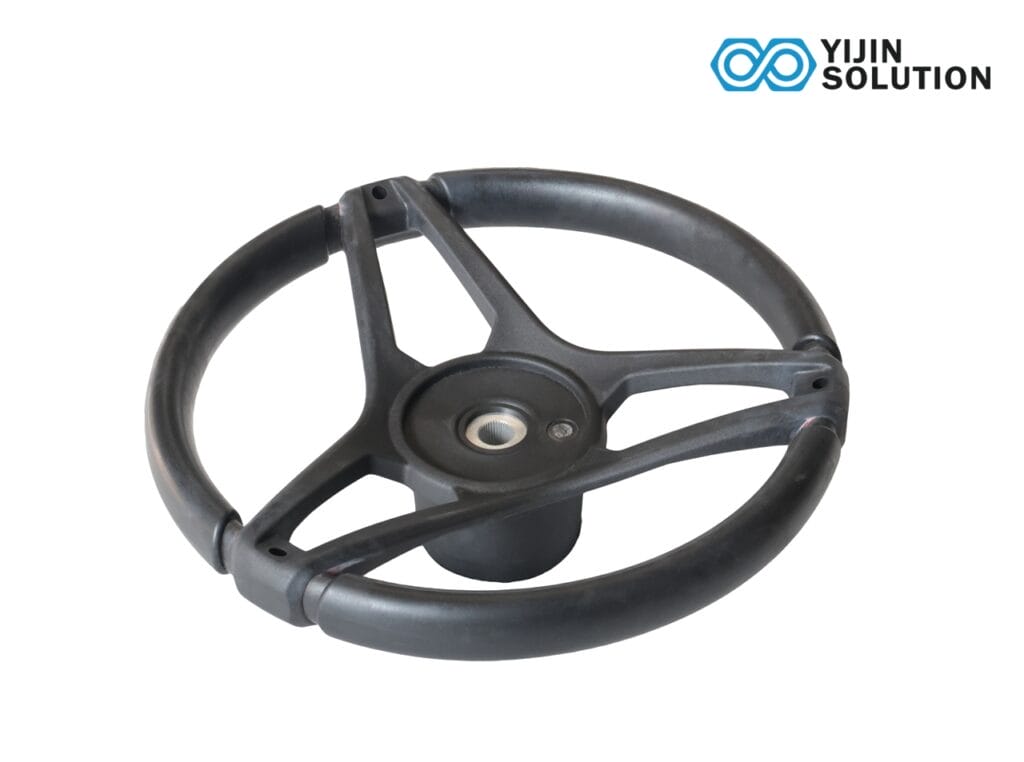
injection molded industrial wheel

Injection Molding Surface Finishes

Mold surface finish is locked in at tool build and cannot be changed without re-polishing or re-texturing the cavity. We finish molds to SPI standards from A-1 mirror gloss to D-3 coarse texture, plus secondary finishing such as pad printing and in-mold labeling.

Finition de la surface

SPECIFICATION

spi a1 mirror gloss

SPI-A1 Mirror Gloss

Diamond-buffed to Ra 0.012 to 0.025 μm. Produced with grit levels from 6,000 to 15,000. Used for optical-grade parts, lightguides, and cosmetic consumer products where any surface imperfection shows. Requires hardened steel cavities (H13 or S136) to hold the finish over tool life.

spi a3 high gloss

SPI-A3 High Gloss

Diamond-buffed to Ra 0.05 to 0.10 μm at grit 1,200. Typical finish for consumer electronics housings, automotive interior trim, and appliance bezels. Faster to polish and more forgiving than A-1 while still delivering a reflective surface.

spi b2 semi gloss

SPI-B2 Semi-Gloss

Paper-polished to Ra 0.28 to 0.40 μm. Common finish for automotive interior components, toolboxes, and industrial enclosures. Hides minor sink marks and flow lines that would be visible on a mirror finish.
spi c2 matte

SPI-C2 Matte

Stone-polished to Ra 0.45 to 0.55 μm. Standard matte finish for functional parts, fixtures, and non-cosmetic housings. Reduces fingerprint visibility and masks parting line flash on exterior A-surfaces.

spi d2 textured

SPI-D2 Textured

Bead-blasted to Ra 0.90 to 1.20 μm, or chemically etched in a proprietary texture pattern. Used for non-slip handles, battery covers, and industrial housings. VDI and Mold-Tech textures available for specific grain patterns.

in mold decoration

In-Mold Decoration and Secondary Printing

Pad printing, silk screen, laser etching, and in-mold labeling (IML) for logos, model numbers, and regulatory marks. IML film placed in the mold before injection produces decorated parts in one cycle with no post-mold printing step.

Étude de cas

Yijin Solution’s precision machining capabilities solved our bottleneck of the past six months. The tolerance stability of ±0.001 mm and a delivery cycle of 2.4 weeks increased our etching equipment capacity by 30%, and the consistency of the DLC coating directly extended the electrode’s lifespan.

vextron
VEXTRON SEMICONDUCTOR

⚑ Challenge

Vextron needed 7075-T6 aluminum Precision Electrode Holders with ±0.001 mm tolerance and a uniform DLC coating for plasma etching equipment. Previous suppliers capped out at ±0.003 mm, with 8% defect rates, inconsistent coating thickness, and 12-week lead times stalling the assembly line.

✓ Solution

Yijin deployed a four-stage protocol pairing DMG MORI five-axis machining with PCD micro-cutting, a custom vacuum-and-pin fixture, and a roughing, aging, finishing stress-relief cycle. A proprietary DLC coating process held film deviation within ±0.2 μm while Zeiss CMM inspection verified every batch.

Orders Up 50%

Yijin’s ±0.003 mm precision control and low-temperature stress relief technology completely resolved our challenges. Nearly 800 delivered parts have a 100% inspection pass rate and show zero deformation in the simulated space environment of -180 °C to +150 °C.

aleniaspace
THALES ALENIA SPACE

⚑ Challenge

Thales Alenia Space needed aerospace sheet metal parts held to ±0.005 mm to survive vacuum, extreme temperatures, and radiation. Previous suppliers stalled at ±0.01 mm with yields below 85%, driving rework, deformation failures, and 30% schedule overruns.

✓ Solution

Yijin deployed five-axis machining, viscous soft mold forming for titanium, and liquid nitrogen stress relief, backed by AS9100D quality control and AI-optimized parameters. The system stabilized ±0.003 mm tolerances across titanium and 7075 aluminum components.

Yield Rate 99.5%

Working with Yijin Solution on the CNC machining of these robot parts exceeded our expectations. They achieved tight dimensional tolerances and delivered 20% faster than we anticipated, significantly improving the assembly compatibility of our robot products.

figure
Head of Purchasing and Production, Figure AI, Inc.

⚑ Challenge

Figure AI needed micron-level precision and batch consistency for core robot joint components. Previous suppliers couldn’t hold tolerances, leaving scrap rates above 20% and delaying production.

✓ Solution

Yijin Solution deployed five-axis CNC machining on 7075-T651 aluminum with SPC-monitored quality control, holding ±0.005 mm tolerances across mass production in a Class 10,000 cleanroom.

Scaled by 300%

Yijin Solution’s precision machining capabilities solved our bottleneck of the past six months. The tolerance stability of ±0.001 mm and a delivery cycle of 2.4 weeks increased our etching equipment capacity by 30%, and the consistency of the DLC coating directly extended the electrode’s lifespan.

vextron
VEXTRON SEMICONDUCTOR

⚑ Challenge

Vextron needed 7075-T6 aluminum Precision Electrode Holders with ±0.001 mm tolerance and a uniform DLC coating for plasma etching equipment. Previous suppliers capped out at ±0.003 mm, with 8% defect rates, inconsistent coating thickness, and 12-week lead times stalling the assembly line.

✓ Solution

Yijin deployed a four-stage protocol pairing DMG MORI five-axis machining with PCD micro-cutting, a custom vacuum-and-pin fixture, and a roughing, aging, finishing stress-relief cycle. A proprietary DLC coating process held film deviation within ±0.2 μm while Zeiss CMM inspection verified every batch.

Orders Up 50%

Yijin’s ±0.003 mm precision control and low-temperature stress relief technology completely resolved our challenges. Nearly 800 delivered parts have a 100% inspection pass rate and show zero deformation in the simulated space environment of -180 °C to +150 °C.

aleniaspace
THALES ALENIA SPACE

⚑ Challenge

Thales Alenia Space needed aerospace sheet metal parts held to ±0.005 mm to survive vacuum, extreme temperatures, and radiation. Previous suppliers stalled at ±0.01 mm with yields below 85%, driving rework, deformation failures, and 30% schedule overruns.

✓ Solution

Yijin deployed five-axis machining, viscous soft mold forming for titanium, and liquid nitrogen stress relief, backed by AS9100D quality control and AI-optimized parameters. The system stabilized ±0.003 mm tolerances across titanium and 7075 aluminum components.

Yield Rate 99.5%

Working with Yijin Solution on the CNC machining of these robot parts exceeded our expectations. They achieved tight dimensional tolerances and delivered 20% faster than we anticipated, significantly improving the assembly compatibility of our robot products.

figure
Head of Purchasing and Production, Figure AI, Inc.

⚑ Challenge

Figure AI needed micron-level precision and batch consistency for core robot joint components. Previous suppliers couldn’t hold tolerances, leaving scrap rates above 20% and delaying production.

✓ Solution

Yijin Solution deployed five-axis CNC machining on 7075-T651 aluminum with SPC-monitored quality control, holding ±0.005 mm tolerances across mass production in a Class 10,000 cleanroom.

Scaled by 300%

Start Your First Injection Molding Project

We make it simple to go from CAD file to molded parts. Follow these four steps to start your injection molding project.

Get a quote icon

Obtenir un devis

Upload your STEP, STL, or IGES file plus target volume, resin preference, and any finish requirements. Receive a tooling and unit-price quote within 24 hours.

Production icon

Production

Our mold shop designs the tool, runs mold-flow simulation, and cuts steel. T1 samples are inspected before the mold releases for production.

Quality control icon

Contrôle de la qualité

Every batch is checked against your drawing through CMM inspection, optical measurement, and functional testing where specified. Scientific molding data is archived per cycle for traceability.

Delivery icon

Livraison

Parts ship with dimensional inspection reports, material certificates, and where applicable, mold-flow and process documentation. Express air freight is available for T1 samples and time-sensitive launch quantities.
Certificat

Yijin Solution’s Injection Molding Capabilities

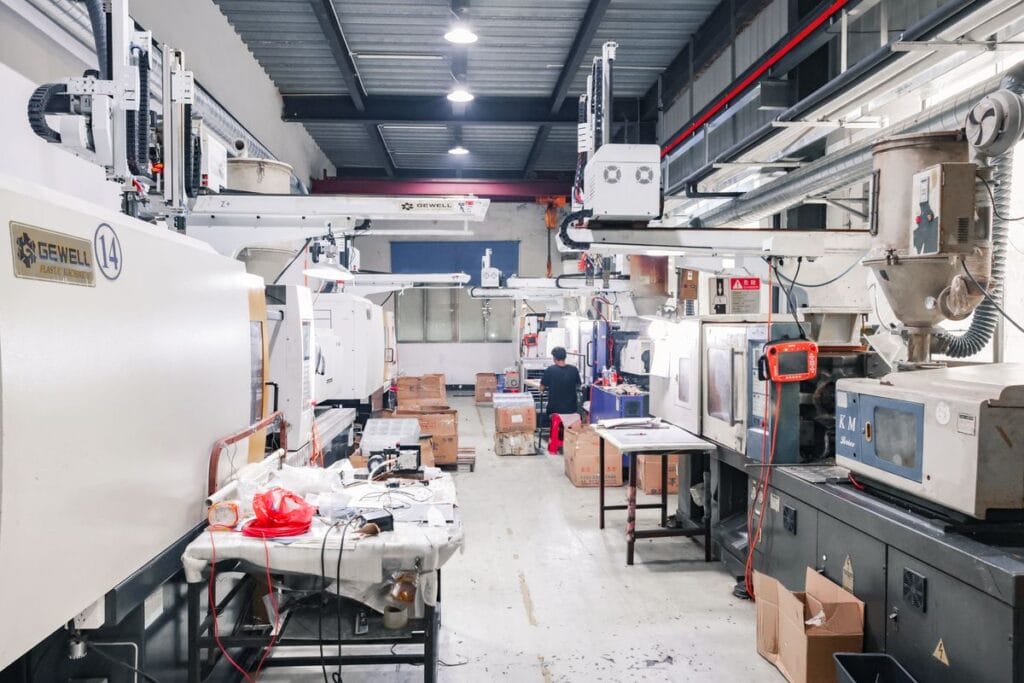
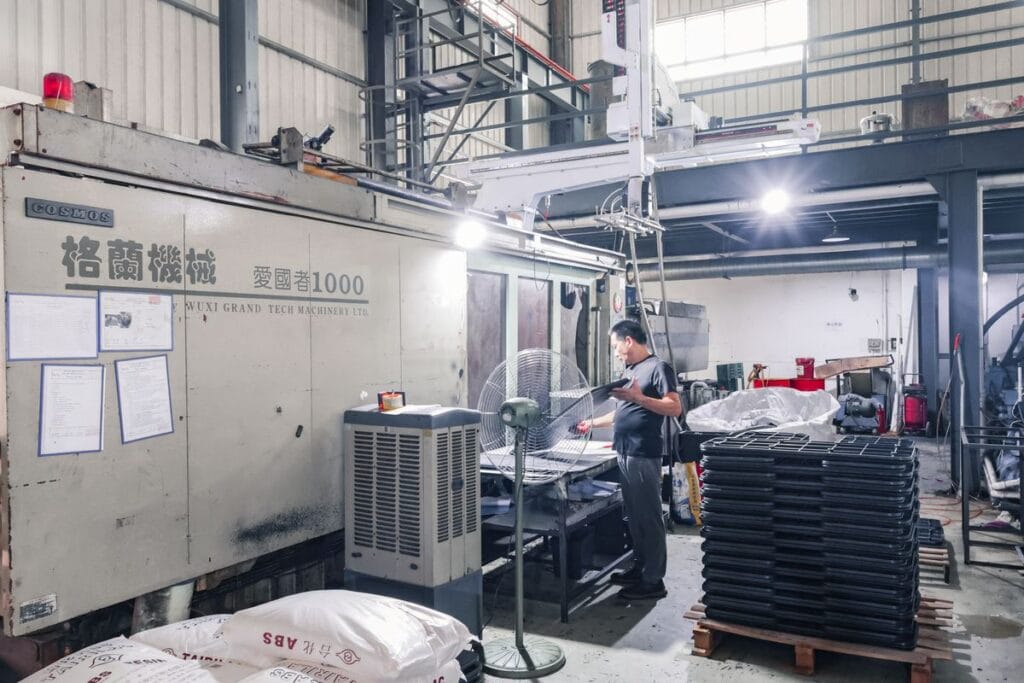
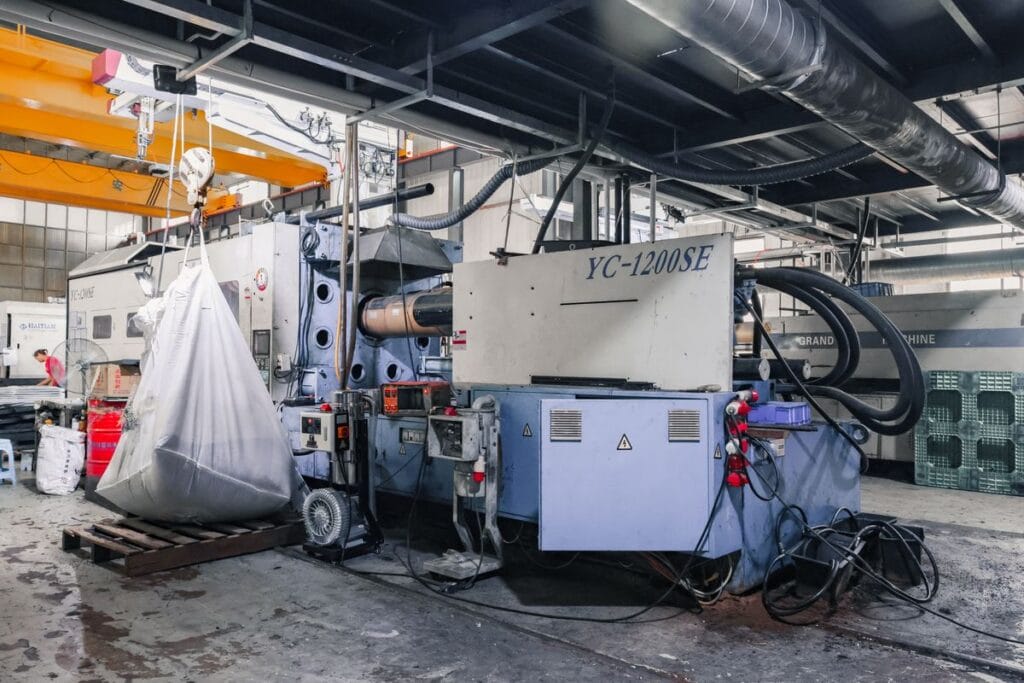
Yijin Solution operates a 25,000+ m² manufacturing facility in Shenzhen, China. The injection molding cell houses presses from 30 to 1,800 tons, an in-house mold shop with CNC milling and EDM, automated robotic part handling, and 281 inspection instruments including CMM and melt flow index testers. Parts move from resin lot to molded component to finished, inspected shipment without leaving the facility.

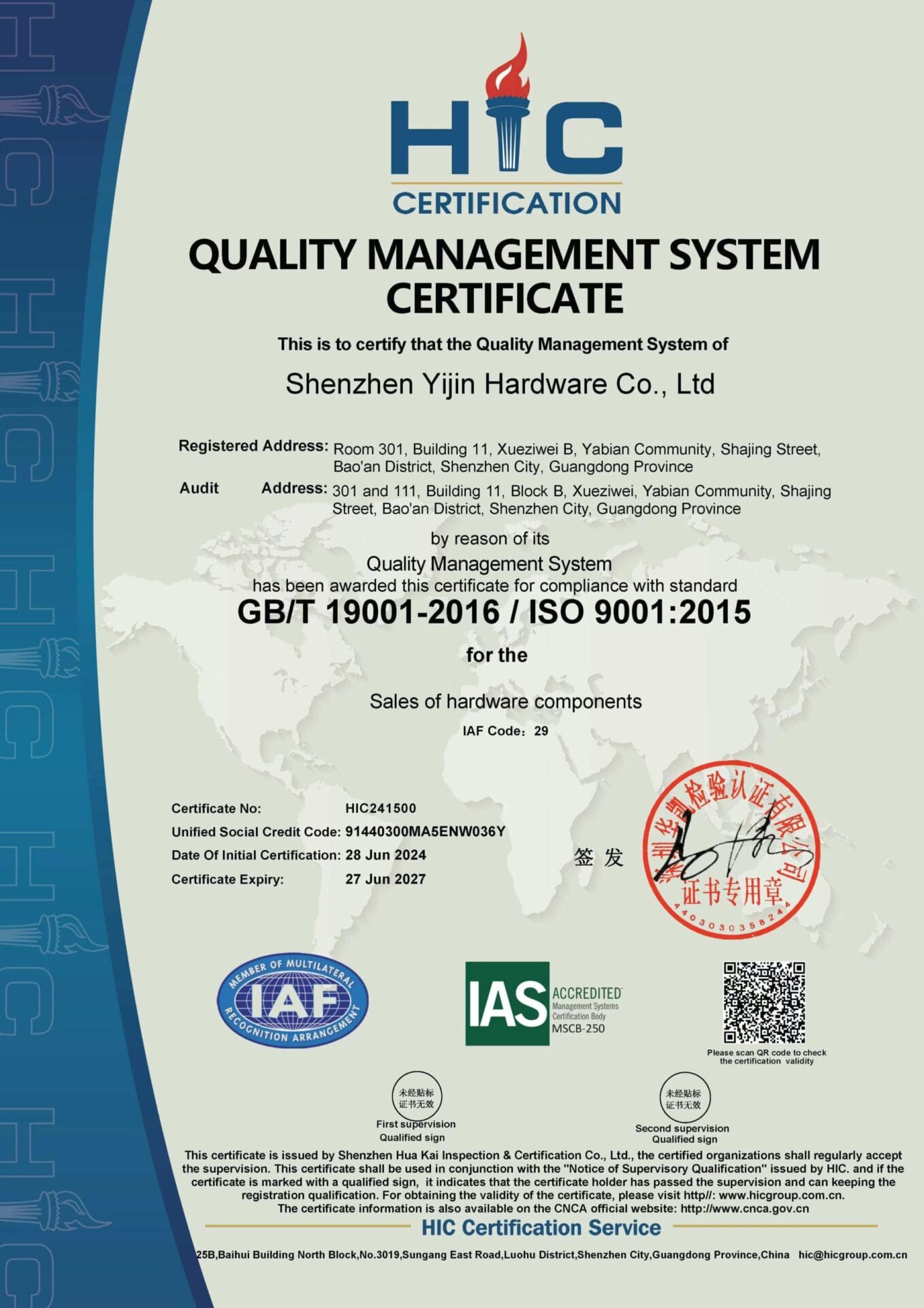
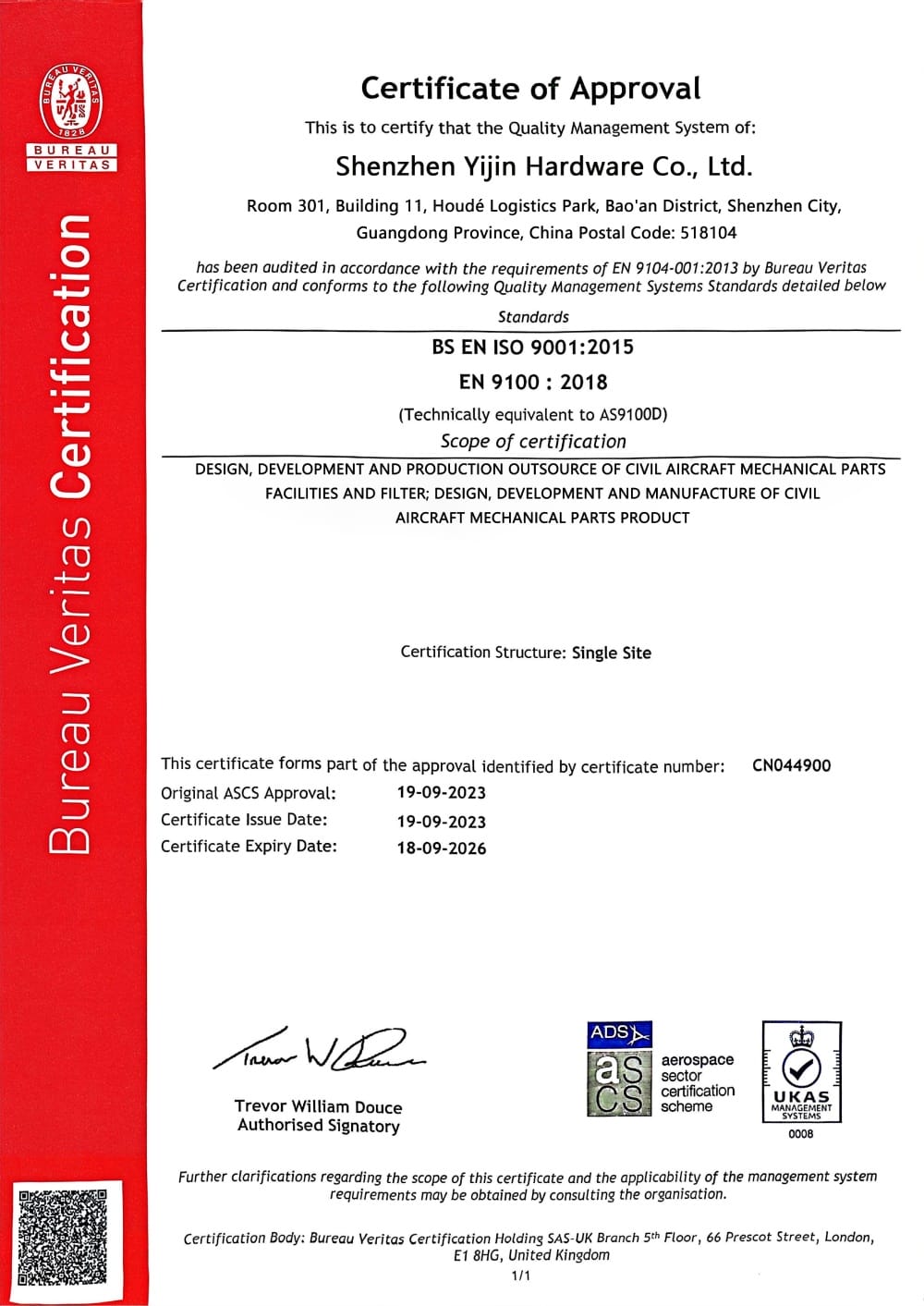
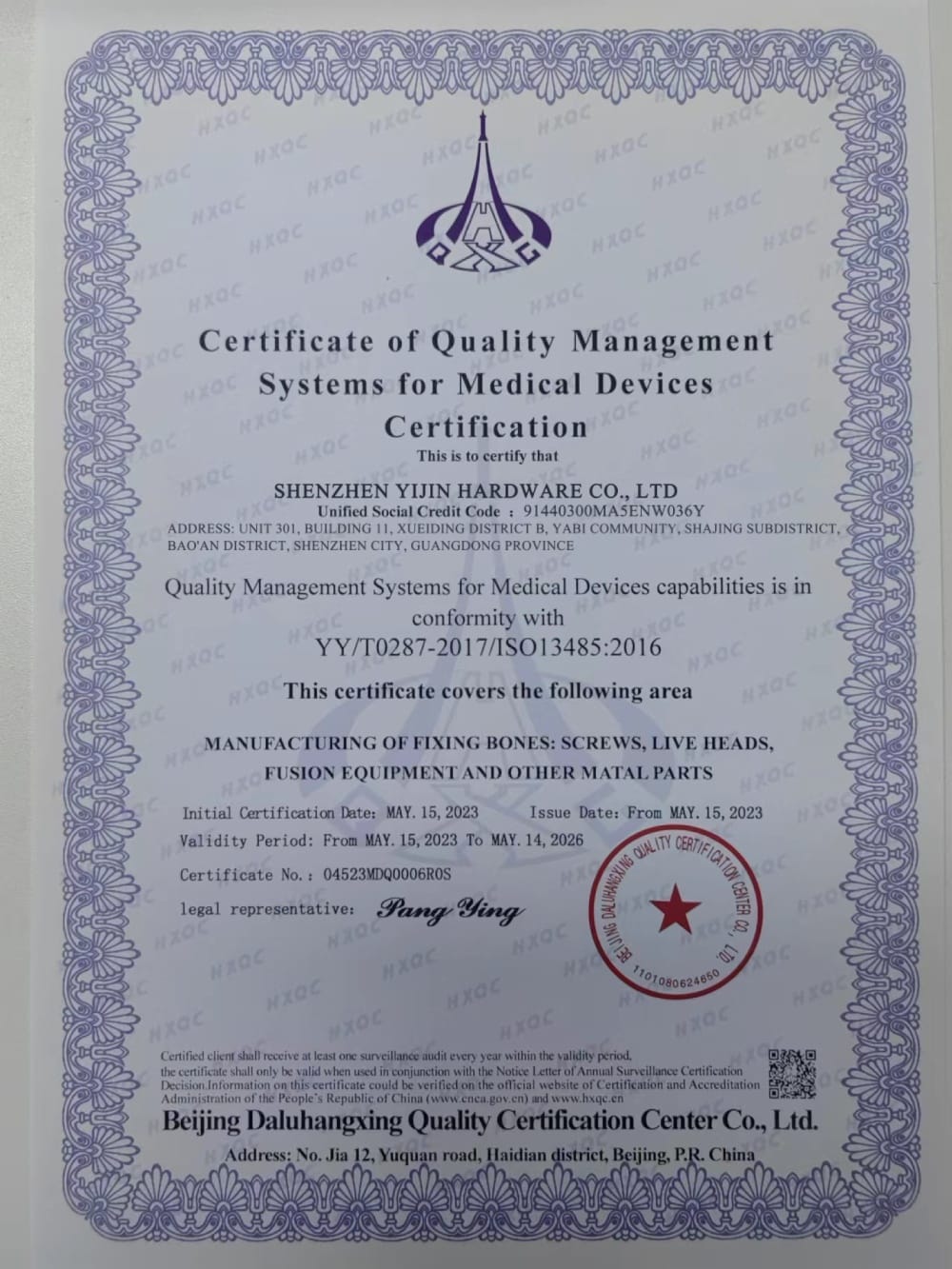
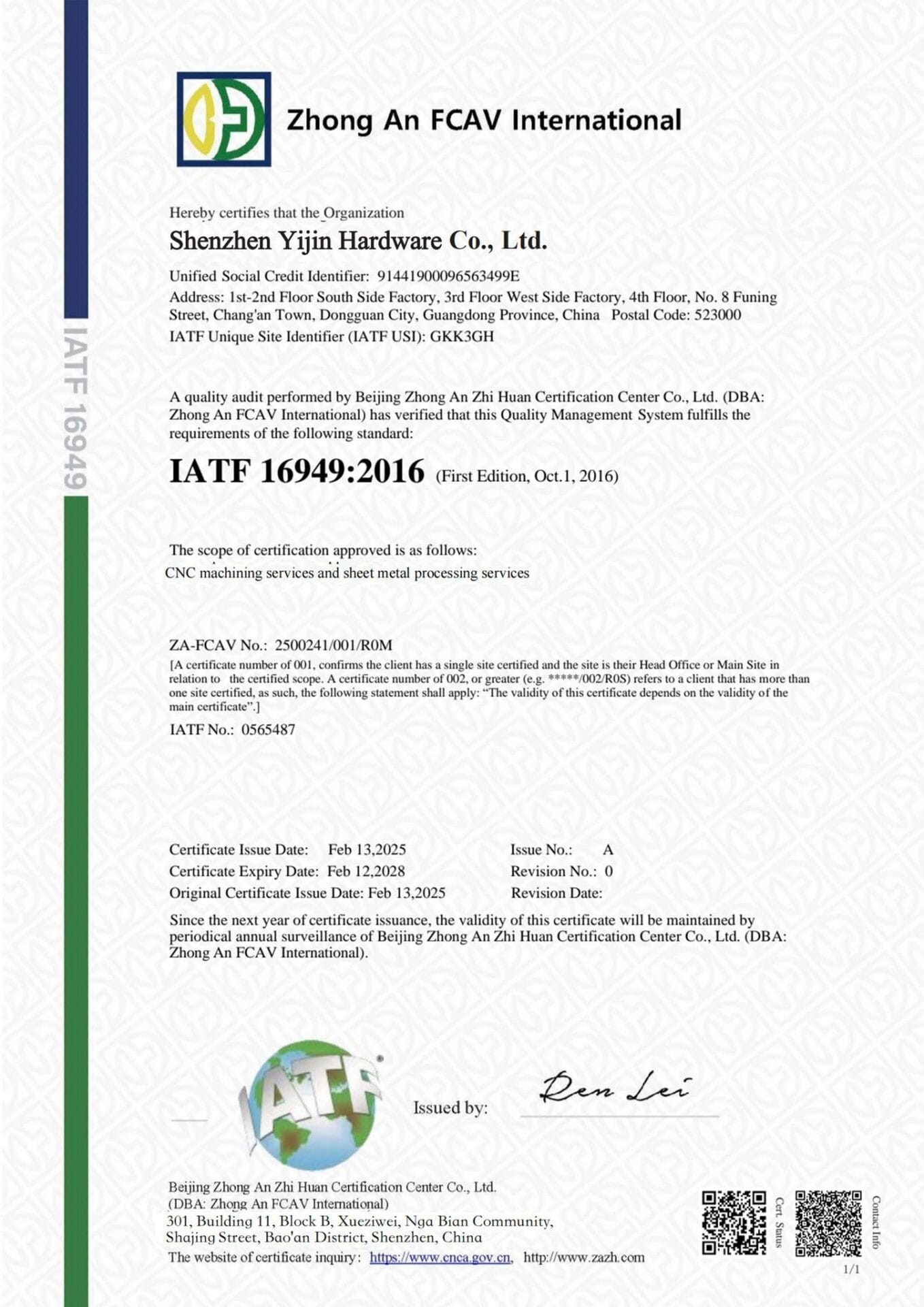
We serve clients across North America, Europe, and Asia-Pacific. Every order ships with full dimensional inspection reports, material certifications, and where applicable, mold-flow data, melt flow index results, and assembly photos. For medical and automotive programs, production runs under ISO 13485 and IATF 16949 quality management systems.

Injection Molded Part Gallery

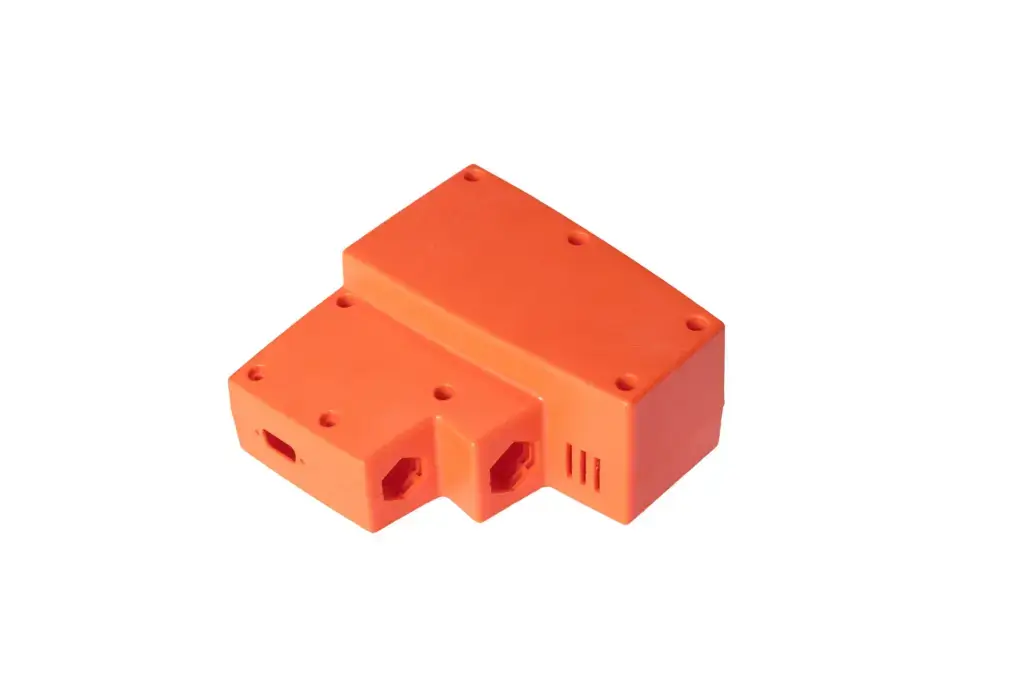
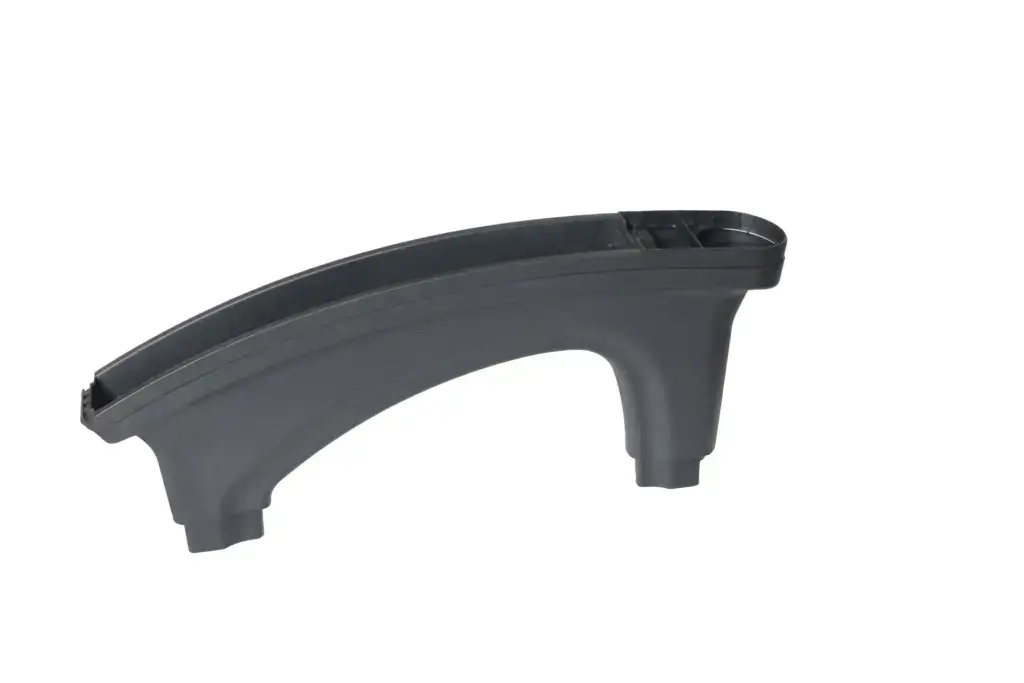
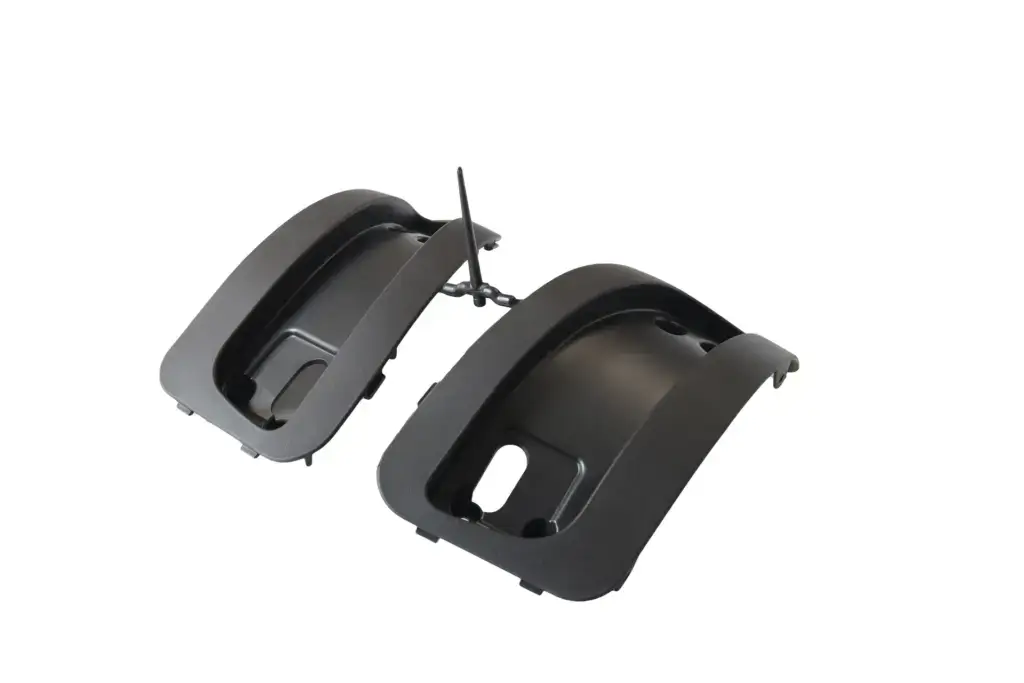
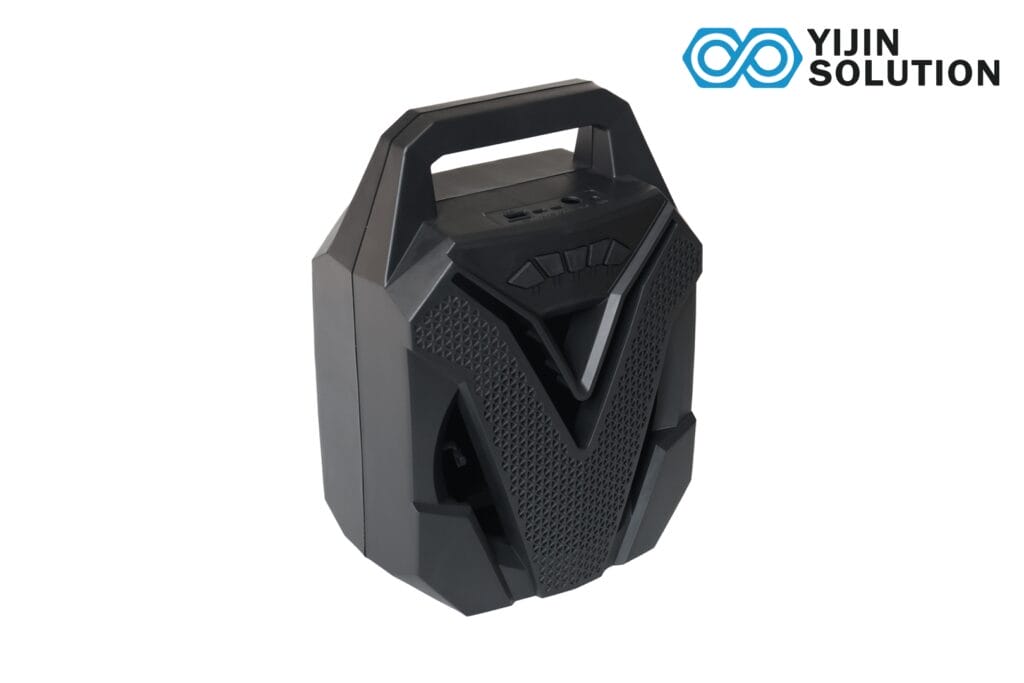
Our Shenzhen facility has produced injection molded parts for clients across automotive, medical, consumer electronics, and packaging sectors. Each project shown was taken from DFM review through tooling, T1 sampling, production, and shipment under our quality management system.

Industries que nous servons

Industrie des nouvelles énergies

EV battery housings, connector covers, and charging module enclosures in flame-retardant polycarbonate and PBT. UL 94 V-0 resins available for battery-adjacent applications.

Médecine et soins de santé

Device housings, drug delivery components, single-use disposables, and surgical instrument bodies in medical-grade PC, PEEK, and LSR. Produced under ISO 13485 with traceable resin lots.

Industrie aérospatiale

Interior trim, cabin component housings, and non-structural brackets in flame-retardant PEI (ULTEM) and PEEK. Compliant with FAR 25.853 for cabin smoke and toxicity requirements.

Industrie automobile

Dashboard components, connector housings, under-hood parts, and exterior trim produced under IATF 16949 with PPAP Level 3 documentation. PC-ABS, Nylon 66 GF30, and TPE commonly specified.

Électronique grand public

Device housings, connector shells, button assemblies, and optical lightguides in ABS, PC, and SAN. Two-shot molding available for soft-touch grips and translucent window integration.

Packaging and Containers

PET preforms, HDPE closures, rigid containers, and dispensing systems produced on high-cavity molds. Hot-runner tooling for cycle time optimization on high-volume SKU programs.

Équipement industriel

Pump housings, gearbox covers, cable entry glands, and machinery enclosures in glass-filled nylon, POM, and impact-modified PP. Built for abrasion, chemical exposure, and long service life.

Consumer Goods and Appliances

Appliance bezels, housing components, handle grips, and structural panels for washing machines, small kitchen appliances, and power tools. ABS, PP, and TPE overmolded grips standard.

Télécommunications

5G housing enclosures, fiber optic splice trays, connector bodies, and cable management components in flame-retardant PC and glass-filled PBT. UL 94 V-0 compliance documented on delivery.

Why Choose Yijin Solution for Injection Molding

We control every step of the injection molding process, from tooling design through molding, post-mold finishing, and assembly. That vertical integration means shorter tooling cycles, consistent part quality, and direct factory pricing without middleman margins.

precision and quality
Précision et qualité

CMM, optical comparators, and functional testers verify every critical batch. Parts hold ±0.1 mm as standard with tighter classes available through scientific molding. First Article Inspection and PPAP Level 3 documentation are standard on all production orders.

fast turnaround
Délai d'exécution rapide

Tooling in 15 to 45 days depending on SPI class, T1 samples within 3 to 7 days of tool completion, and production shipments in 2 to 4 weeks. Mold shop, molding, and finishing all operate under one roof without supplier handoffs.

order any size
Order Any Size

Prototype runs of 500 parts on aluminum tooling and production programs of 1,000,000+ units on Class 101 steel molds go through the same presses and the same inspection standards. Volume does not change quality gates.

prototyping to production
Prototyping to Production

Your T1 samples and production parts come off the same press with the same process data. Scientific molding parameters transfer directly from pilot to volume, which eliminates re-qualification when you scale.

wide range materials
Resin Breadth

100+ resin grades in stock: commodity ABS, PP, and PE; engineering PC, PA, and POM; high-performance PEEK, PEI, and PPS; and elastomers TPE, TPU, and LSR. Every lot ships with material certificates and batch traceability.

cost effective
Cost-Effective Tooling

Direct factory tooling without broker margins. Our mold shop runs mold-flow simulation and DFM reviews before any steel is cut, which catches cavity-balance and gate-location issues that would otherwise drive tooling rework cost.
FAQs About Injection Molding

Common questions about injection molding processes, resin selection, and our production system.

Resin selection depends on mechanical load, operating temperature, chemical exposure, regulatory requirements, and cost.

Commodity thermoplastics (ABS, PP, PE) are the default for cost-sensitive consumer parts. ABS balances stiffness and impact resistance for enclosures. PP is specified where chemical resistance, living hinges, or packaging food contact matters.

Engineering thermoplastics (PC, PA, POM) solve load, wear, and temperature problems that commodity resins cannot. Polycarbonate holds impact strength at 125 °C. Nylon and POM are the workhorses for gears, bushings, and mechanical components.

High-performance resins (PEEK, PEI, PPS) are specified for continuous service above 150 °C or aggressive chemical environments. PEI (ULTEM) is the standard for FAA-compliant aircraft interior components.

Elastomers (TPE, TPU, LSR) are chosen when the application needs flexibility, sealing, or soft-touch. LSR is preferred for medical and food-contact applications because it can be overmolded on rigid substrates and cures to biocompatible grades.

Our engineering team can recommend the right resin during the DFM review based on your part’s load, temperature, and regulatory requirements.

Overmolding and insert molding both combine materials in one molded part but solve different problems.

Overmolding bonds a second plastic (usually an elastomer like TPE or LSR) over a rigid substrate that was molded first. The first-shot part is placed back into a modified cavity, and the second material is injected around it. Used for soft-grip handles, sealed enclosures, and dual-color parts. Adhesion is chemical or mechanical and is verified by peel and lap shear testing.

Insert molding places a non-plastic component (a metal threaded insert, brass terminal, or prefabricated sensor) into the cavity before injection. Plastic flows around the insert during the shot, locking it in place. Used for threaded standoffs, electrical contacts, and hybrid metal-plastic assemblies.

Overmolding requires two molding shots. Insert molding is one shot with manual or robotic insert loading. Insert molding is cheaper per part for simple threaded inserts; overmolding is required when the second material must cover large surface areas.

Yes. Most production programs include at least one post-mold operation.

Pad printing and silk screen add logos, model numbers, and regulatory marks to molded surfaces. Acceptable on most engineering plastics with proper surface preparation.

In-mold labeling (IML) places a printed film in the cavity before injection, producing decorated parts in one cycle with no secondary printing. Used for high-volume consumer packaging.

Ultrasonic welding joins two molded parts without adhesive or mechanical fasteners. Common on battery enclosures, filter housings, and medical devices where a watertight seal is required.

Painting, plating, and metallization are available for cosmetic or EMI-shielding requirements. Plating requires ABS or PC-ABS substrates for adhesion.

Assembly services include insert installation, threaded-fastener driving, heat staking, and kit packaging. Decide on post-mold requirements during DFM review because they often influence draft, parting line, and gate placement.

Four resin families cover nearly all commercial injection molding.

Commodity thermoplastics include ABS, polypropylene, polyethylene, polystyrene, and PVC. Lowest cost per kilogram. Used for consumer packaging, toys, and housings where mechanical and thermal demands are modest.

Engineering thermoplastics include polycarbonate, PBT, Nylon 6 and 66, POM (Acetal), and PPO. Higher mechanical and thermal performance than commodity resins. Used for automotive interior, electronics housings, and mechanical components.

High-performance plastics include PEEK, PEI (ULTEM), PPS, PPSU, and PSU. Continuous service temperatures from 150 to 250 °C. Used in aerospace, medical autoclave applications, and aggressive chemical environments.

Elastomers and specialty resins include TPE, TPU, TPV, LSR, and bio-based PLA, Bio-PE, and PHA. Selected for flexibility, compression set resistance, biocompatibility, or sustainability. LSR is the standard for medical devices requiring heat resistance and biocompatibility.

Resin selection should match the part’s mechanical load, operating environment, regulatory requirements, and target production volume. Our DFM review can recommend the right resin before tool design begins.

We run presses from 30 to 1,800 tons, supporting shot weights from 1 g to 8 kg and production volumes from 500 pilot parts to 1,000,000+ units per year.

Small precision parts under 10 g, such as micro-connectors and medical components, run on 30 to 80 ton presses with sub-second to 10-second cycles. These are the cost leaders for high-cavity production of small SKUs.

Mid-size parts from 10 g to 500 g, including consumer housings, automotive trim, and electronics enclosures, run on 150 to 500 ton presses. This is where most production programs land.

Large structural parts from 500 g to 8 kg, such as appliance panels, pallet components, and automotive bumpers, run on 800 to 1,800 ton presses.

Tooling strategy matches volume. SPI Class 105 aluminum molds are economic for runs under 10,000 parts. Class 103 pre-hardened steel suits 100,000 to 500,000 parts. Class 101 fully hardened steel is specified for production programs above 500,000 parts and supports 1,000,000+ cycles with proper maintenance.

Five design choices drive moldability, tool life, and unit cost more than any others.

Wall thickness should be uniform across the part. Target 1.5 to 3 mm for most thermoplastics. Uneven walls cause differential shrinkage, sink marks over thick ribs, and warp on cooling.

Draft angles are required for ejection. Minimum 0.5 degree per side for polished cavities and 1 to 2 degrees for textured cavities. Inadequate draft causes drag marks and shortens tool life.

Radii and fillets relieve stress concentrations and improve flow. Minimum internal radius 0.5 mm. Sharp inside corners cause weld lines and crack initiation under load.

Gate location controls how resin fills the cavity. Place gates on non-cosmetic surfaces, away from structural stress zones, and oriented to fill the longest flow path first. Mold-flow simulation during DFM review confirms gate placement.

Parting line placement affects flash, cosmetic quality, and ejection strategy. Place the parting line on non-functional edges and avoid cosmetic A-surfaces.

Our DFM review covers all five points before steel is cut.

Dimensional accuracy depends on resin shrinkage, mold steel grade, gate layout, and whether the part is post-molded.

General tolerances hold ±0.1 mm on features up to 50 mm and ±0.2% on larger dimensions. These are the typical as-molded tolerances on commodity and engineering thermoplastics.

Tighter tolerances down to ±0.025 mm are achievable on specific features through scientific molding, in-mold cooling, and precision-machined hardened steel cavities. Expect tooling cost to increase 30 to 50% for tight-tolerance programs.

Cross-parting dimensions, which span the mold split line, add the parting line tolerance to the base tolerance. Expect ±0.15 to ±0.2 mm on cross-parting dimensions.

Glass-filled and carbon-filled resins shrink less than unfilled grades but amplify directional shrinkage based on fiber orientation. Mold-flow simulation predicts these effects before steel is cut.

Flag critical dimensions on your drawing during DFM review so they can be held with appropriate cavity tolerance, in-process sampling, and SPC monitoring in production.

We accept STEP, STL, IGES, SLDPRT, X_T, and PDF drawings. STEP is the preferred format because it preserves geometry precision and can be loaded directly into mold-flow simulation.

  1. Upload: Submit CAD files plus target volume, resin preference, and any finish or regulatory requirements through the quote form.

  2. Engineering Review: Our team runs a DFM review within 24 hours and flags castability risks, gate and parting line options, and resin recommendations.

  3. Tooling Quote: Receive a PDF with tool price, tool class, part price at target volume, lead time, and finish options. Hot-runner and cold-runner variants priced separately where applicable.

  4. Order Placement: Accept the tooling quote and pay the tool deposit. Steel is cut and mold build begins.

  5. T1 Samples: First-off parts arrive within 3 to 7 days of mold completion. We ship T1 samples with dimensional reports and cycle data for your approval.

  6. Mold Release and Production: After T1 approval and any tooling revisions, the mold is released for production. Full production shipments within 2 to 4 weeks.

  7. Delivery: Parts ship with inspection reports, resin certificates, and where required, mold-flow data and process documentation.

The full workflow from CAD upload to first production shipment typically takes 4 to 10 weeks, depending on tool class, resin, and finish requirements.

Injection Molding Guides

types de filetages mécaniques

Types de filetages mécaniques

Threads are basically helical ridges that get machined onto cylindrical or conical surfaces. They’re pretty ingenious – they convert rotational
🡕

Commencez dès aujourd'hui. Les pièces sont fabriquées rapidement.

Custom CNC machined parts to your exact specifications, with reduced lead times.

fr_FRFR

Upload your 2D drawings and at least one 3D CAD file for a faster, more accurate quote. If you have multiple files, please compress them into a .zip or .rar. Prefer email? Send your RFQ to [email protected]. [email protected].

Cliquez ou déplacez les fichiers vers cette zone pour les téléverser.Vous pouvez téléverser jusqu’à 15 fichiers.
Cases à cocher