Usinage du PVC | Techniques de coupe du PVC, Usinage de précision
Machining PVC refers to the process of shaping and cutting polyvinyl chloride (PVC) material into specific forms and dimensions using various machining techniques. PVC is a widely used thermoplastic known for its versatility and durability. Yijin Hardware provides precision Services d'usinage CNC for PVC, ensuring high-quality results for a range of applications.
- ⬤Service
- ⬤Vos coordonnées
- ⬤Soumettre


Machining PVC Explained
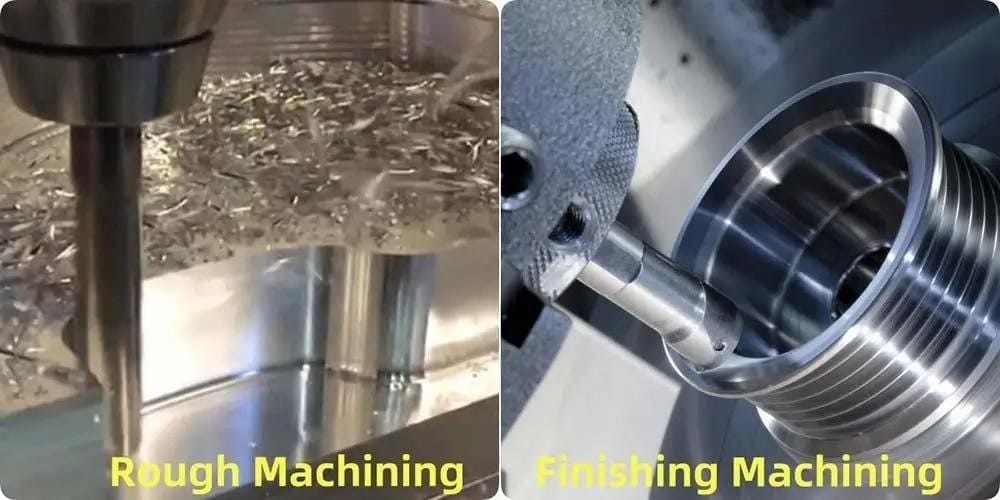
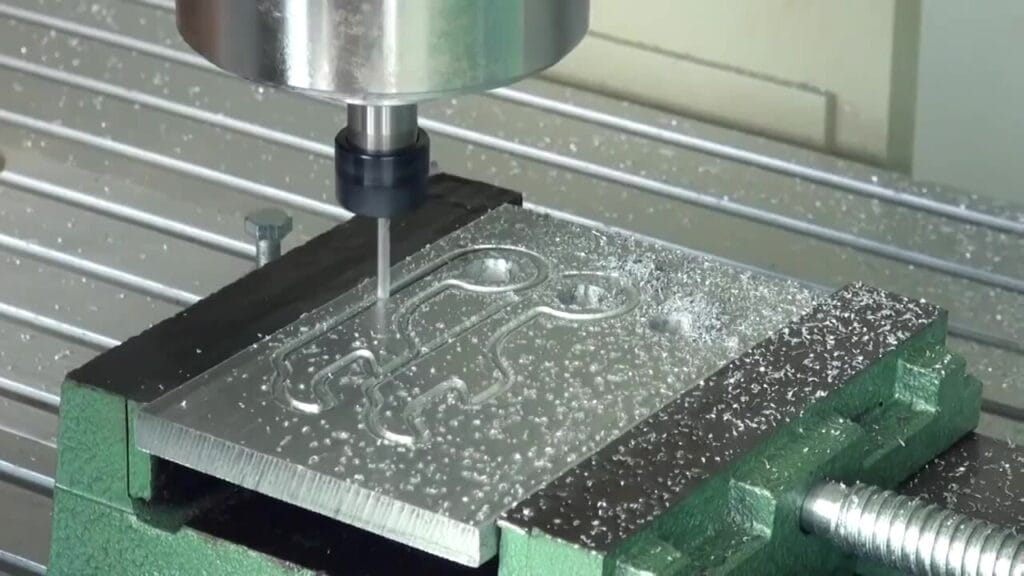
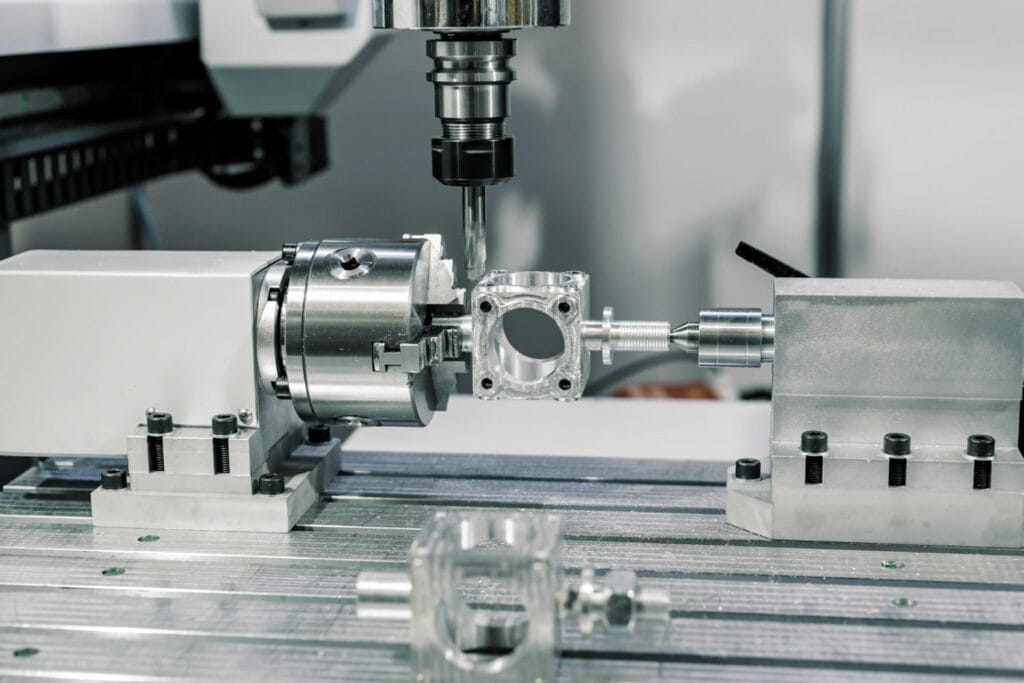
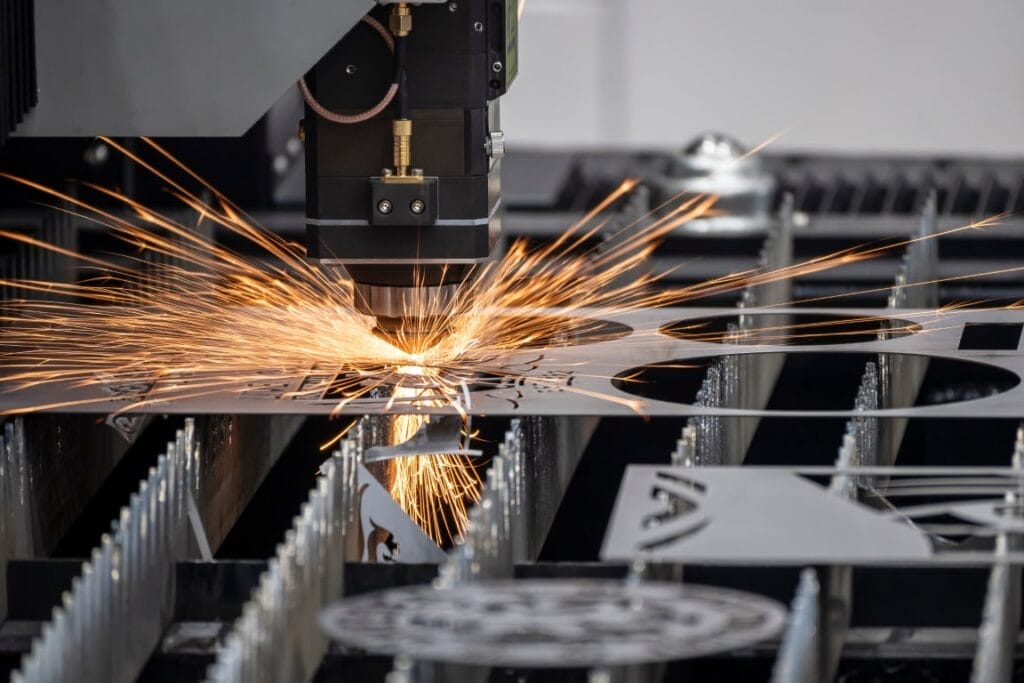
Machining PVC involves several processes that transform raw PVC material into finished parts. Due to its excellent mechanical properties and chemical resistance, PVC is a popular choice in industries such as construction, aerospace, and medical. The machining process can include CNC fraisage, drilling, and cutting, all tailored to achieve precise dimensions and surface finishes.


Our PVC Machining Services
Yijin Hardware offers a range of PVC machining services, including CNC machining, which utilizes computer-controlled tools for high accuracy. Our capabilities allow us to produce complex shapes and detailed designs in PVC. Whether you need custom parts or large-scale production runs, our team is equipped to handle your needs efficiently.


Rigid/Unplasticized PVC
Rigid or unplasticized PVC (uPVC) is a type of PVC that does not contain plasticizers, making it stiffer and more durable than flexible variants. It is commonly used in construction materials like window frames and pipes due to its strength and resistance to environmental factors.
Rigid/Unplasticized PVC Properties
| Propriété | Valeur |
|---|---|
| Densité | 1.4 g/cm³ |
| Résistance à la traction | 50-70 MPa |
| Module de flexion | 2,400-3,000 MPa |
| Résistance aux chocs | Haut |
| Résistance chimique | Excellent |
| Conductivité thermique | 0.14 W/m·K |
| Résistance aux UV | Bon |
| Insulating Properties | Bon |
PVC Finishes
Achieving the right surface finish is crucial in the machining process. Various finishing techniques can be applied to machined PVC parts to improve their appearance and functionality. Common finishes include sanding, polishing, and coating with UV-resistant materials. These techniques not only improve aesthetics but also contribute to the durability of the final product.


Design Guidelines: How to Save Money When You Machine PVC
- Simplify Designs: Avoid overly complex shapes that require extensive machining time.
- Optimize Tool Paths: Efficient tool paths minimize machining time and wear on cutting tools.
- Select Standard Sizes: Use standard sizes for sheets and components to reduce waste.
- Choose the Right Thickness: Design parts with appropriate thickness to balance strength and material usage.
Implementing these strategies can lead to significant savings in both time and material costs during the machining process.
Benefits of Machining PVC
- Polyvalence: PVC can be machined into a wide variety of shapes and sizes, making it suitable for numerous applications across different industries.
- Durabilité: Machined PVC parts are resistant to corrosion, chemicals, and UV light, ensuring long-lasting performance.
- Rapport coût-efficacité: Compared to metals and other materials, PVC is often more affordable to machine, reducing overall production costs.
- Excellent Mechanical Properties: With high impact resistance and tensile strength, machined PVC components can withstand significant stress and strain.
- Insulating Properties: PVC provides good electrical insulation, making it ideal for electrical applications.


Disadvantages of Machining PVC
- Heat Sensitivity: During machining, excessive heat can cause the material to warp or melt if not managed properly.
- Limited High-Temperature Resistance: While durable at room temperature, PVC may degrade at elevated temperatures.
- Surface Finish Challenges: Achieving a high-quality surface finish can require additional processing steps due to the nature of the material.
- Environmental Concerns: Although PVC is one of the greenest plastics available, its production and disposal can raise environmental issues that need consideration.
Why Choose Yijin Hardware for PVC Machining?
At Yijin Hardware, we pride ourselves on offering precision CNC machining services tailored to meet your specific needs. Our state-of-the-art equipment ensures that we can machine PVC with high accuracy while maintaining competitive pricing.
Our experienced team understands the intricacies of working with various types of PVC materials, ensuring that you receive top-quality machined parts every time. Contact us for instant quotes on custom CNC projects or to learn more about our plastic CNC machining services.



FAQs on Machining PVC | PVC Cutting Techniques, Precision Machining
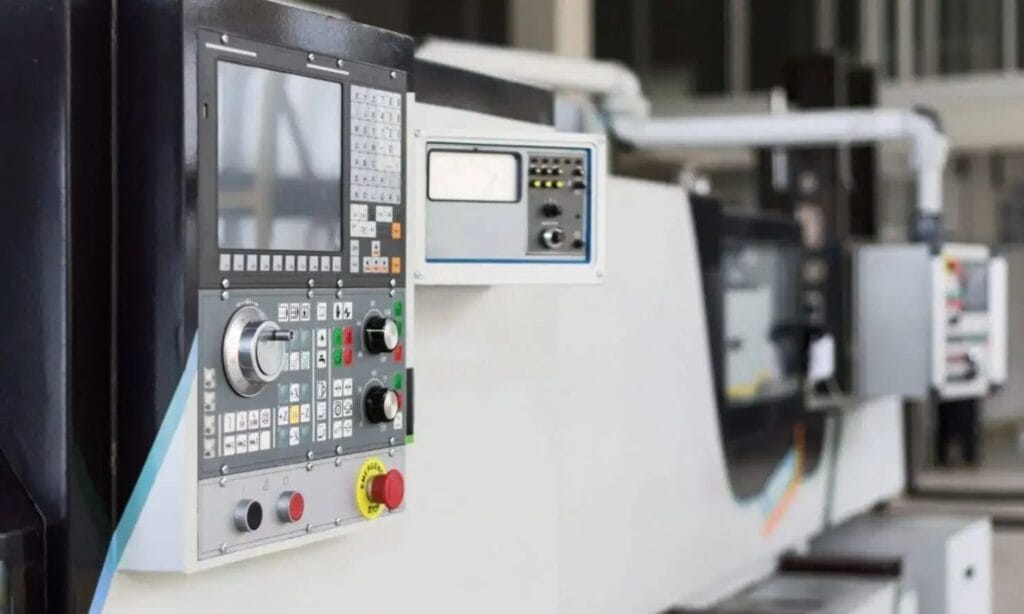
Plastic machining techniques like milling, turning, and drilling are well-suited for engineering plastics due to their adaptability. CNC machining PVC and other polymers are effective when the material properties are considered, such as thermal expansion and machinability. Using the right coolant and material selection is crucial to produce high-quality plastic parts and components.
Machining PVC plastic is generally safe when proper precautions are taken, such as using appropriate coolants to manage heat and guide to PVC-specific methods. We recommend focusing on the properties of PVC to avoid overheating or deformation and achieve the best PVC machinability. Plasticized PVC requires careful handling to maintain its structural integrity during plastic machining.
PVC’s health risks arise mainly from improper handling, as machining PVC can release harmful fumes if overheated. Understanding the material properties and following a guide to PVC ensures safe practices. For optimal safety, avoid machining processes that compromise the machinability of PVC plastic or the surrounding environment.
Ressources CNC
Les 10 premiers fabricants de tôles en laiton
La tôle en laiton possède des propriétés qui la rendent précieuse dans de nombreuses industries et attrayante pour des utilisations architecturales et décoratives. Qu'il s'agisse de
Les 10 meilleures entreprises de fabrication de tôles de précision (guide complet)
La fabrication de tôles de précision n'est pas un travail de métallerie ordinaire - il s'agit d'une fabrication qui respecte des tolérances mesurées en millièmes de millimètre.
Les 10 meilleurs fabricants de couvertures métalliques à connaître
Le choix d'un fabricant de toitures métalliques ne doit pas être une erreur, car votre toit est littéralement ce qui protège tout ce qui se trouve en dessous
Commencez dès aujourd'hui. Les pièces sont fabriquées rapidement.
Conception gratuite de pièces usinées pour vos projets avec des délais d'exécution rapides.
 FR
FR  EN
EN  ES
ES  RU
RU  DE
DE