Services d'usinage CNC horizontal
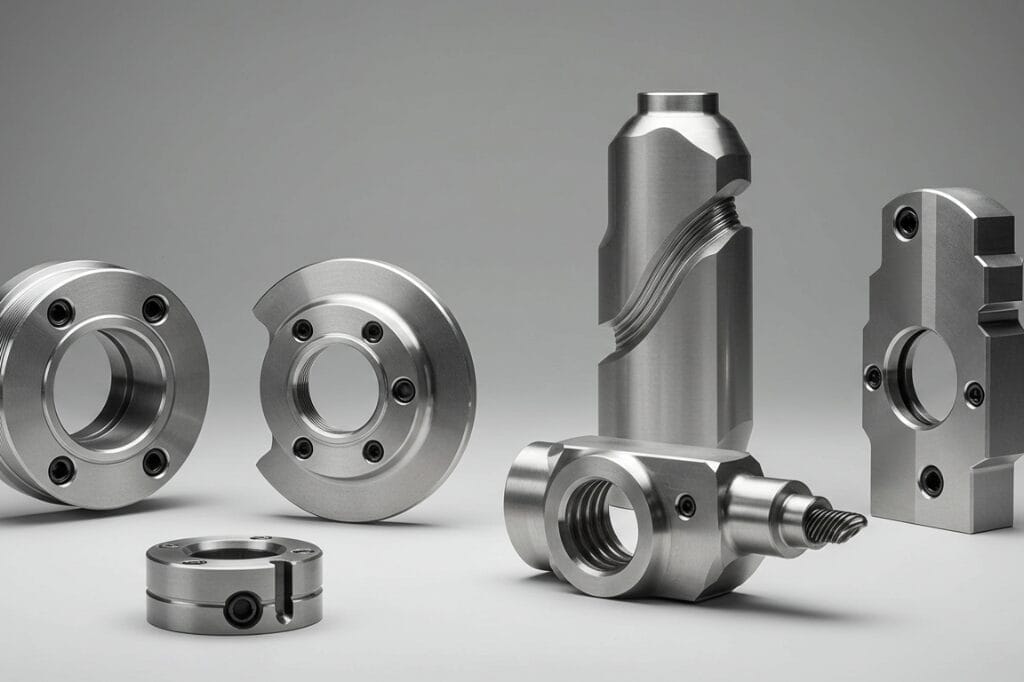
Horizontal Usinage CNC takes precision to new heights for complex industrial parts. At Yijin Hardware, our machining centers consistently hit tolerances of ±0.0002 inches — thinner than a human hair. This isn’t just technical showing off — it’s what makes possible those intricate components that the aerospace, automotive, and medical industries depend on.
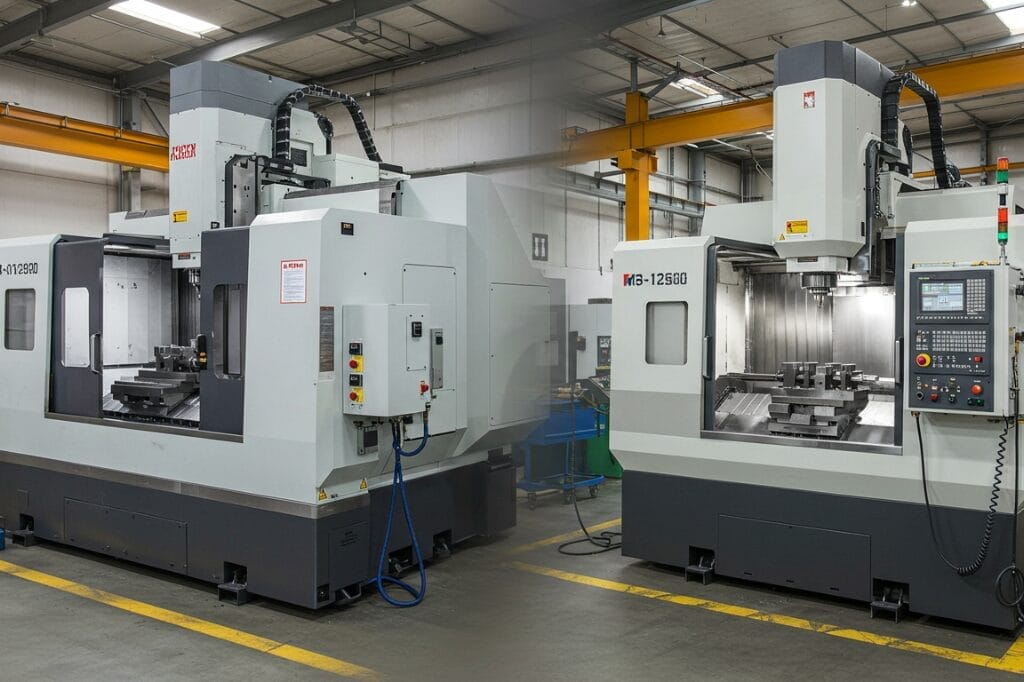
We’ve invested in what really counts: multi-axis capabilities, pallet changers that keep production moving around the clock, huge tool magazines that minimize downtime, and quality control systems that catch problems early. The advantage becomes clear with complex parts — what requires three separate setups on vertical machines often needs just one on our horizontals, saving time and dramatically improving accuracy.
- ⬤Service
- ⬤Vos coordonnées
- ⬤Soumettre


What is Horizontal CNC Machining?
Horizontal CNC machining uses those computer-controlled systems where the spindle runs parallel to the floor instead of pointing down. This seemingly simple orientation difference creates huge advantages. The horizontal setup lets chips fall away naturally, compared to vertical machines where they pile up on your workpiece. Gravity becomes your friend, efficiently clearing debris without fancy systems.
These machines absolutely shine when tackling complex parts that need machining from multiple angles. The advantages over vertical setups are pretty significant:
- Chips naturally fall away instead of collecting on your work surface
- Cutting tools last way longer thanks to better cooling and chip evacuation
- You can hit multiple sides of a part without constant re-fixturing
- The whole machine structure handles heavy cutting better due to its design
The horizontal configuration supports those aggressive cutting operations while still hitting impressive precision — typical rotational accuracy stays within ±0.001 degrees even under load. For complex components requiring multiple operations, this setup difference can cut production time almost in half compared to vertical machines.
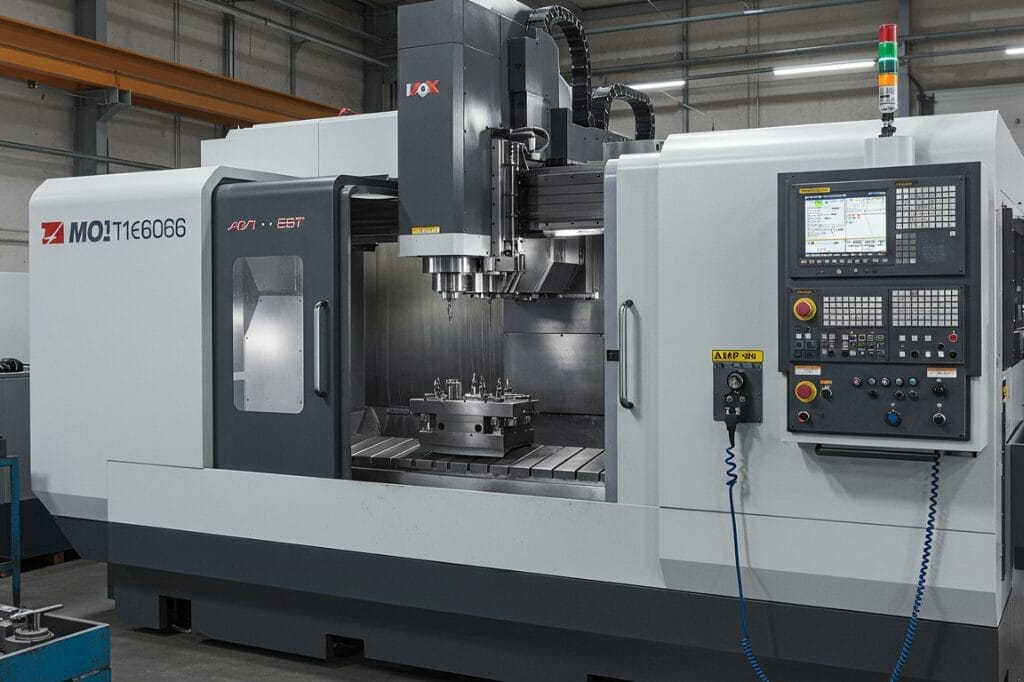

Our Horizontal CNC Machining Capabilities
Yijin Hardware offers horizontal machining capabilities that set industry standards. Our equipment delivers results that keep customers coming back:
| Capacité | Spécifications | Bénéfice | Applications |
|---|---|---|---|
| Tolérance Précision | ±0.0002 inches | Ensures perfect component fit | Aerospace, Medical |
| Vitesse de la broche | Up to 12,000 RPM | Faster material removal | Automotive, General Manufacturing |
| Tool Magazine | 100+ tool capacity | Complex part production | All industries |
| Work Table Dimensions | 20″ × 20″ × 26″ | Accommodates larger machine parts | Équipements industriels |
The machine shop works with practically every material you can imagine — aluminum, steel, stainless steel, titanium, brass, and those tricky specialty alloys — all while maintaining that same ridiculous precision. The machining centers feature:
Advanced Quality Control Technology
- Renishaw dual probing systems that automatically measure parts while they’re still in the machine — no more waiting for CMM verification
- In-process tool setting and breakage detection that catches issues before they ruin parts
- High-pressure coolant systems cranking up to 1000 PSI that blast chips away from tight pockets
- Tool path solid modeling and detailed 3D simulation that verify setups before cutting expensive material
Intégration de l'industrie 4.0
- Real-time monitoring capabilities that let you check job status from anywhere
- Sophisticated tool life management software that predicts when tools need changing
- Adaptive process control systems that automatically adjust to maintain consistent quality
- Comprehensive machine performance analytics that ensure repeatable results across production runs
How does Horizontal CNC Machining Differ From Vertical Machining?
The big difference between horizontal and vertical machining comes down to how the cutting tool is oriented. In horizontal setups, the spindle runs parallel to the floor, while vertical machines have the spindle pointing straight down at the work surface. This seemingly simple change creates major advantages — horizontal machines naturally let chips fall away from the workpiece instead of piling up on it. This means less tool wear, cleaner cuts, and the ability to machine complex geometries without constantly fighting chip buildup.
Horizontal machines typically come with these rotating tables that let you work on multiple sides of a part without taking it out and reclamping it. This is huge for complex parts — you can machine five or six faces in a single setup instead of moving the part around multiple times. Every time you reposition a part, you introduce potential errors, so eliminating those extra setups dramatically improves dimensional accuracy.
Another advantage most people don’t think about is how the cutting forces are directed. In horizontal machines, those forces push into the solid machine column rather than down into the table. This creates a much more rigid cutting environment, especially for heavy operations that would make a vertical machine chatter.
| Fonctionnalité | Horizontal CNC | Vertical and Horizontal CNC |
|---|---|---|
| Orientation de la broche | Parallel to ground | Perpendicular to table |
| Évacuation des puces | Excellent (gravity-assisted) | Limited (requires air/coolant) |
| Usinage multi-faces | Single setup with tombstones | Multiple setups required |
| Surface de plancher nécessaire | Empreinte au sol plus importante | Smaller footprint |
What Materials Can Be Processed with Horizontal CNC Machining?
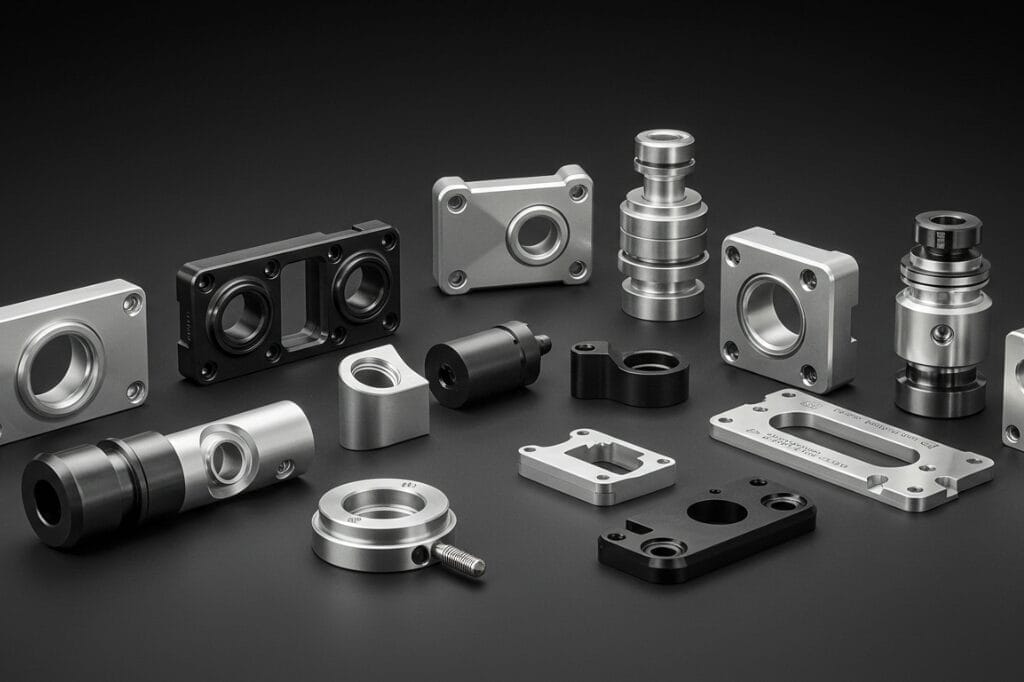
Our horizontal CNC machining services effectively process a wide range of materials including aluminium, acier, acier inoxydable, titane, and various alloy options. Each material requires specific machining equipment parameters, machine tools selections, and coolant strategies to achieve optimal results. Our horizontal CNC machining centers accommodate these diverse requirements through programmable speed and feed rates.
Aluminum machining benefits particularly from horizontal configurations, as the efficient chip evacuation prevents re-cutting of chips that could damage surface finish. For harder materials like titanium and stainless steel, our CNC equipment provides the rigidity necessary for precision machined components while managing the heat generation that accompanies fabrication of these challenging materials.
The table below summarizes key materials and their machining characteristics:
| Matériau | Caractéristiques d'usinage | Applications typiques | Achievable Surface Finish |
|---|---|---|---|
| Aluminium | High speed, excellent finish | Aerospace components, electronics housings | 0.8 μm Ra |
| Acier | Moderate speed, good tool life | Automotive components, machinery parts | 1.6 μm Ra |
| Titane | Low speed, heat management critical | Medical implants, aerospace structures | 0.8 μm Ra |
| Acier inoxydable | Moderate speed, cooling important | Medical devices, flow control equipment | 1.6 μm Ra |
| Hastelloy | Slow speed, specialized tooling | Chemical processing equipment | 1.6 μm Ra |
How does Our Horizontal CNC Machining Process Work?
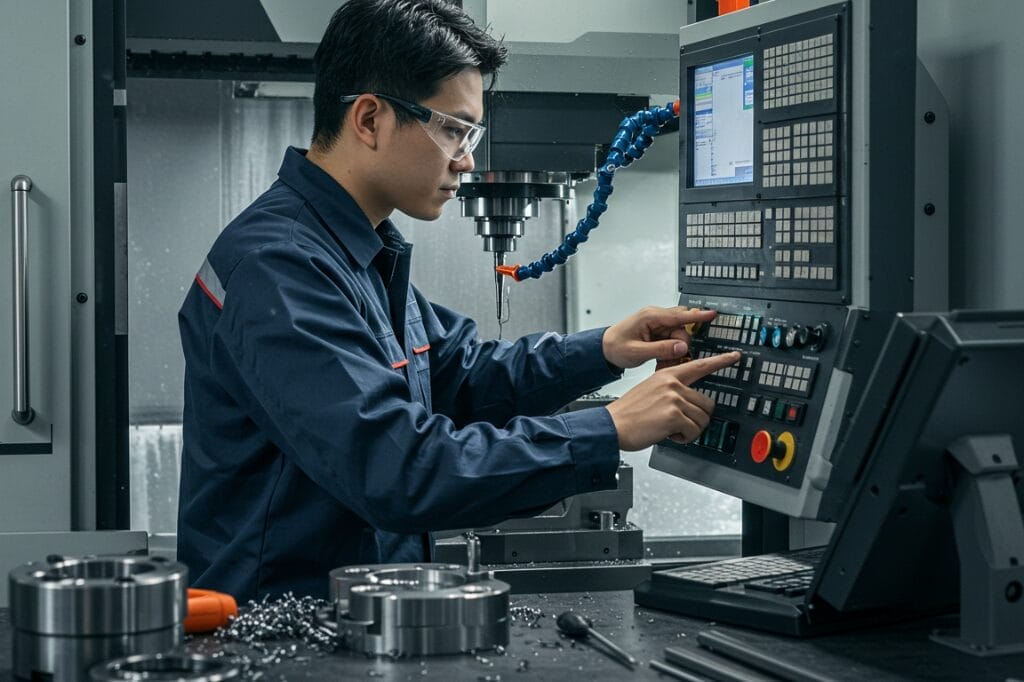
Our horizontal milling process begins with CAD/CAM programming to develop optimal tool paths and strategies. Expert CNC machinists analyze part geometry, material specifications, and tolerance requirements to determine the most efficient manufacturing approach. This preparation phase includes virtual simulation to identify potential issues before physical machining begins.
Étapes du processus :
- Design Analysis & CAD/CAM Programming
- Review of part specifications and tolerances
- Development of optimal machining strategies
- Tool path solid modeling and 3D simulation
- Setup & Fixturing
- Precision workholding on tombstones or direct pallet mounting
- Automated tool presetting and verification
- Renishaw probing for workpiece datum establishment
- Opérations d'usinage
- 5-axis CNC machining with automatic tool changes
- High-pressure coolant for efficient chip evacuation
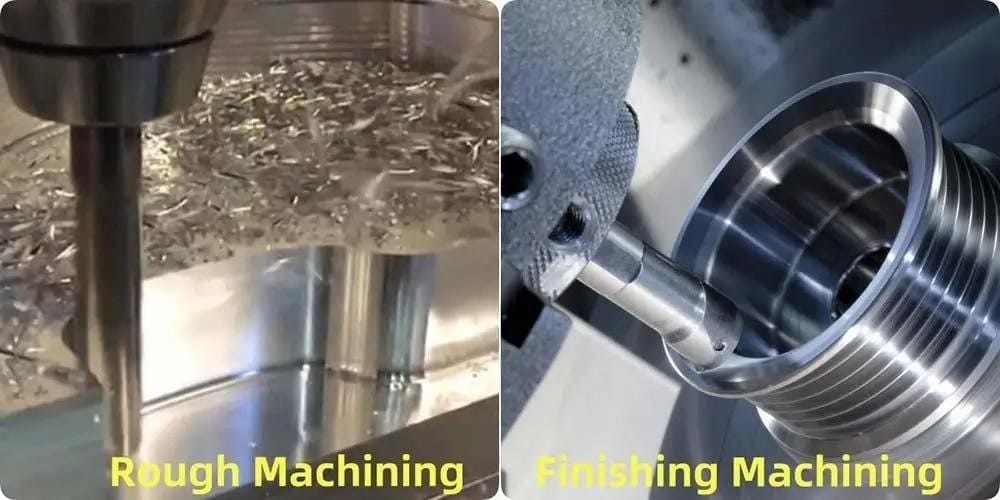
- In-process measurement for critical dimensions
- Vérification de la qualité
- Inspection des machines à mesurer tridimensionnelles (MMT)
- Surface finish verification
- Full dimensional reporting and certification
The machining project utilizes our horizontal CNC machining centers equipped with pallet changers for continuous operation. Parts are fitted on tombstones or directly on pallets to enable high-precision 3-axis machining in a single setup.
What Industries Benefit Most From Horizontal CNC Machining?
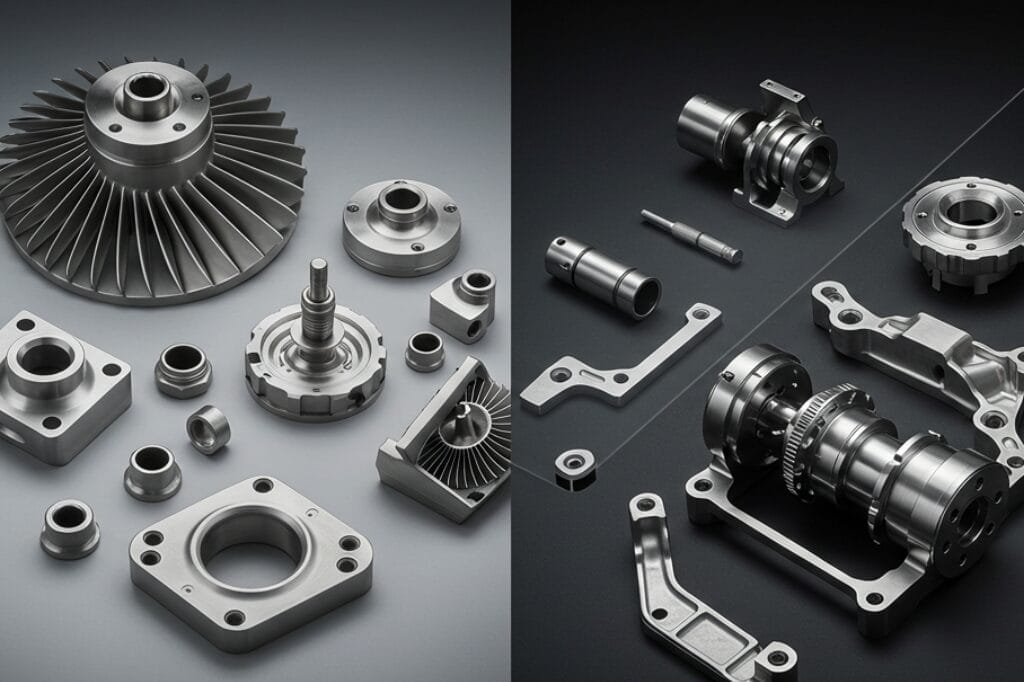
The aerospace industry benefits significantly from horizontal boring capabilities due to the complex geometries and tight tolerance requirements for aircraft components. Engine components, structural elements, and landing gear parts all demand the precision and accuracy that horizontal CNC machines excel at providing.
Key Industry Applications:
- Turbine blades and engine components
- Structural airframe parts
- Composants du train d'atterrissage
- Satellite and space vehicle components
- Engine blocks and cylinder heads
- Transmission cases
- Composants de la transmission
- Electric vehicle battery housings for high-volume production
- Implantable devices requiring higher precision
- Instruments chirurgicaux
- Diagnostic equipment
- Medical imaging components
Équipement industriel
- Hydraulic valve bodies
- Pneumatic system components
- Precision gears and shafts
- Custom parts for specialized applications
Why Choose Yijin Hardware for Horizontal CNC Machining Services?
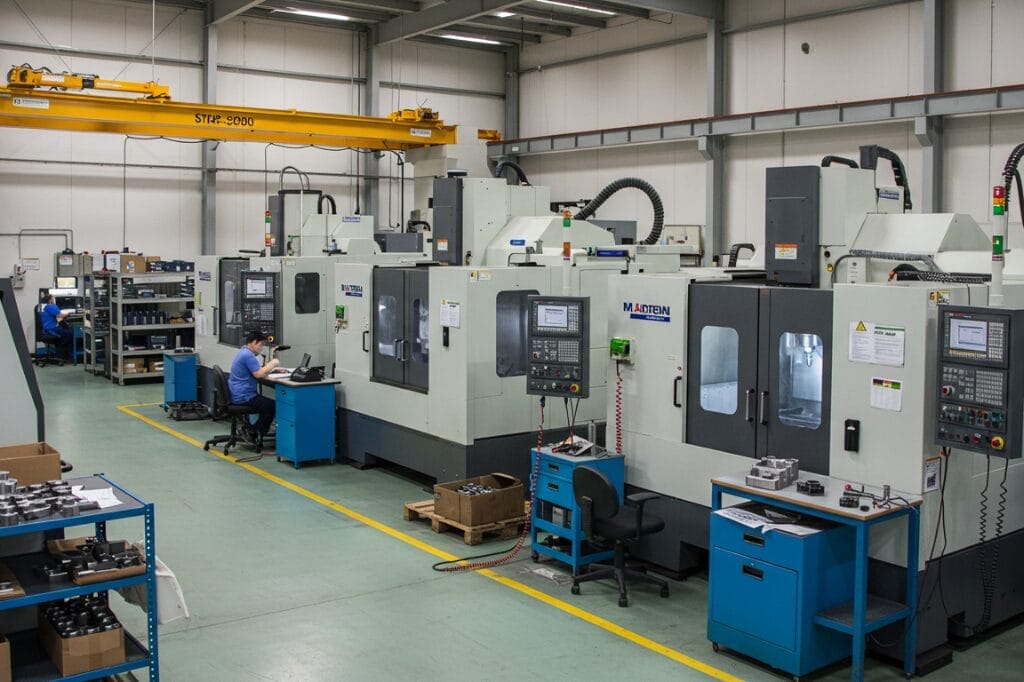
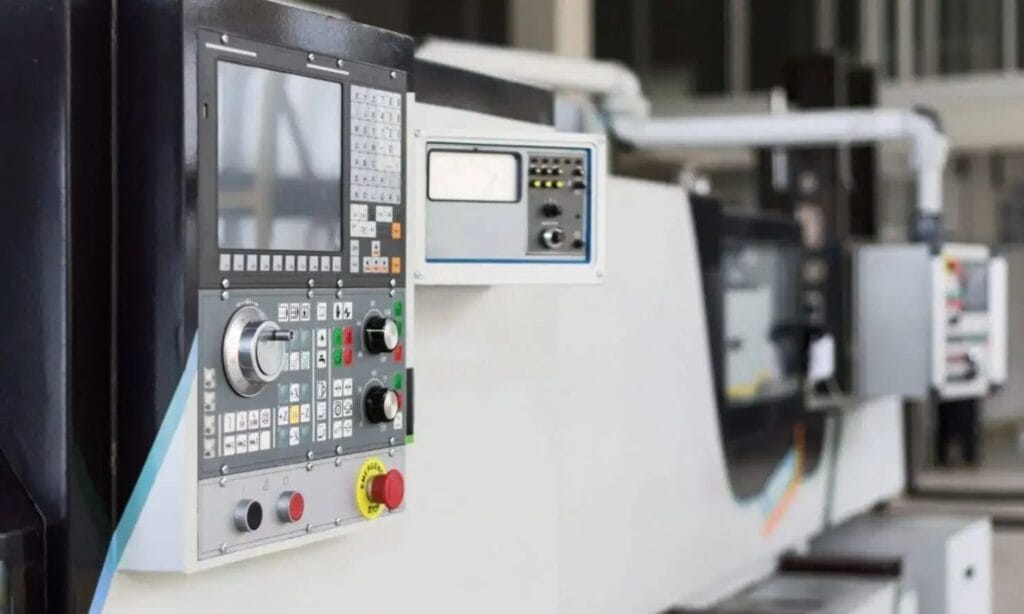
Yijin Hardware provides horizontal CNC services through advanced CNC machining equipment and comprehensive quality systems. Our horizontal CNC machining centers feature the latest control systems, high-capacity tool magazines, and automated pallet systems that ensure consistent, high-quality production with significant cost savings.
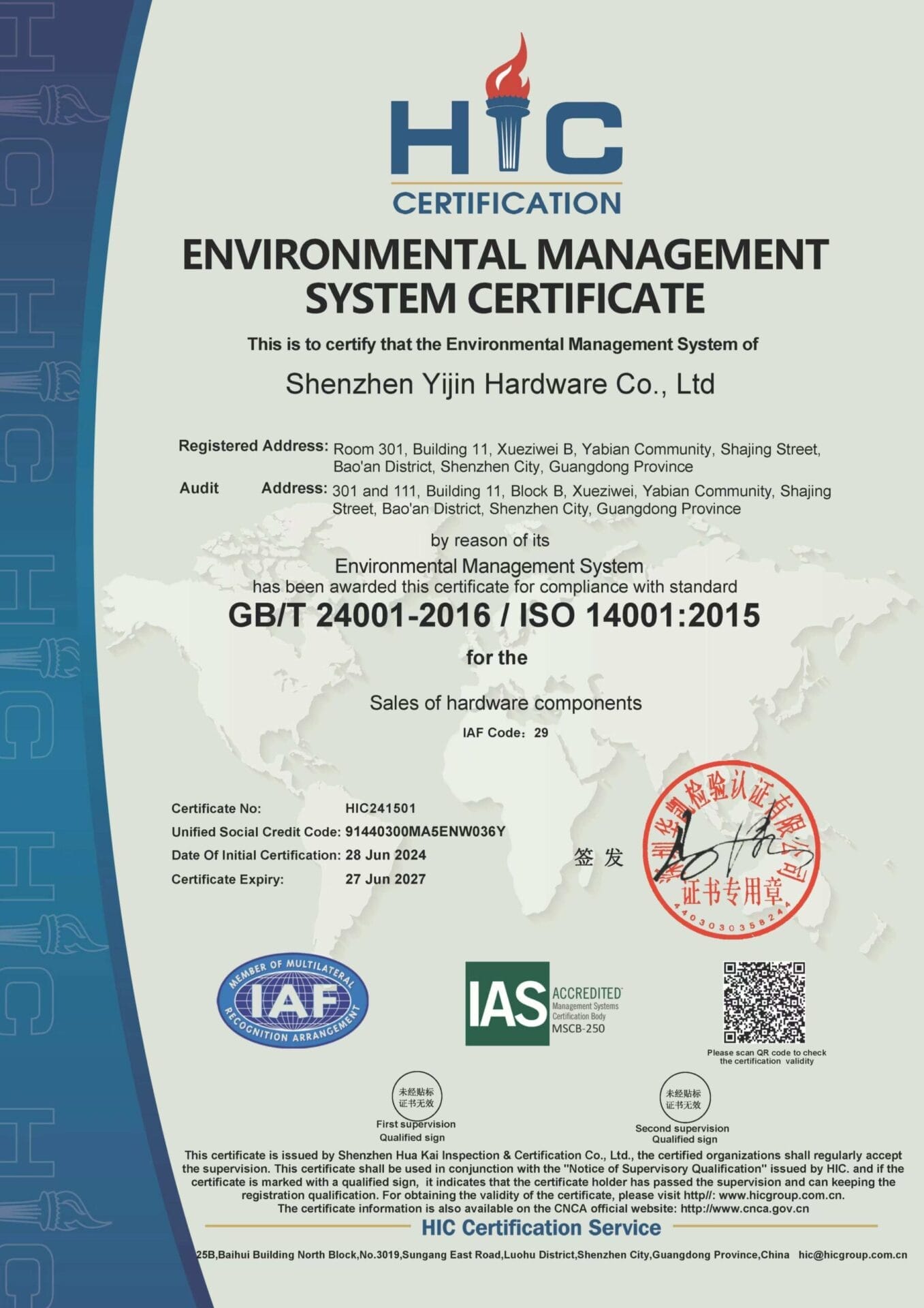
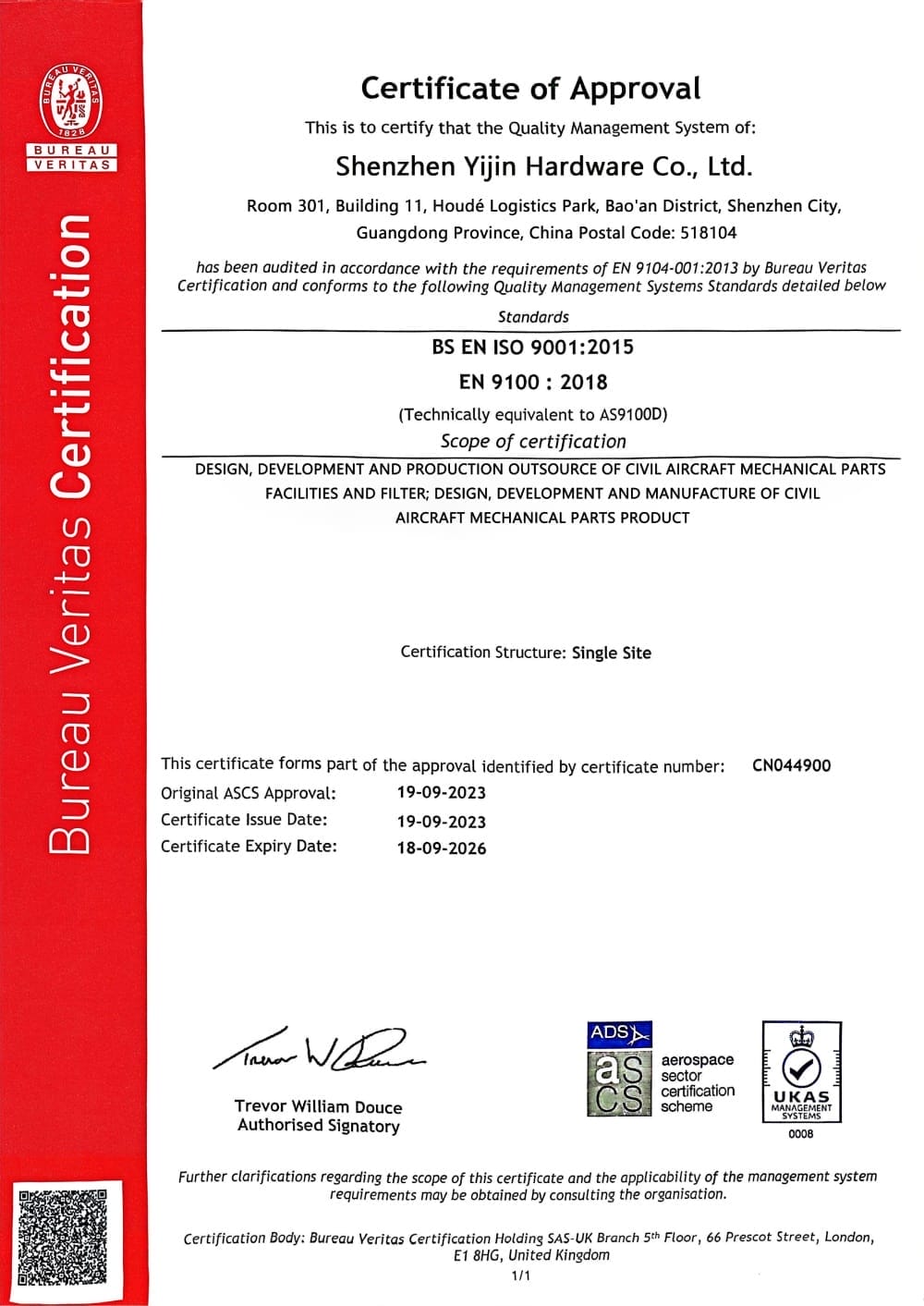
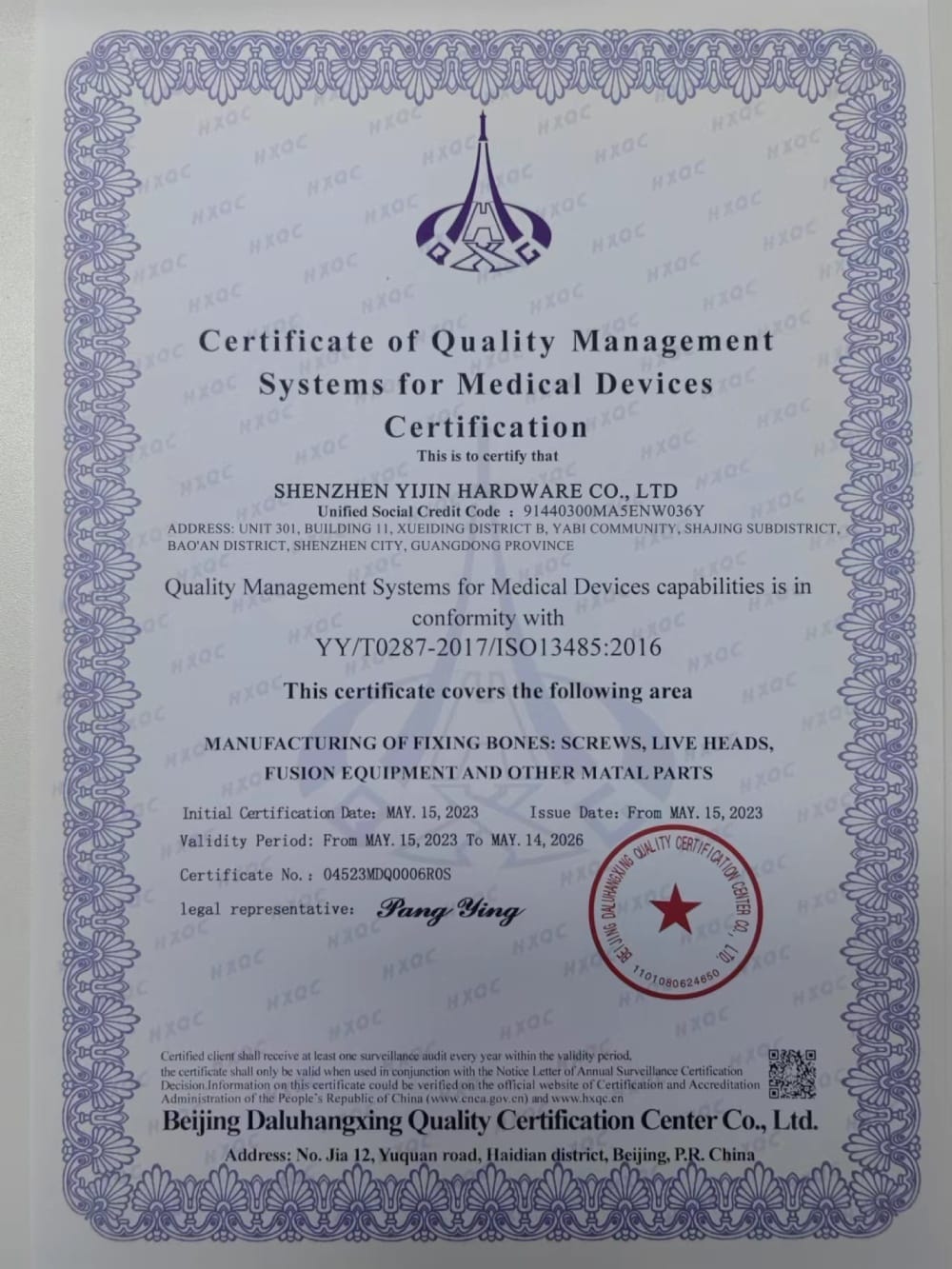
Our Quality Certifications:
- ISO 9001 quality management system
- AS9100 aerospace quality standard (pending)
- ITAR compliance for defense manufacturing
Technical Advantages:
- Advanced Mazak HCN5000 Horizontal Machining Centers
- Tool life management software for consistent performance
- High-pressure coolant systems for superior chip evacuation
- In-process inspection with Renishaw dual probing
- 5-axis CNC machining for complex geometries
Our technical expertise spans diverse industries including aerospace, automotive, and medical device manufacturing, providing solutions for complex machining needs. We understand industry-specific requirements and work closely with clients to optimize designs for manufacturability while maintaining critical specifications.
Ce que disent nos clients


Horizontal CNC Machining Services FAQs
Vertical CNC positions the cutting tool perpendicular to the work surface, while horizontal CNC orients the spindle parallel to the ground, providing better chip evacuation and rigidity for heavy cutting. Horizontal machines excel at machining complex parts with features on multiple sides in a single setup, whereas vertical machines are better suited for simpler parts with features primarily on one face. The horizontal configuration offers superior chip evacuation, better support for long tools, and the ability to machine multiple sides without repositioning the workpiece.
Horizontal milling machines typically cost 1.5-2 times more than comparable vertical machines, requiring larger capital investment and more floor space. Programming and setup procedures are more complex, particularly when utilizing tombstone fixtures for multipart machining. Despite these challenges, the productivity advantages often justify the investment for complex parts or high-volume production.
A horizontal milling machine operates by rotating cutting tools on a horizontally oriented spindle that moves relative to the workpiece, with spindle speeds typically ranging from 60-12,000 RPM. The main components include the spindle head, column, pallet system, control system, tool magazine, and pallet changer working together to enable efficient part production. Advanced horizontal machining centers enhance basic operation with automatic tool changers, pallet systems for continuous operation, and in-process measurement capabilities for high-precision manufacturing.
Ressources CNC
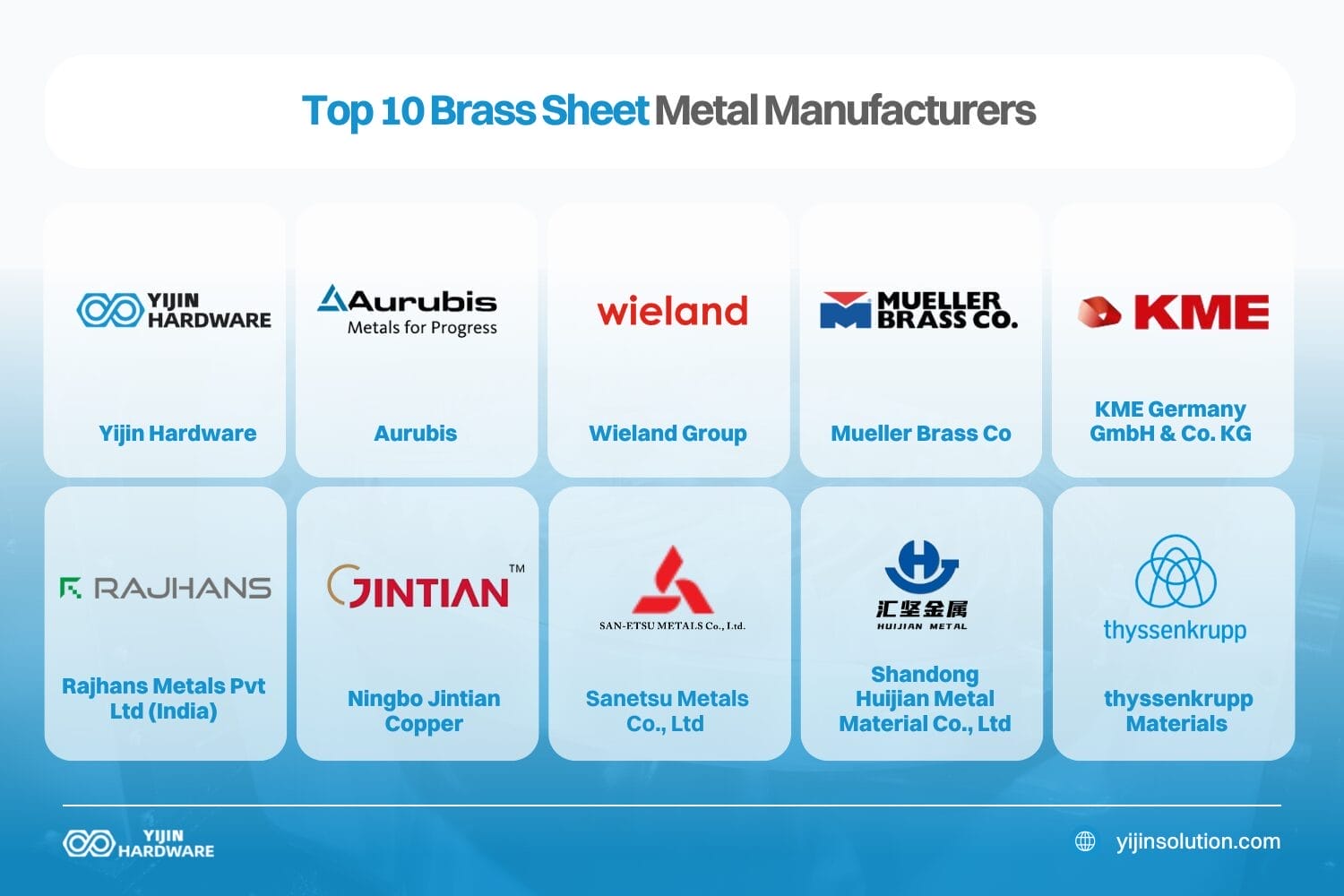
Les 10 premiers fabricants de tôles en laiton
La tôle en laiton possède des propriétés qui la rendent précieuse dans de nombreuses industries et attrayante pour des utilisations architecturales et décoratives. Qu'il s'agisse de
Les 10 meilleures entreprises de fabrication de tôles de précision (guide complet)
La fabrication de tôles de précision n'est pas un travail de métallerie ordinaire - il s'agit d'une fabrication qui respecte des tolérances mesurées en millièmes de millimètre.
Les 10 meilleurs fabricants de couvertures métalliques à connaître
Le choix d'un fabricant de toitures métalliques ne doit pas être une erreur, car votre toit est littéralement ce qui protège tout ce qui se trouve en dessous
Commencez dès aujourd'hui. Les pièces sont fabriquées rapidement.
Conception gratuite de pièces usinées pour vos projets avec des délais d'exécution rapides.
 FR
FR  EN
EN  ES
ES  RU
RU  DE
DE