


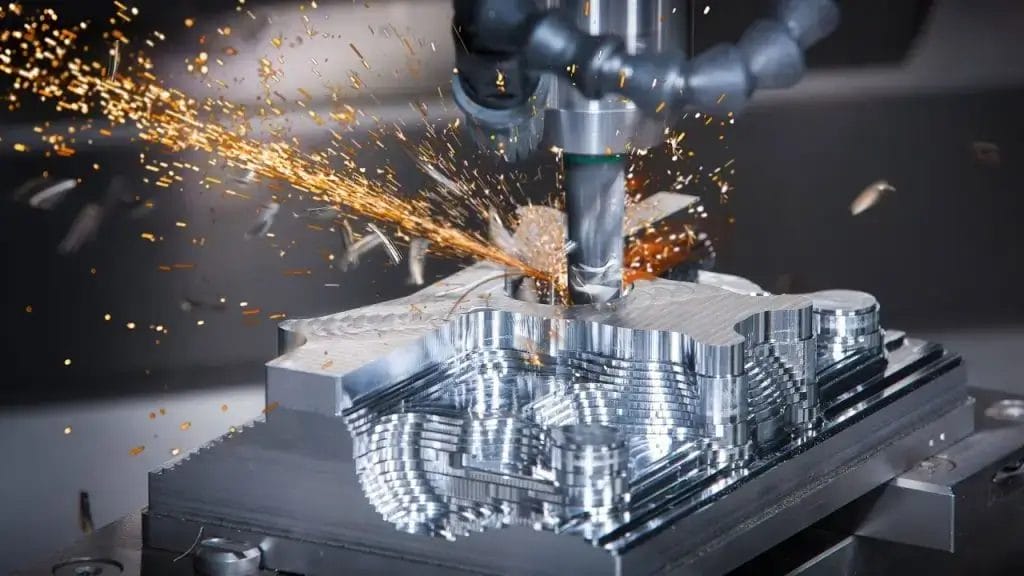
Usinage CNC offers the best precision, automation, and efficiency. Yijin Hardware uses the latest CNC technology to provide manufacturers with access to machines that get tolerances as tight as 0.004 mm. We also work continuously to create complicated parts that are impossible to do by hand. This full guide takes a look at the huge advantages of CNC machining across many different industries.
Principaux enseignements
- CNC machining gets precision with tolerances as small as 0.004 mm
- Modern CNC machines can operate 24/7 with automated tool changing systems carrying up to 30 different tools
- According to the EPA, CNC machining uses around one-seventh of the energy of traditional manufacturing methods
- CNC technology blends with Industry 4.0 systems for smart manufacturing capabilities
- Digital simulation capabilities reduce material waste and development time compared to 3D printing
What is CNC Machining & How does it work?
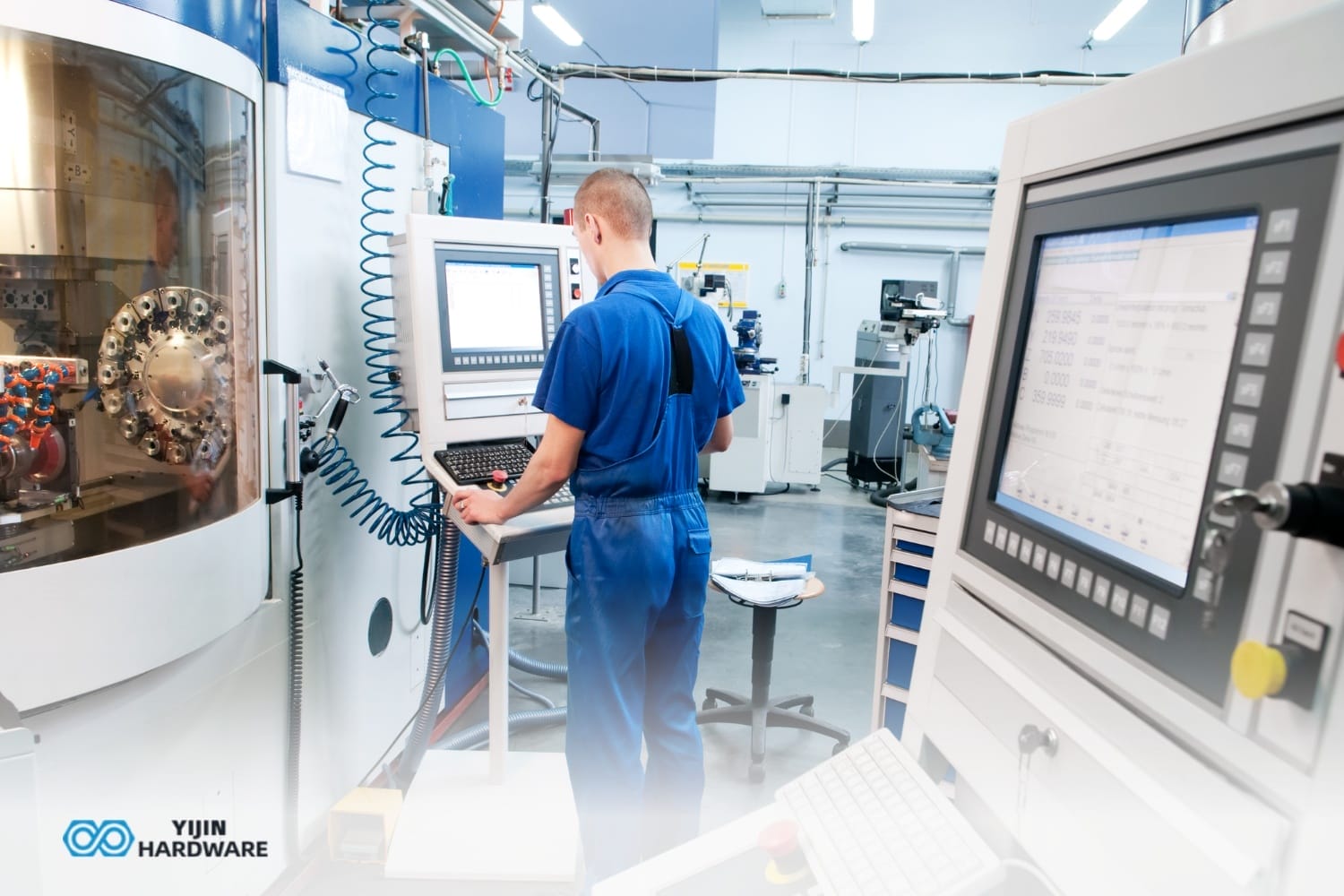
CNC (Computer Numerical Control) machining is a manufacturing process that uses computerized controls and cutting tools to work with machining tools. A CNC machine follows pre-programmed instructions stored in special software to automate the movement of tools and machinery. These systems turn digital designs into instructions that control cutting tools to remove matériel from a workpiece. This creates custom-designed parts with accuracy.
CNC machining represents a huge advancement over conventional machines by getting rid of human intervention and introducing computer-controlled precision to the machining process.
Selon le MarketsandMarkets, the CNC machining industry is expected to grow from $67.5 billion in 2023 to $80.4 billion by 2028. This growth is mainly due to more automation in factories, lower operating costs, and the need for precise parts in fast-growing industries.
Key Components
- CAD software for design and toolpath generation
- G-code and M-code programming languages
- Automated tool changing systems
- Multi-axis control capabilities
1. CNC Machining Achieves Markedly High Precision
The advantages of Fraisage CNC include exceptional precision through computerized control systems that eliminate human error and variability from the manufacturing process. The standard tolerance for most milling operations is ±0.13 mm (±0.005″), with advanced machines capable of achieving tolerances as small as 0.004 mm. This precision level makes CNC machining ideal for aerospace and other industries requiring parts with tight tolerances.
The precision capabilities extend across various materials, with material-specific tolerances outlined below:
| Matériau | Typical Achievable Tolerance |
|---|---|
| Aluminium | ±0,05 mm |
| Acier | ±0.08 mm |
| Acier inoxydable | ±0.10 mm |
| Plastique | ±0.15-0.25 mm |
Classes de tolérance de la norme ISO 2768
- Fine (f): ±0.05 mm for dimensions up to 30 mm
- Medium (m): ±0.1 mm for dimensions up to 30 mm
- Coarse (c): ±0.2 mm for dimensions up to 30 mm
- Very Coarse (v): ±0.5 mm for dimensions up to 30 mm
2. CNC Machining is Faster than Traditional Methods
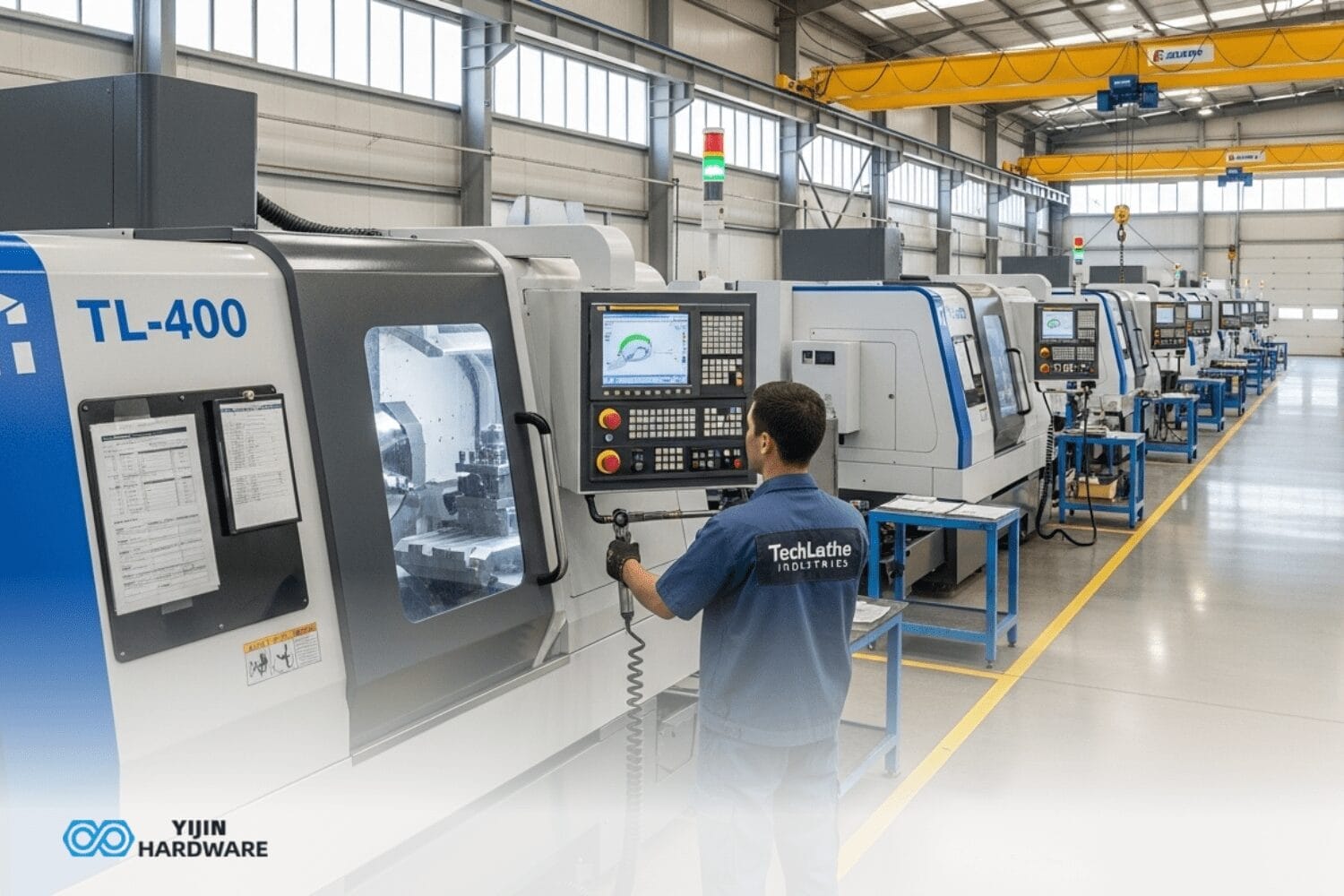
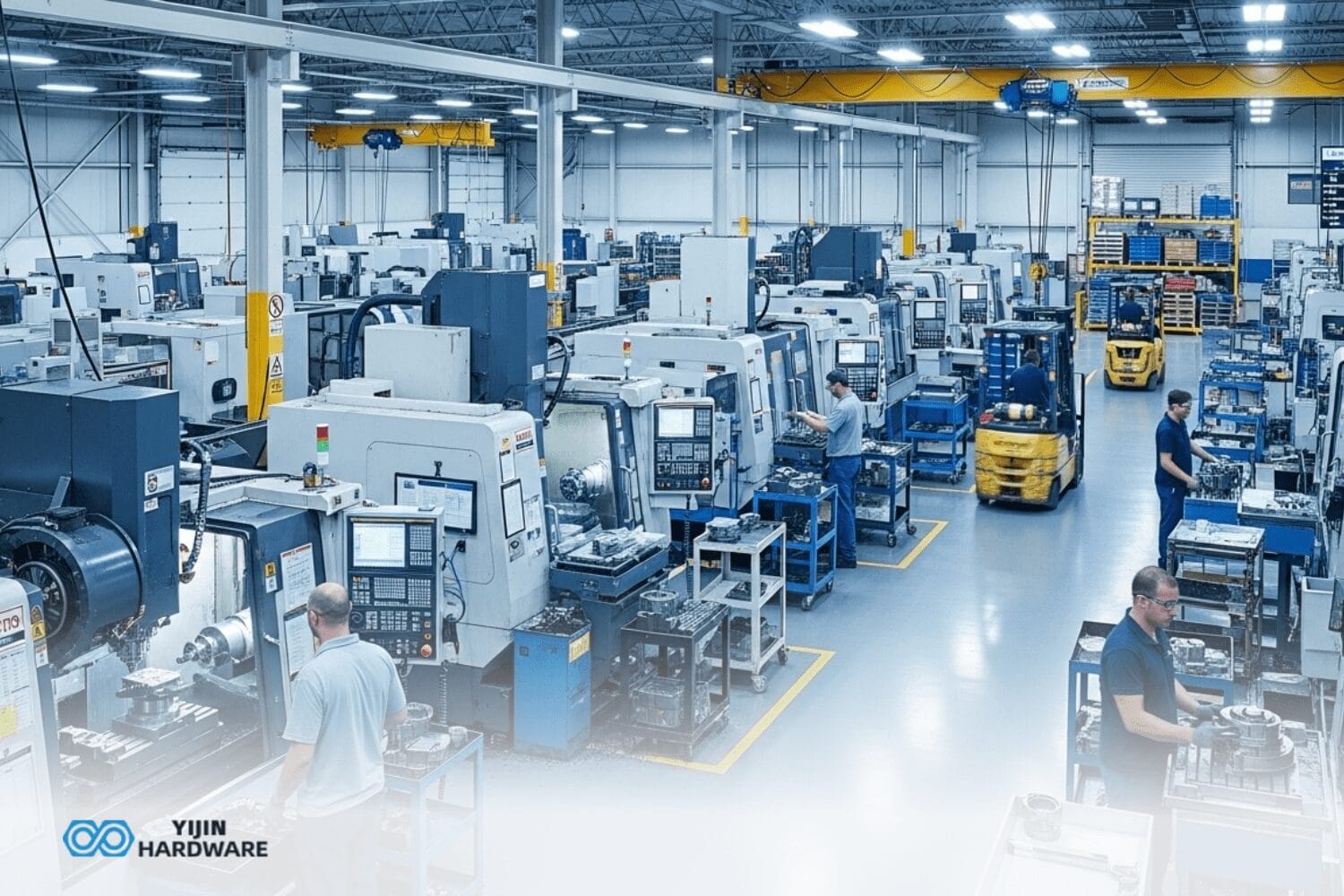
CNC machines excel at outpacing traditional methods through automation, continuous operation, and tool efficiency. CNC machining automates the entire process where machines can run 24/7 without breaks, substantially increasing productivity compared to manual lathe operations limited by human work hours.
The automated tool changing systems with rotating carousels carrying up to 30 different tools enable seamless transitions between machining operations without operator intervention.
Production Efficiency Factors
- Continuous operation capability (24/7)
- Automated tool changing (30+ tools in carousel)
- Elimination of manual setup time
- Simultaneous multi-axis operations
- Rapid travel speeds between cutting operations
3. CNC Machining Reduces Material Waste
Unlike additive manufacturing processes like 3D printing, CNC machining minimizes material waste through precision cutting and optimized tool paths programmed in advanced software.
The technology ensures exact material removal according to digital specifications, eliminating oversized cuts and reducing scrap generation. Computer simulation before production identifies the most efficient cutting strategies, further conserving material resources.
Waste Reduction Techniques
- Digital nesting optimization of multiple parts
- Simulation verification before cutting
- Precise toolpath calculation
- Optimized cutting parameters
- Scrap recycling and material recovery systems
4. Uniform CNC Machining Products
CNC machines produce parts with consistent uniformity through immutable digital programming that ensures identical outcomes across production runs. The computer-controlled process follows the exact same tool paths, cutting depths, and speeds for every workpiece, eliminating variations that occur with manually operated machines. This consistency is maintained throughout extended production cycles, even when manufacturing thousands of identical components.
Uniformity Benefits
- Identical parts across batches
- Maintained tolerances over the entire production run
- Consistent finitions de surface
- Repeatable feature locations
- Reliable assembly fit between components
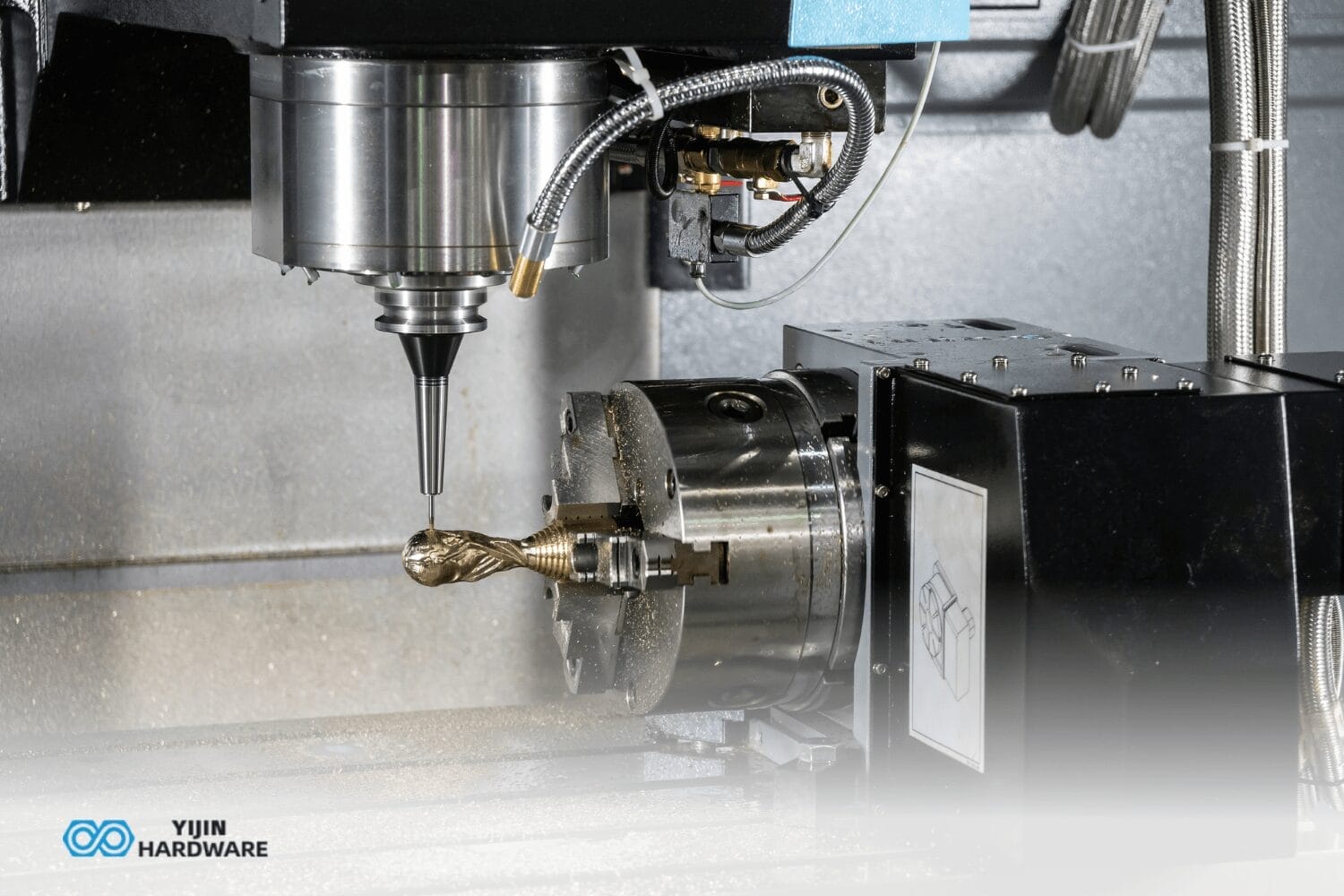
5. Complex Designs
CNC machines can produce intricate geometries and complex designs that would be difficult or impossible with conventional milling. Multi-axis CNC milling machines can approach workpieces from multiple angles, creating sophisticated undercuts, curved surfaces, and detailed features with precision.
These advanced capabilities allow for the production of complex parts that would require multiple setups or be entirely unfeasible with traditional machining methods.
Complex Feature Capabilities
- Compound curves and contoured surfaces
- Internal cavities and channels
- Undercuts and recessed features
- Variable wall thicknesses
- Intricate patterns and details
6. CNC Automation Reduces Manufacturing Errors
CNC machining offers virtually error-free manufacturing by replacing manual control with precise computer-driven operations. The digital control system follows exact programmed instructions without variation or fatigue, preventing mistakes common in conventional machining like measurement errors, tool positioning inconsistencies, and dimensional drift. This automation ensures every manufactured part meets exact specifications without quality degradation over time.
Error Reduction Mechanisms
- Elimination of manual measurement variables
- Consistent tool path execution
- Automated offset compensation
- Programmed quality verification steps
- Systematic approach to complex operations
7. CNC Machining is Cost-Effective in the Long Run
The benefits of CNC machining include substantial long-term cost benefits through reduced labor requirements, minimal material waste, and decreased error rates. While initial equipment investment is significant, the automated production capabilities allow a single operator to monitor multiple machines simultaneously, dramatically reducing labor costs per manufactured part. Precision cutting minimizes material waste, providing additional cost savings on raw materials.
Cost Efficiency Factors
- Reduced labor requirements
- Déchets minimaux de matériaux
- Decreased error and scrap rates
- Lower rework and quality management costs
- Energy efficiency (EPA data shows CNC uses 1/7 the energy of traditional methods)
8. CNC Machining Improves Workshop Safety?
The use of CNC machines significantly enhances workplace safety by isolating the operator from direct contact with cutting tools and moving machinery. The computer-controlled automation allows technicians to program and monitor operations from a safe distance, eliminating proximity to hazardous cutting operations, flying chips, and moving parts. This separation substantially reduces the risk of accidents compared to machine shops where operators must constantly interact with running equipment.
Safety Enhancement Features
- Machine enclosures and safety interlocks
- Remote programming and monitoring
- Automated coolant and chip management
- Emergency stop systems
- Reduced operator fatigue factors
9. Materials Work Best with CNC Machining
CNC machining demonstrates exceptional versatility across a wide range of materials from metals to plastics, composites, and specialty materials. The cutting tool efficiently processes aluminum, steel, stainless steel, titanium, brass, copper, and various alloys with appropriate tooling and cutting parameters. For non-metals, CNC machines effectively work with engineering plastics like ABS, nylon, PEEK, acrylic, polycarbonate, and various composite materials.
| Type de matériau | Applications courantes | Propriétés principales |
|---|---|---|
| Aluminium | Aerospace components, electronics housings | Lightweight, good strength-to-weight ratio |
| Acier | Industrial equipment, automotive parts | High strength, durability |
| Plastiques techniques | Medical devices, consumer products | Chemical resistance, electrical insulation |
| Composites | Aerospace, specialized tooling | Customizable properties, lightweight |
10. CNC Machining Supports Industry 4.0 Integration
CNC technology serves as a cornerstone for Industry 4.0 implementation through digital connectivity, data generation, and automation capabilities. Modern CNC machinery features network connectivity that integrates them into broader manufacturing execution systems, enabling real-time monitoring, data collection, and process optimization. This connectivity allows CNC operations to become part of intelligent manufacturing ecosystems that optimize production across entire facilities.
Industry 4.0 Integration Points
- Real-time operational data collection
- Capacités de maintenance prédictive
- Remote monitoring and management
- Production analytics integration
- Automated quality verification systems
11. CNC Machining is Ideal for Various Production Volumes
CNC machining offers exceptional scalability across production requirements, from single prototypes to high-volume manufacturing runs. The digital programming approach allows identical parts to be produced whether manufacturing one component or thousands, maintaining consistent quality regardless of quantity. This flexibility makes CNC machining suitable for prototype development, short-run production, and large-scale manufacturing without requiring different equipment or processes.
Volume Flexibility Benefits
- No tooling changes between prototype and production
- Cost-effective for both small and large batch sizes
- Quick changeover between different parts
- Consistent quality across all production volumes
- Economical scaling as demand increases
12. Digital Simulations Improve Your CNC Manufacturing Results
Digital simulations dramatically improve manufacturing outcomes by enabling comprehensive testing and optimization before physical machining begins. CAD software allows engineers to virtually test toolpaths, cutting parameters, and machining strategies to identify potential issues before committing to physical production. These simulations verify manufacturability, optimize cutting sequences, and prevent collisions or errors that would waste materials and production time.
Simulation Advantages
- Virtual toolpath verification
- Collision detection and prevention
- Optimisation du temps de cycle
- Material utilization improvement
- Process parameter optimization
13. Industries Benefit Most from CNC Machining Services
The role in manufacturing that CNC technology plays is critical across numerous industries requiring precision components and complex geometries. The aerospace sector relies on CNC machining for creating lightweight, high-strength components with tight tolerances essential for aircraft performance and safety. Medical device manufacturers utilize CNC capabilities to produce implants, surgical instruments, and diagnostic equipment with the precision necessary for patient safety.
Applications industrielles clés
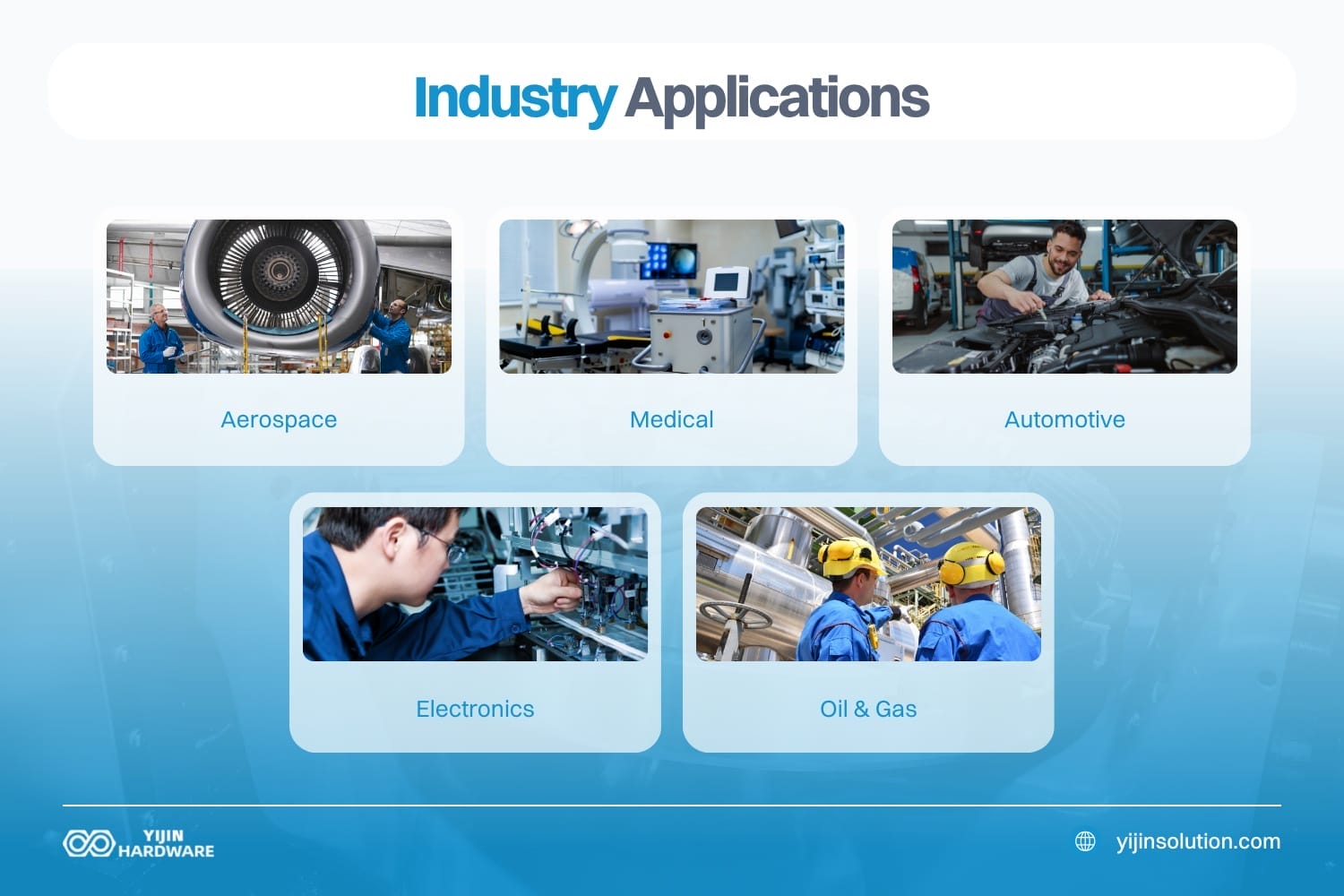
- Aérospatiale: Structural components, engine parts
- Médical: Implants, instruments chirurgicaux
- Automobile: Engine components, transmission parts
- Électronique : Housings, heat sinks, connectors
- Pétrole et gaz : Valve components, specialized tools
Yijin Hardware | Top CNC Machining Services
While CNC machining has one disadvantage in its initial investment cost, the numerous advantages of CNC milling represent a transformative technology that delivers exceptional precision, efficiency, and manufacturing capabilities for modern industries. The combination of automated operations, digital control, and multi-axis capabilities creates manufacturing possibilities previously unattainable with traditional machines. As subtractive manufacturing continues to evolve toward Industry 4.0 integration, CNC technology remains at the forefront of production innovation.
Yijin Hardware offers comprehensive machining services with state-of-the-art equipment and technical expertise to meet your most demanding manufacturing requirements. Contact our engineering team today to discuss how our advanced CNC capabilities can optimize your production processes and deliver superior components for your applications.
Benefits of CNC Machining and Milling FAQs
What is the difference between CNC router, CNC plasma and conventional milling machines?
The type of CNC machine differs based on the cutting mechanism and applications they serve. CNC router machines use a rotating cutting tool ideal for woodworking, plastics, and soft metals with detailed designs. CNC plasma machines utilize a plasma torch to cut through conductive materials like steel with high heat, perfect for thick metal cutting applications. Conventional milling machines require manual operation by a skilled machinist who must control all movements and adjustments, making them less precise and efficient for complex work.
What are the main types of CNC machines available for manufacturing?
Machine shops typically use several types of CNC machines based on specific manufacturing needs. CNC lathe machines rotate the workpiece against a cutting tool to create cylindrical parts with high precision. Milling machines use rotating cutters to remove material while the workpiece remains stationary, ideal for creating complex three-dimensional shapes. Specialized equipment includes EDM machines for high-precision electrical discharge machining, grinding machines for superior surface finishes, and 5-axis machining centers for complex geometries requiring simultaneous movement in multiple directions.
What is the main difference between CNC vs manual machining methods?
CNC machines differ from manual machines primarily in how they’re controlled and their capabilities. CNC technology relies on computerized controls to automatically direct the cutting tool through programmed toolpaths, ensuring consistent precision without operator fatigue. Manual lathes and mills require skilled machinists to physically control each movement, making consistency dependent on human skill and introducing variability between parts. While manual machining has lower initial equipment costs, CNC machining offers superior precision, consistency, production speed, and the ability to create complex geometries impossible with traditional manufacturing techniques.
Retour en haut de la page : 13 Avantages de l'usinage et du fraisage CNC




 FR
FR  EN
EN  ES
ES  RU
RU  DE
DE